فيلسوف
Numenius of Apamea
200 - 200
مشاهدات AR.WIKIPEDIA (PV)

 Numenius of Apamea
سيرته الذاتية متاحة بـ25 لغة مختلفة على ويكيبيديا. يحتل Numenius of Apamea المرتبة 716 بين أكثر فيلسوف شعبيةً (تراجعًا من 701 في 2024)، والمرتبة 115 بين أكثر السير الذاتية شعبيةً في سوريا (تراجعًا من 89 في 2019)، كما يحتل المرتبة 6 بين أكثر فيلسوف من سوريا شعبيةً.
مقاييس الشهرة
16k
مشاهدات الصفحة
آخر 12 شهرًا
62.99
HPI
مؤشر الشعبية التاريخية
مشاهدات صفحة Numenius of Apamea حسب اللغة
من بين فيلسوف
من بين فيلسوف، يحتل Numenius of Apamea المرتبة 716 من أصل 1,267. قبله يأتي Stephen Toulmin, Aedesia, André Glucksmann, Onesicritus, Svetozar Marković, وEdvard Westermarck. بعده يأتي Gaius Marius Victorinus, Cheng Yi, Georges Politzer, Sarah Kofman, Arnold Geulincx, وEduard Zeller.
أشهر فيلسوف على ويكيبيديا
عرض جميع التصنيفات
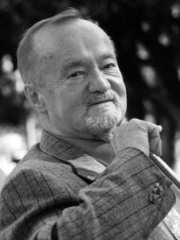
Stephen Toulmin
1922 - 2009
HPI: 63.07
المرتبة: 710

Aedesia
500 - 500
HPI: 63.06
المرتبة: 711
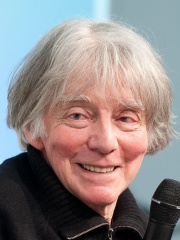
André Glucksmann
1937 - 2015
HPI: 63.06
المرتبة: 712
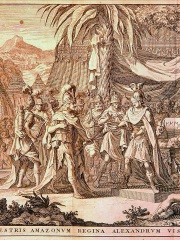
Onesicritus
360 BC - 290 BC
HPI: 63.05
المرتبة: 713
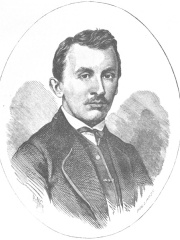
Svetozar Marković
1846 - 1875
HPI: 63.02
المرتبة: 714
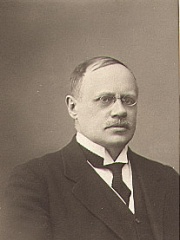
Edvard Westermarck
1862 - 1939
HPI: 63.00
المرتبة: 715
Numenius of Apamea
200 - 200
HPI: 62.99
المرتبة: 716
Gaius Marius Victorinus
310 - 364
HPI: 62.98
المرتبة: 717
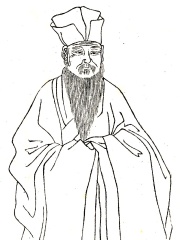
Cheng Yi
1033 - 1107
HPI: 62.98
المرتبة: 718

Georges Politzer
1903 - 1942
HPI: 62.96
المرتبة: 719

Sarah Kofman
1934 - 1994
HPI: 62.94
المرتبة: 720

Arnold Geulincx
1624 - 1669
HPI: 62.94
المرتبة: 721
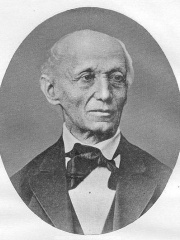
Eduard Zeller
1814 - 1908
HPI: 62.92
المرتبة: 722

معاصرون
من بين المولودين في عام 200، يحتل Numenius of Apamea المرتبة 51. قبله يأتي Zhuge Dan, Pantaenus, Jotapianus, Alexander of Jerusalem, Alciphron, وAryadeva. بعده يأتي Sallustia Orbiana, Fructuosus, Li Jue, Empress He, Amelius, وYan Liang. من بين المتوفين في عام 200، يحتل Numenius of Apamea المرتبة 19. قبله يأتي Caesarius of Africa, Aelianus Tacticus, Diogenes of Oenoanda, Maximus of Tyre, Aquila of Sinope, وAlciphron. بعده يأتي Gaius Appuleius Diocles, Albinus, Cerinthus, Pabag, Yan Liang, وApollonius Dyscolus.
آخرون وُلدوا في عام 200
عرض جميع التصنيفات
Zhuge Dan
POLITICIAN
200 - 258
HPI: 63.49
المرتبة: 45
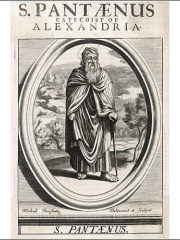
Pantaenus
PHILOSOPHER
200 - 216
HPI: 63.40
المرتبة: 46
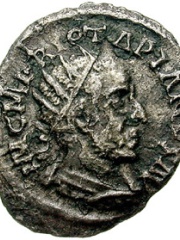
Jotapianus
POLITICIAN
200 - 249
HPI: 63.31
المرتبة: 47
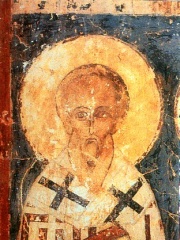
Alexander of Jerusalem
RELIGIOUS FIGURE
200 - 251
HPI: 63.22
المرتبة: 48

Alciphron
WRITER
200 - 200
HPI: 63.19
المرتبة: 49

Aryadeva
WRITER
200 - 250
HPI: 63.10
المرتبة: 50
Numenius of Apamea
PHILOSOPHER
200 - 200
HPI: 62.99
المرتبة: 51
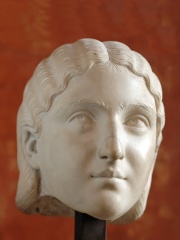
Sallustia Orbiana
COMPANION
200 - حتى الآن
HPI: 62.91
المرتبة: 52
Fructuosus
RELIGIOUS FIGURE
200 - 259
HPI: 62.81
المرتبة: 53
Li Jue
POLITICIAN
200 - حتى الآن
HPI: 62.66
المرتبة: 54

Empress He
COMPANION
200 - 189
HPI: 62.64
المرتبة: 55

Amelius
PHILOSOPHER
200 - 300
HPI: 62.45
المرتبة: 56

Yan Liang
MILITARY PERSONNEL
200 - 200
HPI: 62.16
المرتبة: 57
آخرون توفوا في عام 200
عرض جميع التصنيفات
Caesarius of Africa
RELIGIOUS FIGURE
1 - 200
HPI: 63.90
المرتبة: 13

Aelianus Tacticus
WRITER
100 - 200
HPI: 63.71
المرتبة: 14

Diogenes of Oenoanda
PHILOSOPHER
200 - 200
HPI: 63.67
المرتبة: 15
Maximus of Tyre
PHILOSOPHER
200 - 200
HPI: 63.54
المرتبة: 16
Aquila of Sinope
POLITICIAN
100 - 200
HPI: 63.22
المرتبة: 17
Alciphron
WRITER
200 - 200
HPI: 63.19
المرتبة: 18
Numenius of Apamea
PHILOSOPHER
200 - 200
HPI: 62.99
المرتبة: 19
Gaius Appuleius Diocles
POLITICIAN
104 - 200
HPI: 62.88
المرتبة: 20

Albinus
PHILOSOPHER
100 - 200
HPI: 62.42
المرتبة: 21

Cerinthus
PHILOSOPHER
100 - 200
HPI: 62.35
المرتبة: 22
Pabag
POLITICIAN
155 - 200
HPI: 62.33
المرتبة: 23
Yan Liang
MILITARY PERSONNEL
200 - 200
HPI: 62.16
المرتبة: 24
Apollonius Dyscolus
WRITER
200 - 200
HPI: 61.90
المرتبة: 25
في سوريا
من بين المولودين في سوريا، يحتل Numenius of Apamea المرتبة 115 من أصل NaN. قبله يأتي Dawoud Rajiha (1947), Alciphron (200), Evagrius Scholasticus (536), Ibn Asakir (1105), John Moschus (550), وGregory III Laham (1933). بعده يأتي Tiridates II of Parthia (-100), Walid Muallem (1941), Salih Muslim (1951), Mithridates I Callinicus (-200), Ignatius Moses I Daoud (1930), وGaius Julius Priscus (250).
آخرون وُلدوا في سوريا
عرض جميع التصنيفات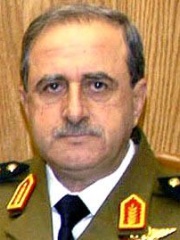
Dawoud Rajiha
POLITICIAN
1947 - 2012
HPI: 63.33
المرتبة: 109
Alciphron
WRITER
200 - 200
HPI: 63.19
المرتبة: 110

Evagrius Scholasticus
HISTORIAN
536 - 594
HPI: 63.17
المرتبة: 111

Ibn Asakir
RELIGIOUS FIGURE
1105 - 1176
HPI: 63.08
المرتبة: 112

John Moschus
WRITER
550 - 619
HPI: 63.04
المرتبة: 113
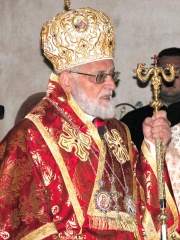
Gregory III Laham
RELIGIOUS FIGURE
1933 - حتى الآن
HPI: 63.03
المرتبة: 114
Numenius of Apamea
PHILOSOPHER
200 - 200
HPI: 62.99
المرتبة: 115
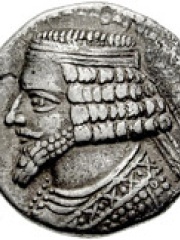
Tiridates II of Parthia
POLITICIAN
100 BC - 100 BC
HPI: 62.98
المرتبة: 116
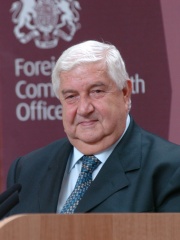
Walid Muallem
POLITICIAN
1941 - 2020
HPI: 62.73
المرتبة: 117
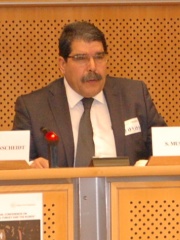
Salih Muslim
POLITICIAN
1951 - 2026
HPI: 62.60
المرتبة: 118
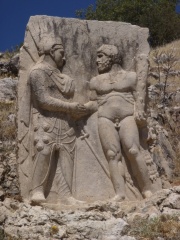
Mithridates I Callinicus
POLITICIAN
200 BC - 70 BC
HPI: 62.48
المرتبة: 119

Ignatius Moses I Daoud
RELIGIOUS FIGURE
1930 - 2012
HPI: 62.37
المرتبة: 120

Gaius Julius Priscus
POLITICIAN
250 - 251
HPI: 62.37
المرتبة: 121
من بين فيلسوف في سوريا
من بين فيلسوف المولودين في سوريا، يحتل Numenius of Apamea المرتبة 6. قبله يأتي John of Damascus (676), Iamblichus (245), Ibn al-Nafis (1212), Damascius (480), وZaki al-Arsuzi (1899).
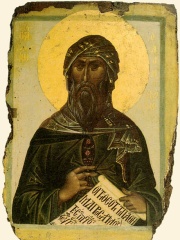
John of Damascus
676 - 749
HPI: 79.22
المرتبة: 1
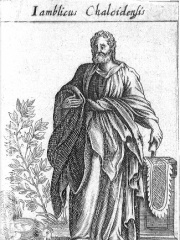
Iamblichus
245 - 330
HPI: 72.85
المرتبة: 2
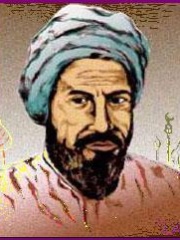
Ibn al-Nafis
1212 - 1289
HPI: 71.41
المرتبة: 3

Damascius
480 - 550
HPI: 68.64
المرتبة: 4
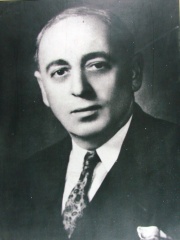
Zaki al-Arsuzi
1899 - 1968
HPI: 65.18
المرتبة: 5
Numenius of Apamea
200 - 200
HPI: 62.99
المرتبة: 6




