كاتب
Ibn Bibi
1250 - 1285
مشاهدات AR.WIKIPEDIA (PV)

 Ibn Bibi
سيرته الذاتية متاحة بـ15 لغة مختلفة على ويكيبيديا. يحتل Ibn Bibi المرتبة 4,021 بين أكثر كاتب شعبيةً (تراجعًا من 3,547 في 2024)، والمرتبة 351 بين أكثر السير الذاتية شعبيةً في إيران (تراجعًا من 317 في 2019)، كما يحتل المرتبة 45 بين أكثر كاتب من إيران شعبيةً.
مقاييس الشهرة
10k
مشاهدات الصفحة
آخر 12 شهرًا
57.97
HPI
مؤشر الشعبية التاريخية
رؤى من البيانات
15
تمتد سيرة Ibn Bibi عبر 15 نسخة لغوية من ويكيبيديا وتبلغ قيمة مؤشر الشعبية التاريخية 57.97.
مشاهدات صفحة Ibn Bibi حسب اللغة
من بين كاتب
من بين كاتب، يحتل Ibn Bibi المرتبة 4,021 من أصل 7,707. قبله يأتي Bei Dao, Sahakdukht, Gustaf Fröding, Jan Kott, Jules Lemaître, وMarcel Arland. بعده يأتي Ferdinand Bruckner, Bat Ye'or, Savo Kostadinovski, Roger Vitrac, Arundhati Roy, وAbbas Ibn al-Ahnaf.
أشهر كاتب على ويكيبيديا
عرض جميع التصنيفات

Bei Dao
1949 - حتى الآن
HPI: 57.98
المرتبة: 4,015

Sahakdukht
700 - 800
HPI: 57.98
المرتبة: 4,016
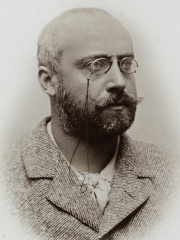
Gustaf Fröding
1860 - 1911
HPI: 57.98
المرتبة: 4,017

Jan Kott
1914 - 2001
HPI: 57.98
المرتبة: 4,018
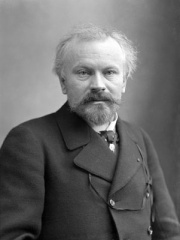
Jules Lemaître
1853 - 1914
HPI: 57.97
المرتبة: 4,019
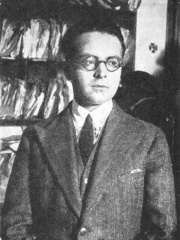
Marcel Arland
1899 - 1986
HPI: 57.97
المرتبة: 4,020
Ibn Bibi
1250 - 1285
HPI: 57.97
المرتبة: 4,021

Ferdinand Bruckner
1891 - 1958
HPI: 57.97
المرتبة: 4,022

Bat Ye'or
1933 - حتى الآن
HPI: 57.97
المرتبة: 4,023

Savo Kostadinovski
1950 - حتى الآن
HPI: 57.97
المرتبة: 4,024
Roger Vitrac
1899 - 1952
HPI: 57.96
المرتبة: 4,025
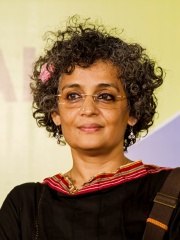
Arundhati Roy
1961 - حتى الآن
HPI: 57.96
المرتبة: 4,026

Abbas Ibn al-Ahnaf
750 - 808
HPI: 57.96
المرتبة: 4,027

معاصرون
من بين المولودين في عام 1250، يحتل Ibn Bibi المرتبة 37. قبله يأتي Maso di Banco, Rebecca Guarna, Margaret of Burgundy, Queen of Sicily, Albert III, Margrave of Brandenburg-Salzwedel, Theodoric of Freiberg, وReniero Zeno. بعده يأتي Malik Kafur. من بين المتوفين في عام 1285، يحتل Ibn Bibi المرتبة 15. قبله يأتي Philip I, Count of Savoy, Theodora of Trebizond, Daumantas of Lithuania, John I, Duke of Saxony, Rutebeuf, وCerverí de Girona.
آخرون وُلدوا في عام 1250
عرض جميع التصنيفات
Maso di Banco
PAINTER
1250 - 1348
HPI: 60.17
المرتبة: 31

Rebecca Guarna
PHYSICIAN
1250 - حتى الآن
HPI: 59.75
المرتبة: 32
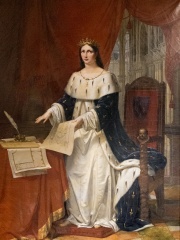
Margaret of Burgundy, Queen of Sicily
POLITICIAN
1250 - 1308
HPI: 59.73
المرتبة: 33
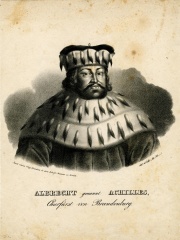
Albert III, Margrave of Brandenburg-Salzwedel
NOBLEMAN
1250 - 1300
HPI: 59.61
المرتبة: 34

Theodoric of Freiberg
PHILOSOPHER
1250 - 1310
HPI: 59.23
المرتبة: 35
Reniero Zeno
POLITICIAN
1250 - 1268
HPI: 58.77
المرتبة: 36
Ibn Bibi
WRITER
1250 - 1285
HPI: 57.97
المرتبة: 37
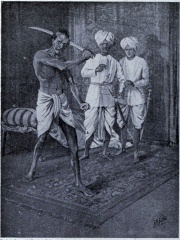
Malik Kafur
POLITICIAN
1250 - 1316
HPI: 57.46
المرتبة: 38
آخرون توفوا في عام 1285
عرض جميع التصنيفات
Philip I, Count of Savoy
NOBLEMAN
1207 - 1285
HPI: 64.90
المرتبة: 9
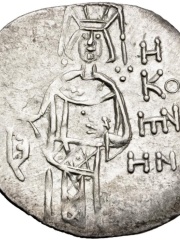
Theodora of Trebizond
POLITICIAN
1253 - 1285
HPI: 64.75
المرتبة: 10
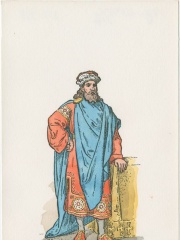
Daumantas of Lithuania
NOBLEMAN
1201 - 1285
HPI: 61.20
المرتبة: 11

John I, Duke of Saxony
POLITICIAN
1249 - 1285
HPI: 60.60
المرتبة: 12

Rutebeuf
WRITER
1300 - 1285
HPI: 59.71
المرتبة: 13

Cerverí de Girona
WRITER
1259 - 1285
HPI: 58.18
المرتبة: 14
Ibn Bibi
WRITER
1250 - 1285
HPI: 57.97
المرتبة: 15
في إيران
من بين المولودين في إيران، يحتل Ibn Bibi المرتبة 351 من أصل 800. قبله يأتي Esmat Dowlatshahi (1904), Hossein Wahid Khorasani (1921), Ali-Morad Khan Zand (1779), Jalal Al-e-Ahmad (1923), Simin Behbahani (1927), وAli Sayad Shirazi (1944). بعده يأتي Ismail III (1733), Abu'l-Fadl Bayhaqi (995), Mohammad Rasoulof (1972), Haj Ali Razmara (1901), Nasrin Sotoudeh (1963), وAbu Said Gorgani (850).
آخرون وُلدوا في إيران
عرض جميع التصنيفات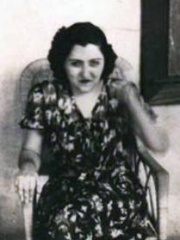
Esmat Dowlatshahi
NOBLEMAN
1904 - 1995
HPI: 58.08
المرتبة: 345
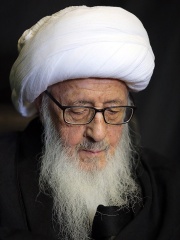
Hossein Wahid Khorasani
RELIGIOUS FIGURE
1921 - حتى الآن
HPI: 58.07
المرتبة: 346
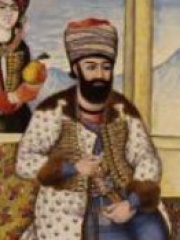
Ali-Morad Khan Zand
POLITICIAN
1779 - 1785
HPI: 58.05
المرتبة: 347
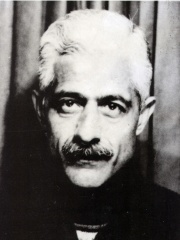
Jalal Al-e-Ahmad
WRITER
1923 - 1969
HPI: 58.05
المرتبة: 348
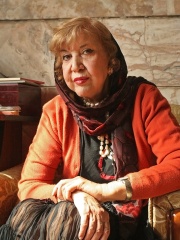
Simin Behbahani
WRITER
1927 - 2014
HPI: 57.99
المرتبة: 349
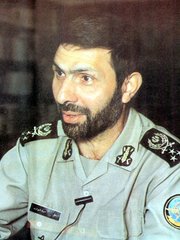
Ali Sayad Shirazi
MILITARY PERSONNEL
1944 - 1999
HPI: 57.98
المرتبة: 350
Ibn Bibi
WRITER
1250 - 1285
HPI: 57.97
المرتبة: 351
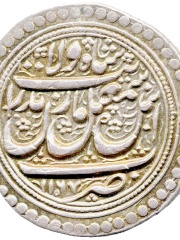
Ismail III
NOBLEMAN
1733 - 1773
HPI: 57.96
المرتبة: 352

Abu'l-Fadl Bayhaqi
WRITER
995 - 1077
HPI: 57.96
المرتبة: 353
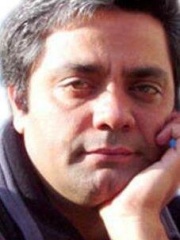
Mohammad Rasoulof
FILM DIRECTOR
1972 - حتى الآن
HPI: 57.96
المرتبة: 354
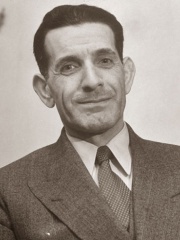
Haj Ali Razmara
POLITICIAN
1901 - 1951
HPI: 57.91
المرتبة: 355
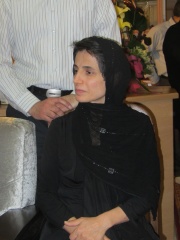
Nasrin Sotoudeh
SOCIAL ACTIVIST
1963 - حتى الآن
HPI: 57.90
المرتبة: 356

Abu Said Gorgani
MATHEMATICIAN
850 - 845
HPI: 57.79
المرتبة: 357
من بين كاتب في إيران
من بين كاتب المولودين في إيران، يحتل Ibn Bibi المرتبة 45. قبله يأتي Subh-i-Azal (1831), Mahmoud Shabestari (1288), Saib Tabrizi (1592), Simin Daneshvar (1921), Jalal Al-e-Ahmad (1923), وSimin Behbahani (1927). بعده يأتي Abu'l-Fadl Bayhaqi (995), Iraj Mirza (1874), Fakhruddin As'ad Gurgani (1001), Cassandra Clare (1973), Bozorg Alavi (1904), وMohammad-Ali Jamalzadeh (1892).
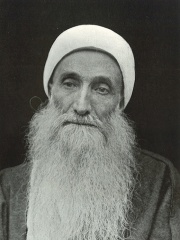
Subh-i-Azal
1831 - 1912
HPI: 59.15
المرتبة: 39
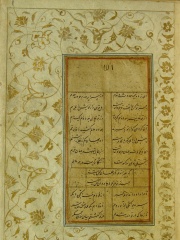
Mahmoud Shabestari
1288 - 1340
HPI: 59.11
المرتبة: 40
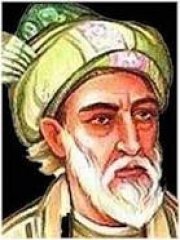
Saib Tabrizi
1592 - 1676
HPI: 58.77
المرتبة: 41
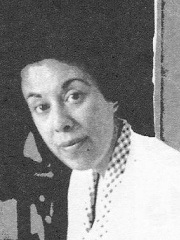
Simin Daneshvar
1921 - 2012
HPI: 58.68
المرتبة: 42
Jalal Al-e-Ahmad
1923 - 1969
HPI: 58.05
المرتبة: 43
Simin Behbahani
1927 - 2014
HPI: 57.99
المرتبة: 44
Ibn Bibi
1250 - 1285
HPI: 57.97
المرتبة: 45
Abu'l-Fadl Bayhaqi
995 - 1077
HPI: 57.96
المرتبة: 46
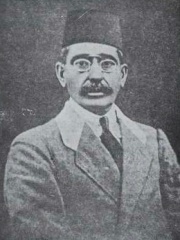
Iraj Mirza
1874 - 1926
HPI: 57.74
المرتبة: 47

Fakhruddin As'ad Gurgani
1001 - 1054
HPI: 57.60
المرتبة: 48

Cassandra Clare
1973 - حتى الآن
HPI: 57.39
المرتبة: 49
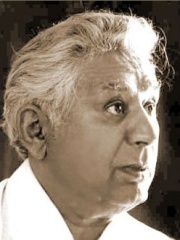
Bozorg Alavi
1904 - 1997
HPI: 57.28
المرتبة: 50
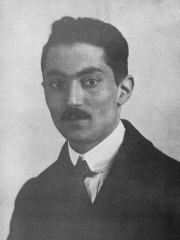
Mohammad-Ali Jamalzadeh
1892 - 1997
HPI: 57.17
المرتبة: 51




