كاتب
Callimachus
310 BC - 240 BC
مشاهدات AR.WIKIPEDIA (PV)
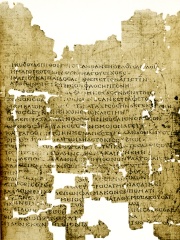
 Callimachus
سيرته الذاتية متاحة بـ51 لغة مختلفة على ويكيبيديا (زيادة من 50 في 2024). يحتل Callimachus المرتبة 331 بين أكثر كاتب شعبيةً (تقدمًا من 339 في 2024)، والمرتبة 8 بين أكثر السير الذاتية شعبيةً في ليبيا (تقدمًا من 9 في 2019)، كما يحتل المرتبة الأولى بين أكثر كاتب من ليبيا شعبيةً.
مقاييس الشهرة
130k
مشاهدات الصفحة
آخر 12 شهرًا
75.19
HPI
مؤشر الشعبية التاريخية
مشاهدات صفحة Callimachus حسب اللغة
من بين كاتب
من بين كاتب، يحتل Callimachus المرتبة 331 من أصل 7,302. قبله يأتي Nadine Gordimer, Paul Celan, Colette, Anne Brontë, André Malraux, وWilliam Golding. بعده يأتي Jaggi Vasudev, Apollonius of Rhodes, Philip K. Dick, Michael Ende, Saadi Shirazi, وChristine de Pizan.
أشهر كاتب على ويكيبيديا
عرض جميع التصنيفات
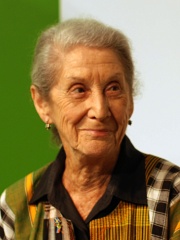
Nadine Gordimer
1923 - 2014
HPI: 75.27
المرتبة: 325

Paul Celan
1920 - 1970
HPI: 75.26
المرتبة: 326
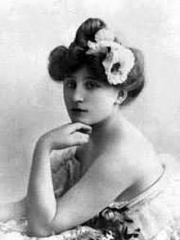
Colette
1873 - 1954
HPI: 75.22
المرتبة: 327
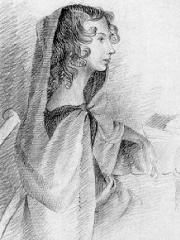
Anne Brontë
1820 - 1849
HPI: 75.21
المرتبة: 328
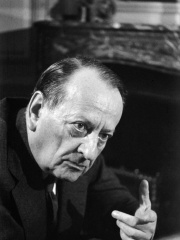
André Malraux
1901 - 1976
HPI: 75.21
المرتبة: 329
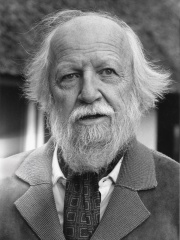
William Golding
1911 - 1993
HPI: 75.20
المرتبة: 330
Callimachus
310 BC - 240 BC
HPI: 75.19
المرتبة: 331
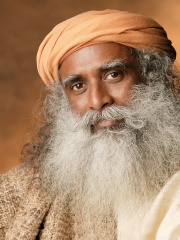
Jaggi Vasudev
1957 - حتى الآن
HPI: 75.17
المرتبة: 332

Apollonius of Rhodes
295 BC - 215 BC
HPI: 75.13
المرتبة: 333
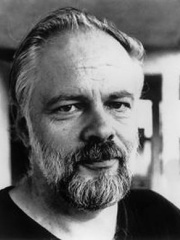
Philip K. Dick
1928 - 1982
HPI: 75.12
المرتبة: 334

Michael Ende
1929 - 1995
HPI: 75.11
المرتبة: 335
Saadi Shirazi
1210 - 1291
HPI: 75.10
المرتبة: 336
Christine de Pizan
1365 - 1430
HPI: 75.10
المرتبة: 337

معاصرون
من بين المولودين في عام 310 BC، يحتل Callimachus المرتبة 1. بعده يأتي Posidippus, وGnaeus Cornelius Scipio Asina. من بين المتوفين في عام 240 BC، يحتل Callimachus المرتبة 2. قبله يأتي Euclid. بعده يأتي Arcesilaus, Aratus, Zou Yan, وPosidippus.
آخرون وُلدوا في عام 310 BC
عرض جميع التصنيفاتCallimachus
WRITER
310 BC - 240 BC
HPI: 75.19
المرتبة: 1

Posidippus
WRITER
310 BC - 240 BC
HPI: 62.22
المرتبة: 2

Gnaeus Cornelius Scipio Asina
POLITICIAN
310 BC - 220 BC
HPI: 59.46
المرتبة: 3
آخرون توفوا في عام 240 BC
عرض جميع التصنيفات
Euclid
MATHEMATICIAN
350 BC - 240 BC
HPI: 90.02
المرتبة: 1
Callimachus
WRITER
310 BC - 240 BC
HPI: 75.19
المرتبة: 2
Arcesilaus
PHILOSOPHER
315 BC - 240 BC
HPI: 72.20
المرتبة: 3
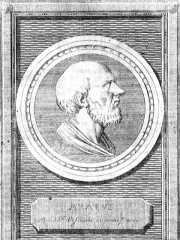
Aratus
WRITER
315 BC - 240 BC
HPI: 71.21
المرتبة: 4

Zou Yan
PHILOSOPHER
305 BC - 240 BC
HPI: 64.16
المرتبة: 5
Posidippus
WRITER
310 BC - 240 BC
HPI: 62.22
المرتبة: 6
في ليبيا
من بين المولودين في ليبيا، يحتل Callimachus المرتبة 8 من أصل NaN. قبله يأتي Muammar Gaddafi (1942), Mark the Evangelist (10), Septimius Severus (145), Arius (256), Aristippus (-434), وSimon of Cyrene (-100). بعده يأتي Berenice II of Egypt (-267), Pope Victor I (100), Omar Mukhtar (1858), Idris of Libya (1889), Khalifa Haftar (1943), وCarneades (-214).
آخرون وُلدوا في ليبيا
عرض جميع التصنيفات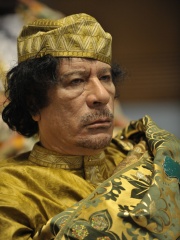
Muammar Gaddafi
POLITICIAN
1942 - 2011
HPI: 85.50
المرتبة: 2
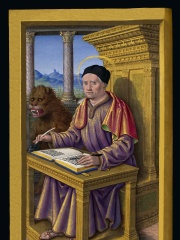
Mark the Evangelist
RELIGIOUS FIGURE
10 - 68
HPI: 85.33
المرتبة: 3
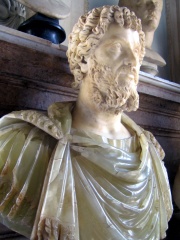
Septimius Severus
POLITICIAN
145 - 211
HPI: 82.04
المرتبة: 4
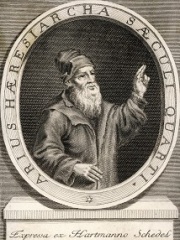
Arius
RELIGIOUS FIGURE
256 - 336
HPI: 81.19
المرتبة: 5
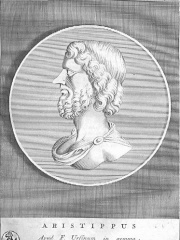
Aristippus
PHILOSOPHER
434 BC - 355 BC
HPI: 79.14
المرتبة: 6
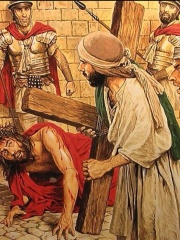
Simon of Cyrene
POLITICIAN
100 BC - 100
HPI: 76.33
المرتبة: 7
Callimachus
WRITER
310 BC - 240 BC
HPI: 75.19
المرتبة: 8
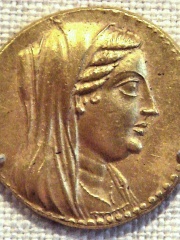
Berenice II of Egypt
COMPANION
267 BC - 221 BC
HPI: 74.99
المرتبة: 9
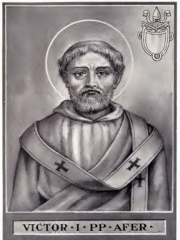
Pope Victor I
RELIGIOUS FIGURE
100 - 199
HPI: 74.96
المرتبة: 10
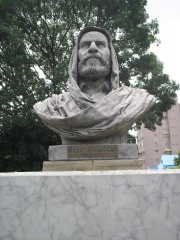
Omar Mukhtar
SOCIAL ACTIVIST
1858 - 1931
HPI: 74.73
المرتبة: 11
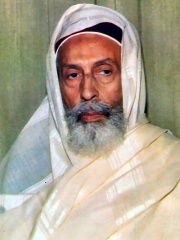
Idris of Libya
POLITICIAN
1889 - 1983
HPI: 73.19
المرتبة: 12
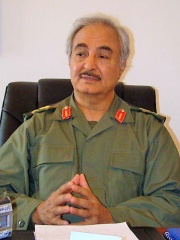
Khalifa Haftar
MILITARY PERSONNEL
1943 - حتى الآن
HPI: 72.98
المرتبة: 13
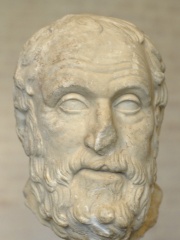
Carneades
PHILOSOPHER
214 BC - 129 BC
HPI: 72.79
المرتبة: 14
من بين كاتب في ليبيا
من بين كاتب المولودين في ليبيا، يحتل Callimachus المرتبة 1. بعده يأتي Ibn Manzur (1233), Ibrahim Kuni (1948), وReham Khan (1973).
Callimachus
310 BC - 240 BC
HPI: 75.19
المرتبة: 1

Ibn Manzur
1233 - 1312
HPI: 60.90
المرتبة: 2

Ibrahim Kuni
1948 - حتى الآن
HPI: 53.90
المرتبة: 3

Reham Khan
1973 - حتى الآن
HPI: 32.85
المرتبة: 4




