Writer
Theocritus
3rd-century BC Greek poet
315 BC - 260 BC
EN.WIKIPEDIA PAGE VIEWS (PV)
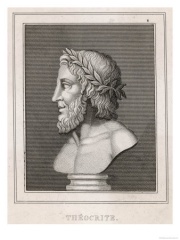
 Theocritus
His biography is available in 47 different languages on Wikipedia (up from 44 in 2024). Theocritus is the 374th most popular writer (up from 376th in 2024), the 542nd most popular biography from Italy (down from 495th in 2019) and the 30th most popular Italian Writer.
Theocritus is most famous for his "Idylls" which are pastoral poems that are written in the style of ancient Greek poetry.
Memorability Metrics
380k
Page Views
Past 12 months
74.44
HPI
Historical Popularity Index
Page views of Theocritus by language
Among Writers
Among writers, Theocritus ranks 374 out of 7,302. Before him are Coen brothers, Ivar Aasen, Carlos Castaneda, Leopold von Sacher-Masoch, Mikhail Sholokhov, and Jean Genet. After him are Lorenzo Valla, Léopold Sédar Senghor, Lucy Maud Montgomery, Salman Rushdie, Percy Bysshe Shelley, and Margaret Mitchell.
Most Popular Writers in Wikipedia
Go to all Rankings

Coen brothers
HPI: 74.48
Rank: 368
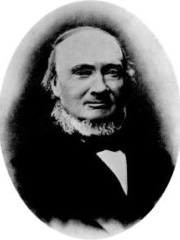
Ivar Aasen
1813 - 1896
HPI: 74.48
Rank: 369
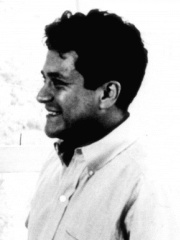
Carlos Castaneda
1925 - 1998
HPI: 74.47
Rank: 370
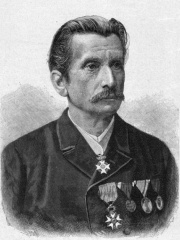
Leopold von Sacher-Masoch
1836 - 1895
HPI: 74.47
Rank: 371
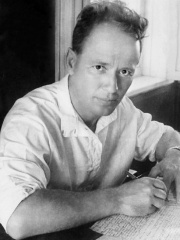
Mikhail Sholokhov
1905 - 1984
HPI: 74.46
Rank: 372
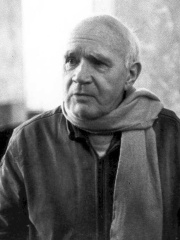
Jean Genet
1910 - 1986
HPI: 74.46
Rank: 373
Theocritus
315 BC - 260 BC
HPI: 74.44
Rank: 374
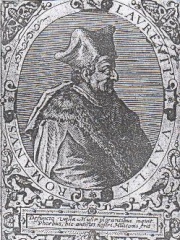
Lorenzo Valla
1407 - 1457
HPI: 74.42
Rank: 375
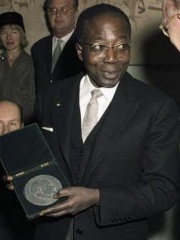
Léopold Sédar Senghor
1906 - 2001
HPI: 74.42
Rank: 376
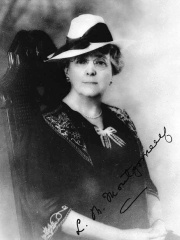
Lucy Maud Montgomery
1874 - 1942
HPI: 74.40
Rank: 377

Salman Rushdie
1947 - Present
HPI: 74.40
Rank: 378
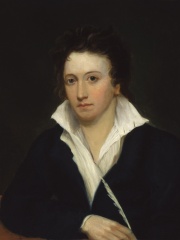
Percy Bysshe Shelley
1792 - 1822
HPI: 74.38
Rank: 379
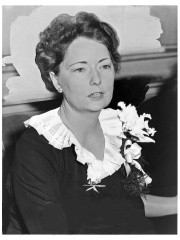
Margaret Mitchell
1900 - 1949
HPI: 74.38
Rank: 380

Contemporaries
Among people born in 315 BC, Theocritus ranks 1. After him are Arcesilaus, Aratus, and Leonidas II. Among people deceased in 260 BC, Theocritus ranks 1. After him are Hanno the Great, Sostratus of Cnidus, Menippus, Zenodotus, Timaeus, Gaius Claudius Nero, Euthydemus I, Hannibal Gisco, Laodice I, Timocharis, and Quintus Caecilius Metellus.
Others Born in 315 BC
Go to all RankingsTheocritus
WRITER
315 BC - 260 BC
HPI: 74.44
Rank: 1
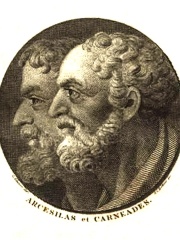
Arcesilaus
PHILOSOPHER
315 BC - 240 BC
HPI: 72.20
Rank: 2
Aratus
WRITER
315 BC - 240 BC
HPI: 71.21
Rank: 3
Leonidas II
POLITICIAN
315 BC - 235 BC
HPI: 68.66
Rank: 4
Others Deceased in 260 BC
Go to all RankingsTheocritus
WRITER
315 BC - 260 BC
HPI: 74.44
Rank: 1

Hanno the Great
POLITICIAN
300 BC - 260 BC
HPI: 71.46
Rank: 2

Sostratus of Cnidus
ARCHITECT
290 BC - 260 BC
HPI: 70.20
Rank: 3
Menippus
WRITER
290 BC - 260 BC
HPI: 69.12
Rank: 4

Zenodotus
WRITER
330 BC - 260 BC
HPI: 68.83
Rank: 5
Timaeus
HISTORIAN
350 BC - 260 BC
HPI: 67.68
Rank: 6
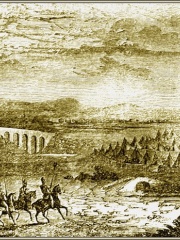
Gaius Claudius Nero
POLITICIAN
300 BC - 260 BC
HPI: 63.12
Rank: 7
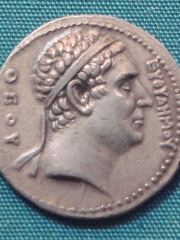
Euthydemus I
POLITICIAN
300 BC - 260 BC
HPI: 62.63
Rank: 8

Hannibal Gisco
MILITARY PERSONNEL
300 BC - 260 BC
HPI: 62.12
Rank: 9

Laodice I
COMPANION
300 BC - 260 BC
HPI: 61.60
Rank: 10

Timocharis
ASTRONOMER
320 BC - 260 BC
HPI: 61.49
Rank: 11
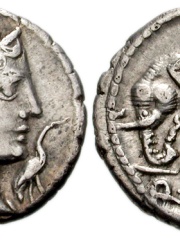
Quintus Caecilius Metellus
POLITICIAN
300 BC - 260 BC
HPI: 61.18
Rank: 12
In Italy
Among people born in Italy, Theocritus ranks 542 out of NaN. Before him are Januarius (272), Gaius Gracchus (-154), Gabriele D'Annunzio (1863), Salvatore Riina (1930), Emilio Segrè (1905), and Pope Agapetus II (900). After him are Lorenzo Valla (1407), Giovanni Falcone (1939), Anna Magnani (1908), Domenico Cimarosa (1749), Calpurnia (-77), and Francesco I Sforza (1401).
Others born in Italy
Go to all Rankings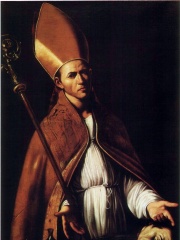
Januarius
RELIGIOUS FIGURE
272 - 305
HPI: 74.51
Rank: 536
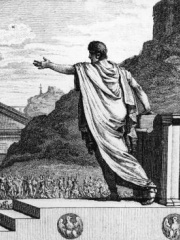
Gaius Gracchus
POLITICIAN
154 BC - 121 BC
HPI: 74.51
Rank: 537
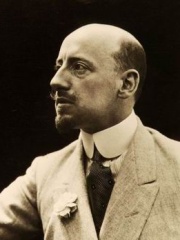
Gabriele D'Annunzio
WRITER
1863 - 1938
HPI: 74.51
Rank: 538
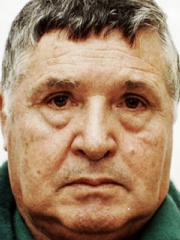
Salvatore Riina
MAFIOSO
1930 - 2017
HPI: 74.49
Rank: 539
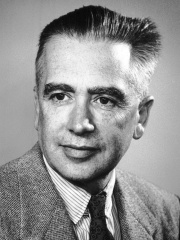
Emilio Segrè
PHYSICIST
1905 - 1989
HPI: 74.45
Rank: 540
Pope Agapetus II
RELIGIOUS FIGURE
900 - 955
HPI: 74.45
Rank: 541
Theocritus
WRITER
315 BC - 260 BC
HPI: 74.44
Rank: 542
Lorenzo Valla
WRITER
1407 - 1457
HPI: 74.42
Rank: 543
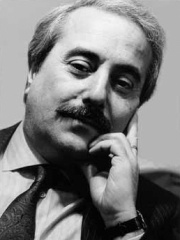
Giovanni Falcone
JUDGE
1939 - 1992
HPI: 74.41
Rank: 544
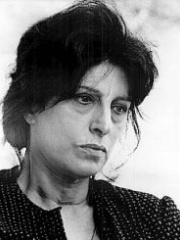
Anna Magnani
ACTOR
1908 - 1973
HPI: 74.40
Rank: 545
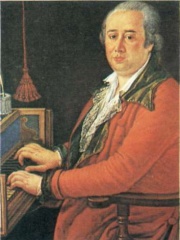
Domenico Cimarosa
COMPOSER
1749 - 1801
HPI: 74.39
Rank: 546
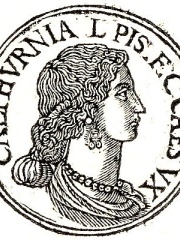
Calpurnia
POLITICIAN
77 BC - Present
HPI: 74.39
Rank: 547
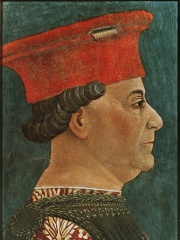
Francesco I Sforza
POLITICIAN
1401 - 1466
HPI: 74.38
Rank: 548
Among Writers In Italy
Among writers born in Italy, Theocritus ranks 30. Before him are Marcus Terentius Varro (-116), Luigi Pirandello (1867), Alberto Moravia (1907), Christine de Pizan (1365), Giuseppe Tomasi di Lampedusa (1896), and Gabriele D'Annunzio (1863). After him are Lorenzo Valla (1407), Cornelius Nepos (-100), Elena Ferrante (1943), Giosuè Carducci (1835), Livius Andronicus (-280), and Pietro Aretino (1492).
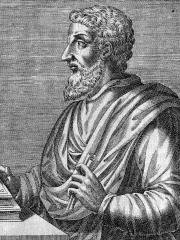
Marcus Terentius Varro
116 BC - 27 BC
HPI: 76.15
Rank: 24
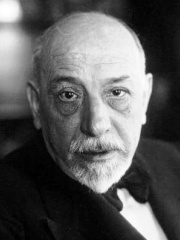
Luigi Pirandello
1867 - 1936
HPI: 75.95
Rank: 25
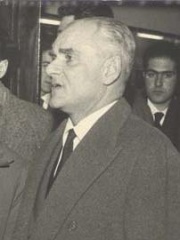
Alberto Moravia
1907 - 1990
HPI: 75.73
Rank: 26
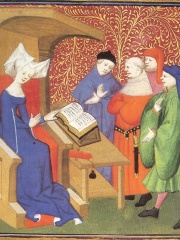
Christine de Pizan
1365 - 1430
HPI: 75.10
Rank: 27
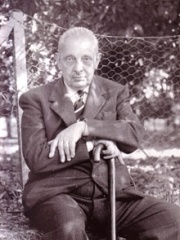
Giuseppe Tomasi di Lampedusa
1896 - 1957
HPI: 74.75
Rank: 28
Gabriele D'Annunzio
1863 - 1938
HPI: 74.51
Rank: 29
Theocritus
315 BC - 260 BC
HPI: 74.44
Rank: 30
Lorenzo Valla
1407 - 1457
HPI: 74.42
Rank: 31
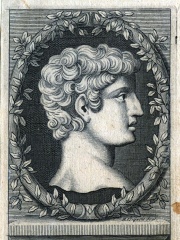
Cornelius Nepos
100 BC - 25 BC
HPI: 74.23
Rank: 32

Elena Ferrante
1943 - Present
HPI: 74.21
Rank: 33
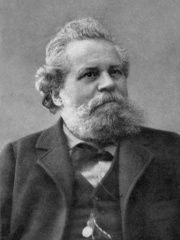
Giosuè Carducci
1835 - 1907
HPI: 74.14
Rank: 34
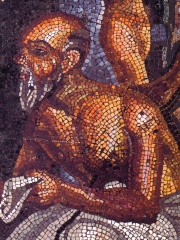
Livius Andronicus
280 BC - 200 BC
HPI: 73.96
Rank: 35
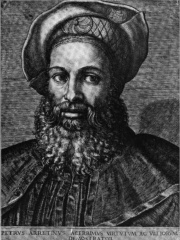
Pietro Aretino
1492 - 1556
HPI: 73.72
Rank: 36




