政治家
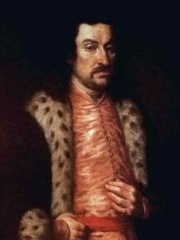
Shvarn
1230 - 1270
ZH.WIKIPEDIA 页面浏览量 (PV)
 Shvarn
知名度指标
32k
页面浏览量
过去12个月
66.56
HPI
历史知名度指数
Shvarn的各语言页面浏览量
在政治家中
在政治家中,Shvarn排名第5,006位(共19,576人)。 排在他之前的有:Tervel of Bulgaria, René Préval, Ivo Josipović, Mesud I, Eumenes I, 和Traidenis. 排在他之后的有:Ayşe Sultan, Muhammad Khan Junejo, Wu Ding, Abd al-Aziz ibn Baz, Michal Kováč, 和Eraric.
维基百科上最受欢迎的政治家
查看全部排名
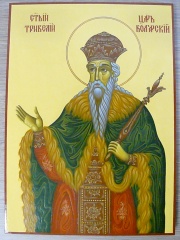
Tervel of Bulgaria
675 - 721
HPI: 66.56
排名: 5,002
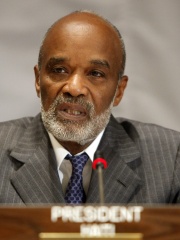
René Préval
1943 - 2017
HPI: 66.56
排名: 5,003
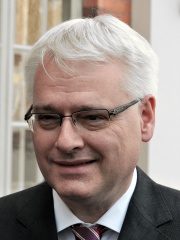
Ivo Josipović
1957 - 至今
HPI: 66.56
排名: 5,004

Mesud I
1095 - 1156
HPI: 66.56
排名: 5,005
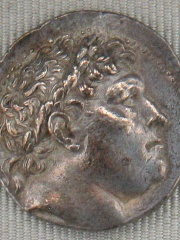
Eumenes I
250 BC - 241 BC
HPI: 66.56
排名: 5,006
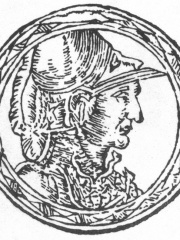
Traidenis
1220 - 1282
HPI: 66.56
排名: 5,007
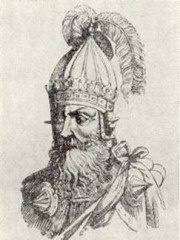
Shvarn
1230 - 1270
HPI: 66.56
排名: 5,008

Ayşe Sultan
1605 - 1660
HPI: 66.56
排名: 5,009
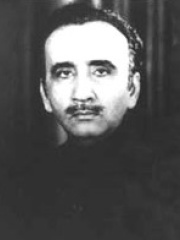
Muhammad Khan Junejo
1932 - 1993
HPI: 66.55
排名: 5,010
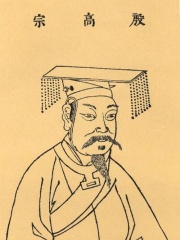
Wu Ding
1300 BC - 1192 BC
HPI: 66.55
排名: 5,011
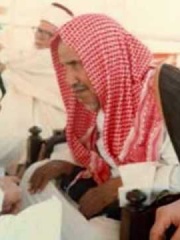
Abd al-Aziz ibn Baz
1910 - 1999
HPI: 66.55
排名: 5,012
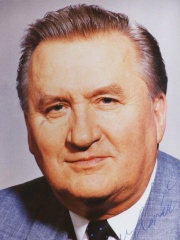
Michal Kováč
1930 - 2016
HPI: 66.55
排名: 5,013

Eraric
450 - 541
HPI: 66.54
排名: 5,014

同时代人物
在1230年出生的人中,Shvarn排名第2位。 排在他之前的有:Kaidu. 排在他之后的有:Sinchi Roca, Vitello, Anna of Hohenstaufen, Guido of Siena, Margaret Sambiria, Yaroslav of Tver, Konrad von Feuchtwangen, Guido Guinizelli, Athanasius I of Constantinople, 和Guiraut Riquier. 在1270年去世的人中,Shvarn排名第9位。 排在他之前的有:Nachmanides, Margaret of Hungary, Tannhäuser, Maria Laskarina, Theobald II of Navarre, 和Hethum I, King of Armenia. 排在他之后的有:Isabelle of France, John Tristan, Count of Valois, Toros Roslin, Mécia Lopes de Haro, Margaret of Sicily, 和David VII of Georgia.
其他1230年出生的人
查看全部排名
Kaidu
POLITICIAN
1230 - 1301
HPI: 70.61
排名: 1
Shvarn
POLITICIAN
1230 - 1270
HPI: 66.56
排名: 2
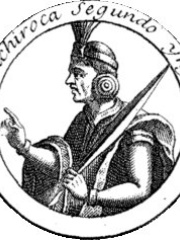
Sinchi Roca
RELIGIOUS FIGURE
1230 - 1260
HPI: 66.23
排名: 3

Vitello
MATHEMATICIAN
1230 - 1275
HPI: 65.35
排名: 4
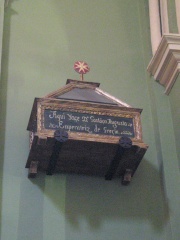
Anna of Hohenstaufen
POLITICIAN
1230 - 1307
HPI: 64.12
排名: 5

Guido of Siena
PAINTER
1230 - 1290
HPI: 64.00
排名: 6
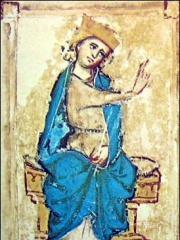
Margaret Sambiria
POLITICIAN
1230 - 1282
HPI: 63.97
排名: 7
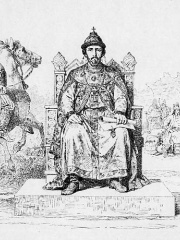
Yaroslav of Tver
NOBLEMAN
1230 - 1272
HPI: 63.74
排名: 8
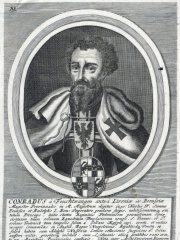
Konrad von Feuchtwangen
POLITICIAN
1230 - 1296
HPI: 63.17
排名: 9
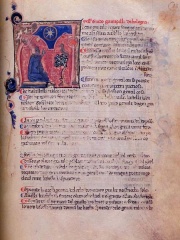
Guido Guinizelli
WRITER
1230 - 1276
HPI: 62.14
排名: 10

Athanasius I of Constantinople
RELIGIOUS FIGURE
1230 - 1310
HPI: 61.49
排名: 11

Guiraut Riquier
WRITER
1230 - 1292
HPI: 60.76
排名: 12
其他1270年去世的人
查看全部排名
Nachmanides
PHILOSOPHER
1194 - 1270
HPI: 69.54
排名: 3
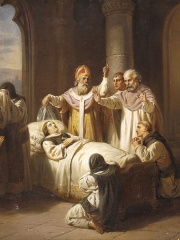
Margaret of Hungary
RELIGIOUS FIGURE
1242 - 1270
HPI: 68.48
排名: 4
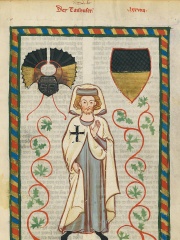
Tannhäuser
WRITER
1205 - 1270
HPI: 67.38
排名: 5
Maria Laskarina
COMPANION
1206 - 1270
HPI: 67.32
排名: 6
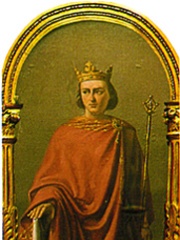
Theobald II of Navarre
POLITICIAN
1239 - 1270
HPI: 67.02
排名: 7
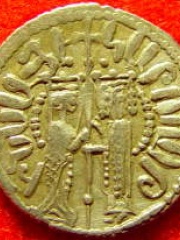
Hethum I, King of Armenia
POLITICIAN
1215 - 1270
HPI: 66.98
排名: 8
Shvarn
POLITICIAN
1230 - 1270
HPI: 66.56
排名: 9
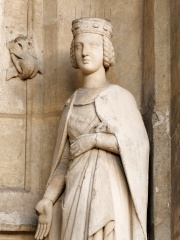
Isabelle of France
POLITICIAN
1225 - 1270
HPI: 64.85
排名: 10
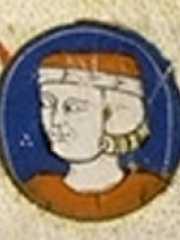
John Tristan, Count of Valois
POLITICIAN
1250 - 1270
HPI: 64.09
排名: 11
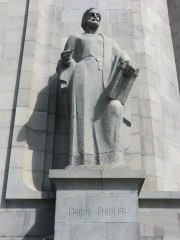
Toros Roslin
PAINTER
1210 - 1270
HPI: 62.22
排名: 12
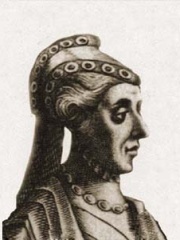
Mécia Lopes de Haro
COMPANION
1215 - 1270
HPI: 61.55
排名: 13
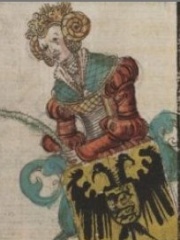
Margaret of Sicily
NOBLEMAN
1237 - 1270
HPI: 61.11
排名: 14
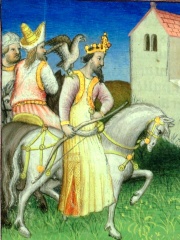
David VII of Georgia
POLITICIAN
1215 - 1270
HPI: 61.10
排名: 15
在乌克兰
在出生于乌克兰的人中,Shvarn排名第165位(共NaN人)。 排在他之前的有:Arkhip Kuindzhi (1842), Valentin Glushko (1908), Henryk Siemiradzki (1843), Hayim Nahman Bialik (1873), Stanisław Jerzy Lec (1909), 和Ivan Kotliarevsky (1769). 排在他之后的有:Ida Rubinstein (1883), Ivan Sirko (1610), Alexander Pechersky (1909), Sviatoslav II of Kiev (1027), Georgy Pyatakov (1890), 和Moshé Feldenkrais (1904).
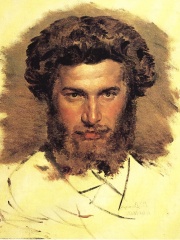
Arkhip Kuindzhi
PAINTER
1842 - 1910
HPI: 66.80
排名: 159
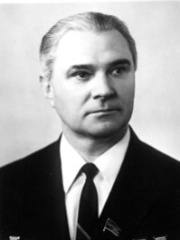
Valentin Glushko
ENGINEER
1908 - 1989
HPI: 66.79
排名: 160
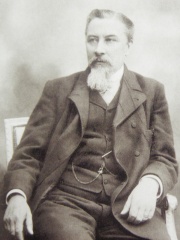
Henryk Siemiradzki
PAINTER
1843 - 1902
HPI: 66.69
排名: 161
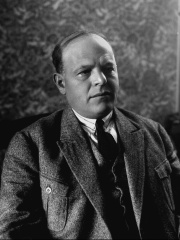
Hayim Nahman Bialik
WRITER
1873 - 1934
HPI: 66.68
排名: 162
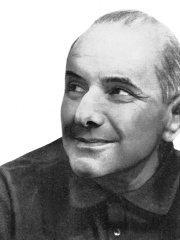
Stanisław Jerzy Lec
WRITER
1909 - 1966
HPI: 66.66
排名: 163
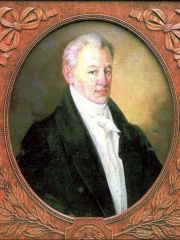
Ivan Kotliarevsky
WRITER
1769 - 1838
HPI: 66.60
排名: 164
Shvarn
POLITICIAN
1230 - 1270
HPI: 66.56
排名: 165

Ida Rubinstein
ACTOR
1883 - 1960
HPI: 66.55
排名: 166
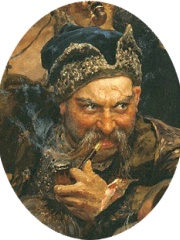
Ivan Sirko
POLITICIAN
1610 - 1680
HPI: 66.51
排名: 167
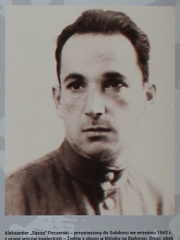
Alexander Pechersky
SOCIAL ACTIVIST
1909 - 1990
HPI: 66.48
排名: 168
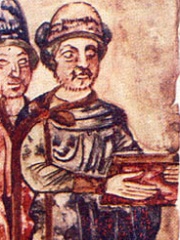
Sviatoslav II of Kiev
POLITICIAN
1027 - 1077
HPI: 66.40
排名: 169
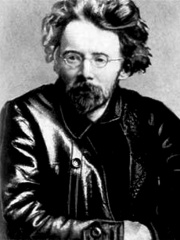
Georgy Pyatakov
POLITICIAN
1890 - 1937
HPI: 66.39
排名: 170
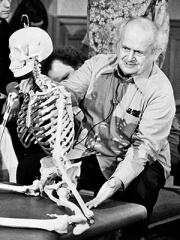
Moshé Feldenkrais
PHYSICIST
1904 - 1984
HPI: 66.35
排名: 171
在乌克兰的政治家中
在出生于乌克兰的政治家中,Shvarn排名第52位。 排在他之前的有:Pacatianus (200), Ephraim Katzir (1916), Stanisław Żółkiewski (1547), Vsevolod I of Kiev (1030), Leo Kanner (1894), 和Eupraxia of Kiev (1071). 排在他之后的有:Ivan Sirko (1610), Sviatoslav II of Kiev (1027), Georgy Pyatakov (1890), Valentina Matviyenko (1949), Batbayan (700), 和Jeremi Wiśniowiecki (1612).
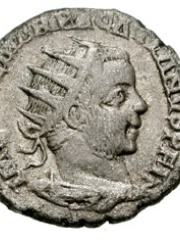
Pacatianus
200 - 248
HPI: 67.83
排名: 46
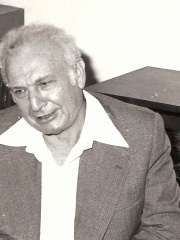
Ephraim Katzir
1916 - 2009
HPI: 67.56
排名: 47
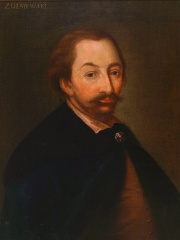
Stanisław Żółkiewski
1547 - 1620
HPI: 67.13
排名: 48
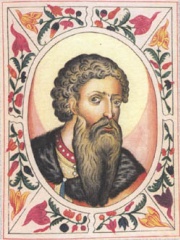
Vsevolod I of Kiev
1030 - 1093
HPI: 67.08
排名: 49
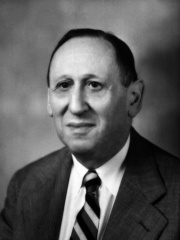
Leo Kanner
1894 - 1981
HPI: 66.98
排名: 50

Eupraxia of Kiev
1071 - 1109
HPI: 66.82
排名: 51
Shvarn
1230 - 1270
HPI: 66.56
排名: 52
Ivan Sirko
1610 - 1680
HPI: 66.51
排名: 53
Sviatoslav II of Kiev
1027 - 1077
HPI: 66.40
排名: 54
Georgy Pyatakov
1890 - 1937
HPI: 66.39
排名: 55
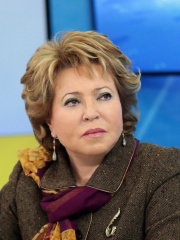
Valentina Matviyenko
1949 - 至今
HPI: 66.01
排名: 56

Batbayan
700 - 690
HPI: 65.82
排名: 57
Jeremi Wiśniowiecki
1612 - 1651
HPI: 65.66
排名: 58




