Politiker
Treniota
1210 - 1264
DE.WIKIPEDIA PAGE VIEWS (PV)
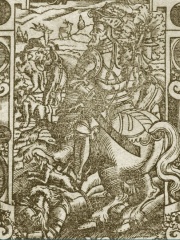
 Treniota
Seine Biografie ist in 27 verschiedenen Sprachen auf Wikipedia verfügbar. Treniota ist der 5,023rd beliebteste Politiker (gesunken vom 4,500th im Jahr 2024), die 37th beliebteste Biografie aus Litauen und der 18th beliebteste aus Litauen Politiker.
Memorability Metrics
32k
Page Views
Past 12 months
66.54
HPI
Historical Popularity Index
Page views of Treniota by language
Among Politikers
Among politikers, Treniota ranks 5,021 out of 19,576. Before him are Faustin-Archange Touadéra, Princess Friederike of Brandenburg-Schwedt, Piali Pasha, Rexhep Meidani, Prince Ferdinand of Saxe-Coburg and Gotha, and Wazir Akbar Khan. After him are Emperor Ku, John Russell, 1st Earl Russell, Margaret of York, Kim Jae-ryong, Gnaeus Cornelius Scipio Calvus, and Az-Zahir.
Most Popular Politikers in Wikipedia
Go to all Rankings
Faustin-Archange Touadéra
1957 - Present
HPI: 66.54
Rank: 5,017
Princess Friederike of Brandenburg-Schwedt
1736 - 1798
HPI: 66.54
Rank: 5,018
Piali Pasha
1515 - 1578
HPI: 66.54
Rank: 5,019
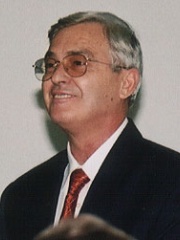
Rexhep Meidani
1944 - Present
HPI: 66.54
Rank: 5,020
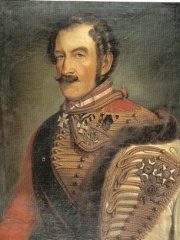
Prince Ferdinand of Saxe-Coburg and Gotha
1785 - 1851
HPI: 66.54
Rank: 5,021
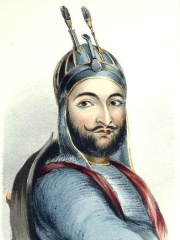
Wazir Akbar Khan
1816 - 1845
HPI: 66.54
Rank: 5,022
Treniota
1210 - 1264
HPI: 66.54
Rank: 5,023
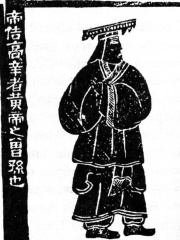
Emperor Ku
HPI: 66.54
Rank: 5,024
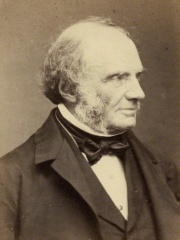
John Russell, 1st Earl Russell
1792 - 1878
HPI: 66.54
Rank: 5,025
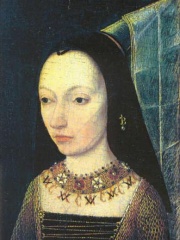
Margaret of York
1446 - 1503
HPI: 66.53
Rank: 5,026
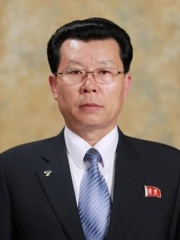
Kim Jae-ryong
1939 - Present
HPI: 66.53
Rank: 5,027

Gnaeus Cornelius Scipio Calvus
265 BC - 211 BC
HPI: 66.53
Rank: 5,028
Az-Zahir
1176 - 1226
HPI: 66.53
Rank: 5,029

Contemporaries
Among people born in 1210, Treniota ranks 6. Before him are Pope Gregory X, Pope Honorius IV, Saadi Shirazi, Afonso III of Portugal, and Birger Jarl. After him are Floris IV, Count of Holland, Chaka of Bulgaria, Guan Hanqing, Toros Roslin, Campanus of Novara, and Giacomo da Lentini. Among people deceased in 1264, Treniota ranks 4. Before him are Pope Urban IV, Daniel of Galicia, and Vincent of Beauvais. After him are Emperor Lizong, Rostislav Mikhailovich, Andrey II of Vladimir, Athir al-Din al-Abhari, and Gonzalo de Berceo.
Others Born in 1210
Go to all Rankings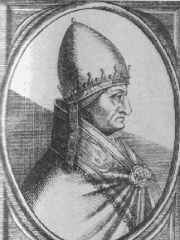
Pope Gregory X
RELIGIOUS FIGURE
1210 - 1276
HPI: 80.54
Rank: 1
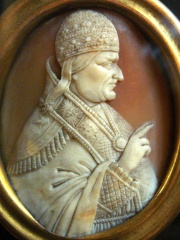
Pope Honorius IV
RELIGIOUS FIGURE
1210 - 1287
HPI: 78.74
Rank: 2
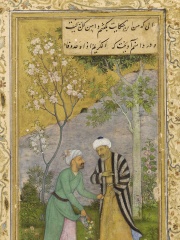
Saadi Shirazi
WRITER
1210 - 1291
HPI: 75.10
Rank: 3
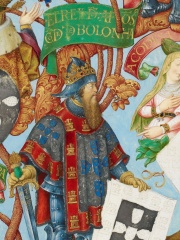
Afonso III of Portugal
POLITICIAN
1210 - 1279
HPI: 73.69
Rank: 4
Birger Jarl
POLITICIAN
1210 - 1266
HPI: 71.37
Rank: 5
Treniota
POLITICIAN
1210 - 1264
HPI: 66.54
Rank: 6
Floris IV, Count of Holland
POLITICIAN
1210 - 1234
HPI: 63.72
Rank: 7
Chaka of Bulgaria
POLITICIAN
1210 - 1300
HPI: 63.40
Rank: 8
Guan Hanqing
WRITER
1210 - 1280
HPI: 62.86
Rank: 9
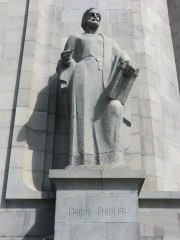
Toros Roslin
PAINTER
1210 - 1270
HPI: 62.22
Rank: 10
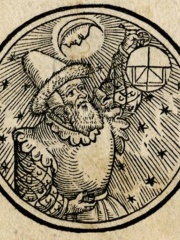
Campanus of Novara
MATHEMATICIAN
1210 - 1296
HPI: 61.13
Rank: 11
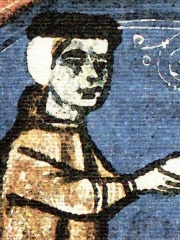
Giacomo da Lentini
WRITER
1210 - 1260
HPI: 60.97
Rank: 12
Others Deceased in 1264
Go to all Rankings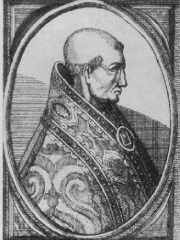
Pope Urban IV
RELIGIOUS FIGURE
1185 - 1264
HPI: 79.90
Rank: 1
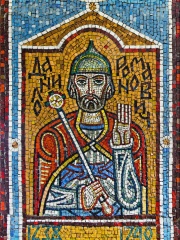
Daniel of Galicia
POLITICIAN
1201 - 1264
HPI: 70.62
Rank: 2
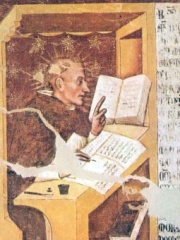
Vincent of Beauvais
PHILOSOPHER
1190 - 1264
HPI: 67.14
Rank: 3
Treniota
POLITICIAN
1210 - 1264
HPI: 66.54
Rank: 4
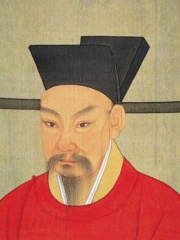
Emperor Lizong
POLITICIAN
1205 - 1264
HPI: 64.92
Rank: 5
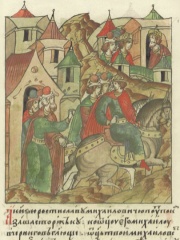
Rostislav Mikhailovich
POLITICIAN
1227 - 1264
HPI: 63.12
Rank: 6
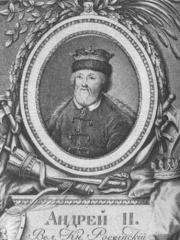
Andrey II of Vladimir
POLITICIAN
1222 - 1264
HPI: 62.07
Rank: 7

Athir al-Din al-Abhari
MATHEMATICIAN
1200 - 1264
HPI: 59.66
Rank: 8
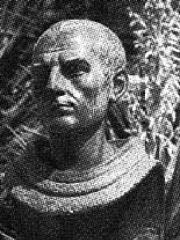
Gonzalo de Berceo
WRITER
1197 - 1264
HPI: 58.78
Rank: 9
In Litauen
Among people born in Litauen, Treniota ranks 37 out of NaN. Before him are Gabriel Narutowicz (1865), Gitanas Nausėda (1964), Andrew Schally (1926), Wanda Rutkiewicz (1943), Sigismund Kęstutaitis (1365), and Boris Skossyreff (1896). After him are Andrius Kubilius (1956), Skirgaila (1354), Moshe Arens (1925), Isaac Levitan (1860), Alexander Berkman (1870), and Birutė (1317).
Others born in Litauen
Go to all Rankings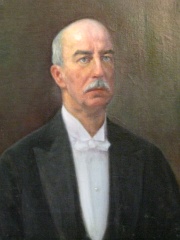
Gabriel Narutowicz
POLITICIAN
1865 - 1922
HPI: 67.82
Rank: 31
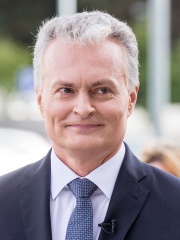
Gitanas Nausėda
POLITICIAN
1964 - Present
HPI: 67.75
Rank: 32
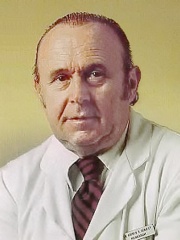
Andrew Schally
PHYSICIAN
1926 - 2024
HPI: 67.71
Rank: 33
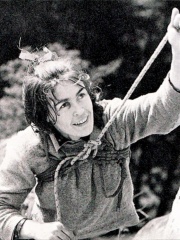
Wanda Rutkiewicz
MOUNTAINEER
1943 - 1992
HPI: 67.19
Rank: 34
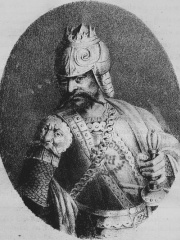
Sigismund Kęstutaitis
POLITICIAN
1365 - 1440
HPI: 67.17
Rank: 35
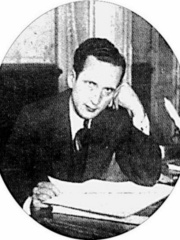
Boris Skossyreff
POLITICIAN
1896 - 1989
HPI: 66.57
Rank: 36
Treniota
POLITICIAN
1210 - 1264
HPI: 66.54
Rank: 37
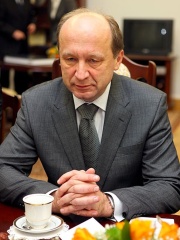
Andrius Kubilius
POLITICIAN
1956 - Present
HPI: 66.31
Rank: 38
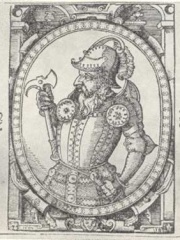
Skirgaila
POLITICIAN
1354 - 1397
HPI: 66.24
Rank: 39
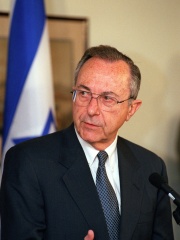
Moshe Arens
ENGINEER
1925 - 2019
HPI: 65.93
Rank: 40
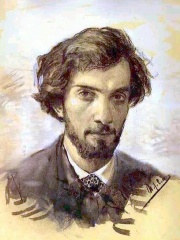
Isaac Levitan
PAINTER
1860 - 1900
HPI: 65.82
Rank: 41
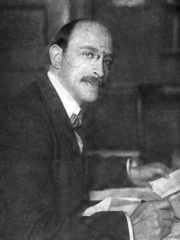
Alexander Berkman
JOURNALIST
1870 - 1936
HPI: 65.49
Rank: 42
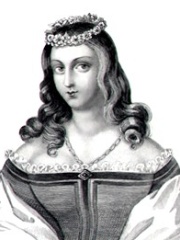
Birutė
POLITICIAN
1317 - 1382
HPI: 65.23
Rank: 43
Among Politikers In Litauen
Among politikers born in Litauen, Treniota ranks 18. Before him are Vytautas Landsbergis (1932), Hacı I Giray (1397), Gabriel Narutowicz (1865), Gitanas Nausėda (1964), Sigismund Kęstutaitis (1365), and Boris Skossyreff (1896). After him are Andrius Kubilius (1956), Skirgaila (1354), Birutė (1317), Leo Jogiches (1867), Augustinas Voldemaras (1883), and Gediminas Kirkilas (1951).
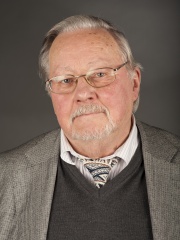
Vytautas Landsbergis
1932 - Present
HPI: 69.72
Rank: 12
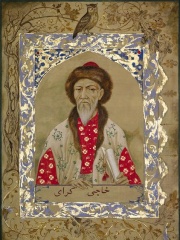
Hacı I Giray
1397 - 1466
HPI: 69.26
Rank: 13
Gabriel Narutowicz
1865 - 1922
HPI: 67.82
Rank: 14
Gitanas Nausėda
1964 - Present
HPI: 67.75
Rank: 15
Sigismund Kęstutaitis
1365 - 1440
HPI: 67.17
Rank: 16
Boris Skossyreff
1896 - 1989
HPI: 66.57
Rank: 17
Treniota
1210 - 1264
HPI: 66.54
Rank: 18
Andrius Kubilius
1956 - Present
HPI: 66.31
Rank: 19
Skirgaila
1354 - 1397
HPI: 66.24
Rank: 20
Birutė
1317 - 1382
HPI: 65.23
Rank: 21
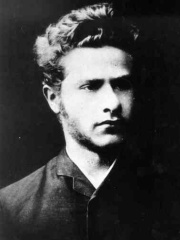
Leo Jogiches
1867 - 1919
HPI: 64.73
Rank: 22
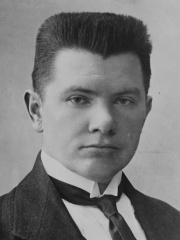
Augustinas Voldemaras
1883 - 1942
HPI: 64.14
Rank: 23
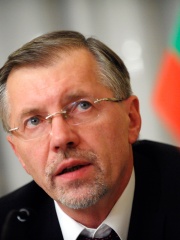
Gediminas Kirkilas
1951 - 2024
HPI: 64.12
Rank: 24




