Politicus
Tervel of Bulgaria
675 - 721
NL.WIKIPEDIA-PAGINAWEERGAVEN (PV)
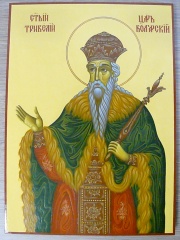
 Tervel of Bulgaria
Zijn biografie is beschikbaar in 36 verschillende talen op Wikipedia (toegenomen van 35 in 2024). Tervel of Bulgaria staat op plaats 5.002 onder de meest populaire politicus (gestegen van plaats 5.239 in 2024), plaats 481 onder de meest populaire biografieën uit Turkije (gestegen van plaats 498 in 2019) en op plaats 249 onder de populairste politicus uit Turkije.
Bekendheidsstatistieken
230k
Paginaweergaven
Afgelopen 12 maanden
66.56
HPI
Historische populariteitsindex
Data-inzichten
36
De biografie van Tervel of Bulgaria beslaat 36 taalversies van Wikipedia en behaalt een Historische Populariteitsindex van 66.56.
Paginaweergaven van Tervel of Bulgaria per taal
Onder Politicus
Onder Politicus staat Tervel of Bulgaria op plaats 5,000 van 20,022. Vóór hem staan Ram Chandra Poudel, Pierre Mauroy, Erwin Piscator, Chandragupta II, Horia Sima, en Sweyn Haakonsson. Na hem komen René Préval, Ivo Josipović, Mesud I, Eumenes I, Traidenis, en Shvarn.
Populairste Politicus op Wikipedia
Naar alle ranglijsten
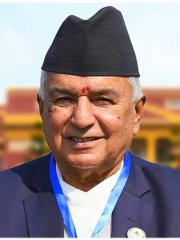
Ram Chandra Poudel
1944 - heden
HPI: 66.56
Plaats: 4,996
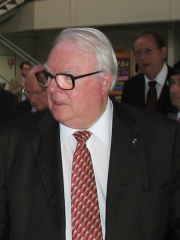
Pierre Mauroy
1928 - 2013
HPI: 66.56
Plaats: 4,997
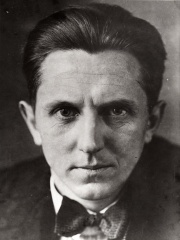
Erwin Piscator
1893 - 1966
HPI: 66.56
Plaats: 4,998
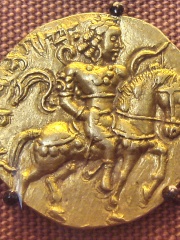
Chandragupta II
400 - 500
HPI: 66.56
Plaats: 4,999
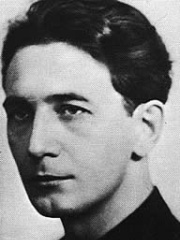
Horia Sima
1907 - 1993
HPI: 66.56
Plaats: 5,000

Sweyn Haakonsson
1000 - 1016
HPI: 66.56
Plaats: 5,001
Tervel of Bulgaria
675 - 721
HPI: 66.56
Plaats: 5,002
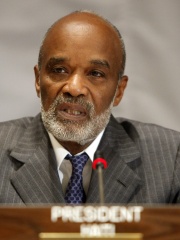
René Préval
1943 - 2017
HPI: 66.56
Plaats: 5,003
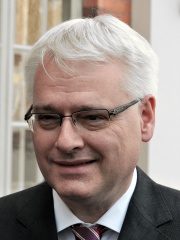
Ivo Josipović
1957 - heden
HPI: 66.56
Plaats: 5,004
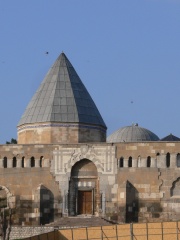
Mesud I
1095 - 1156
HPI: 66.56
Plaats: 5,005
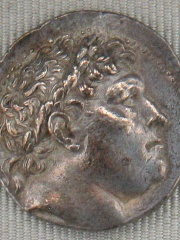
Eumenes I
250 v.Chr. - 241 v.Chr.
HPI: 66.56
Plaats: 5,006
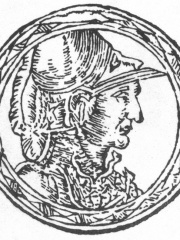
Traidenis
1220 - 1282
HPI: 66.56
Plaats: 5,007
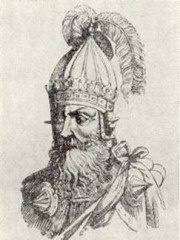
Shvarn
1230 - 1270
HPI: 66.56
Plaats: 5,008

Tijdgenoten
Onder de mensen geboren in 675 staat Tervel of Bulgaria op plaats 2. Vóór hem staat Leo III the Isaurian. Na hem komt Cosmas of Maiuma. Onder de mensen overleden in 721 staat Tervel of Bulgaria op plaats 3. Vóór hem staan Chilperic II, en Empress Genmei. Na hem komen Ardo, en Al-Samh ibn Malik al-Khawlani.
Anderen geboren in 675
Naar alle ranglijsten
Leo III the Isaurian
POLITICIAN
675 - 741
HPI: 77.19
Plaats: 1
Tervel of Bulgaria
POLITICIAN
675 - 721
HPI: 66.56
Plaats: 2
Cosmas of Maiuma
RELIGIOUS FIGURE
675 - 760
HPI: 59.94
Plaats: 3
Anderen overleden in 721
Naar alle ranglijsten
Chilperic II
POLITICIAN
670 - 721
HPI: 71.13
Plaats: 1
Empress Genmei
POLITICIAN
660 - 721
HPI: 68.02
Plaats: 2
Tervel of Bulgaria
POLITICIAN
675 - 721
HPI: 66.56
Plaats: 3

Ardo
POLITICIAN
700 - 721
HPI: 63.31
Plaats: 4

Al-Samh ibn Malik al-Khawlani
POLITICIAN
700 - 721
HPI: 61.53
Plaats: 5
In Turkije
Onder de mensen geboren in Turkije staat Tervel of Bulgaria op plaats 481 van 1,732. Vóór hem staan Euthymius the Great (377), Latife Uşşaki (1898), Eunapius (349), Bohemond III of Antioch (1144), John Tzetzes (1110), en Sophia (530). Na hem komen Eumenes I (-250), Ayşe Sultan (1605), Tchéky Karyo (1953), Artemisia II of Caria (null), Stephanus of Byzantium (501), en Alcman (-611).
Anderen geboren in Turkije
Naar alle ranglijsten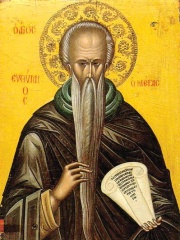
Euthymius the Great
RELIGIOUS FIGURE
377 - 473
HPI: 66.66
Plaats: 475
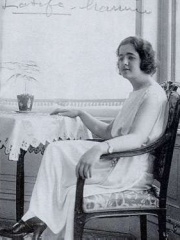
Latife Uşşaki
POLITICIAN
1898 - 1975
HPI: 66.64
Plaats: 476

Eunapius
HISTORIAN
349 - 420
HPI: 66.64
Plaats: 477

Bohemond III of Antioch
POLITICIAN
1144 - 1201
HPI: 66.64
Plaats: 478
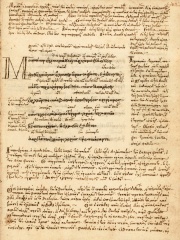
John Tzetzes
WRITER
1110 - 1180
HPI: 66.58
Plaats: 479
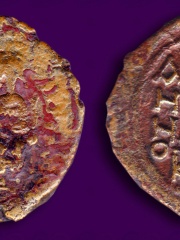
Sophia
POLITICIAN
530 - 600
HPI: 66.57
Plaats: 480
Tervel of Bulgaria
POLITICIAN
675 - 721
HPI: 66.56
Plaats: 481
Eumenes I
POLITICIAN
250 v.Chr. - 241 v.Chr.
HPI: 66.56
Plaats: 482
Ayşe Sultan
POLITICIAN
1605 - 1660
HPI: 66.56
Plaats: 483
Tchéky Karyo
ACTOR
1953 - 2025
HPI: 66.54
Plaats: 484
Artemisia II of Caria
POLITICIAN
HPI: 66.47
Plaats: 485

Stephanus of Byzantium
POLITICIAN
501 - 600
HPI: 66.46
Plaats: 486
Alcman
WRITER
611 v.Chr. - 601 v.Chr.
HPI: 66.44
Plaats: 487
Onder Politicus in Turkije
Onder Politicus geboren in Turkije staat Tervel of Bulgaria op plaats 249. Vóór hem staan Artaphernes (-600), Astyanax (null), Emine Erdoğan (1955), Latife Uşşaki (1898), Bohemond III of Antioch (1144), en Sophia (530). Na hem komen Eumenes I (-250), Ayşe Sultan (1605), Artemisia II of Caria (null), Stephanus of Byzantium (501), Dürrüşehvar Sultan (1914), en George Akropolites (1217).
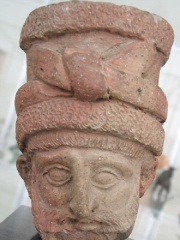
Artaphernes
600 v.Chr. - 493 v.Chr.
HPI: 66.84
Plaats: 243
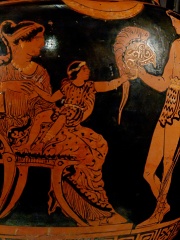
Astyanax
HPI: 66.70
Plaats: 244
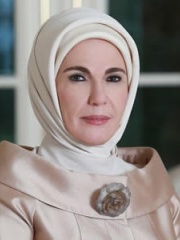
Emine Erdoğan
1955 - heden
HPI: 66.70
Plaats: 245
Latife Uşşaki
1898 - 1975
HPI: 66.64
Plaats: 246
Bohemond III of Antioch
1144 - 1201
HPI: 66.64
Plaats: 247
Sophia
530 - 600
HPI: 66.57
Plaats: 248
Tervel of Bulgaria
675 - 721
HPI: 66.56
Plaats: 249
Eumenes I
250 v.Chr. - 241 v.Chr.
HPI: 66.56
Plaats: 250
Ayşe Sultan
1605 - 1660
HPI: 66.56
Plaats: 251
Artemisia II of Caria
HPI: 66.47
Plaats: 252
Stephanus of Byzantium
501 - 600
HPI: 66.46
Plaats: 253

Dürrüşehvar Sultan
1914 - 2006
HPI: 66.39
Plaats: 254

George Akropolites
1217 - 1282
HPI: 66.39
Plaats: 255




