军人
Roger de Flor
1267 - 1305
 Roger de Flor
知名度指标
79k
页面浏览量
过去12个月
69.59
HPI
历史知名度指数
数据洞察
#9,598
逝世 7 个多世纪后,Roger de Flor在 Pantheon 全部人物中仍排名第 9,598。
30
Roger de Flor的传记出现在 30 个维基百科语言版本中——超过 79% 的军人。
1月1日
Roger de Flor与Mary, mother of Jesus、Saint Peter和Laozi同一天生日(1月1日)。
Roger de Flor的各语言页面浏览量
在军人中
在军人中,Roger de Flor排名第320位(共2,058人)。 排在他之前的有:Rochus Misch, Philippe Leclerc de Hauteclocque, Vasily Blyukher, Henry Clinton, Zhang Liao, 和Alexander Löhr. 排在他之后的有:Ivan Paskevich, François Christophe de Kellermann, Polyperchon, Xiahou Dun, Karl Philipp, Prince of Schwarzenberg, 和Timothy Laurence.
维基百科上最受欢迎的军人
查看全部排名
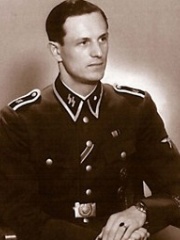
Rochus Misch
1917 - 2013
HPI: 69.78
排名: 314
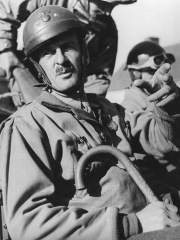
Philippe Leclerc de Hauteclocque
1902 - 1947
HPI: 69.69
排名: 315
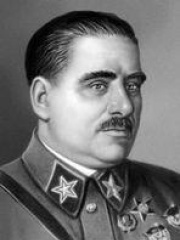
Vasily Blyukher
1889 - 1938
HPI: 69.69
排名: 316
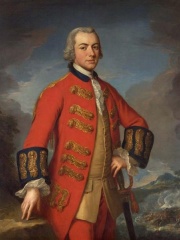
Henry Clinton
1730 - 1795
HPI: 69.68
排名: 317
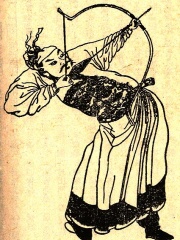
Zhang Liao
169 - 222
HPI: 69.67
排名: 318
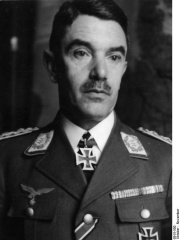
Alexander Löhr
1885 - 1947
HPI: 69.66
排名: 319
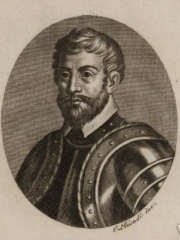
Roger de Flor
1267 - 1305
HPI: 69.59
排名: 320
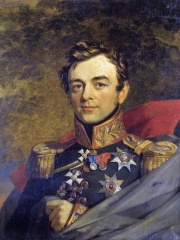
Ivan Paskevich
1782 - 1856
HPI: 69.59
排名: 321
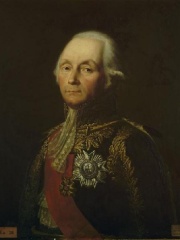
François Christophe de Kellermann
1735 - 1820
HPI: 69.58
排名: 322

Polyperchon
394 BC - 303 BC
HPI: 69.57
排名: 323
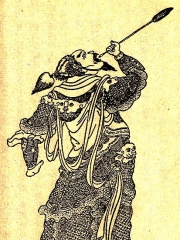
Xiahou Dun
155 - 220
HPI: 69.55
排名: 324
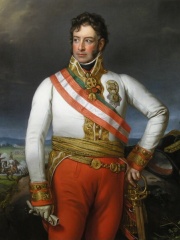
Karl Philipp, Prince of Schwarzenberg
1771 - 1820
HPI: 69.54
排名: 325

Timothy Laurence
1955 - 至今
HPI: 69.52
排名: 326

同时代人物
在1267年出生的人中,Roger de Flor排名第3位。 排在他之前的有:Giotto, 和James II of Aragon. 排在他之后的有:Rainier I of Monaco, Lord of Cagnes, Emperor Go-Uda, 和Henry I, Duke of Brunswick-Grubenhagen. 在1305年去世的人中,Roger de Flor排名第5位。 排在他之前的有:William Wallace, John IV Laskaris, Wenceslaus II of Bohemia, 和Joan I of Navarre. 排在他之后的有:Guy, Count of Flanders, Emperor Kameyama, Nicholas of Tolentino, Roger of Lauria, Jean de Meun, Maximus Planudes, 和Moses de León.
其他1267年出生的人
查看全部排名
Giotto
PAINTER
1267 - 1337
HPI: 85.03
排名: 1
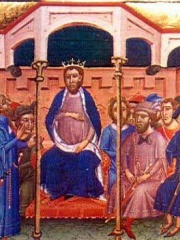
James II of Aragon
POLITICIAN
1267 - 1327
HPI: 72.09
排名: 2
Roger de Flor
MILITARY PERSONNEL
1267 - 1305
HPI: 69.59
排名: 3
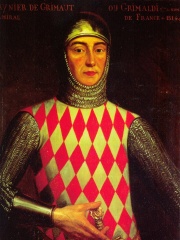
Rainier I of Monaco, Lord of Cagnes
POLITICIAN
1267 - 1314
HPI: 67.32
排名: 4
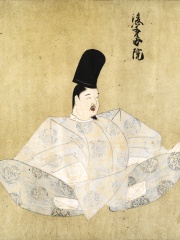
Emperor Go-Uda
POLITICIAN
1267 - 1324
HPI: 66.53
排名: 5

Henry I, Duke of Brunswick-Grubenhagen
NOBLEMAN
1267 - 1322
HPI: 61.56
排名: 6
其他1305年去世的人
查看全部排名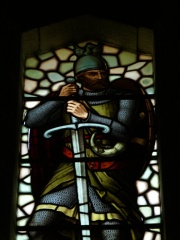
William Wallace
MILITARY PERSONNEL
1270 - 1305
HPI: 80.95
排名: 1
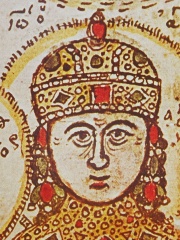
John IV Laskaris
POLITICIAN
1250 - 1305
HPI: 77.16
排名: 2
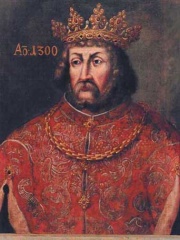
Wenceslaus II of Bohemia
POLITICIAN
1271 - 1305
HPI: 73.77
排名: 3
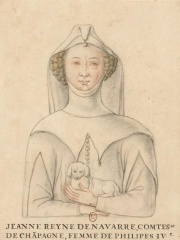
Joan I of Navarre
POLITICIAN
1273 - 1305
HPI: 73.50
排名: 4
Roger de Flor
MILITARY PERSONNEL
1267 - 1305
HPI: 69.59
排名: 5
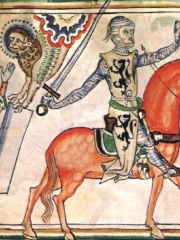
Guy, Count of Flanders
POLITICIAN
1226 - 1305
HPI: 67.88
排名: 6
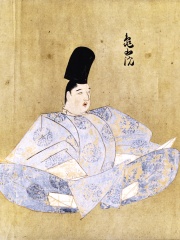
Emperor Kameyama
POLITICIAN
1249 - 1305
HPI: 65.98
排名: 7
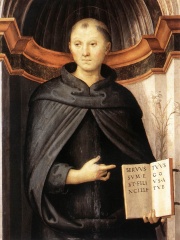
Nicholas of Tolentino
RELIGIOUS FIGURE
1245 - 1305
HPI: 65.58
排名: 8
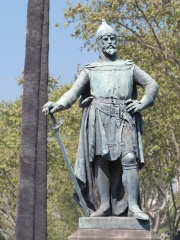
Roger of Lauria
MILITARY PERSONNEL
1245 - 1305
HPI: 65.11
排名: 9
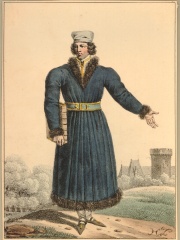
Jean de Meun
WRITER
1240 - 1305
HPI: 64.93
排名: 10
Maximus Planudes
PHILOSOPHER
1260 - 1305
HPI: 64.31
排名: 11
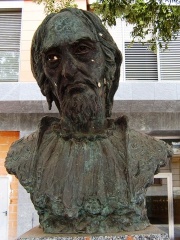
Moses de León
POLITICIAN
1250 - 1305
HPI: 63.43
排名: 12
在意大利
在出生于意大利的人中,Roger de Flor排名第985位(共5,161人)。 排在他之前的有:Faustina the Elder (105), Gnaeus Naevius (-275), Giovanni Angelo Becciu (1948), Maurice Garin (1871), Antipope Paschal III (1110), 和Robert I, Duke of Parma (1848). 排在他之后的有:Ludovico Carracci (1555), Francesco II Sforza (1495), Giuseppe Tornatore (1956), Antonio Conte (1969), Vonones I (-100), 和Trota of Salerno (1001).
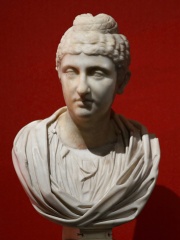
Faustina the Elder
COMPANION
105 - 140
HPI: 69.67
排名: 979
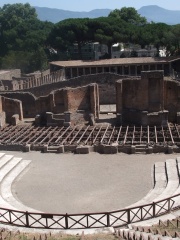
Gnaeus Naevius
WRITER
275 BC - 201 BC
HPI: 69.65
排名: 980
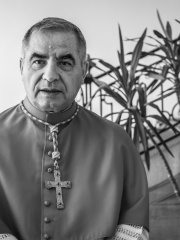
Giovanni Angelo Becciu
RELIGIOUS FIGURE
1948 - 至今
HPI: 69.64
排名: 981
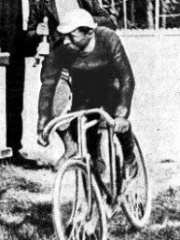
Maurice Garin
CYCLIST
1871 - 1957
HPI: 69.62
排名: 982
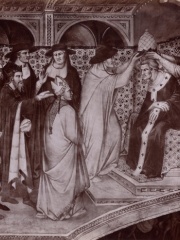
Antipope Paschal III
RELIGIOUS FIGURE
1110 - 1168
HPI: 69.59
排名: 983
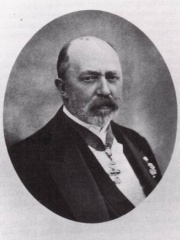
Robert I, Duke of Parma
POLITICIAN
1848 - 1907
HPI: 69.59
排名: 984
Roger de Flor
MILITARY PERSONNEL
1267 - 1305
HPI: 69.59
排名: 985
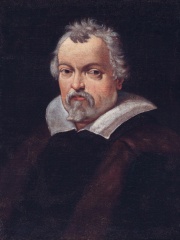
Ludovico Carracci
PAINTER
1555 - 1619
HPI: 69.58
排名: 986
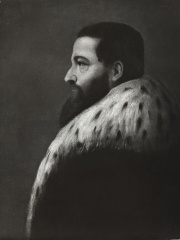
Francesco II Sforza
POLITICIAN
1495 - 1535
HPI: 69.56
排名: 987
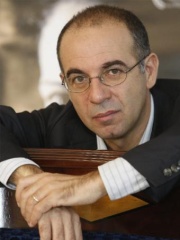
Giuseppe Tornatore
FILM DIRECTOR
1956 - 至今
HPI: 69.56
排名: 988

Antonio Conte
SOCCER PLAYER
1969 - 至今
HPI: 69.55
排名: 989
Vonones I
POLITICIAN
100 BC - 19
HPI: 69.55
排名: 990
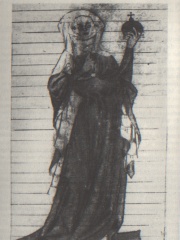
Trota of Salerno
PHYSICIAN
1001 - 1200
HPI: 69.54
排名: 991
在意大利的军人中
在出生于意大利的军人中,Roger de Flor排名第15位。 排在他之前的有:Lucius Aemilius Paullus Macedonicus (-229), Federico da Montefeltro (1422), Sejanus (-20), Raimondo Montecuccoli (1609), Italo Gariboldi (1879), 和Titus Labienus (-100). 排在他之后的有:Italo Balbo (1896), Luigi Cadorna (1850), Eduard von Böhm-Ermolli (1856), Gaius Claudius Glaber (-200), Erasmo of Narni (1370), 和Giovanni Messe (1883).
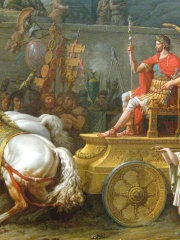
Lucius Aemilius Paullus Macedonicus
229 BC - 160 BC
HPI: 71.51
排名: 9
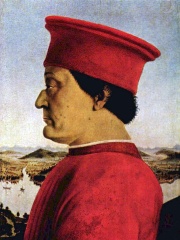
Federico da Montefeltro
1422 - 1482
HPI: 70.86
排名: 10
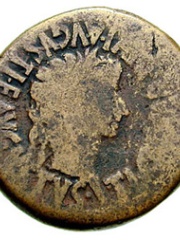
Sejanus
20 BC - 31
HPI: 70.69
排名: 11
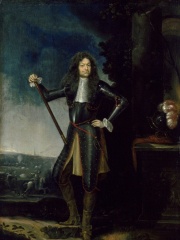
Raimondo Montecuccoli
1609 - 1680
HPI: 70.27
排名: 12
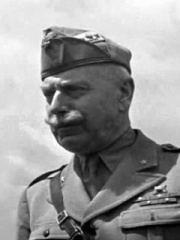
Italo Gariboldi
1879 - 1970
HPI: 70.21
排名: 13

Titus Labienus
100 BC - 45 BC
HPI: 70.16
排名: 14
Roger de Flor
1267 - 1305
HPI: 69.59
排名: 15
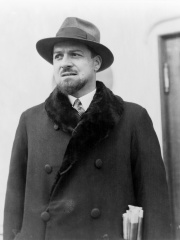
Italo Balbo
1896 - 1940
HPI: 69.23
排名: 16
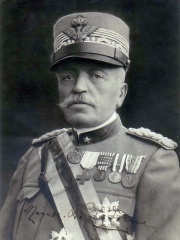
Luigi Cadorna
1850 - 1928
HPI: 69.09
排名: 17
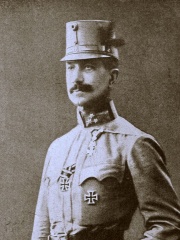
Eduard von Böhm-Ermolli
1856 - 1941
HPI: 69.02
排名: 18

Gaius Claudius Glaber
200 BC - 100 BC
HPI: 67.91
排名: 19
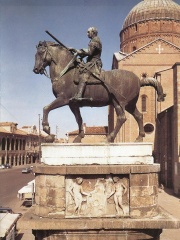
Erasmo of Narni
1370 - 1443
HPI: 67.91
排名: 20
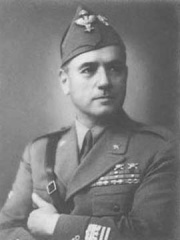
Giovanni Messe
1883 - 1968
HPI: 67.60
排名: 21




