宗教人物
Richard of Chichester
1197 - 1253
 Richard of Chichester
知名度指标
36k
页面浏览量
过去12个月
60.61
HPI
历史知名度指数
数据洞察
#34,500
逝世 7 个多世纪后,Richard of Chichester在 Pantheon 全部人物中仍排名第 34,500。
Richard of Chichester的各语言页面浏览量
在宗教人物中
在宗教人物中,Richard of Chichester排名第2,032位(共3,187人)。 排在他之前的有:Anatolius of Laodicea, Bernward of Hildesheim, Josef Beran, Eugenios Voulgaris, Jeralean Talley, 和Baba Sali. 排在他之后的有:Saint Pothinus, Melchior Grodziecki, Pietro Ottoboni, Photius II of Constantinople, Cassian of Imola, 和Alexandre José Maria dos Santos.
维基百科上最受欢迎的宗教人物
查看全部排名

Anatolius of Laodicea
201 - 283
HPI: 60.64
排名: 2,026

Bernward of Hildesheim
960 - 1022
HPI: 60.63
排名: 2,027
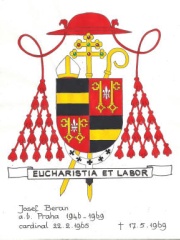
Josef Beran
1888 - 1969
HPI: 60.63
排名: 2,028
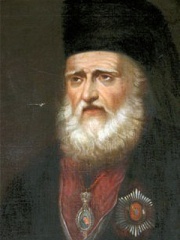
Eugenios Voulgaris
1716 - 1806
HPI: 60.63
排名: 2,029

Jeralean Talley
1899 - 2015
HPI: 60.63
排名: 2,030
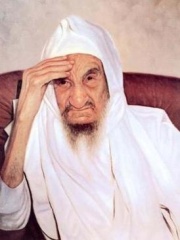
Baba Sali
1889 - 1984
HPI: 60.62
排名: 2,031

Richard of Chichester
1197 - 1253
HPI: 60.61
排名: 2,032
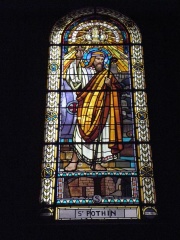
Saint Pothinus
87 - 177
HPI: 60.61
排名: 2,033
Melchior Grodziecki
1584 - 1619
HPI: 60.60
排名: 2,034
Pietro Ottoboni
1667 - 1740
HPI: 60.60
排名: 2,035

Photius II of Constantinople
1874 - 1935
HPI: 60.59
排名: 2,036
Cassian of Imola
240 - 303
HPI: 60.59
排名: 2,037
Alexandre José Maria dos Santos
1924 - 2021
HPI: 60.58
排名: 2,038

同时代人物
在1197年出生的人中,Richard of Chichester排名第11位。 排在他之前的有:Emperor Juntoku, Amadeus IV, Count of Savoy, Yusuf II, Almohad caliph, Mafalda of Portugal, Al-Shadhili, 和Agnes of Assisi. 排在他之后的有:Nikephoros Blemmydes, 和Gonzalo de Berceo. 在1253年去世的人中,Richard of Chichester排名第14位。 排在他之前的有:Robert Grosseteste, Amadeus IV, Count of Savoy, Henry I of Cyprus, Vykintas, Agnes of Assisi, 和Boniface II, Marquis of Montferrat. 排在他之后的有:Marino Morosini.
其他1197年出生的人
查看全部排名
Emperor Juntoku
POLITICIAN
1197 - 1242
HPI: 65.69
排名: 5
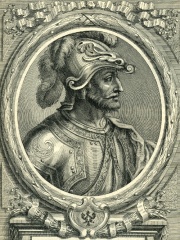
Amadeus IV, Count of Savoy
NOBLEMAN
1197 - 1253
HPI: 65.26
排名: 6

Yusuf II, Almohad caliph
POLITICIAN
1197 - 1224
HPI: 65.15
排名: 7
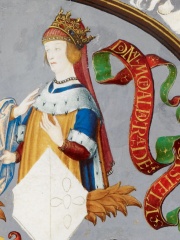
Mafalda of Portugal
COMPANION
1197 - 1256
HPI: 63.44
排名: 8

Al-Shadhili
RELIGIOUS FIGURE
1197 - 1258
HPI: 62.99
排名: 9
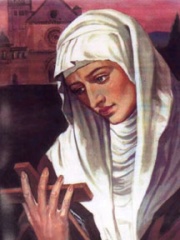
Agnes of Assisi
RELIGIOUS FIGURE
1197 - 1253
HPI: 61.65
排名: 10
Richard of Chichester
RELIGIOUS FIGURE
1197 - 1253
HPI: 60.61
排名: 11

Nikephoros Blemmydes
PHILOSOPHER
1197 - 1269
HPI: 59.24
排名: 12
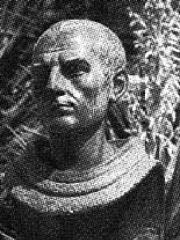
Gonzalo de Berceo
WRITER
1197 - 1264
HPI: 58.78
排名: 13
其他1253年去世的人
查看全部排名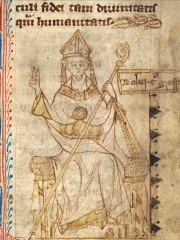
Robert Grosseteste
MATHEMATICIAN
1175 - 1253
HPI: 67.09
排名: 8
Amadeus IV, Count of Savoy
NOBLEMAN
1197 - 1253
HPI: 65.26
排名: 9
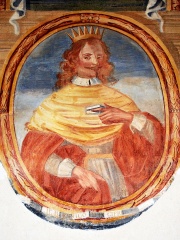
Henry I of Cyprus
POLITICIAN
1217 - 1253
HPI: 64.57
排名: 10

Vykintas
POLITICIAN
1250 - 1253
HPI: 62.51
排名: 11
Agnes of Assisi
RELIGIOUS FIGURE
1197 - 1253
HPI: 61.65
排名: 12

Boniface II, Marquis of Montferrat
POLITICIAN
1202 - 1253
HPI: 61.64
排名: 13
Richard of Chichester
RELIGIOUS FIGURE
1197 - 1253
HPI: 60.61
排名: 14
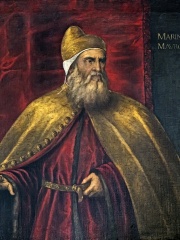
Marino Morosini
POLITICIAN
1181 - 1253
HPI: 58.77
排名: 15
在英国
在出生于英国的人中,Richard of Chichester排名第2,400位(共8,785人)。 排在他之前的有:Catherine Carey (1523), James H. Wilkinson (1919), Vera Brittain (1893), Veronica Cartwright (1949), Dora Carrington (1893), 和Richard Hughes (1900). 排在他之后的有:Thomas Morley (1557), Tony Judt (1948), Stuart Lewis-Evans (1930), Guy Edwards (1942), Konstantinos Paspatis (1878), 和David Tennant (1971).
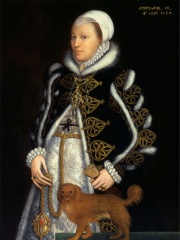
Catherine Carey
POLITICIAN
1523 - 1569
HPI: 60.63
排名: 2,394

James H. Wilkinson
COMPUTER SCIENTIST
1919 - 1986
HPI: 60.63
排名: 2,395

Vera Brittain
WRITER
1893 - 1970
HPI: 60.63
排名: 2,396

Veronica Cartwright
ACTOR
1949 - 至今
HPI: 60.62
排名: 2,397
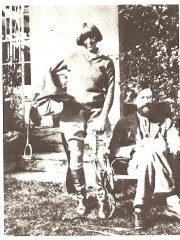
Dora Carrington
PAINTER
1893 - 1932
HPI: 60.62
排名: 2,398

Richard Hughes
WRITER
1900 - 1976
HPI: 60.61
排名: 2,399
Richard of Chichester
RELIGIOUS FIGURE
1197 - 1253
HPI: 60.61
排名: 2,400
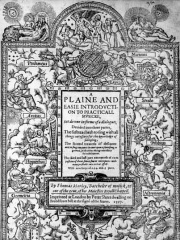
Thomas Morley
COMPOSER
1557 - 1602
HPI: 60.61
排名: 2,401

Tony Judt
HISTORIAN
1948 - 2010
HPI: 60.60
排名: 2,402

Stuart Lewis-Evans
RACING DRIVER
1930 - 1958
HPI: 60.59
排名: 2,403

Guy Edwards
RACING DRIVER
1942 - 2026
HPI: 60.59
排名: 2,404

Konstantinos Paspatis
POLITICIAN
1878 - 1903
HPI: 60.58
排名: 2,405

David Tennant
ACTOR
1971 - 至今
HPI: 60.58
排名: 2,406
在英国的宗教人物中
在出生于英国的宗教人物中,Richard of Chichester排名第63位。 排在他之前的有:William Allen (1532), Stephen Langton (1150), Thomas Byles (1870), Ann Lee (1736), Carlo Acutis (1991), 和Cuthbert (635). 排在他之后的有:Joseph Butler (1692), Agnes Baden-Powell (1858), Benedict Biscop (628), Charles Wesley (1707), Jonathan Sacks (1948), 和Willehad (735).
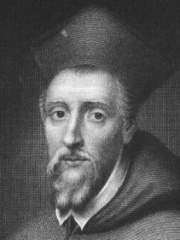
William Allen
1532 - 1594
HPI: 61.47
排名: 57
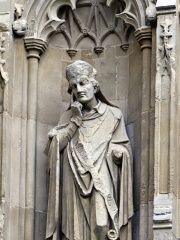
Stephen Langton
1150 - 1228
HPI: 61.22
排名: 58
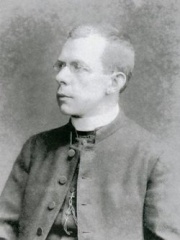
Thomas Byles
1870 - 1912
HPI: 61.22
排名: 59
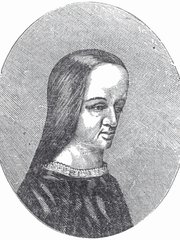
Ann Lee
1736 - 1784
HPI: 60.68
排名: 60

Carlo Acutis
1991 - 2006
HPI: 60.67
排名: 61
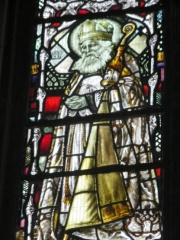
Cuthbert
635 - 687
HPI: 60.65
排名: 62
Richard of Chichester
1197 - 1253
HPI: 60.61
排名: 63
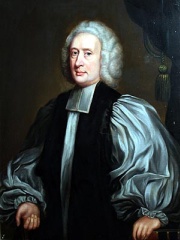
Joseph Butler
1692 - 1752
HPI: 60.44
排名: 64
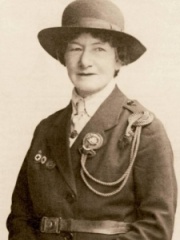
Agnes Baden-Powell
1858 - 1945
HPI: 60.42
排名: 65
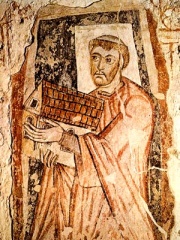
Benedict Biscop
628 - 690
HPI: 60.25
排名: 66
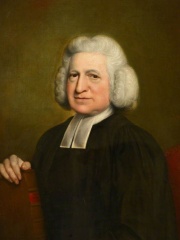
Charles Wesley
1707 - 1788
HPI: 59.67
排名: 67
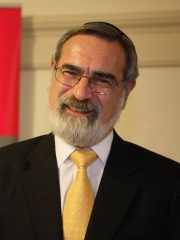
Jonathan Sacks
1948 - 2020
HPI: 59.67
排名: 68
Willehad
735 - 789
HPI: 59.45
排名: 69




