Religious Figure
Alexandre José Maria dos Santos
Catholic cardinal
1924 - 2021
EN.WIKIPEDIA PAGE VIEWS (PV)
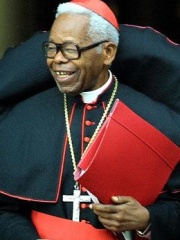
 Alexandre José Maria dos Santos
His biography is available in 22 different languages on Wikipedia (up from 21 in 2024). Alexandre José Maria dos Santos is the 2,034th most popular religious figure (up from 2,328th in 2024), the 15th most popular biography from Mozambique (up from 19th in 2019) and the 3rd most popular Mozambican Religious Figure.
Memorability Metrics
4.0k
Page Views
Past 12 months
60.58
HPI
Historical Popularity Index
Page views of Alexandre José Maria dos Santos by language
Among Religious Figures
Among religious figures, Alexandre José Maria dos Santos ranks 2,034 out of 3,187. Before him are Richard of Chichester, Saint Pothinus, Melchior Grodziecki, Pietro Ottoboni, Photius II of Constantinople, and Cassian of Imola. After him are Janaka, Giuseppe Maria Tomasi, Abdelhamid Ben Badis, Jean-Pierre Ricard, Giovanni Canestri, and Dorotheus of Tyre.
Most Popular Religious Figures in Wikipedia
Go to all Rankings

Richard of Chichester
1197 - 1253
HPI: 60.61
Rank: 2,028
Saint Pothinus
87 - 177
HPI: 60.61
Rank: 2,029
Melchior Grodziecki
1584 - 1619
HPI: 60.60
Rank: 2,030
Pietro Ottoboni
1667 - 1740
HPI: 60.60
Rank: 2,031

Photius II of Constantinople
1874 - 1935
HPI: 60.59
Rank: 2,032
Cassian of Imola
240 - 303
HPI: 60.59
Rank: 2,033
Alexandre José Maria dos Santos
1924 - 2021
HPI: 60.58
Rank: 2,034
Janaka
HPI: 60.57
Rank: 2,035
Giuseppe Maria Tomasi
1649 - 1713
HPI: 60.56
Rank: 2,036
Abdelhamid Ben Badis
1889 - 1940
HPI: 60.56
Rank: 2,037
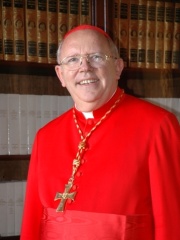
Jean-Pierre Ricard
1944 - Present
HPI: 60.56
Rank: 2,038
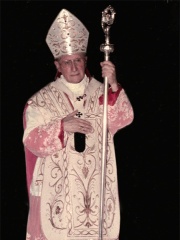
Giovanni Canestri
1918 - 2015
HPI: 60.55
Rank: 2,039
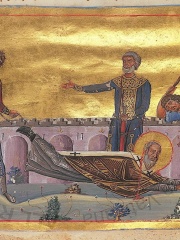
Dorotheus of Tyre
255 - 362
HPI: 60.54
Rank: 2,040

Contemporaries
Among people born in 1924, Alexandre José Maria dos Santos ranks 198. Before him are Alain Bombard, Abderrahmane Youssoufi, Idries Shah, Edward Cassidy, Josef Škvorecký, and Johannes Mario Simmel. After him are George Mikan, Nek Chand, Wally Ris, Mutesa II of Buganda, Eduardo Fajardo, and Wiel Coerver. Among people deceased in 2021, Alexandre José Maria dos Santos ranks 221. Before him are Danilo Popivoda, Edward Cassidy, Jovenel Moïse, Lamine Diack, Eric Carle, and Helmut Jahn. After him are Zlatko Kranjčar, Igor Kirillov, Jean-François Stévenin, Arlene Dahl, Anne Buydens, and Yvon Douis.
Others Born in 1924
Go to all Rankings
Alain Bombard
BIOLOGIST
1924 - 2005
HPI: 60.77
Rank: 192
Abderrahmane Youssoufi
POLITICIAN
1924 - 2020
HPI: 60.76
Rank: 193

Idries Shah
WRITER
1924 - 1996
HPI: 60.75
Rank: 194
Edward Cassidy
RELIGIOUS FIGURE
1924 - 2021
HPI: 60.74
Rank: 195
Josef Škvorecký
WRITER
1924 - 2012
HPI: 60.68
Rank: 196
Johannes Mario Simmel
WRITER
1924 - 2009
HPI: 60.63
Rank: 197
Alexandre José Maria dos Santos
RELIGIOUS FIGURE
1924 - 2021
HPI: 60.58
Rank: 198
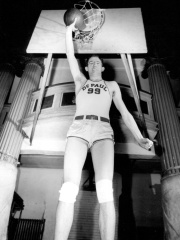
George Mikan
BASKETBALL PLAYER
1924 - 2005
HPI: 60.56
Rank: 199
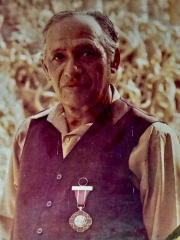
Nek Chand
SCULPTOR
1924 - 2015
HPI: 60.53
Rank: 200
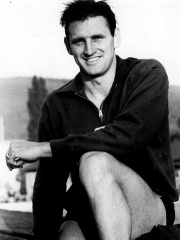
Wally Ris
SWIMMER
1924 - 1989
HPI: 60.48
Rank: 201
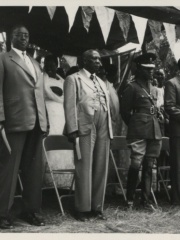
Mutesa II of Buganda
POLITICIAN
1924 - 1969
HPI: 60.48
Rank: 202
Eduardo Fajardo
ACTOR
1924 - 2019
HPI: 60.40
Rank: 203
Wiel Coerver
COACH
1924 - 2011
HPI: 60.30
Rank: 204
Others Deceased in 2021
Go to all Rankings
Danilo Popivoda
SOCCER PLAYER
1947 - 2021
HPI: 60.75
Rank: 215
Edward Cassidy
RELIGIOUS FIGURE
1924 - 2021
HPI: 60.74
Rank: 216

Jovenel Moïse
POLITICIAN
1968 - 2021
HPI: 60.69
Rank: 217
Lamine Diack
BUSINESSPERSON
1933 - 2021
HPI: 60.67
Rank: 218

Eric Carle
WRITER
1929 - 2021
HPI: 60.61
Rank: 219

Helmut Jahn
ARCHITECT
1940 - 2021
HPI: 60.59
Rank: 220
Alexandre José Maria dos Santos
RELIGIOUS FIGURE
1924 - 2021
HPI: 60.58
Rank: 221

Zlatko Kranjčar
COACH
1956 - 2021
HPI: 60.45
Rank: 222
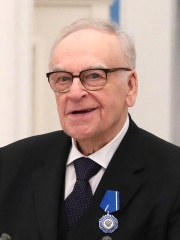
Igor Kirillov
PRESENTER
1932 - 2021
HPI: 60.43
Rank: 223
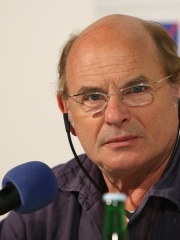
Jean-François Stévenin
ACTOR
1944 - 2021
HPI: 60.42
Rank: 224

Arlene Dahl
ACTOR
1925 - 2021
HPI: 60.41
Rank: 225
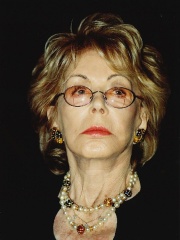
Anne Buydens
ACTOR
1919 - 2021
HPI: 60.40
Rank: 226

Yvon Douis
SOCCER PLAYER
1935 - 2021
HPI: 60.37
Rank: 227
In Mozambique
Among people born in Mozambique, Alexandre José Maria dos Santos ranks 15 out of NaN. Before him are Armando Guebuza (1943), Mário Coluna (1935), Paulo Fonseca (1973), Júlio Duarte Langa (1927), Otelo Saraiva de Carvalho (1936), and Eduardo Mondlane (1920). After him are Abel Xavier (1972), Luísa Diogo (1958), Carlos Agostinho do Rosário (1954), Mia Couto (1955), Mariza (1973), and Ruy Guerra (1931).
Others born in Mozambique
Go to all Rankings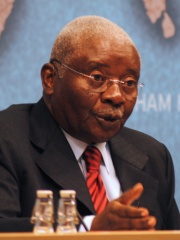
Armando Guebuza
POLITICIAN
1943 - Present
HPI: 64.12
Rank: 9
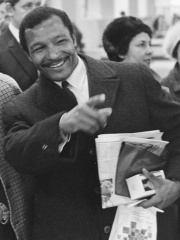
Mário Coluna
SOCCER PLAYER
1935 - 2014
HPI: 63.99
Rank: 10

Paulo Fonseca
SOCCER PLAYER
1973 - Present
HPI: 62.75
Rank: 11
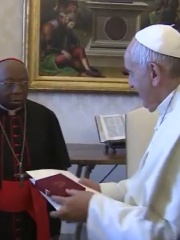
Júlio Duarte Langa
RELIGIOUS FIGURE
1927 - Present
HPI: 62.24
Rank: 12

Otelo Saraiva de Carvalho
MILITARY PERSONNEL
1936 - 2021
HPI: 61.67
Rank: 13
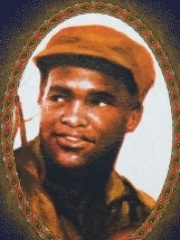
Eduardo Mondlane
POLITICIAN
1920 - 1969
HPI: 61.24
Rank: 14
Alexandre José Maria dos Santos
RELIGIOUS FIGURE
1924 - 2021
HPI: 60.58
Rank: 15

Abel Xavier
SOCCER PLAYER
1972 - Present
HPI: 60.46
Rank: 16
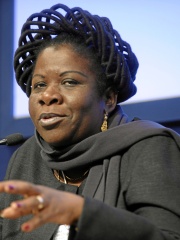
Luísa Diogo
POLITICIAN
1958 - 2026
HPI: 60.31
Rank: 17
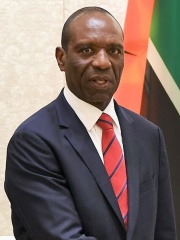
Carlos Agostinho do Rosário
POLITICIAN
1954 - Present
HPI: 59.87
Rank: 18
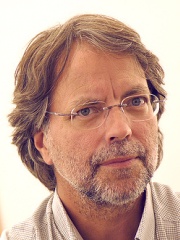
Mia Couto
WRITER
1955 - Present
HPI: 59.60
Rank: 19
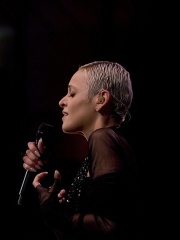
Mariza
SINGER
1973 - Present
HPI: 58.80
Rank: 20
Ruy Guerra
FILM DIRECTOR
1931 - Present
HPI: 58.02
Rank: 21
Among Religious Figures In Mozambique
Among religious figures born in Mozambique, Alexandre José Maria dos Santos ranks 3. Before him are Yasuke (1530), and Júlio Duarte Langa (1927).
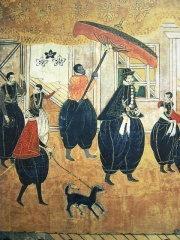
Yasuke
1530 - Present
HPI: 74.43
Rank: 1
Júlio Duarte Langa
1927 - Present
HPI: 62.24
Rank: 2
Alexandre José Maria dos Santos
1924 - 2021
HPI: 60.58
Rank: 3




