政治家
孟尼利克二世
1844 - 1913
ZH.WIKIPEDIA 页面浏览量 (PV)
 孟尼利克二世
知名度指标
320k
页面浏览量
过去12个月
77.49
HPI
历史知名度指数
孟尼利克二世的各语言页面浏览量
在政治家中
在政治家中,孟尼利克二世排名第703位(共19,576人)。 排在他之前的有:Princess Charlotte of Wales, Theodosius III, Haakon the Good, Mobutu Sese Seko, Charles the Fat, 和Charles the Simple. 排在他之后的有:Otto IV, Holy Roman Emperor, Giuseppe Mazzini, Christian VI of Denmark, Gorm the Old, Afonso I of Portugal, 和Prince Louis of Battenberg.
维基百科上最受欢迎的政治家
查看全部排名
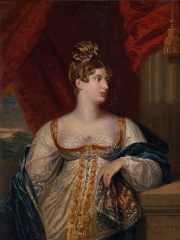
Princess Charlotte of Wales
1796 - 1817
HPI: 77.53
排名: 697
Theodosius III
700 - 722
HPI: 77.53
排名: 698
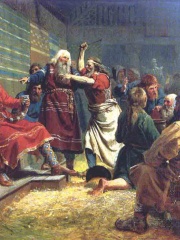
Haakon the Good
918 - 961
HPI: 77.52
排名: 699
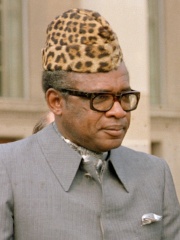
Mobutu Sese Seko
1930 - 1997
HPI: 77.52
排名: 700
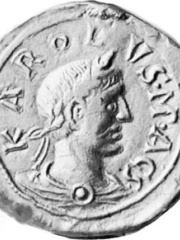
Charles the Fat
839 - 888
HPI: 77.50
排名: 701
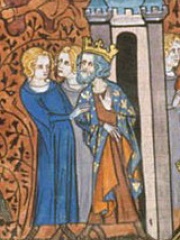
Charles the Simple
879 - 929
HPI: 77.49
排名: 702
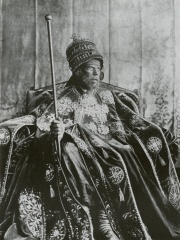
Menelik II
1844 - 1913
HPI: 77.49
排名: 703
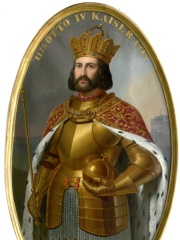
Otto IV, Holy Roman Emperor
1175 - 1218
HPI: 77.49
排名: 704
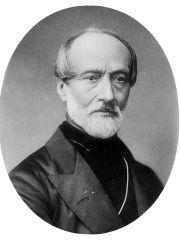
Giuseppe Mazzini
1805 - 1872
HPI: 77.48
排名: 705
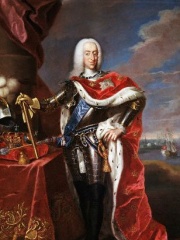
Christian VI of Denmark
1699 - 1746
HPI: 77.47
排名: 706
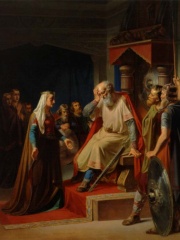
Gorm the Old
900 - 958
HPI: 77.46
排名: 707
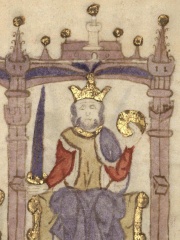
Afonso I of Portugal
1109 - 1185
HPI: 77.46
排名: 708
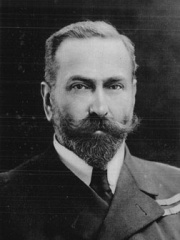
Prince Louis of Battenberg
1854 - 1921
HPI: 77.45
排名: 709

同时代人物
在1844年出生的人中,孟尼利克二世排名第12位。 排在他之前的有:Paul Verlaine, Bernadette Soubirous, Mehmed V, Ilya Repin, Henri Rousseau, 和Ludwig Boltzmann. 排在他之后的有:Umberto I of Italy, Alexandra of Denmark, Klas Pontus Arnoldson, Peter I of Serbia, Friedrich Ratzel, 和Mary Cassatt. 在1913年去世的人中,孟尼利克二世排名第3位。 排在他之前的有:Ferdinand de Saussure, 和Rudolf Diesel. 排在他之后的有:Alfred Russel Wallace, George I of Greece, J. P. Morgan, Harriet Tubman, Tobias Asser, Tokugawa Yoshinobu, Lesya Ukrainka, Blanche Monnier, 和Alfred von Schlieffen.
其他1844年出生的人
查看全部排名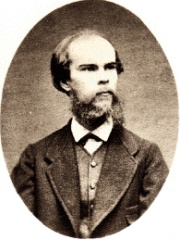
Paul Verlaine
WRITER
1844 - 1896
HPI: 80.12
排名: 6
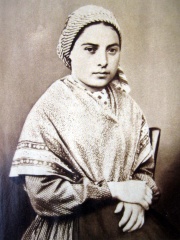
Bernadette Soubirous
RELIGIOUS FIGURE
1844 - 1879
HPI: 79.51
排名: 7
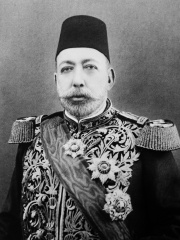
Mehmed V
POLITICIAN
1844 - 1918
HPI: 79.26
排名: 8
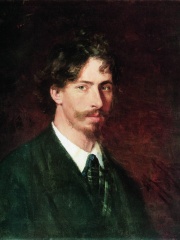
Ilya Repin
PAINTER
1844 - 1930
HPI: 78.69
排名: 9
Henri Rousseau
PAINTER
1844 - 1910
HPI: 78.41
排名: 10
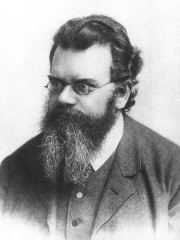
Ludwig Boltzmann
PHYSICIST
1844 - 1906
HPI: 77.57
排名: 11
Menelik II
POLITICIAN
1844 - 1913
HPI: 77.49
排名: 12
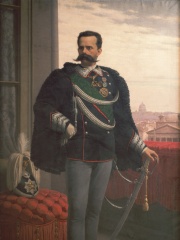
Umberto I of Italy
POLITICIAN
1844 - 1900
HPI: 77.44
排名: 13
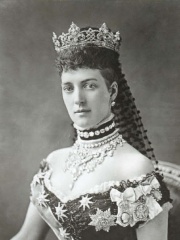
Alexandra of Denmark
POLITICIAN
1844 - 1925
HPI: 76.31
排名: 14
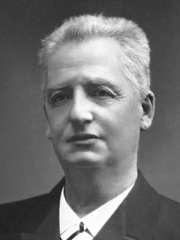
Klas Pontus Arnoldson
POLITICIAN
1844 - 1916
HPI: 76.20
排名: 15
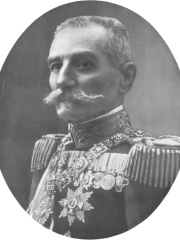
Peter I of Serbia
POLITICIAN
1844 - 1921
HPI: 75.50
排名: 16
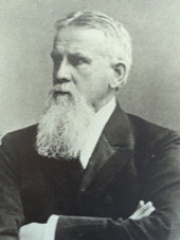
Friedrich Ratzel
POLITICIAN
1844 - 1904
HPI: 74.54
排名: 17
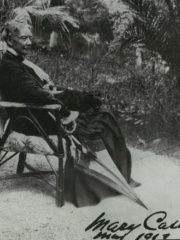
Mary Cassatt
PAINTER
1844 - 1926
HPI: 74.50
排名: 18
其他1913年去世的人
查看全部排名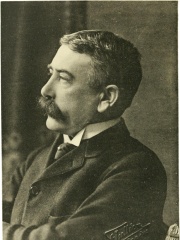
Ferdinand de Saussure
LINGUIST
1857 - 1913
HPI: 82.09
排名: 1
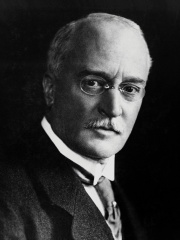
Rudolf Diesel
INVENTOR
1858 - 1913
HPI: 79.13
排名: 2
Menelik II
POLITICIAN
1844 - 1913
HPI: 77.49
排名: 3
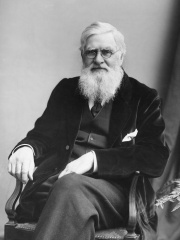
Alfred Russel Wallace
BIOLOGIST
1823 - 1913
HPI: 77.41
排名: 4
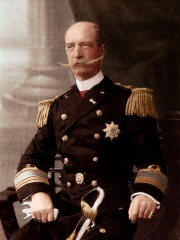
George I of Greece
POLITICIAN
1845 - 1913
HPI: 77.14
排名: 5
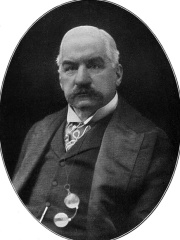
J. P. Morgan
BUSINESSPERSON
1837 - 1913
HPI: 73.70
排名: 6
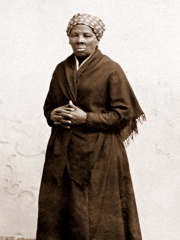
Harriet Tubman
SOCIAL ACTIVIST
1820 - 1913
HPI: 73.54
排名: 7
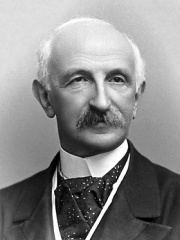
Tobias Asser
LAWYER
1838 - 1913
HPI: 73.34
排名: 8
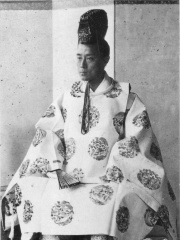
Tokugawa Yoshinobu
MILITARY PERSONNEL
1837 - 1913
HPI: 72.80
排名: 9
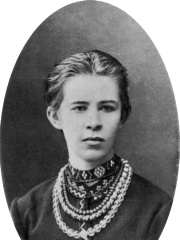
Lesya Ukrainka
WRITER
1871 - 1913
HPI: 72.77
排名: 10
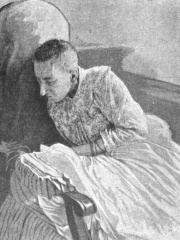
Blanche Monnier
CELEBRITY
1849 - 1913
HPI: 72.74
排名: 11
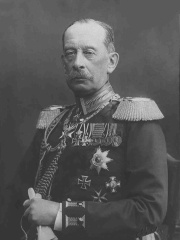
Alfred von Schlieffen
MILITARY PERSONNEL
1833 - 1913
HPI: 72.10
排名: 12
在埃塞俄比亚
在出生于埃塞俄比亚的人中,孟尼利克二世排名第2位(共NaN人)。 排在他之前的有:Haile Selassie (1892). 排在他之后的有:Zewditu (1876), Abebe Bikila (1932), Sahle-Work Zewde (1950), Menelik I (-954), Yohannes IV (1837), Abraha (600), Tewodros II (1818), Mengistu Haile Mariam (1937), Ezana of Axum (325), 和Lij Iyasu of Ethiopia (1895).
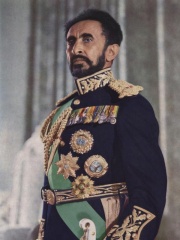
Haile Selassie
POLITICIAN
1892 - 1975
HPI: 86.85
排名: 1
Menelik II
POLITICIAN
1844 - 1913
HPI: 77.49
排名: 2
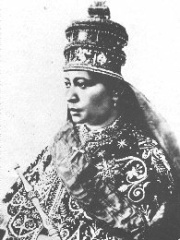
Zewditu
POLITICIAN
1876 - 1930
HPI: 76.79
排名: 3
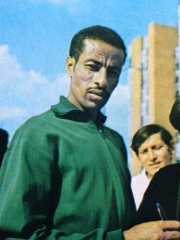
Abebe Bikila
ATHLETE
1932 - 1973
HPI: 75.20
排名: 4

Sahle-Work Zewde
POLITICIAN
1950 - 至今
HPI: 74.61
排名: 5
Menelik I
POLITICIAN
954 BC - 930 BC
HPI: 72.93
排名: 6
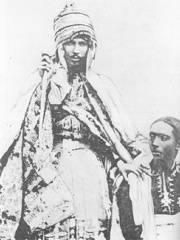
Yohannes IV
POLITICIAN
1837 - 1889
HPI: 72.37
排名: 7

Abraha
MILITARY PERSONNEL
600 - 600
HPI: 72.37
排名: 8
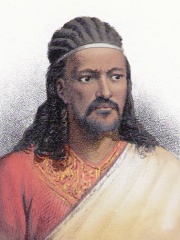
Tewodros II
POLITICIAN
1818 - 1868
HPI: 72.00
排名: 9
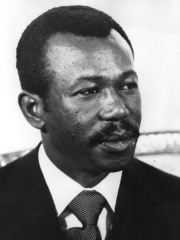
Mengistu Haile Mariam
POLITICIAN
1937 - 至今
HPI: 71.78
排名: 10
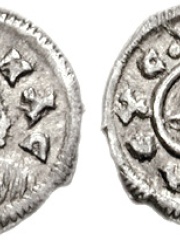
Ezana of Axum
POLITICIAN
325 - 360
HPI: 71.76
排名: 11
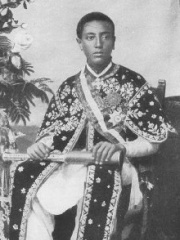
Lij Iyasu of Ethiopia
POLITICIAN
1895 - 1935
HPI: 71.27
排名: 12
在埃塞俄比亚的政治家中
在出生于埃塞俄比亚的政治家中,孟尼利克二世排名第2位。 排在他之前的有:Haile Selassie (1892). 排在他之后的有:Zewditu (1876), Sahle-Work Zewde (1950), Menelik I (-954), Yohannes IV (1837), Tewodros II (1818), Mengistu Haile Mariam (1937), Ezana of Axum (325), Lij Iyasu of Ethiopia (1895), Ahmad ibn Ibrahim al-Ghazi (1506), 和Abiy Ahmed (1976).
Haile Selassie
1892 - 1975
HPI: 86.85
排名: 1
Menelik II
1844 - 1913
HPI: 77.49
排名: 2
Zewditu
1876 - 1930
HPI: 76.79
排名: 3
Sahle-Work Zewde
1950 - 至今
HPI: 74.61
排名: 4
Menelik I
954 BC - 930 BC
HPI: 72.93
排名: 5
Yohannes IV
1837 - 1889
HPI: 72.37
排名: 6
Tewodros II
1818 - 1868
HPI: 72.00
排名: 7
Mengistu Haile Mariam
1937 - 至今
HPI: 71.78
排名: 8
Ezana of Axum
325 - 360
HPI: 71.76
排名: 9
Lij Iyasu of Ethiopia
1895 - 1935
HPI: 71.27
排名: 10
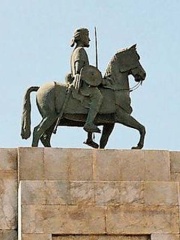
Ahmad ibn Ibrahim al-Ghazi
1506 - 1543
HPI: 70.30
排名: 11
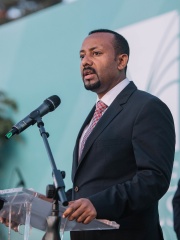
Abiy Ahmed
1976 - 至今
HPI: 70.15
排名: 12




