作家
松尾芭蕉
1644 - 1694
ZH.WIKIPEDIA 页面浏览量 (PV)
 松尾芭蕉
松尾芭蕉知名度指标
370k
页面浏览量
过去12个月
85.14
HPI
历史知名度指数
数据洞察
松尾芭蕉的各语言页面浏览量
在作家中
在作家中,松尾芭蕉排名第39位(共7,707人)。 排在他之前的有:Agatha Christie, H. G. Wells, Khalil Gibran, Anne Frank, George Orwell, 和Charles Dickens. 排在他之后的有:Hermann Hesse, Emily Dickinson, Ernest Hemingway, Horace, F. Scott Fitzgerald, 和Alexander Pushkin.
维基百科上最受欢迎的作家
查看全部排名
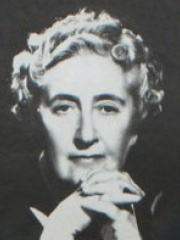
Agatha Christie
1890 - 1976
HPI: 85.80
排名: 33
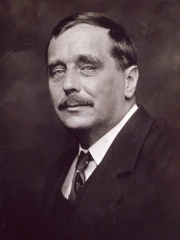
H. G. Wells
1866 - 1946
HPI: 85.76
排名: 34
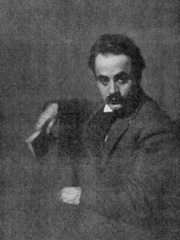
Khalil Gibran
1883 - 1931
HPI: 85.57
排名: 35
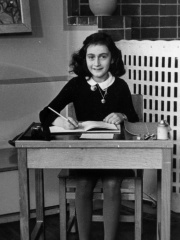
Anne Frank
1929 - 1945
HPI: 85.31
排名: 36
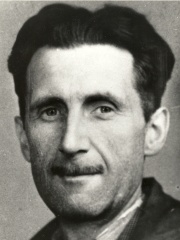
George Orwell
1903 - 1950
HPI: 85.28
排名: 37
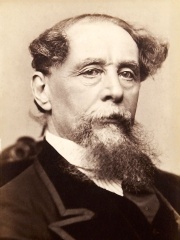
Charles Dickens
1812 - 1870
HPI: 85.20
排名: 38
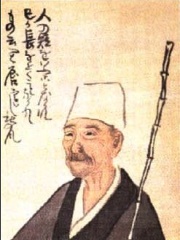
Matsuo Bashō
1644 - 1694
HPI: 85.14
排名: 39
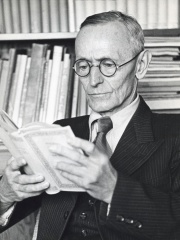
Hermann Hesse
1877 - 1962
HPI: 85.13
排名: 40
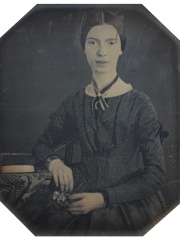
Emily Dickinson
1830 - 1886
HPI: 85.12
排名: 41
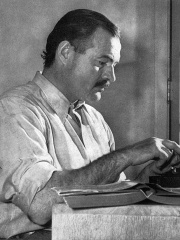
Ernest Hemingway
1899 - 1961
HPI: 84.99
排名: 42
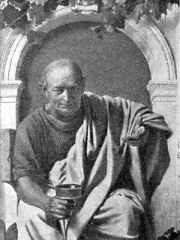
Horace
65 BC - 8 BC
HPI: 84.80
排名: 43
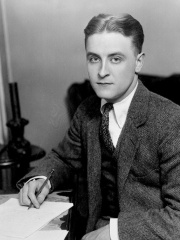
F. Scott Fitzgerald
1896 - 1940
HPI: 84.65
排名: 44
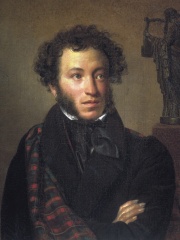
Alexander Pushkin
1799 - 1837
HPI: 84.64
排名: 45

同时代人物
在1644年出生的人中,松尾芭蕉排名第1位。 排在他之后的有:Antonio Stradivari, Ole Rømer, Henrietta of England, Louise de La Vallière, Heinrich Ignaz Franz Biber, Marie Jeanne Baptiste of Savoy-Nemours, Galdan Boshugtu Khan, Jakob Ammann, Louis-François de Boufflers, François de Neufville, duc de Villeroy, 和Amcazade Köprülü Hüseyin Pasha. 在1694年去世的人中,松尾芭蕉排名第2位。 排在他之前的有:Mary II of England. 排在他之后的有:Marcello Malpighi, Samuel von Pufendorf, Natalya Naryshkina, Antoine Arnauld, Francesco Morosini, Ranuccio II Farnese, Duke of Parma, Suleiman of Persia, John George IV, Elector of Saxony, Hishikawa Moronobu, 和Pierre Puget.
其他1644年出生的人
查看全部排名Matsuo Bashō
WRITER
1644 - 1694
HPI: 85.14
排名: 1
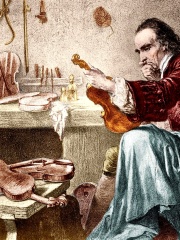
Antonio Stradivari
DESIGNER
1644 - 1737
HPI: 81.39
排名: 2
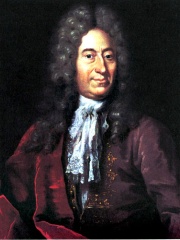
Ole Rømer
ASTRONOMER
1644 - 1710
HPI: 77.72
排名: 3
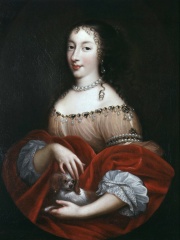
Henrietta of England
NOBLEMAN
1644 - 1670
HPI: 74.37
排名: 4
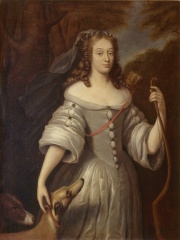
Louise de La Vallière
WRITER
1644 - 1710
HPI: 71.41
排名: 5
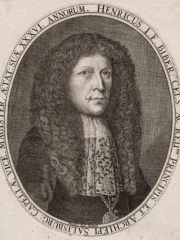
Heinrich Ignaz Franz Biber
MUSICIAN
1644 - 1704
HPI: 70.59
排名: 6
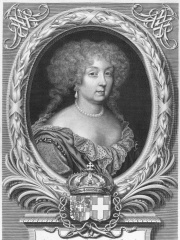
Marie Jeanne Baptiste of Savoy-Nemours
POLITICIAN
1644 - 1724
HPI: 68.85
排名: 7
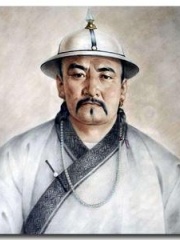
Galdan Boshugtu Khan
MILITARY PERSONNEL
1644 - 1697
HPI: 66.23
排名: 8

Jakob Ammann
RELIGIOUS FIGURE
1644 - 1730
HPI: 65.51
排名: 9
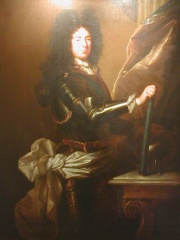
Louis-François de Boufflers
POLITICIAN
1644 - 1711
HPI: 65.12
排名: 10
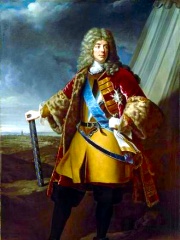
François de Neufville, duc de Villeroy
POLITICIAN
1644 - 1730
HPI: 64.02
排名: 11
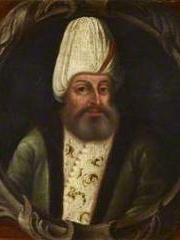
Amcazade Köprülü Hüseyin Pasha
POLITICIAN
1644 - 1702
HPI: 62.09
排名: 12
其他1694年去世的人
查看全部排名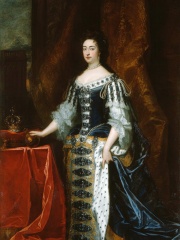
Mary II of England
POLITICIAN
1662 - 1694
HPI: 86.29
排名: 1
Matsuo Bashō
WRITER
1644 - 1694
HPI: 85.14
排名: 2
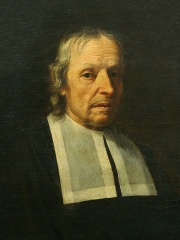
Marcello Malpighi
PHYSICIAN
1628 - 1694
HPI: 74.93
排名: 3
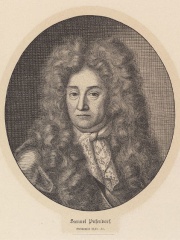
Samuel von Pufendorf
HISTORIAN
1632 - 1694
HPI: 71.49
排名: 4
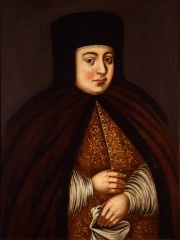
Natalya Naryshkina
POLITICIAN
1651 - 1694
HPI: 68.92
排名: 5
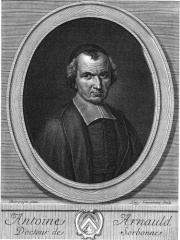
Antoine Arnauld
PHILOSOPHER
1612 - 1694
HPI: 68.65
排名: 6
Francesco Morosini
POLITICIAN
1619 - 1694
HPI: 68.00
排名: 7
Ranuccio II Farnese, Duke of Parma
POLITICIAN
1630 - 1694
HPI: 67.27
排名: 8
Suleiman of Persia
POLITICIAN
1647 - 1694
HPI: 67.00
排名: 9
John George IV, Elector of Saxony
POLITICIAN
1668 - 1694
HPI: 66.04
排名: 10
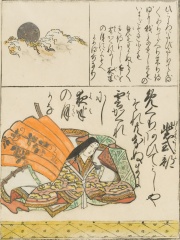
Hishikawa Moronobu
PAINTER
1618 - 1694
HPI: 65.82
排名: 11
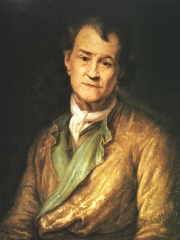
Pierre Puget
PAINTER
1620 - 1694
HPI: 65.40
排名: 12
在日本
在出生于日本的人中,松尾芭蕉排名第2位(共6,943人)。 排在他之前的有:Hirohito (1901). 排在他之后的有:Hokusai (1760), Hayao Miyazaki (1941), Akihito (1933), Oda Nobunaga (1534), Akira Kurosawa (1910), Tokugawa Ieyasu (1542), Emperor Meiji (1852), Miyamoto Musashi (1584), Naruhito (1960), 和Toyotomi Hideyoshi (1536).
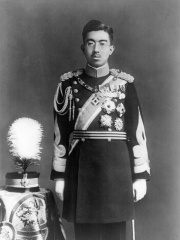
Hirohito
POLITICIAN
1901 - 1989
HPI: 85.25
排名: 1
Matsuo Bashō
WRITER
1644 - 1694
HPI: 85.14
排名: 2

Hokusai
ARTIST
1760 - 1849
HPI: 84.61
排名: 3
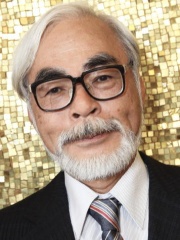
Hayao Miyazaki
FILM DIRECTOR
1941 - 至今
HPI: 83.44
排名: 4
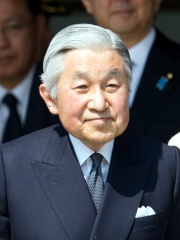
Akihito
NOBLEMAN
1933 - 至今
HPI: 83.28
排名: 5
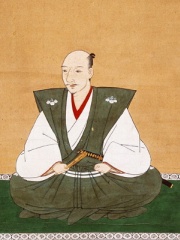
Oda Nobunaga
MILITARY PERSONNEL
1534 - 1582
HPI: 82.89
排名: 6
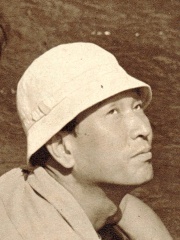
Akira Kurosawa
FILM DIRECTOR
1910 - 1998
HPI: 82.76
排名: 7
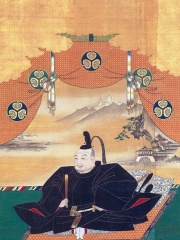
Tokugawa Ieyasu
MILITARY PERSONNEL
1542 - 1616
HPI: 82.57
排名: 8
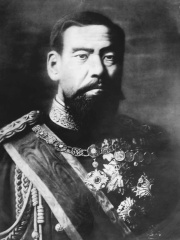
Emperor Meiji
POLITICIAN
1852 - 1912
HPI: 82.26
排名: 9
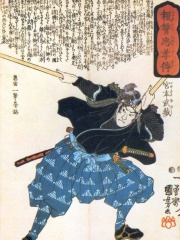
Miyamoto Musashi
WRITER
1584 - 1645
HPI: 81.76
排名: 10
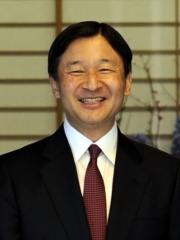
Naruhito
NOBLEMAN
1960 - 至今
HPI: 81.60
排名: 11
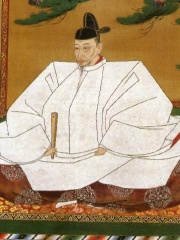
Toyotomi Hideyoshi
POLITICIAN
1536 - 1598
HPI: 81.12
排名: 12
在日本的作家中
在出生于日本的作家中,松尾芭蕉排名第1位。 排在他之后的有:Miyamoto Musashi (1584), Haruki Murakami (1949), Yukio Mishima (1925), Yasunari Kawabata (1899), Murasaki Shikibu (973), Osamu Dazai (1909), Kenzaburō Ōe (1935), Ryūnosuke Akutagawa (1892), Natsume Sōseki (1867), Kazuo Ishiguro (1954), 和Sei Shōnagon (966).
Matsuo Bashō
1644 - 1694
HPI: 85.14
排名: 1
Miyamoto Musashi
1584 - 1645
HPI: 81.76
排名: 2
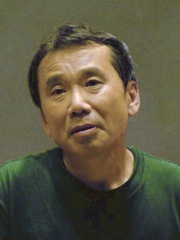
Haruki Murakami
1949 - 至今
HPI: 80.40
排名: 3
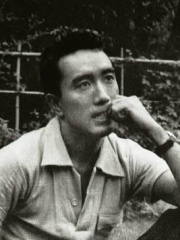
Yukio Mishima
1925 - 1970
HPI: 79.92
排名: 4
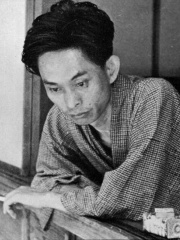
Yasunari Kawabata
1899 - 1972
HPI: 79.61
排名: 5

Murasaki Shikibu
973 - 1014
HPI: 78.63
排名: 6
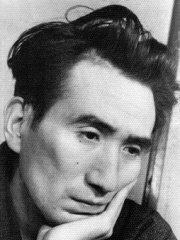
Osamu Dazai
1909 - 1948
HPI: 76.80
排名: 7
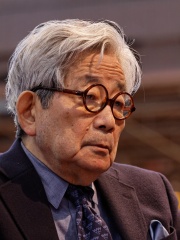
Kenzaburō Ōe
1935 - 2023
HPI: 76.20
排名: 8
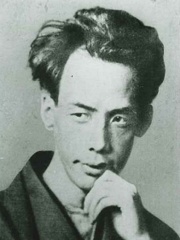
Ryūnosuke Akutagawa
1892 - 1927
HPI: 75.67
排名: 9
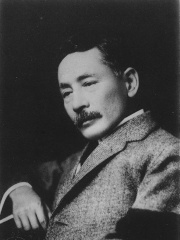
Natsume Sōseki
1867 - 1916
HPI: 72.84
排名: 10
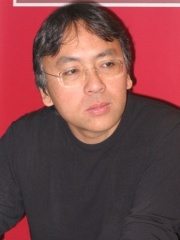
Kazuo Ishiguro
1954 - 至今
HPI: 71.66
排名: 11
Sei Shōnagon
966 - 1025
HPI: 71.53
排名: 12




