历史学家
Johan Huizinga
1872 - 1945
ZH.WIKIPEDIA 页面浏览量 (PV)
 Johan Huizinga
知名度指标
120k
页面浏览量
过去12个月
74.64
HPI
历史知名度指数
Johan Huizinga的各语言页面浏览量
在历史学家中
在历史学家中,Johan Huizinga排名第28位(共561人)。 排在他之前的有:Leopold von Ranke, Arrian, Fernand Braudel, Joannes Zonaras, Arnold J. Toynbee, 和Bede. 排在他之后的有:Ibn Kathir, Edward Gibbon, Jacob Burckhardt, Saxo Grammaticus, Eric Hobsbawm, 和Marc Bloch.
维基百科上最受欢迎的历史学家
查看全部排名
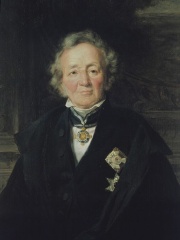
Leopold von Ranke
1795 - 1886
HPI: 75.51
排名: 22
Arrian
89 - 175
HPI: 75.37
排名: 23
Fernand Braudel
1902 - 1985
HPI: 75.13
排名: 24
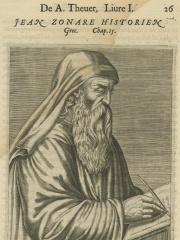
Joannes Zonaras
1074 - 1130
HPI: 74.97
排名: 25
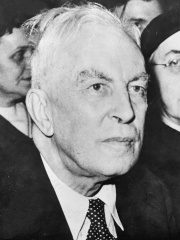
Arnold J. Toynbee
1889 - 1975
HPI: 74.78
排名: 26
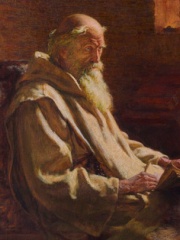
Bede
672 - 735
HPI: 74.70
排名: 27
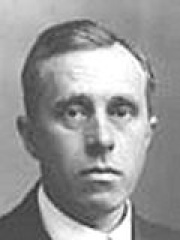
Johan Huizinga
1872 - 1945
HPI: 74.64
排名: 28

Ibn Kathir
1301 - 1373
HPI: 74.60
排名: 29
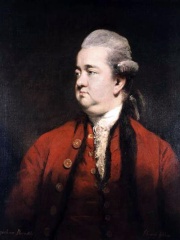
Edward Gibbon
1737 - 1794
HPI: 74.44
排名: 30

Jacob Burckhardt
1818 - 1897
HPI: 74.29
排名: 31
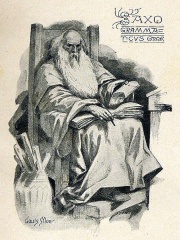
Saxo Grammaticus
1150 - 1220
HPI: 74.01
排名: 32
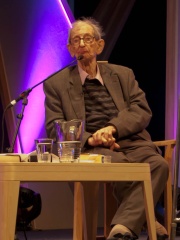
Eric Hobsbawm
1917 - 2012
HPI: 73.44
排名: 33
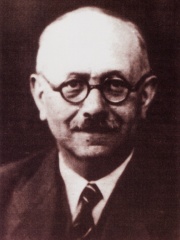
Marc Bloch
1886 - 1944
HPI: 73.38
排名: 34

同时代人物
在1872年出生的人中,Johan Huizinga排名第10位。 排在他之前的有:Bertrand Russell, Alexandra Feodorovna, Richard Willstätter, Alexandra Kollontai, Calvin Coolidge, 和Charles Greeley Abbot. 排在他之后的有:Edith Wilson, Emil Hácha, Léon Blum, Paul Langevin, Anton Denikin, 和Marcel Mauss. 在1945年去世的人中,Johan Huizinga排名第29位。 排在他之前的有:Ernst Cassirer, Pietro Mascagni, Heinrich Müller, Princess Stéphanie of Belgium, Paul Valéry, 和Pierre Laval. 排在他之后的有:Hans Fischer, David Lloyd George, August von Mackensen, Dietrich Bonhoeffer, Käthe Kollwitz, 和Emil Hácha.
其他1872年出生的人
查看全部排名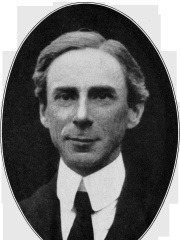
Bertrand Russell
MATHEMATICIAN
1872 - 1970
HPI: 82.69
排名: 4
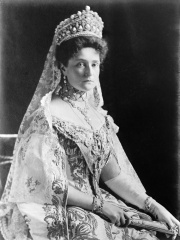
Alexandra Feodorovna
NOBLEMAN
1872 - 1918
HPI: 81.49
排名: 5
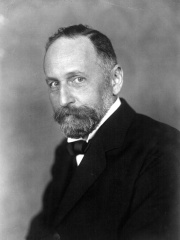
Richard Willstätter
CHEMIST
1872 - 1942
HPI: 77.35
排名: 6
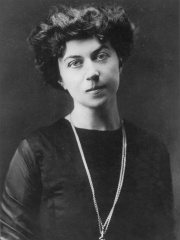
Alexandra Kollontai
DIPLOMAT
1872 - 1952
HPI: 76.62
排名: 7
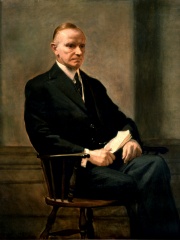
Calvin Coolidge
POLITICIAN
1872 - 1933
HPI: 76.03
排名: 8
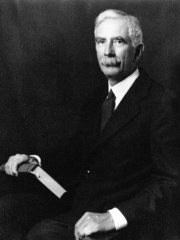
Charles Greeley Abbot
ASTRONOMER
1872 - 1973
HPI: 74.64
排名: 9
Johan Huizinga
HISTORIAN
1872 - 1945
HPI: 74.64
排名: 10
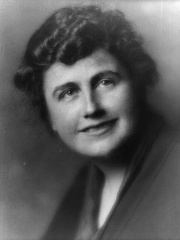
Edith Wilson
POLITICIAN
1872 - 1961
HPI: 74.03
排名: 11
Emil Hácha
POLITICIAN
1872 - 1945
HPI: 73.53
排名: 12
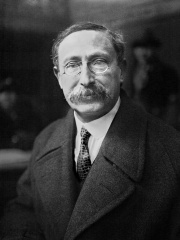
Léon Blum
POLITICIAN
1872 - 1950
HPI: 73.18
排名: 13
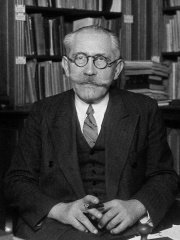
Paul Langevin
PHYSICIST
1872 - 1946
HPI: 73.08
排名: 14
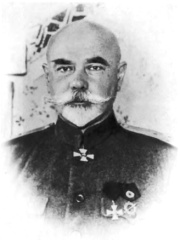
Anton Denikin
MILITARY PERSONNEL
1872 - 1947
HPI: 72.88
排名: 15
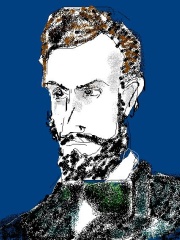
Marcel Mauss
SOCIOLOGIST
1872 - 1950
HPI: 72.56
排名: 16
其他1945年去世的人
查看全部排名
Ernst Cassirer
PHILOSOPHER
1874 - 1945
HPI: 75.36
排名: 23
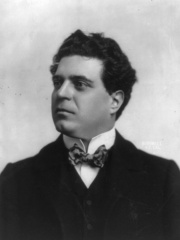
Pietro Mascagni
COMPOSER
1863 - 1945
HPI: 75.30
排名: 24
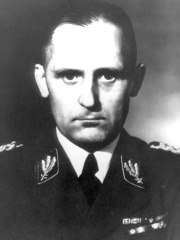
Heinrich Müller
MILITARY PERSONNEL
1900 - 1945
HPI: 75.01
排名: 25
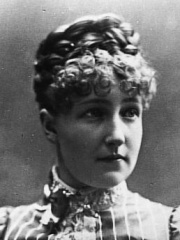
Princess Stéphanie of Belgium
POLITICIAN
1864 - 1945
HPI: 74.86
排名: 26
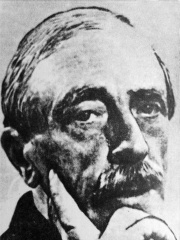
Paul Valéry
WRITER
1871 - 1945
HPI: 74.86
排名: 27
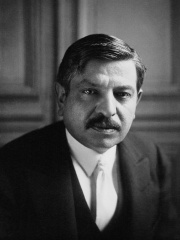
Pierre Laval
POLITICIAN
1883 - 1945
HPI: 74.74
排名: 28
Johan Huizinga
HISTORIAN
1872 - 1945
HPI: 74.64
排名: 29
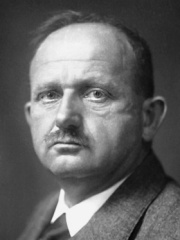
Hans Fischer
CHEMIST
1881 - 1945
HPI: 74.11
排名: 30
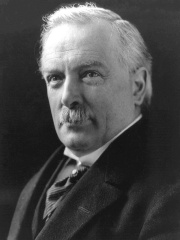
David Lloyd George
POLITICIAN
1863 - 1945
HPI: 74.09
排名: 31
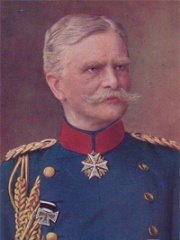
August von Mackensen
MILITARY PERSONNEL
1849 - 1945
HPI: 74.03
排名: 32
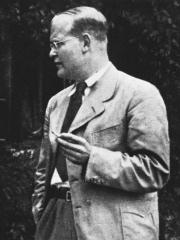
Dietrich Bonhoeffer
RELIGIOUS FIGURE
1906 - 1945
HPI: 74.02
排名: 33
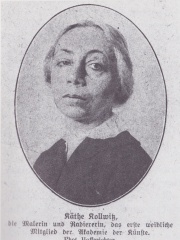
Käthe Kollwitz
ARTIST
1867 - 1945
HPI: 73.55
排名: 34
Emil Hácha
POLITICIAN
1872 - 1945
HPI: 73.53
排名: 35
在荷兰
在出生于荷兰的人中,Johan Huizinga排名第44位(共NaN人)。 排在他之前的有:William I of the Netherlands (1772), Jan van Riebeeck (1619), Guus Hiddink (1946), Rutger Hauer (1944), Marco van Basten (1964), 和Simon van der Meer (1925). 排在他之后的有:Rinus Michels (1928), Jan Tinbergen (1903), James Scott, 1st Duke of Monmouth (1649), William II of the Netherlands (1792), Jan Steen (1626), 和Nicolaas Bloembergen (1920).
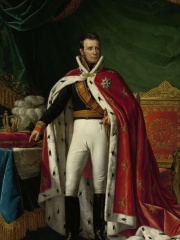
William I of the Netherlands
POLITICIAN
1772 - 1843
HPI: 75.35
排名: 38
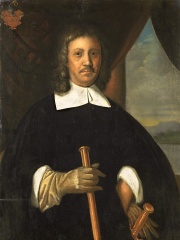
Jan van Riebeeck
EXPLORER
1619 - 1677
HPI: 75.35
排名: 39
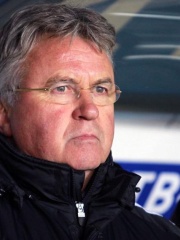
Guus Hiddink
COACH
1946 - 至今
HPI: 75.16
排名: 40
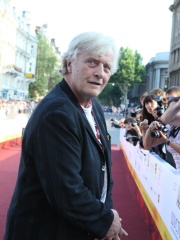
Rutger Hauer
ACTOR
1944 - 2019
HPI: 75.13
排名: 41
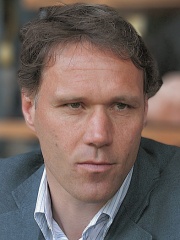
Marco van Basten
COACH
1964 - 至今
HPI: 74.92
排名: 42
Simon van der Meer
PHYSICIST
1925 - 2011
HPI: 74.74
排名: 43
Johan Huizinga
HISTORIAN
1872 - 1945
HPI: 74.64
排名: 44
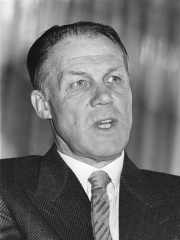
Rinus Michels
COACH
1928 - 2005
HPI: 74.34
排名: 45
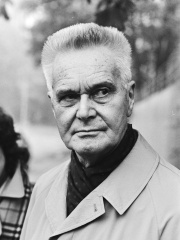
Jan Tinbergen
ECONOMIST
1903 - 1994
HPI: 74.27
排名: 46
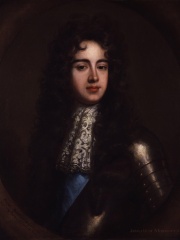
James Scott, 1st Duke of Monmouth
POLITICIAN
1649 - 1685
HPI: 74.25
排名: 47
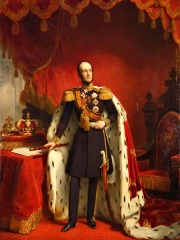
William II of the Netherlands
POLITICIAN
1792 - 1849
HPI: 74.18
排名: 48
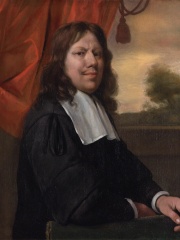
Jan Steen
PAINTER
1626 - 1679
HPI: 74.10
排名: 49
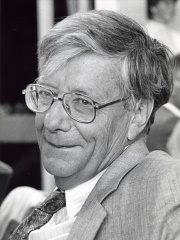
Nicolaas Bloembergen
PHYSICIST
1920 - 2017
HPI: 73.93
排名: 50
在荷兰的历史学家中
在出生于荷兰的历史学家中,Johan Huizinga排名第1位。 排在他之后的有:Johan Rudolph Thorbecke (1798), Jan Huyghen van Linschoten (1563), Reinhart Dozy (1820), Johannes Meursius (1579), Martin van Creveld (1946), 和Frank Dikötter (1961).
Johan Huizinga
1872 - 1945
HPI: 74.64
排名: 1
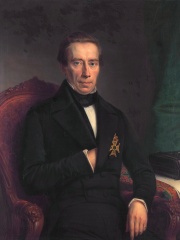
Johan Rudolph Thorbecke
1798 - 1872
HPI: 63.26
排名: 2
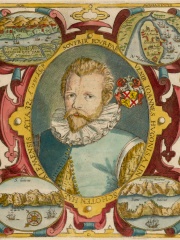
Jan Huyghen van Linschoten
1563 - 1611
HPI: 62.26
排名: 3
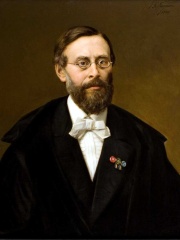
Reinhart Dozy
1820 - 1883
HPI: 60.65
排名: 4

Johannes Meursius
1579 - 1639
HPI: 58.40
排名: 5
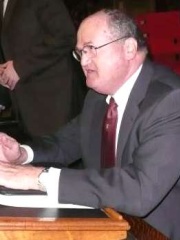
Martin van Creveld
1946 - 至今
HPI: 55.69
排名: 6

Frank Dikötter
1961 - 至今
HPI: 49.32
排名: 7




