Политик
Valentin Inzko
1949 - настоящее время
ПРОСМОТРЫ RU.WIKIPEDIA (PV)
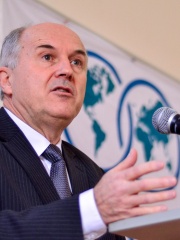
 Valentin Inzko
Его биография доступна на 27 различных языках в Википедии. Valentin Inzko занимает 9382-е место среди самых популярных политик (рост с 10123-е места в 2024 году), занимает 523-е место среди самых популярных биографий из Австрии (рост с 598-е места в 2019 году) и занимает 155-е место среди политик Австрия.
Метрики памятности
29k
Просмотры страниц
За последние 12 месяцев
61.91
HPI
Индекс исторической популярности
Интересные факты
22 мая
Valentin Inzko отмечает день рождения (22 мая) в один день с Richard Wagner, Arthur Conan Doyle и Charles Aznavour.
Просмотры страницы Valentin Inzko по языкам
Среди представителей профессии «Политик»
Среди представителей профессии «Политик» Valentin Inzko занимает 9,377-е место из 19,576. Перед ним идут Philipp, Prince of Eulenburg, Enric Prat de la Riba, Godepert, August Eigruber, Emperor Fei of Jin, и Söyembikä of Kazan. После него идут Gnaeus Cornelius Lentulus Clodianus, Bill Pickering, Rehavam Ze'evi, Iona Nikitchenko, Bernhard III, Duke of Saxe-Meiningen, и Alexander Novikov.
Самые популярные в Википедии: Политик
Все рейтинги
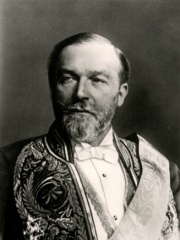
Philipp, Prince of Eulenburg
1847 - 1921
HPI: 61.91
Место: 9,376
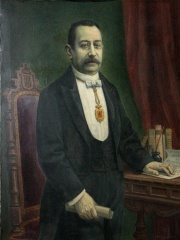
Enric Prat de la Riba
1870 - 1917
HPI: 61.91
Место: 9,377

Godepert
610 - 662
HPI: 61.91
Место: 9,378
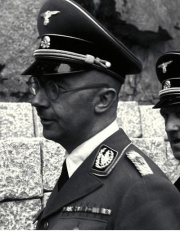
August Eigruber
1907 - 1947
HPI: 61.91
Место: 9,379

Emperor Fei of Jin
342 - 386
HPI: 61.91
Место: 9,380
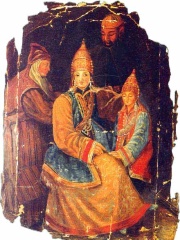
Söyembikä of Kazan
1516 - 1557
HPI: 61.91
Место: 9,381
Valentin Inzko
1949 - наст. время
HPI: 61.91
Место: 9,382
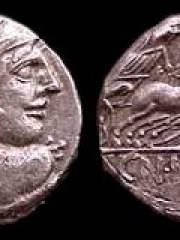
Gnaeus Cornelius Lentulus Clodianus
113 BC - 100 BC
HPI: 61.91
Место: 9,383

Bill Pickering
1910 - 2004
HPI: 61.90
Место: 9,384
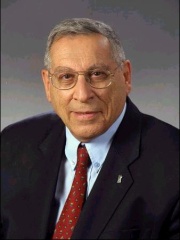
Rehavam Ze'evi
1926 - 2001
HPI: 61.90
Место: 9,385
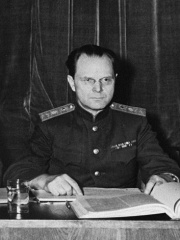
Iona Nikitchenko
1895 - 1967
HPI: 61.90
Место: 9,386
Bernhard III, Duke of Saxe-Meiningen
1851 - 1928
HPI: 61.90
Место: 9,387
Alexander Novikov
1900 - 1976
HPI: 61.90
Место: 9,388

Современники
Среди людей, родившихся в 1949 году, Valentin Inzko занимает 210-е место. Перед ним идут Franco Causio, Paul Guilfoyle, Andy Kaufman, Phil Lynott, Diana Nyad, и John Wetton. После него идут Hyon Yong-chol, Mitsunori Fujiguchi, Matthew Festing, Brooke Adams, Henning Jensen, и Eric Carmen.
Другие люди, родившиеся в 1949 году
Все рейтинги
Franco Causio
SOCCER PLAYER
1949 - наст. время
HPI: 62.09
Место: 204

Paul Guilfoyle
ACTOR
1949 - наст. время
HPI: 62.09
Место: 205
Andy Kaufman
COMEDIAN
1949 - 1984
HPI: 62.07
Место: 206
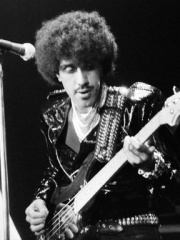
Phil Lynott
MUSICIAN
1949 - 1986
HPI: 61.99
Место: 207
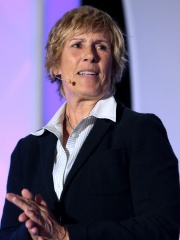
Diana Nyad
JOURNALIST
1949 - наст. время
HPI: 61.97
Место: 208
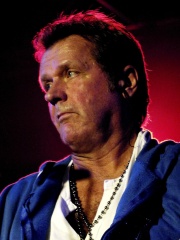
John Wetton
SINGER
1949 - 2017
HPI: 61.91
Место: 209
Valentin Inzko
POLITICIAN
1949 - наст. время
HPI: 61.91
Место: 210

Hyon Yong-chol
POLITICIAN
1949 - 2015
HPI: 61.87
Место: 211

Mitsunori Fujiguchi
SOCCER PLAYER
1949 - наст. время
HPI: 61.84
Место: 212
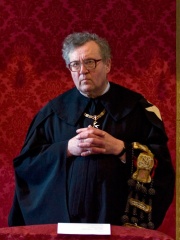
Matthew Festing
RELIGIOUS FIGURE
1949 - 2021
HPI: 61.83
Место: 213
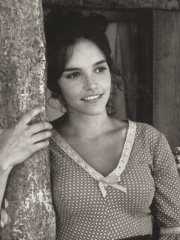
Brooke Adams
ACTOR
1949 - наст. время
HPI: 61.83
Место: 214
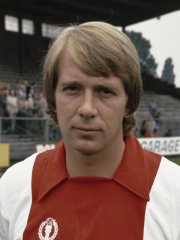
Henning Jensen
SOCCER PLAYER
1949 - 2017
HPI: 61.78
Место: 215

Eric Carmen
SINGER
1949 - 2024
HPI: 61.75
Место: 216
В стране Австрия
Среди людей, родившихся в стране Австрия, Valentin Inzko занимает 523-е место из 1,424. Перед ним идут Karl Menger (1902), Haim Bar-Lev (1924), Anne of Austria, Margravine of Brandenburg (1280), Anton Graf von Arco auf Valley (1897), Tobias Moretti (1959), и August Eigruber (1907). После него идут Inge Morath (1923), Georg Rafael Donner (1693), Thomas Muster (1967), Alfréd Wetzler (1918), Anton Karas (1906), и Boris Kidrič (1912).
Другие люди, родившиеся в стране Австрия
Все рейтинги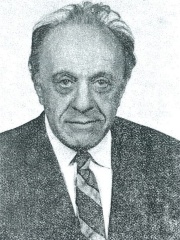
Karl Menger
MATHEMATICIAN
1902 - 1985
HPI: 62.12
Место: 517
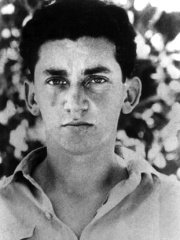
Haim Bar-Lev
POLITICIAN
1924 - 1994
HPI: 62.10
Место: 518
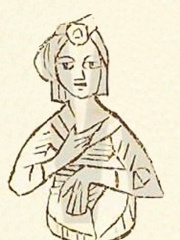
Anne of Austria, Margravine of Brandenburg
NOBLEMAN
1280 - 1327
HPI: 62.05
Место: 519
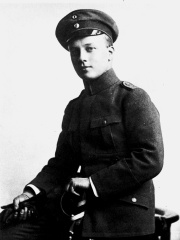
Anton Graf von Arco auf Valley
EXTREMIST
1897 - 1945
HPI: 61.99
Место: 520

Tobias Moretti
ACTOR
1959 - наст. время
HPI: 61.98
Место: 521
August Eigruber
POLITICIAN
1907 - 1947
HPI: 61.91
Место: 522
Valentin Inzko
POLITICIAN
1949 - наст. время
HPI: 61.91
Место: 523
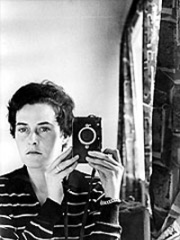
Inge Morath
PHOTOGRAPHER
1923 - 2002
HPI: 61.90
Место: 524
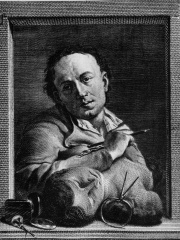
Georg Rafael Donner
SCULPTOR
1693 - 1741
HPI: 61.88
Место: 525

Thomas Muster
TENNIS PLAYER
1967 - наст. время
HPI: 61.88
Место: 526
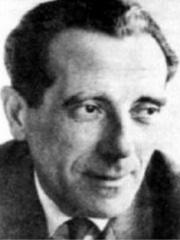
Alfréd Wetzler
WRITER
1918 - 1988
HPI: 61.87
Место: 527
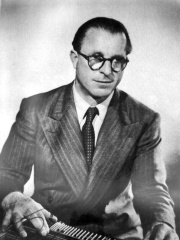
Anton Karas
MUSICIAN
1906 - 1985
HPI: 61.87
Место: 528
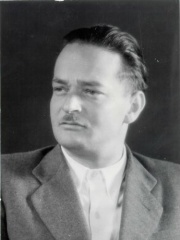
Boris Kidrič
POLITICIAN
1912 - 1953
HPI: 61.86
Место: 529
Среди представителей профессии «Политик» в стране Австрия
Среди представителей профессии «Политик», родившихся в стране Австрия, Valentin Inzko занимает 155-е место. Перед ним идут Leopold Figl (1902), Otto Wächter (1901), Julius Raab (1891), Archduke Wilhelm Franz of Austria (1827), Haim Bar-Lev (1924), и August Eigruber (1907). После него идут Boris Kidrič (1912), Jacob Stainer (1619), Iuliu Maniu (1873), Karl von Stürgkh (1859), Fred Sinowatz (1929), и Károly Huszár (1882).
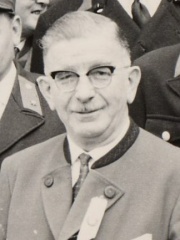
Leopold Figl
1902 - 1965
HPI: 62.47
Место: 149
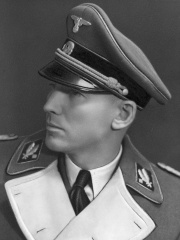
Otto Wächter
1901 - 1949
HPI: 62.28
Место: 150
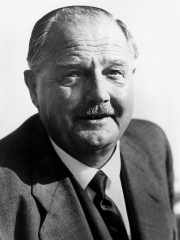
Julius Raab
1891 - 1964
HPI: 62.22
Место: 151
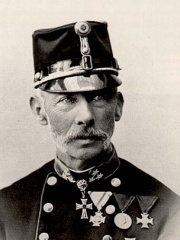
Archduke Wilhelm Franz of Austria
1827 - 1894
HPI: 62.14
Место: 152
Haim Bar-Lev
1924 - 1994
HPI: 62.10
Место: 153
August Eigruber
1907 - 1947
HPI: 61.91
Место: 154
Valentin Inzko
1949 - наст. время
HPI: 61.91
Место: 155
Boris Kidrič
1912 - 1953
HPI: 61.86
Место: 156

Jacob Stainer
1619 - 1683
HPI: 61.85
Место: 157
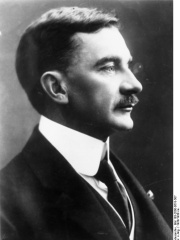
Iuliu Maniu
1873 - 1953
HPI: 61.75
Место: 158
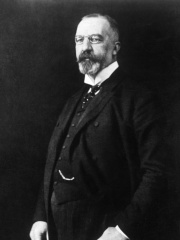
Karl von Stürgkh
1859 - 1916
HPI: 61.74
Место: 159
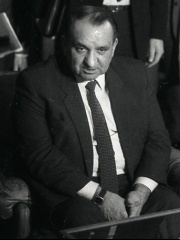
Fred Sinowatz
1929 - 2008
HPI: 61.70
Место: 160
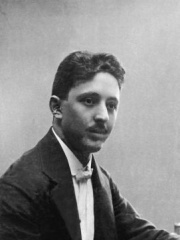
Károly Huszár
1882 - 1941
HPI: 61.68
Место: 161




