Politiker
Valentin Inzko
1949 - heute
DE.WIKIPEDIA-SEITENAUFRUFE (PV)
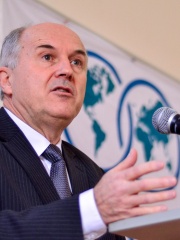
 Valentin Inzko
Seine Biografie ist in 27 verschiedenen Sprachen auf Wikipedia verfügbar. Valentin Inzko ist der 9,382nd beliebteste Politiker (gestiegen vom 10,123rd im Jahr 2024), die 523rd beliebteste Biografie aus Österreich (gestiegen vom 598th im Jahr 2019) und der 155th beliebteste aus Österreich Politiker.
Bekanntheitsmetriken
29k
Seitenaufrufe
Letzte 12 Monate
61.91
HPI
Historischer Popularitätsindex
Seitenaufrufe von Valentin Inzko nach Sprache
Unter Politiker
Unter Politiker belegt Valentin Inzko Rang 9,377 von 19,576. Vor ihm stehen Philipp, Prince of Eulenburg, Enric Prat de la Riba, Godepert, August Eigruber, Emperor Fei of Jin, und Söyembikä of Kazan. Nach ihm folgen Gnaeus Cornelius Lentulus Clodianus, Bill Pickering, Rehavam Ze'evi, Iona Nikitchenko, Bernhard III, Duke of Saxe-Meiningen, und Alexander Novikov.
Die beliebtesten Politiker auf Wikipedia
Zu allen Ranglisten
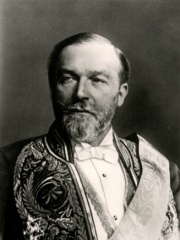
Philipp, Prince of Eulenburg
1847 - 1921
HPI: 61.91
Rang: 9,376
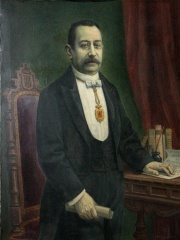
Enric Prat de la Riba
1870 - 1917
HPI: 61.91
Rang: 9,377

Godepert
610 - 662
HPI: 61.91
Rang: 9,378
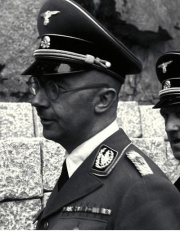
August Eigruber
1907 - 1947
HPI: 61.91
Rang: 9,379

Emperor Fei of Jin
342 - 386
HPI: 61.91
Rang: 9,380
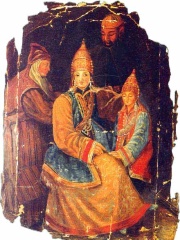
Söyembikä of Kazan
1516 - 1557
HPI: 61.91
Rang: 9,381
Valentin Inzko
1949 - heute
HPI: 61.91
Rang: 9,382
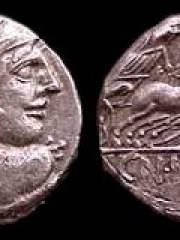
Gnaeus Cornelius Lentulus Clodianus
113 BC - 100 BC
HPI: 61.91
Rang: 9,383

Bill Pickering
1910 - 2004
HPI: 61.90
Rang: 9,384
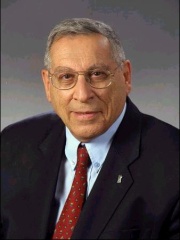
Rehavam Ze'evi
1926 - 2001
HPI: 61.90
Rang: 9,385
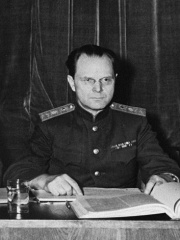
Iona Nikitchenko
1895 - 1967
HPI: 61.90
Rang: 9,386
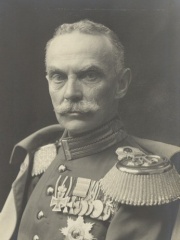
Bernhard III, Duke of Saxe-Meiningen
1851 - 1928
HPI: 61.90
Rang: 9,387
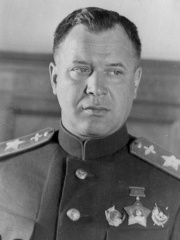
Alexander Novikov
1900 - 1976
HPI: 61.90
Rang: 9,388

Zeitgenossen
Unter den im Jahr 1949 Geborenen belegt Valentin Inzko Rang 210. Vor ihm stehen Franco Causio, Paul Guilfoyle, Andy Kaufman, Phil Lynott, Diana Nyad, und John Wetton. Nach ihm folgen Hyon Yong-chol, Mitsunori Fujiguchi, Matthew Festing, Brooke Adams, Henning Jensen, und Eric Carmen.
Weitere im Jahr 1949 Geborene
Zu allen Ranglisten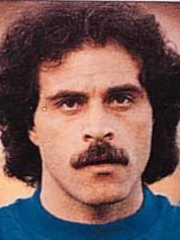
Franco Causio
SOCCER PLAYER
1949 - heute
HPI: 62.09
Rang: 204

Paul Guilfoyle
ACTOR
1949 - heute
HPI: 62.09
Rang: 205
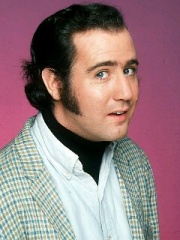
Andy Kaufman
COMEDIAN
1949 - 1984
HPI: 62.07
Rang: 206
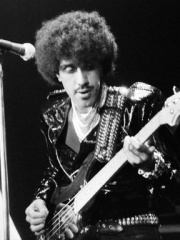
Phil Lynott
MUSICIAN
1949 - 1986
HPI: 61.99
Rang: 207
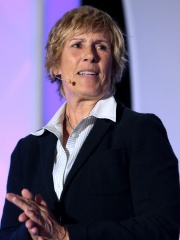
Diana Nyad
JOURNALIST
1949 - heute
HPI: 61.97
Rang: 208
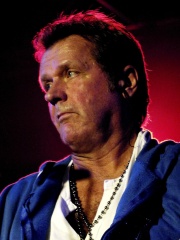
John Wetton
SINGER
1949 - 2017
HPI: 61.91
Rang: 209
Valentin Inzko
POLITICIAN
1949 - heute
HPI: 61.91
Rang: 210

Hyon Yong-chol
POLITICIAN
1949 - 2015
HPI: 61.87
Rang: 211

Mitsunori Fujiguchi
SOCCER PLAYER
1949 - heute
HPI: 61.84
Rang: 212
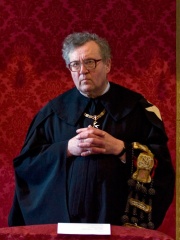
Matthew Festing
RELIGIOUS FIGURE
1949 - 2021
HPI: 61.83
Rang: 213
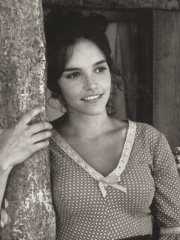
Brooke Adams
ACTOR
1949 - heute
HPI: 61.83
Rang: 214
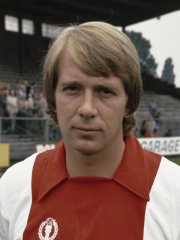
Henning Jensen
SOCCER PLAYER
1949 - 2017
HPI: 61.78
Rang: 215
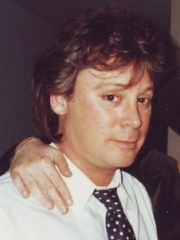
Eric Carmen
SINGER
1949 - 2024
HPI: 61.75
Rang: 216
In Österreich
Unter den in Österreich Geborenen belegt Valentin Inzko Rang 523 von NaN. Vor ihm stehen Karl Menger (1902), Haim Bar-Lev (1924), Anne of Austria, Margravine of Brandenburg (1280), Anton Graf von Arco auf Valley (1897), Tobias Moretti (1959), und August Eigruber (1907). Nach ihm folgen Inge Morath (1923), Georg Rafael Donner (1693), Thomas Muster (1967), Alfréd Wetzler (1918), Anton Karas (1906), und Boris Kidrič (1912).
Weitere in Österreich geborene Personen
Zu allen Ranglisten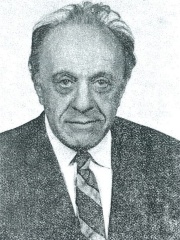
Karl Menger
MATHEMATICIAN
1902 - 1985
HPI: 62.12
Rang: 517
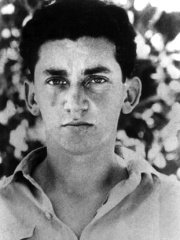
Haim Bar-Lev
POLITICIAN
1924 - 1994
HPI: 62.10
Rang: 518
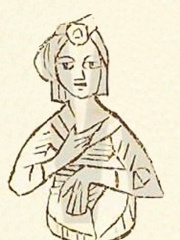
Anne of Austria, Margravine of Brandenburg
NOBLEMAN
1280 - 1327
HPI: 62.05
Rang: 519
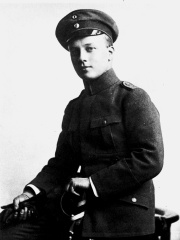
Anton Graf von Arco auf Valley
EXTREMIST
1897 - 1945
HPI: 61.99
Rang: 520

Tobias Moretti
ACTOR
1959 - heute
HPI: 61.98
Rang: 521
August Eigruber
POLITICIAN
1907 - 1947
HPI: 61.91
Rang: 522
Valentin Inzko
POLITICIAN
1949 - heute
HPI: 61.91
Rang: 523
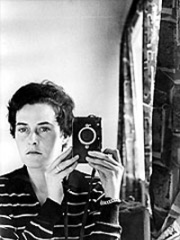
Inge Morath
PHOTOGRAPHER
1923 - 2002
HPI: 61.90
Rang: 524
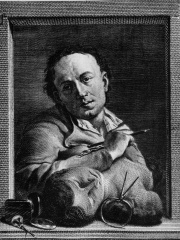
Georg Rafael Donner
SCULPTOR
1693 - 1741
HPI: 61.88
Rang: 525
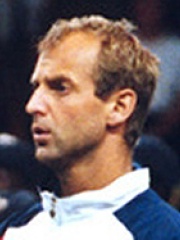
Thomas Muster
TENNIS PLAYER
1967 - heute
HPI: 61.88
Rang: 526
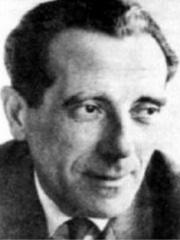
Alfréd Wetzler
WRITER
1918 - 1988
HPI: 61.87
Rang: 527
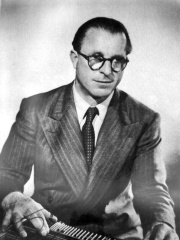
Anton Karas
MUSICIAN
1906 - 1985
HPI: 61.87
Rang: 528
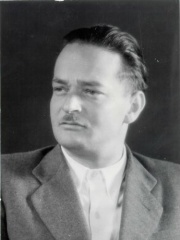
Boris Kidrič
POLITICIAN
1912 - 1953
HPI: 61.86
Rang: 529
Unter Politiker in Österreich
Unter den in Österreich geborenen Politiker belegt Valentin Inzko Rang 155. Vor ihm stehen Leopold Figl (1902), Otto Wächter (1901), Julius Raab (1891), Archduke Wilhelm Franz of Austria (1827), Haim Bar-Lev (1924), und August Eigruber (1907). Nach ihm folgen Boris Kidrič (1912), Jacob Stainer (1619), Iuliu Maniu (1873), Karl von Stürgkh (1859), Fred Sinowatz (1929), und Károly Huszár (1882).
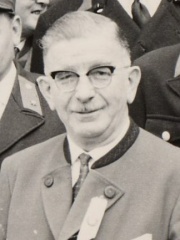
Leopold Figl
1902 - 1965
HPI: 62.47
Rang: 149
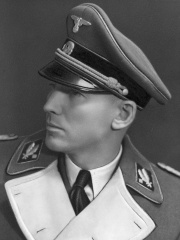
Otto Wächter
1901 - 1949
HPI: 62.28
Rang: 150
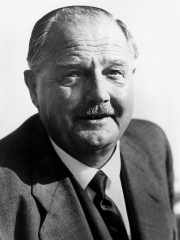
Julius Raab
1891 - 1964
HPI: 62.22
Rang: 151
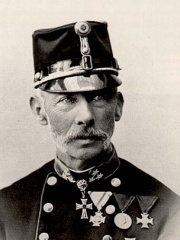
Archduke Wilhelm Franz of Austria
1827 - 1894
HPI: 62.14
Rang: 152
Haim Bar-Lev
1924 - 1994
HPI: 62.10
Rang: 153
August Eigruber
1907 - 1947
HPI: 61.91
Rang: 154
Valentin Inzko
1949 - heute
HPI: 61.91
Rang: 155
Boris Kidrič
1912 - 1953
HPI: 61.86
Rang: 156

Jacob Stainer
1619 - 1683
HPI: 61.85
Rang: 157
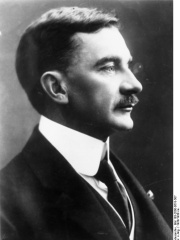
Iuliu Maniu
1873 - 1953
HPI: 61.75
Rang: 158
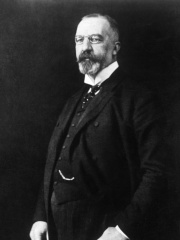
Karl von Stürgkh
1859 - 1916
HPI: 61.74
Rang: 159
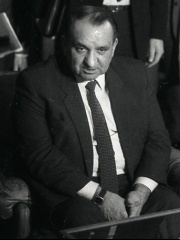
Fred Sinowatz
1929 - 2008
HPI: 61.70
Rang: 160
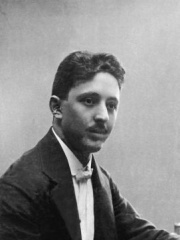
Károly Huszár
1882 - 1941
HPI: 61.68
Rang: 161




