Político
Karim Khalili
1950 - presente
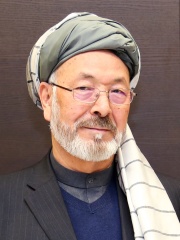
 Karim Khalili
Sua biografia está disponível em 17 idiomas na Wikipédia (aumento em relação a 16 em 2024). Karim Khalili é o 14056º político mais popular (subiu do 15338º em 2024), a 114ª biografia mais popular do Afeganistão (subiu do 125ª em 2019) e o 79º político mais popular do Afeganistão.
Memorability Metrics
27k
Page Views
Past 12 months
57.09
HPI
Historical Popularity Index
Page views of Karim Khalili by language
Among Políticos
Among políticos, Karim Khalili ranks 14,050 out of 19,576. Before him are José Posada Herrera, Choe Thae-bok, Giovanni Pesaro, David Padilla, Pia Kjærsgaard, and Tony Abbott. After him are King Kuang of Zhou, Adalbert I, Margrave of Tuscany, Liutprand of Benevento, Gertrude of Brunswick, Buenaventura Báez, and Ephraïm Inoni.
Most Popular Políticos in Wikipedia
Go to all Rankings
José Posada Herrera
1814 - 1885
HPI: 57.10
Rank: 14,050

Choe Thae-bok
1930 - 2024
HPI: 57.10
Rank: 14,051
Giovanni Pesaro
1589 - 1659
HPI: 57.10
Rank: 14,052
David Padilla
1927 - 2016
HPI: 57.09
Rank: 14,053
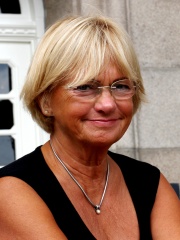
Pia Kjærsgaard
1947 - Present
HPI: 57.09
Rank: 14,054
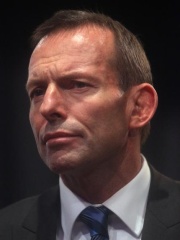
Tony Abbott
1957 - Present
HPI: 57.09
Rank: 14,055
Karim Khalili
1950 - Present
HPI: 57.09
Rank: 14,056

King Kuang of Zhou
HPI: 57.09
Rank: 14,057

Adalbert I, Margrave of Tuscany
820 - 886
HPI: 57.09
Rank: 14,058
Liutprand of Benevento
750 - Present
HPI: 57.09
Rank: 14,059
Gertrude of Brunswick
1060 - 1117
HPI: 57.08
Rank: 14,060

Buenaventura Báez
1812 - 1884
HPI: 57.08
Rank: 14,061
Ephraïm Inoni
1947 - Present
HPI: 57.08
Rank: 14,062

Contemporaries
Among people born in 1950, Karim Khalili ranks 346. Before him are Oswaldo de Oliveira, Włodzimierz Cimoszewicz, Tatjana Ždanoka, Kristina Wayborn, Michael Tomasello, and Susana Higuchi. After him are Maricica Puică, Thom Barry, Debbie Allen, Christian Zacharias, Ulf Ekman, and Liz Chase.
Others Born in 1950
Go to all Rankings
Oswaldo de Oliveira
COACH
1950 - Present
HPI: 57.15
Rank: 340
Włodzimierz Cimoszewicz
POLITICIAN
1950 - Present
HPI: 57.13
Rank: 341
Tatjana Ždanoka
POLITICIAN
1950 - Present
HPI: 57.12
Rank: 342
Kristina Wayborn
ACTOR
1950 - Present
HPI: 57.11
Rank: 343

Michael Tomasello
PSYCHOLOGIST
1950 - Present
HPI: 57.11
Rank: 344

Susana Higuchi
POLITICIAN
1950 - 2021
HPI: 57.10
Rank: 345
Karim Khalili
POLITICIAN
1950 - Present
HPI: 57.09
Rank: 346
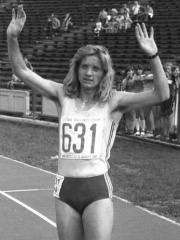
Maricica Puică
ATHLETE
1950 - Present
HPI: 57.06
Rank: 347

Thom Barry
ACTOR
1950 - Present
HPI: 57.04
Rank: 348
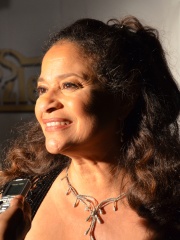
Debbie Allen
ACTOR
1950 - Present
HPI: 57.02
Rank: 349
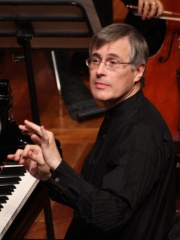
Christian Zacharias
MUSICIAN
1950 - Present
HPI: 57.00
Rank: 350
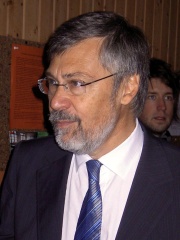
Ulf Ekman
RELIGIOUS FIGURE
1950 - Present
HPI: 56.99
Rank: 351

Liz Chase
ATHLETE
1950 - 2018
HPI: 56.99
Rank: 352
In Afeganistão
Among people born in Afeganistão, Karim Khalili ranks 114 out of NaN. Before him are Mohammad Afzal Khan (1811), Zalmay Khalilzad (1951), Zuhal Atmar (null), Sima Samar (1957), Kamran Mirza (1512), and Amrullah Saleh (1972). After him are Vima Takto (100), Heliocles I (-200), Amr ibn al-Layth (null), Sultan Ali Keshtmand (1935), Ali Shah Durrani (1800), and Ayub Shah Durrani (1800).
Others born in Afeganistão
Go to all Rankings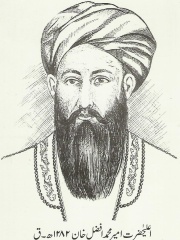
Mohammad Afzal Khan
POLITICIAN
1811 - 1867
HPI: 58.25
Rank: 108
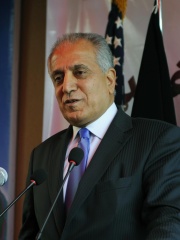
Zalmay Khalilzad
POLITICIAN
1951 - Present
HPI: 57.94
Rank: 109

Zuhal Atmar
BUSINESSPERSON
HPI: 57.56
Rank: 110
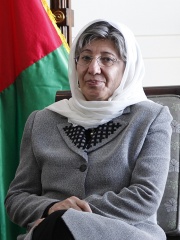
Sima Samar
POLITICIAN
1957 - Present
HPI: 57.21
Rank: 111
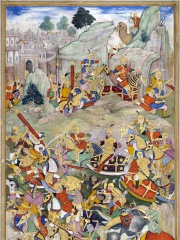
Kamran Mirza
POLITICIAN
1512 - 1557
HPI: 57.18
Rank: 112
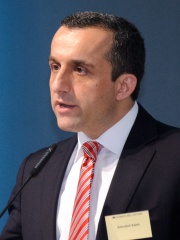
Amrullah Saleh
POLITICIAN
1972 - Present
HPI: 57.16
Rank: 113
Karim Khalili
POLITICIAN
1950 - Present
HPI: 57.09
Rank: 114
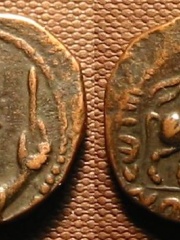
Vima Takto
POLITICIAN
100 - Present
HPI: 57.05
Rank: 115
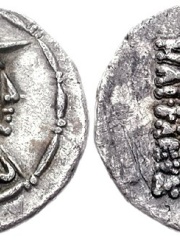
Heliocles I
POLITICIAN
200 BC - 200 BC
HPI: 56.85
Rank: 116
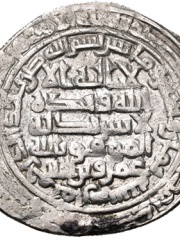
Amr ibn al-Layth
POLITICIAN
HPI: 56.80
Rank: 117

Sultan Ali Keshtmand
POLITICIAN
1935 - Present
HPI: 56.69
Rank: 118

Ali Shah Durrani
POLITICIAN
1800 - 1900
HPI: 56.33
Rank: 119
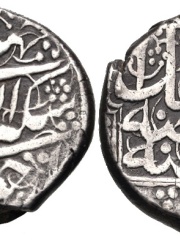
Ayub Shah Durrani
POLITICIAN
1800 - 1837
HPI: 56.02
Rank: 120
Among Políticos In Afeganistão
Among políticos born in Afeganistão, Karim Khalili ranks 79. Before him are Abdul Kabir (1958), Mohammad Afzal Khan (1811), Zalmay Khalilzad (1951), Sima Samar (1957), Kamran Mirza (1512), and Amrullah Saleh (1972). After him are Vima Takto (100), Heliocles I (-200), Amr ibn al-Layth (null), Sultan Ali Keshtmand (1935), Ali Shah Durrani (1800), and Ayub Shah Durrani (1800).
Abdul Kabir
1958 - Present
HPI: 58.40
Rank: 73
Mohammad Afzal Khan
1811 - 1867
HPI: 58.25
Rank: 74
Zalmay Khalilzad
1951 - Present
HPI: 57.94
Rank: 75
Sima Samar
1957 - Present
HPI: 57.21
Rank: 76
Kamran Mirza
1512 - 1557
HPI: 57.18
Rank: 77
Amrullah Saleh
1972 - Present
HPI: 57.16
Rank: 78
Karim Khalili
1950 - Present
HPI: 57.09
Rank: 79
Vima Takto
100 - Present
HPI: 57.05
Rank: 80
Heliocles I
200 BC - 200 BC
HPI: 56.85
Rank: 81
Amr ibn al-Layth
HPI: 56.80
Rank: 82
Sultan Ali Keshtmand
1935 - Present
HPI: 56.69
Rank: 83
Ali Shah Durrani
1800 - 1900
HPI: 56.33
Rank: 84
Ayub Shah Durrani
1800 - 1837
HPI: 56.02
Rank: 85




