Político
Gudea
2200 BC - 2200 BC
VISUALIZAÇÕES EM PT.WIKIPEDIA (PV)
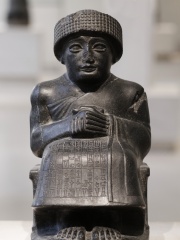
 Gudea
Gudea
Sua biografia está disponível em 39 idiomas na Wikipédia. Gudea é o 1687º político mais popular (caiu do 1108º em 2024), a 40ª biografia mais popular do Iraque (caiu do 32ª em 2019) e o 21º político mais popular do Iraque.
Métricas de memorabilidade
69k
Visualizações
Últimos 12 meses
73.22
HPI
Índice de Popularidade Histórica
Destaques dos dados
#1
Das 20 pessoas do Pantheon nascidas em 2200 BC, Gudea é a mais memorável.
#5,337
Mais de 42 séculos após a morte, Gudea ainda ocupa a posição nº 5,337 entre todas as personalidades do Pantheon.
39
A biografia de Gudea aparece em 39 edições de idiomas da Wikipédia — mais do que 82% de todos os Político.
Visualizações da página de Gudea por idioma
Entre Político
Entre Político, Gudea ocupa a posição 1,686 de 19,576. Antes dele vêm Michelle Bachelet, Baldwin II of Jerusalem, Emperor Taizu of Song, Sauli Niinistö, Manasseh of Judah, e Ferdinand II of the Two Sicilies. Depois dele vêm Esarhaddon, Masoud Barzani, Édouard Mortier, Duke of Trévise, Pupienus, Carlos I of Portugal, e Levi Eshkol.
Político mais populares na Wikipédia
Ver todas as classificações
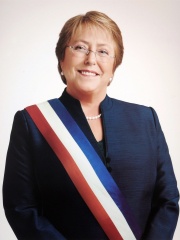
Michelle Bachelet
1951 - presente
HPI: 73.24
Posição: 1,681
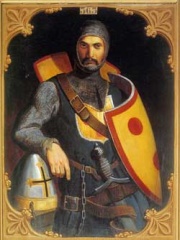
Baldwin II of Jerusalem
1060 - 1131
HPI: 73.24
Posição: 1,682
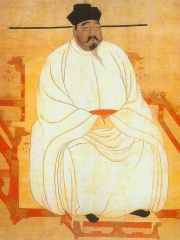
Emperor Taizu of Song
927 - 976
HPI: 73.23
Posição: 1,683

Sauli Niinistö
1948 - presente
HPI: 73.22
Posição: 1,684

Manasseh of Judah
800 BC - 642 BC
HPI: 73.22
Posição: 1,685
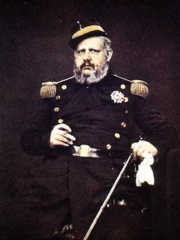
Ferdinand II of the Two Sicilies
1810 - 1859
HPI: 73.22
Posição: 1,686
Gudea
2200 BC - 2200 BC
HPI: 73.22
Posição: 1,687
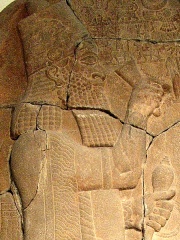
Esarhaddon
800 BC - 669 BC
HPI: 73.21
Posição: 1,688
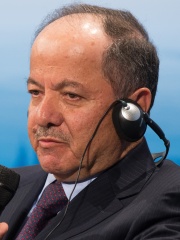
Masoud Barzani
1946 - presente
HPI: 73.21
Posição: 1,689
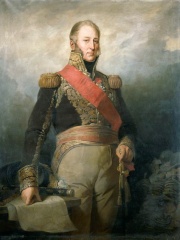
Édouard Mortier, Duke of Trévise
1768 - 1835
HPI: 73.21
Posição: 1,690

Pupienus
170 - 238
HPI: 73.21
Posição: 1,691
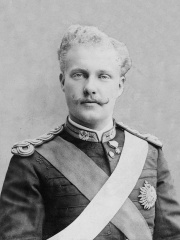
Carlos I of Portugal
1863 - 1908
HPI: 73.21
Posição: 1,692
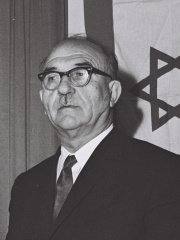
Levi Eshkol
1895 - 1969
HPI: 73.21
Posição: 1,693

Contemporâneos
Entre as pessoas nascidas em 2200 BC, Gudea ocupa a posição 1. Depois dele vêm Ur-Nammu, Intef I, Mentuhotep I, Qi of Xia, Shulgi, Utu-hengal, Zhong Kang, Neferkare, ninth dynasty, Menkare, Wahkare Khety, e Neferkare Pepiseneb. Entre as pessoas falecidas em 2200 BC, Gudea ocupa a posição 2. Antes dele vem Pepi II Neferkare. Depois dele vêm Mentuhotep I, Qi of Xia, Merenre Nemtyemsaf II, Neferkaure, Utu-hengal, Zhong Kang, Neferkare, ninth dynasty, Dudu of Akkad, Menkare, e Tai Kang.
Outras pessoas nascidas em 2200 BC
Ver todas as classificaçõesGudea
POLITICIAN
2200 BC - 2200 BC
HPI: 73.22
Posição: 1
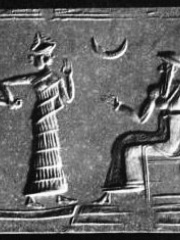
Ur-Nammu
POLITICIAN
2200 BC - 2094 BC
HPI: 72.66
Posição: 2
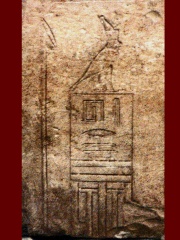
Intef I
POLITICIAN
2200 BC - 2121 BC
HPI: 69.40
Posição: 3
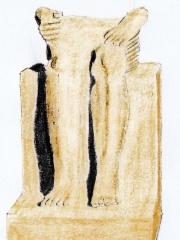
Mentuhotep I
POLITICIAN
2200 BC - 2200 BC
HPI: 68.64
Posição: 4
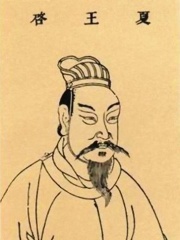
Qi of Xia
POLITICIAN
2200 BC - 2200 BC
HPI: 68.03
Posição: 5
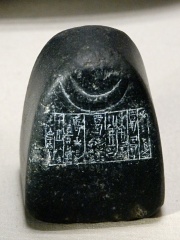
Shulgi
POLITICIAN
2200 BC - 2046 BC
HPI: 66.62
Posição: 6
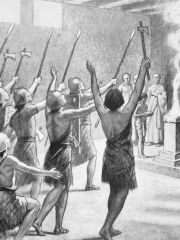
Utu-hengal
POLITICIAN
2200 BC - 2200 BC
HPI: 66.34
Posição: 7

Zhong Kang
POLITICIAN
2200 BC - 2200 BC
HPI: 64.95
Posição: 8

Neferkare, ninth dynasty
POLITICIAN
2200 BC - 2200 BC
HPI: 64.64
Posição: 9

Menkare
POLITICIAN
2200 BC - 2200 BC
HPI: 62.88
Posição: 10
Wahkare Khety
POLITICIAN
2200 BC - 2200 BC
HPI: 62.23
Posição: 11
Neferkare Pepiseneb
POLITICIAN
2200 BC - 2200 BC
HPI: 61.12
Posição: 12
Outras pessoas falecidas em 2200 BC
Ver todas as classificações
Pepi II Neferkare
POLITICIAN
2284 BC - 2200 BC
HPI: 74.91
Posição: 1
Gudea
POLITICIAN
2200 BC - 2200 BC
HPI: 73.22
Posição: 2
Mentuhotep I
POLITICIAN
2200 BC - 2200 BC
HPI: 68.64
Posição: 3
Qi of Xia
POLITICIAN
2200 BC - 2200 BC
HPI: 68.03
Posição: 4
Merenre Nemtyemsaf II
POLITICIAN
2300 BC - 2200 BC
HPI: 67.77
Posição: 5
Neferkaure
POLITICIAN
2150 BC - 2200 BC
HPI: 66.70
Posição: 6
Utu-hengal
POLITICIAN
2200 BC - 2200 BC
HPI: 66.34
Posição: 7
Zhong Kang
POLITICIAN
2200 BC - 2200 BC
HPI: 64.95
Posição: 8
Neferkare, ninth dynasty
POLITICIAN
2200 BC - 2200 BC
HPI: 64.64
Posição: 9
Dudu of Akkad
POLITICIAN
2300 BC - 2200 BC
HPI: 63.29
Posição: 10
Menkare
POLITICIAN
2200 BC - 2200 BC
HPI: 62.88
Posição: 11
Tai Kang
POLITICIAN
HPI: 62.37
Posição: 12
Em Iraque
Entre as pessoas nascidas em Iraque, Gudea ocupa a posição 40 de 384. Antes dele vêm Antiochus I Soter (-324), Sinsharishkun (-700), Enheduanna (-2300), Ahmad ibn Fadlan (900), Ismail al-Jazari (1136), e Al-Mu'tasim (796). Depois dele vêm Abdul Latif Rashid (1944), Abu Bakr al-Baghdadi (1971), Nahum (-600), Al-Ash'ari (873), Al-Musta'sim (1213), e Ahmed Hassan al-Bakr (1914).
Outras pessoas nascidas em Iraque
Ver todas as classificações
Antiochus I Soter
POLITICIAN
324 BC - 261 BC
HPI: 74.33
Posição: 34
Sinsharishkun
POLITICIAN
700 BC - 612 BC
HPI: 74.19
Posição: 35
Enheduanna
WRITER
2300 BC - 2300 BC
HPI: 74.16
Posição: 36

Ahmad ibn Fadlan
WRITER
900 - 960
HPI: 73.87
Posição: 37
Ismail al-Jazari
INVENTOR
1136 - 1206
HPI: 73.82
Posição: 38
Al-Mu'tasim
POLITICIAN
796 - 842
HPI: 73.39
Posição: 39
Gudea
POLITICIAN
2200 BC - 2200 BC
HPI: 73.22
Posição: 40
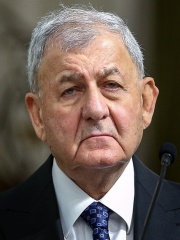
Abdul Latif Rashid
POLITICIAN
1944 - presente
HPI: 73.19
Posição: 41
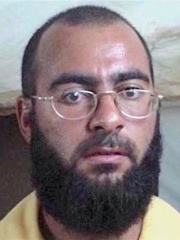
Abu Bakr al-Baghdadi
EXTREMIST
1971 - 2019
HPI: 73.04
Posição: 42
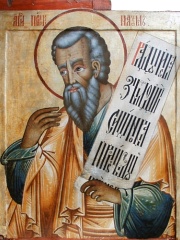
Nahum
POLITICIAN
600 BC - 700 BC
HPI: 72.86
Posição: 43
Al-Ash'ari
PHILOSOPHER
873 - 936
HPI: 72.85
Posição: 44
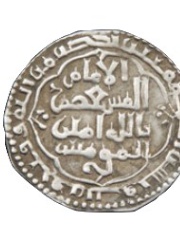
Al-Musta'sim
POLITICIAN
1213 - 1258
HPI: 72.74
Posição: 45
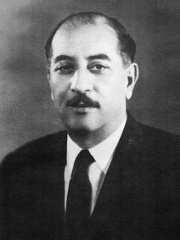
Ahmed Hassan al-Bakr
POLITICIAN
1914 - 1982
HPI: 72.67
Posição: 46
Entre Político em Iraque
Entre Político nascidos em Iraque, Gudea ocupa a posição 21. Antes dele vêm Faisal II of Iraq (1935), Jalal Talabani (1933), Šuppiluliuma I (-1344), Antiochus I Soter (-324), Sinsharishkun (-700), e Al-Mu'tasim (796). Depois dele vêm Abdul Latif Rashid (1944), Nahum (-600), Al-Musta'sim (1213), Ahmed Hassan al-Bakr (1914), Ur-Nammu (-2200), e Suleyman Shah (1178).
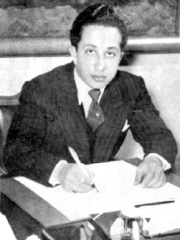
Faisal II of Iraq
1935 - 1958
HPI: 75.71
Posição: 15
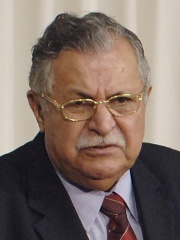
Jalal Talabani
1933 - 2017
HPI: 74.91
Posição: 16
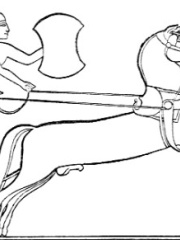
Šuppiluliuma I
1344 BC - 1321 BC
HPI: 74.57
Posição: 17
Antiochus I Soter
324 BC - 261 BC
HPI: 74.33
Posição: 18
Sinsharishkun
700 BC - 612 BC
HPI: 74.19
Posição: 19
Al-Mu'tasim
796 - 842
HPI: 73.39
Posição: 20
Gudea
2200 BC - 2200 BC
HPI: 73.22
Posição: 21
Abdul Latif Rashid
1944 - presente
HPI: 73.19
Posição: 22
Nahum
600 BC - 700 BC
HPI: 72.86
Posição: 23
Al-Musta'sim
1213 - 1258
HPI: 72.74
Posição: 24
Ahmed Hassan al-Bakr
1914 - 1982
HPI: 72.67
Posição: 25
Ur-Nammu
2200 BC - 2094 BC
HPI: 72.66
Posição: 26
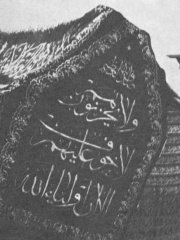
Suleyman Shah
1178 - 1236
HPI: 72.46
Posição: 27




