Politicus
Enmebaragesi
2650 BC - 2680 BC
NL.WIKIPEDIA PAGE VIEWS (PV)
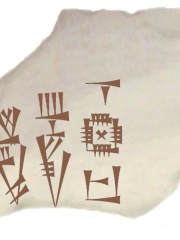
 Enmebaragesi
Zijn biografie is beschikbaar in 29 verschillende talen op Wikipedia. Enmebaragesi staat op plaats 6.216 onder de meest populaire politicus (gedaald van plaats 5.785 in 2024), plaats 163 onder de meest populaire biografieën uit Irak (gedaald van plaats 162 in 2019) en op plaats 107 onder de populairste politicus uit Irak.
Memorability Metrics
66k
Page Views
Past 12 months
65.05
HPI
Historical Popularity Index
Page views of Enmebaragesi by language
Among Politicuses
Among politicuses, Enmebaragesi ranks 6,214 out of 19,576. Before him are Mikhail Fradkov, Pharnaces I of Pontus, Wilhelmina of Prussia, Princess of Orange, Hubert Maga, Bagrat IV of Georgia, and Flavia Maxima Constantia. After him are Christian I, Elector of Saxony, Infanta Luisa Fernanda, Duchess of Montpensier, Gottfried Silbermann, Qara Osman, Osorkon II, and Rhodri the Great.
Most Popular Politicuses in Wikipedia
Go to all Rankings
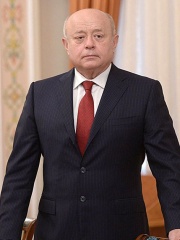
Mikhail Fradkov
1950 - Present
HPI: 65.06
Rank: 6,210
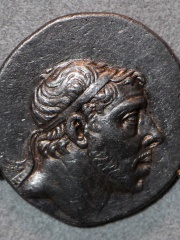
Pharnaces I of Pontus
300 BC - 159 BC
HPI: 65.05
Rank: 6,211

Wilhelmina of Prussia, Princess of Orange
1751 - 1820
HPI: 65.05
Rank: 6,212
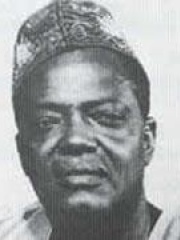
Hubert Maga
1916 - 2000
HPI: 65.05
Rank: 6,213
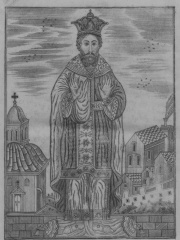
Bagrat IV of Georgia
1018 - 1072
HPI: 65.05
Rank: 6,214
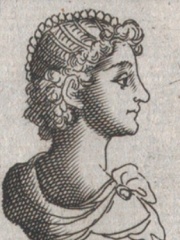
Flavia Maxima Constantia
361 - 383
HPI: 65.05
Rank: 6,215
Enmebaragesi
2650 BC - 2680 BC
HPI: 65.05
Rank: 6,216
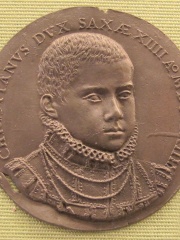
Christian I, Elector of Saxony
1560 - 1591
HPI: 65.05
Rank: 6,217
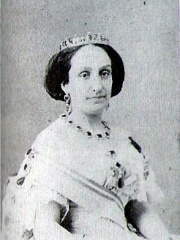
Infanta Luisa Fernanda, Duchess of Montpensier
1832 - 1897
HPI: 65.05
Rank: 6,218

Gottfried Silbermann
1683 - 1753
HPI: 65.04
Rank: 6,219

Qara Osman
1350 - 1435
HPI: 65.04
Rank: 6,220
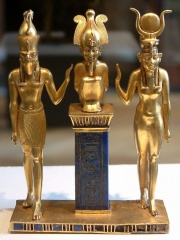
Osorkon II
1000 BC - 850 BC
HPI: 65.04
Rank: 6,221
Rhodri the Great
820 - 878
HPI: 65.03
Rank: 6,222

Contemporaries
Among people born in 2650 BC, Enmebaragesi ranks 3. Before him are Huni, and Cangjie. After him is Nofret. Among people deceased in 2680 BC, Enmebaragesi ranks 1.
Others Born in 2650 BC
Go to all Rankings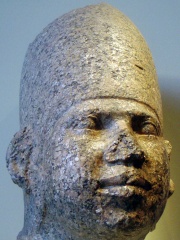
Huni
POLITICIAN
2650 BC - 2630 BC
HPI: 72.23
Rank: 1
Cangjie
HISTORIAN
2650 BC - Present
HPI: 65.55
Rank: 2
Enmebaragesi
POLITICIAN
2650 BC - 2680 BC
HPI: 65.05
Rank: 3
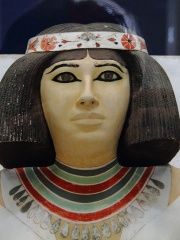
Nofret
NOBLEMAN
2650 BC - Present
HPI: 59.31
Rank: 4
Others Deceased in 2680 BC
Go to all RankingsIn Irak
Among people born in Irak, Enmebaragesi ranks 163 out of NaN. Before him are At-Ta'i (932), Surena (-84), Phraates II (-200), Ishbi-Erra (-2100), Vonones II (-25), and Artabanus I of Parthia (-200). After him are Al-Mustakfi (905), En-anna-tum I (-2500), Barham Salih (1960), Al-Khalil ibn Ahmad al-Farahidi (718), Dinkha IV (1935), and Adil Abdul-Mahdi (1942).
Others born in Irak
Go to all Rankings
At-Ta'i
POLITICIAN
932 - 1003
HPI: 65.21
Rank: 157
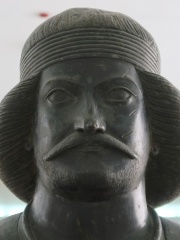
Surena
MILITARY PERSONNEL
84 BC - 52 BC
HPI: 65.17
Rank: 158
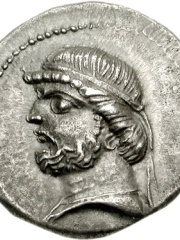
Phraates II
POLITICIAN
200 BC - 127 BC
HPI: 65.15
Rank: 159
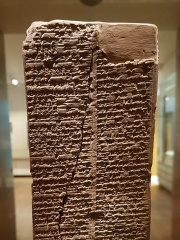
Ishbi-Erra
POLITICIAN
2100 BC - 2060 BC
HPI: 65.13
Rank: 160
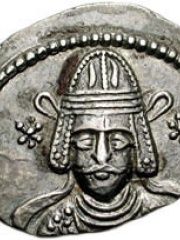
Vonones II
POLITICIAN
25 BC - 51
HPI: 65.11
Rank: 161
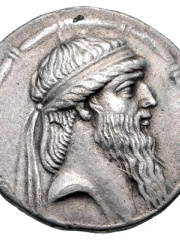
Artabanus I of Parthia
POLITICIAN
200 BC - 124 BC
HPI: 65.06
Rank: 162
Enmebaragesi
POLITICIAN
2650 BC - 2680 BC
HPI: 65.05
Rank: 163
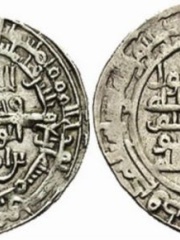
Al-Mustakfi
POLITICIAN
905 - 949
HPI: 65.03
Rank: 164
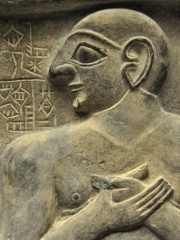
En-anna-tum I
POLITICIAN
2500 BC - 2500 BC
HPI: 65.03
Rank: 165

Barham Salih
POLITICIAN
1960 - Present
HPI: 64.99
Rank: 166

Al-Khalil ibn Ahmad al-Farahidi
WRITER
718 - 790
HPI: 64.98
Rank: 167
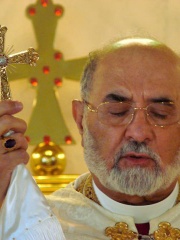
Dinkha IV
RELIGIOUS FIGURE
1935 - 2015
HPI: 64.98
Rank: 168
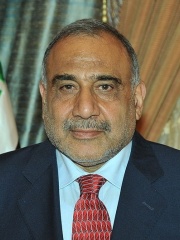
Adil Abdul-Mahdi
POLITICIAN
1942 - Present
HPI: 64.96
Rank: 169
Among Politicuses In Irak
Among politicuses born in Irak, Enmebaragesi ranks 107. Before him are Ovadia Yosef (1920), At-Ta'i (932), Phraates II (-200), Ishbi-Erra (-2100), Vonones II (-25), and Artabanus I of Parthia (-200). After him are Al-Mustakfi (905), En-anna-tum I (-2500), Barham Salih (1960), Adil Abdul-Mahdi (1942), Muhammad Najib ar-Ruba'i (1904), and Eannatum (-2500).
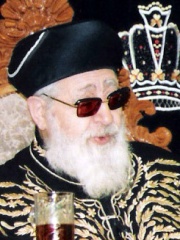
Ovadia Yosef
1920 - 2013
HPI: 65.28
Rank: 101
At-Ta'i
932 - 1003
HPI: 65.21
Rank: 102
Phraates II
200 BC - 127 BC
HPI: 65.15
Rank: 103
Ishbi-Erra
2100 BC - 2060 BC
HPI: 65.13
Rank: 104
Vonones II
25 BC - 51
HPI: 65.11
Rank: 105
Artabanus I of Parthia
200 BC - 124 BC
HPI: 65.06
Rank: 106
Enmebaragesi
2650 BC - 2680 BC
HPI: 65.05
Rank: 107
Al-Mustakfi
905 - 949
HPI: 65.03
Rank: 108
En-anna-tum I
2500 BC - 2500 BC
HPI: 65.03
Rank: 109
Barham Salih
1960 - Present
HPI: 64.99
Rank: 110
Adil Abdul-Mahdi
1942 - Present
HPI: 64.96
Rank: 111

Muhammad Najib ar-Ruba'i
1904 - 1965
HPI: 64.82
Rank: 112
Eannatum
2500 BC - 2425 BC
HPI: 64.80
Rank: 113




