Político
Ernesto Samper
1950 - presente
VISUALIZAÇÕES EM PT.WIKIPEDIA (PV)
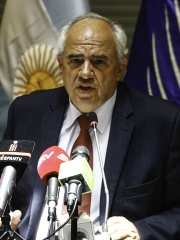
 Ernesto Samper
Sua biografia está disponível em 31 idiomas na Wikipédia. Ernesto Samper é o 7974º político mais popular (caiu do 7268º em 2024), a 32ª biografia mais popular da Colômbia (caiu do 27ª em 2019) e o 12º político mais popular da Colômbia.
Métricas de memorabilidade
200k
Visualizações
Últimos 12 meses
63.22
HPI
Índice de Popularidade Histórica
Destaques dos dados
#32 / 461
Ernesto Samper ocupa a posição nº 32 entre as 461 pessoas do Pantheon nascidas em Colômbia, entre os 7% melhores do grupo.
Visualizações da página de Ernesto Samper por idioma
Entre Político
Entre Político, Ernesto Samper ocupa a posição 7,971 de 20,022. Antes dele vêm Ignazio La Russa, George I of Bulgaria, Pierre-Étienne Flandin, Ivan Stephen of Bulgaria, Nebuchadnezzar IV, e Eleonore Reuss of Köstritz. Depois dele vêm Henry Beaufort, Aquila of Sinope, Mintimer Shaimiev, Ahmose-Meritamun, Arpa Ke'un, e Ibrahim Muteferrika.
Político mais populares na Wikipédia
Ver todas as classificações
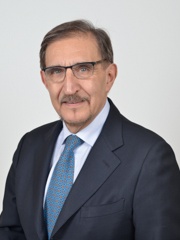
Ignazio La Russa
1947 - presente
HPI: 63.22
Posição: 7,968
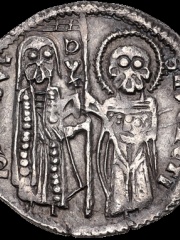
George I of Bulgaria
1300 - 1308
HPI: 63.22
Posição: 7,969
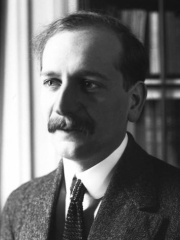
Pierre-Étienne Flandin
1889 - 1958
HPI: 63.22
Posição: 7,970
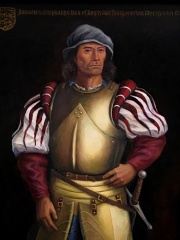
Ivan Stephen of Bulgaria
1300 - 1373
HPI: 63.22
Posição: 7,971
Nebuchadnezzar IV
600 a.C. - 521 a.C.
HPI: 63.22
Posição: 7,972
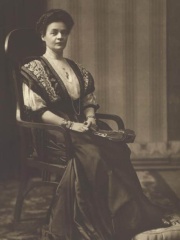
Eleonore Reuss of Köstritz
1860 - 1917
HPI: 63.22
Posição: 7,973
Ernesto Samper
1950 - presente
HPI: 63.22
Posição: 7,974
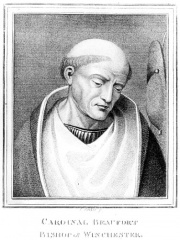
Henry Beaufort
1374 - 1447
HPI: 63.22
Posição: 7,975
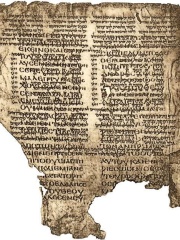
Aquila of Sinope
100 - 200
HPI: 63.22
Posição: 7,976
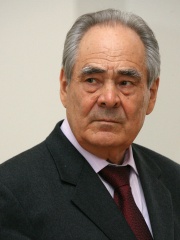
Mintimer Shaimiev
1937 - presente
HPI: 63.21
Posição: 7,977
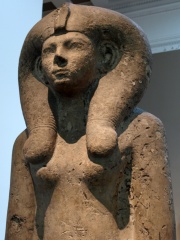
Ahmose-Meritamun
1525 a.C. - 1504 a.C.
HPI: 63.21
Posição: 7,978

Arpa Ke'un
1300 - 1336
HPI: 63.21
Posição: 7,979
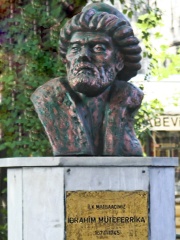
Ibrahim Muteferrika
1674 - 1745
HPI: 63.21
Posição: 7,980

Contemporâneos
Entre as pessoas nascidas em 1950, Ernesto Samper ocupa a posição 144. Antes dele vêm Moshe Ya'alon, Alberto Juantorena, Scooter Libby, Kazuhisa Kono, Julius Erving, e Nancy Allen. Depois dele vêm Péter Esterházy, Mirko Cvetković, Roberto Bettega, Vagit Alekperov, Sebastião Lazaroni, e Neda Ukraden.
Outras pessoas nascidas em 1950
Ver todas as classificações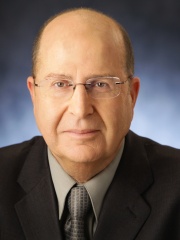
Moshe Ya'alon
POLITICIAN
1950 - presente
HPI: 63.41
Posição: 138
Alberto Juantorena
ATHLETE
1950 - presente
HPI: 63.40
Posição: 139
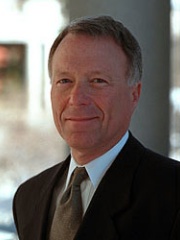
Scooter Libby
LAWYER
1950 - presente
HPI: 63.40
Posição: 140

Kazuhisa Kono
SOCCER PLAYER
1950 - presente
HPI: 63.31
Posição: 141
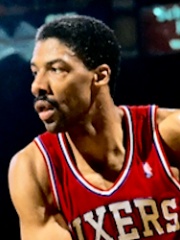
Julius Erving
BASKETBALL PLAYER
1950 - presente
HPI: 63.24
Posição: 142

Nancy Allen
ACTOR
1950 - presente
HPI: 63.23
Posição: 143
Ernesto Samper
POLITICIAN
1950 - presente
HPI: 63.22
Posição: 144
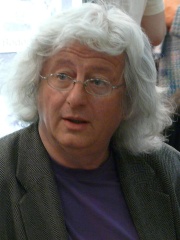
Péter Esterházy
WRITER
1950 - 2016
HPI: 63.22
Posição: 145
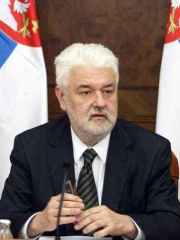
Mirko Cvetković
POLITICIAN
1950 - presente
HPI: 63.21
Posição: 146
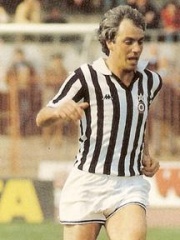
Roberto Bettega
SOCCER PLAYER
1950 - presente
HPI: 63.11
Posição: 147
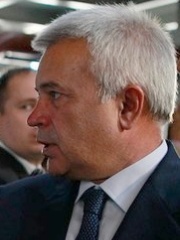
Vagit Alekperov
BUSINESSPERSON
1950 - presente
HPI: 63.09
Posição: 148

Sebastião Lazaroni
COACH
1950 - presente
HPI: 63.01
Posição: 149
Neda Ukraden
SINGER
1950 - presente
HPI: 62.93
Posição: 150
Em Colômbia
Entre as pessoas nascidas em Colômbia, Ernesto Samper ocupa a posição 32 de 461. Antes dele vêm Virgilio Barco Vargas (1921), Julio César Turbay Ayala (1916), Darío Castrillón Hoyos (1929), John Leguizamo (1964), Belisario Betancur (1923), e Álvaro Mutis (1923). Depois dele vêm Rodrigo Lara (1946), Manuel Marulanda (1930), Íngrid Betancourt (1961), Camilo Torres Restrepo (1929), James Rodríguez (1991), e Gustavo Rojas Pinilla (1900).
Outras pessoas nascidas em Colômbia
Ver todas as classificações
Virgilio Barco Vargas
POLITICIAN
1921 - 1997
HPI: 64.21
Posição: 26
Julio César Turbay Ayala
POLITICIAN
1916 - 2005
HPI: 64.15
Posição: 27
Darío Castrillón Hoyos
RELIGIOUS FIGURE
1929 - 2018
HPI: 63.93
Posição: 28
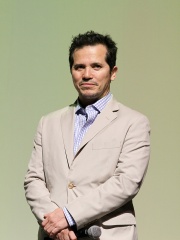
John Leguizamo
ACTOR
1964 - presente
HPI: 63.91
Posição: 29
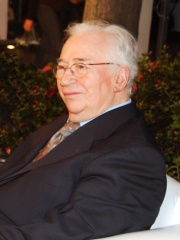
Belisario Betancur
POLITICIAN
1923 - 2018
HPI: 63.88
Posição: 30
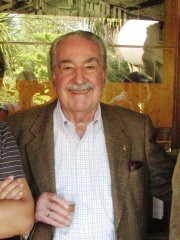
Álvaro Mutis
WRITER
1923 - 2013
HPI: 63.86
Posição: 31
Ernesto Samper
POLITICIAN
1950 - presente
HPI: 63.22
Posição: 32
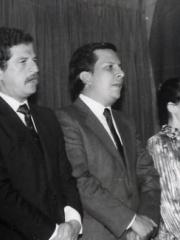
Rodrigo Lara
POLITICIAN
1946 - 1984
HPI: 63.06
Posição: 33
Manuel Marulanda
POLITICIAN
1930 - 2008
HPI: 62.87
Posição: 34
Íngrid Betancourt
POLITICIAN
1961 - presente
HPI: 62.77
Posição: 35
Camilo Torres Restrepo
SOCIAL ACTIVIST
1929 - 1966
HPI: 62.35
Posição: 36
James Rodríguez
SOCCER PLAYER
1991 - presente
HPI: 62.34
Posição: 37
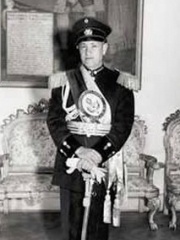
Gustavo Rojas Pinilla
POLITICIAN
1900 - 1975
HPI: 62.19
Posição: 38
Entre Político em Colômbia
Entre Político nascidos em Colômbia, Ernesto Samper ocupa a posição 12. Antes dele vêm Álvaro Uribe (1952), Luis Carlos Galán (1943), Francisco de Paula Santander (1792), Virgilio Barco Vargas (1921), Julio César Turbay Ayala (1916), e Belisario Betancur (1923). Depois dele vêm Rodrigo Lara (1946), Manuel Marulanda (1930), Íngrid Betancourt (1961), Gustavo Rojas Pinilla (1900), Alfonso López Michelsen (1913), e Jorge Eliécer Gaitán (1903).
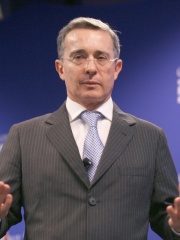
Álvaro Uribe
1952 - presente
HPI: 66.04
Posição: 6
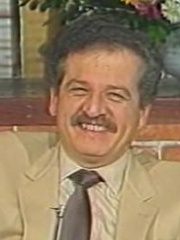
Luis Carlos Galán
1943 - 1989
HPI: 65.17
Posição: 7
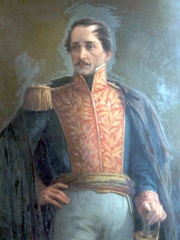
Francisco de Paula Santander
1792 - 1840
HPI: 64.25
Posição: 8
Virgilio Barco Vargas
1921 - 1997
HPI: 64.21
Posição: 9
Julio César Turbay Ayala
1916 - 2005
HPI: 64.15
Posição: 10
Belisario Betancur
1923 - 2018
HPI: 63.88
Posição: 11
Ernesto Samper
1950 - presente
HPI: 63.22
Posição: 12
Rodrigo Lara
1946 - 1984
HPI: 63.06
Posição: 13
Manuel Marulanda
1930 - 2008
HPI: 62.87
Posição: 14
Íngrid Betancourt
1961 - presente
HPI: 62.77
Posição: 15
Gustavo Rojas Pinilla
1900 - 1975
HPI: 62.19
Posição: 16
Alfonso López Michelsen
1913 - 2007
HPI: 61.17
Posição: 17
Jorge Eliécer Gaitán
1903 - 1948
HPI: 60.99
Posição: 18




