Político
Juan Manuel Santos
1951 - presente
PT.WIKIPEDIA PAGE VIEWS (PV)
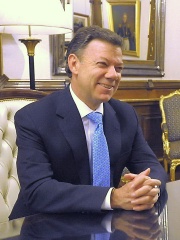

 Juan Manuel Santos
Sua biografia está disponível em 91 idiomas na Wikipédia (aumento em relação a 90 em 2024). Juan Manuel Santos é o 2447º político mais popular (subiu do 2582º em 2024), a 6ª biografia mais popular da Colômbia e o político mais popular da Colômbia.
Memorability Metrics
330k
Page Views
Past 12 months
70.99
HPI
Historical Popularity Index
Page views of Juan Manuel Santos by language
Among Políticos
Among políticos, Juan Manuel Santos ranks 2,446 out of 19,576. Before him are Albert Casimir, Duke of Teschen, Jean-Jacques Dessalines, John of Saxony, Mithridates V of Pontus, Aeschines, and Eleanor of Portugal, Holy Roman Empress. After him are David II of Scotland, Wilhelm Marx, Emperor Go-Momozono, Jiang Ziya, Ferdinand III, Grand Duke of Tuscany, and Edwin of Northumbria.
Most Popular Políticos in Wikipedia
Go to all Rankings
Albert Casimir, Duke of Teschen
1738 - 1822
HPI: 71.00
Rank: 2,441
Jean-Jacques Dessalines
1758 - 1806
HPI: 71.00
Rank: 2,442
John of Saxony
1801 - 1873
HPI: 71.00
Rank: 2,443
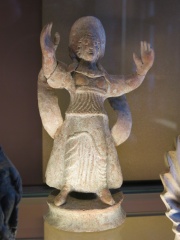
Mithridates V of Pontus
200 BC - 120 BC
HPI: 70.99
Rank: 2,444
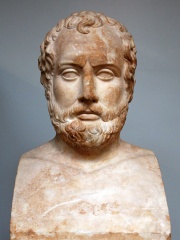
Aeschines
389 BC - 314 BC
HPI: 70.99
Rank: 2,445

Eleanor of Portugal, Holy Roman Empress
1434 - 1467
HPI: 70.99
Rank: 2,446
Juan Manuel Santos
1951 - Present
HPI: 70.99
Rank: 2,447
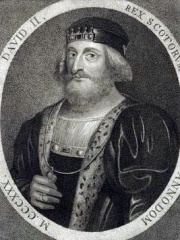
David II of Scotland
1324 - 1371
HPI: 70.99
Rank: 2,448
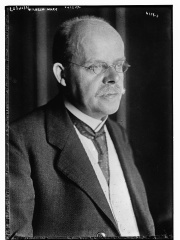
Wilhelm Marx
1863 - 1946
HPI: 70.99
Rank: 2,449

Emperor Go-Momozono
1758 - 1779
HPI: 70.98
Rank: 2,450
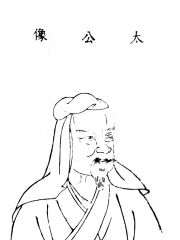
Jiang Ziya
1090 BC - 1015 BC
HPI: 70.98
Rank: 2,451
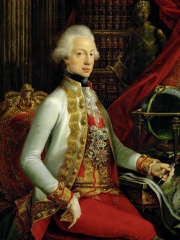
Ferdinand III, Grand Duke of Tuscany
1769 - 1824
HPI: 70.98
Rank: 2,452
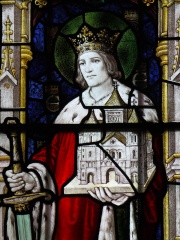
Edwin of Northumbria
586 - 633
HPI: 70.98
Rank: 2,453

Contemporaries
Among people born in 1951, Juan Manuel Santos ranks 30. Before him are Glenn Hughes, Olivia Hussey, Akhmad Kadyrov, Michel Barnier, Bertie Ahern, and Paul Breitner. After him are Win Myint, Jill Biden, Aslan Maskhadov, Traian Băsescu, Dražen Dalipagić, and François Bayrou.
Others Born in 1951
Go to all Rankings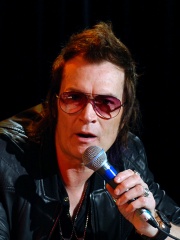
Glenn Hughes
SINGER
1951 - Present
HPI: 71.94
Rank: 24
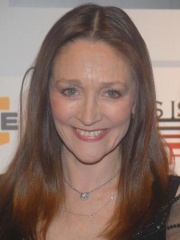
Olivia Hussey
ACTOR
1951 - 2024
HPI: 71.92
Rank: 25
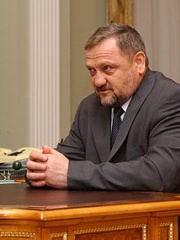
Akhmad Kadyrov
POLITICIAN
1951 - 2004
HPI: 71.59
Rank: 26
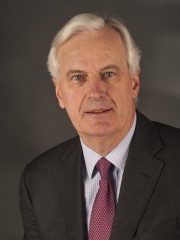
Michel Barnier
POLITICIAN
1951 - Present
HPI: 71.49
Rank: 27
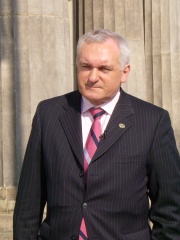
Bertie Ahern
POLITICIAN
1951 - Present
HPI: 71.46
Rank: 28
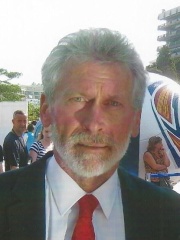
Paul Breitner
SOCCER PLAYER
1951 - Present
HPI: 71.43
Rank: 29
Juan Manuel Santos
POLITICIAN
1951 - Present
HPI: 70.99
Rank: 30
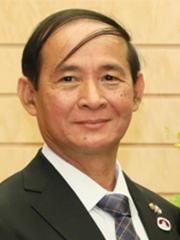
Win Myint
POLITICIAN
1951 - Present
HPI: 70.96
Rank: 31
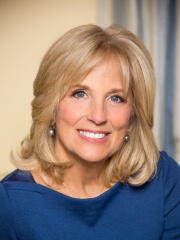
Jill Biden
POLITICIAN
1951 - Present
HPI: 70.91
Rank: 32
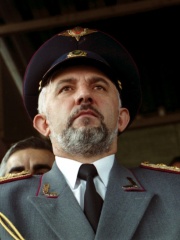
Aslan Maskhadov
POLITICIAN
1951 - 2005
HPI: 70.62
Rank: 33
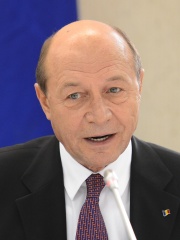
Traian Băsescu
POLITICIAN
1951 - Present
HPI: 70.60
Rank: 34
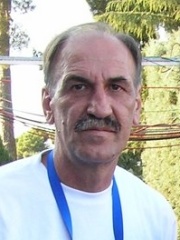
Dražen Dalipagić
BASKETBALL PLAYER
1951 - 2025
HPI: 70.53
Rank: 35
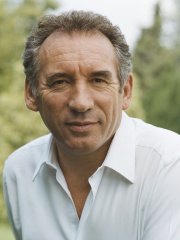
François Bayrou
POLITICIAN
1951 - Present
HPI: 70.34
Rank: 36
In Colômbia
Among people born in Colômbia, Juan Manuel Santos ranks 6 out of NaN. Before him are Gabriel García Márquez (1927), Pablo Escobar (1949), Shakira (1977), Fernando Botero (1932), and Griselda Blanco (1943). After him are Andrés Escobar (1967), César Gaviria (1947), René Higuita (1966), Carlos Valderrama (1961), Gustavo Petro (1960), and Miguel Rodríguez Orejuela (1943).
Others born in Colômbia
Go to all Rankings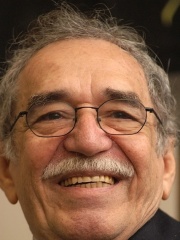
Gabriel García Márquez
WRITER
1927 - 2014
HPI: 86.19
Rank: 1
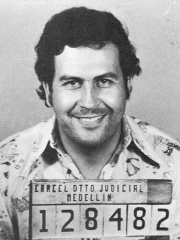
Pablo Escobar
MAFIOSO
1949 - 1993
HPI: 84.96
Rank: 2
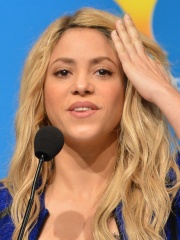
Shakira
SINGER
1977 - Present
HPI: 75.31
Rank: 3
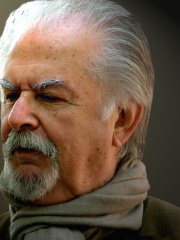
Fernando Botero
PAINTER
1932 - 2023
HPI: 73.22
Rank: 4

Griselda Blanco
MAFIOSO
1943 - 2012
HPI: 71.71
Rank: 5
Juan Manuel Santos
POLITICIAN
1951 - Present
HPI: 70.99
Rank: 6
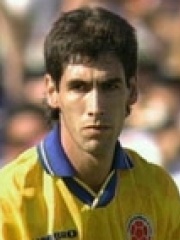
Andrés Escobar
SOCCER PLAYER
1967 - 1994
HPI: 69.99
Rank: 7
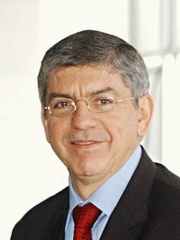
César Gaviria
POLITICIAN
1947 - Present
HPI: 69.37
Rank: 8
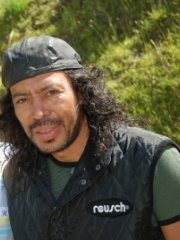
René Higuita
SOCCER PLAYER
1966 - Present
HPI: 68.74
Rank: 9
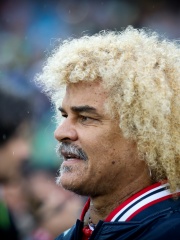
Carlos Valderrama
SOCCER PLAYER
1961 - Present
HPI: 68.69
Rank: 10
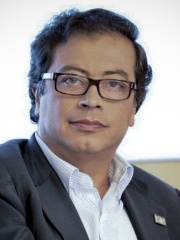
Gustavo Petro
POLITICIAN
1960 - Present
HPI: 67.91
Rank: 11
Miguel Rodríguez Orejuela
POLITICIAN
1943 - Present
HPI: 66.64
Rank: 12
Among Políticos In Colômbia
Among políticos born in Colômbia, Juan Manuel Santos ranks 1. After him are César Gaviria (1947), Gustavo Petro (1960), Miguel Rodríguez Orejuela (1943), Gilberto Rodríguez Orejuela (1939), Álvaro Uribe (1952), Luis Carlos Galán (1943), Francisco de Paula Santander (1792), Virgilio Barco Vargas (1921), Julio César Turbay Ayala (1916), Belisario Betancur (1923), and Ernesto Samper (1950).
Juan Manuel Santos
1951 - Present
HPI: 70.99
Rank: 1
César Gaviria
1947 - Present
HPI: 69.37
Rank: 2
Gustavo Petro
1960 - Present
HPI: 67.91
Rank: 3
Miguel Rodríguez Orejuela
1943 - Present
HPI: 66.64
Rank: 4
Gilberto Rodríguez Orejuela
1939 - 2022
HPI: 66.20
Rank: 5
Álvaro Uribe
1952 - Present
HPI: 66.04
Rank: 6
Luis Carlos Galán
1943 - 1989
HPI: 65.17
Rank: 7
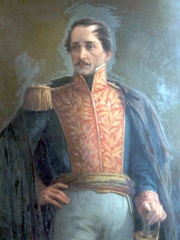
Francisco de Paula Santander
1792 - 1840
HPI: 64.25
Rank: 8
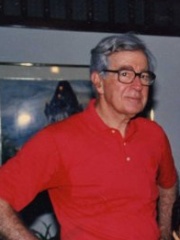
Virgilio Barco Vargas
1921 - 1997
HPI: 64.21
Rank: 9
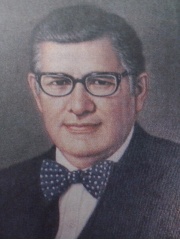
Julio César Turbay Ayala
1916 - 2005
HPI: 64.15
Rank: 10
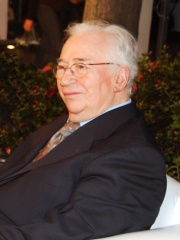
Belisario Betancur
1923 - 2018
HPI: 63.88
Rank: 11
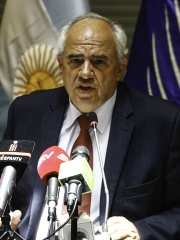
Ernesto Samper
1950 - Present
HPI: 63.22
Rank: 12




