Político
Egica
610 - 702
VISUALIZAÇÕES EM PT.WIKIPEDIA (PV)
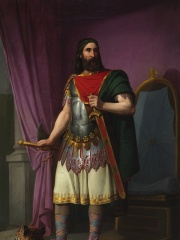
 Egica
Egica
Sua biografia está disponível em 30 idiomas na Wikipédia. Egica é o 5337º político mais popular (caiu do 4754º em 2024), a 440ª biografia mais popular da Espanha (caiu do 427ª em 2019) e o 160º político mais popular da Espanha.
Métricas de memorabilidade
33k
Visualizações
Últimos 12 meses
66.14
HPI
Índice de Popularidade Histórica
Destaques dos dados
30
A biografia de Egica abrange 30 edições de idiomas da Wikipédia e alcança um Índice de Popularidade Histórica de 66.14.
Visualizações da página de Egica por idioma
Entre Político
Entre Político, Egica ocupa a posição 5,335 de 20,022. Antes dele vêm Yevgeny Mravinsky, George Abela, Tiridates I of Armenia, Jazzar Pasha, Abdelkader Bensalah, e Walter Simons. Depois dele vêm Anne Hidalgo, Jacob Rothschild, 4th Baron Rothschild, Marie de Rohan, Ernst Johann von Biron, Ammi-Ditana, e Drusus Caesar.
Político mais populares na Wikipédia
Ver todas as classificações
Yevgeny Mravinsky
1903 - 1988
HPI: 66.15
Posição: 5,331

George Abela
1948 - presente
HPI: 66.15
Posição: 5,332
Tiridates I of Armenia
HPI: 66.15
Posição: 5,333
Jazzar Pasha
1722 - 1804
HPI: 66.14
Posição: 5,334
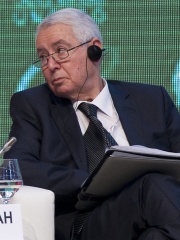
Abdelkader Bensalah
1941 - 2021
HPI: 66.14
Posição: 5,335
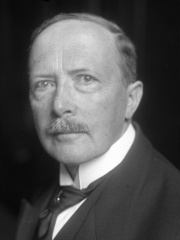
Walter Simons
1861 - 1937
HPI: 66.14
Posição: 5,336
Egica
610 - 702
HPI: 66.14
Posição: 5,337
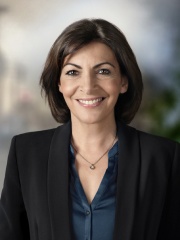
Anne Hidalgo
1959 - presente
HPI: 66.14
Posição: 5,338
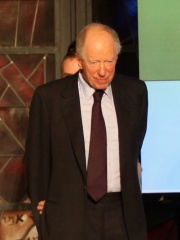
Jacob Rothschild, 4th Baron Rothschild
1936 - 2024
HPI: 66.14
Posição: 5,339
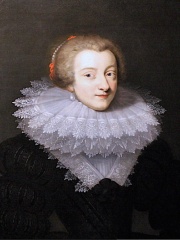
Marie de Rohan
1600 - 1679
HPI: 66.14
Posição: 5,340
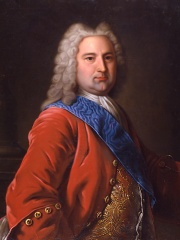
Ernst Johann von Biron
1690 - 1772
HPI: 66.13
Posição: 5,341
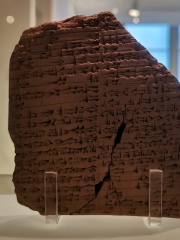
Ammi-Ditana
1700 BC - 1700 BC
HPI: 66.13
Posição: 5,342
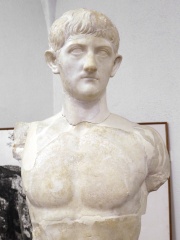
Drusus Caesar
7 - 33
HPI: 66.13
Posição: 5,343

Contemporâneos
Entre as pessoas nascidas em 610, Egica ocupa a posição 6. Antes dele vêm Pope Adeodatus II, Safiyya bint Huyayy, Pope Donus, Abdullah ibn Umar, e Anania Shirakatsi. Depois dele vêm Grimoald, King of the Lombards, Pulakeshin II, e Godepert. Entre as pessoas falecidas em 702, Egica ocupa a posição 1. Depois dele vêm Liutpert, Al-Muhallab ibn Abi Sufra, e Chen Zi'ang.
Outras pessoas nascidas em 610
Ver todas as classificações
Pope Adeodatus II
RELIGIOUS FIGURE
610 - 676
HPI: 75.85
Posição: 1
Safiyya bint Huyayy
POLITICIAN
610 - 670
HPI: 73.87
Posição: 2
Pope Donus
RELIGIOUS FIGURE
610 - 678
HPI: 72.53
Posição: 3

Abdullah ibn Umar
RELIGIOUS FIGURE
610 - 693
HPI: 70.88
Posição: 4
Anania Shirakatsi
PHILOSOPHER
610 - 685
HPI: 66.17
Posição: 5
Egica
POLITICIAN
610 - 702
HPI: 66.14
Posição: 6

Grimoald, King of the Lombards
POLITICIAN
610 - 671
HPI: 64.33
Posição: 7
Pulakeshin II
HISTORIAN
610 - 642
HPI: 62.05
Posição: 8

Godepert
POLITICIAN
610 - 662
HPI: 61.91
Posição: 9
Outras pessoas falecidas em 702
Ver todas as classificaçõesEgica
POLITICIAN
610 - 702
HPI: 66.14
Posição: 1

Liutpert
POLITICIAN
680 - 702
HPI: 62.54
Posição: 2
Al-Muhallab ibn Abi Sufra
MILITARY PERSONNEL
632 - 702
HPI: 59.23
Posição: 3
Chen Zi'ang
WRITER
661 - 702
HPI: 56.42
Posição: 4
Em Espanha
Entre as pessoas nascidas em Espanha, Egica ocupa a posição 440 de 3,981. Antes dele vêm Bermudo II of León (953), Francisco Pacheco (1564), Juan de Grijalva (1480), Luisa de Guzmán (1613), Sebastián de Belalcázar (1480), e Antonio Cañizares Llovera (1945). Depois dele vêm Anne Hidalgo (1959), Rafael Moreno Aranzadi (1892), Peter of Alcantara (1499), Manuel Santana (1938), Prince Luigi Amedeo, Duke of the Abruzzi (1873), e María Casares (1922).
Outras pessoas nascidas em Espanha
Ver todas as classificações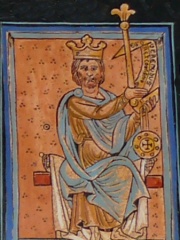
Bermudo II of León
POLITICIAN
953 - 999
HPI: 66.22
Posição: 434
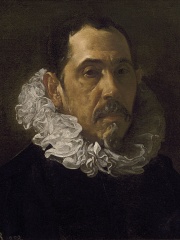
Francisco Pacheco
PAINTER
1564 - 1644
HPI: 66.20
Posição: 435
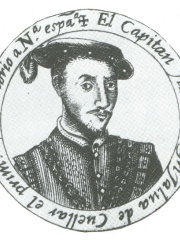
Juan de Grijalva
EXPLORER
1480 - 1527
HPI: 66.16
Posição: 436
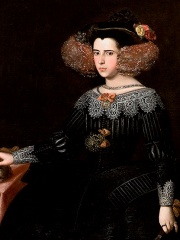
Luisa de Guzmán
COMPANION
1613 - 1666
HPI: 66.16
Posição: 437
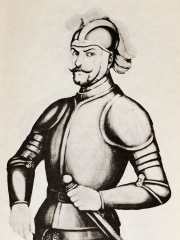
Sebastián de Belalcázar
EXPLORER
1480 - 1551
HPI: 66.15
Posição: 438
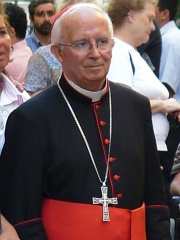
Antonio Cañizares Llovera
RELIGIOUS FIGURE
1945 - presente
HPI: 66.14
Posição: 439
Egica
POLITICIAN
610 - 702
HPI: 66.14
Posição: 440
Anne Hidalgo
POLITICIAN
1959 - presente
HPI: 66.14
Posição: 441
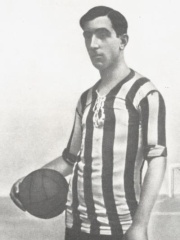
Rafael Moreno Aranzadi
SOCCER PLAYER
1892 - 1922
HPI: 66.13
Posição: 442
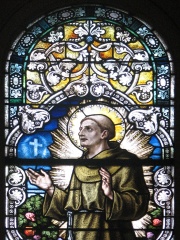
Peter of Alcantara
RELIGIOUS FIGURE
1499 - 1562
HPI: 66.12
Posição: 443
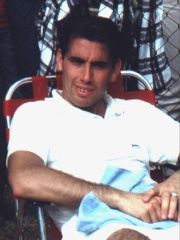
Manuel Santana
TENNIS PLAYER
1938 - 2021
HPI: 66.12
Posição: 444
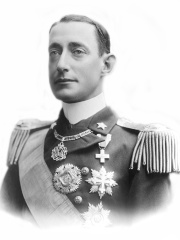
Prince Luigi Amedeo, Duke of the Abruzzi
MOUNTAINEER
1873 - 1933
HPI: 66.12
Posição: 445
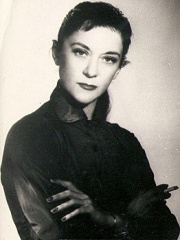
María Casares
ACTOR
1922 - 1996
HPI: 66.10
Posição: 446
Entre Político em Espanha
Entre Político nascidos em Espanha, Egica ocupa a posição 160. Antes dele vêm Sancho VII of Navarre (1154), Princess Marie Isabelle of Orléans (1848), Sisebut (565), Ordoño III of León (926), Juan, Count of Montizón (1822), e Bermudo II of León (953). Depois dele vêm Anne Hidalgo (1959), Alfonso IV of León (890), Infanta Cristina of Spain (1965), Hydatius (395), Suintila (594), e Liuva I (550).
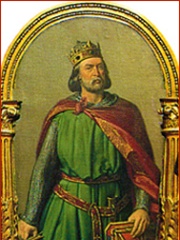
Sancho VII of Navarre
1154 - 1234
HPI: 66.36
Posição: 154
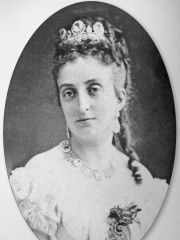
Princess Marie Isabelle of Orléans
1848 - 1919
HPI: 66.32
Posição: 155
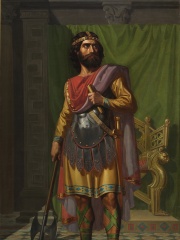
Sisebut
565 - 621
HPI: 66.30
Posição: 156
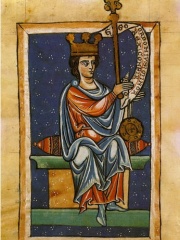
Ordoño III of León
926 - 956
HPI: 66.22
Posição: 157
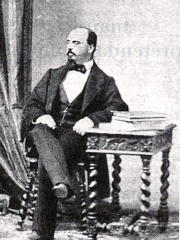
Juan, Count of Montizón
1822 - 1887
HPI: 66.22
Posição: 158
Bermudo II of León
953 - 999
HPI: 66.22
Posição: 159
Egica
610 - 702
HPI: 66.14
Posição: 160
Anne Hidalgo
1959 - presente
HPI: 66.14
Posição: 161
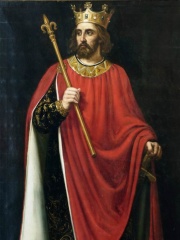
Alfonso IV of León
890 - 933
HPI: 66.05
Posição: 162
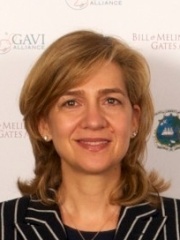
Infanta Cristina of Spain
1965 - presente
HPI: 65.96
Posição: 163

Hydatius
395 - 469
HPI: 65.94
Posição: 164
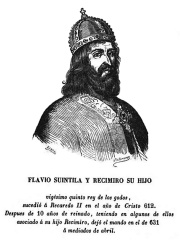
Suintila
594 - 634
HPI: 65.93
Posição: 165
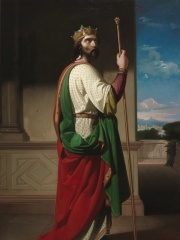
Liuva I
550 - 573
HPI: 65.78
Posição: 166




