Historiador
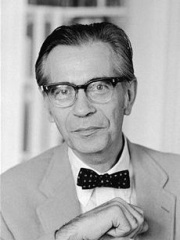
Daniel Pipes
1949 - presente
VISUALIZAÇÕES EM PT.WIKIPEDIA (PV)
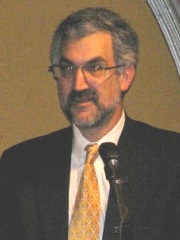

 Daniel Pipes
Sua biografia está disponível em 26 idiomas na Wikipédia (aumento em relação a 25 em 2024). Daniel Pipes é o 505º historiador mais popular (caiu do 408º em 2024), a 9594ª biografia mais popular dos Estados Unidos (caiu do 6533ª em 2019) e o 39º historiador mais popular dos Estados Unidos.
Métricas de memorabilidade
50k
Visualizações
Últimos 12 meses
53.44
HPI
Índice de Popularidade Histórica
Destaques dos dados
9 de set.
Daniel Pipes faz aniversário no mesmo dia (9 de setembro) que Leo Tolstoy, Honorius e Cardinal Richelieu.
Visualizações da página de Daniel Pipes por idioma
Entre Historiador
Entre Historiador, Daniel Pipes ocupa a posição 505 de 561. Antes dele vêm Yevgeny Tarle, Rainer Zitelmann, Frederic G. Kenyon, Thomas Walker Arnold, Alfred W. Crosby, e Robert Service. Depois dele vêm Kemal Karpat, William of Newburgh, American Horse, Walter Rodney, Gregory Areshian, e Mark Mazower.
Historiador mais populares na Wikipédia
Ver todas as classificações
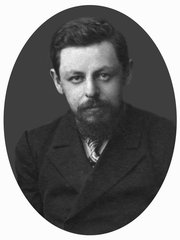
Yevgeny Tarle
1875 - 1955
HPI: 54.05
Posição: 499

Rainer Zitelmann
1957 - presente
HPI: 53.84
Posição: 500
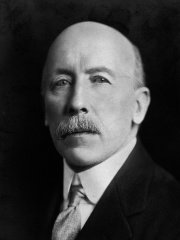
Frederic G. Kenyon
1863 - 1952
HPI: 53.82
Posição: 501
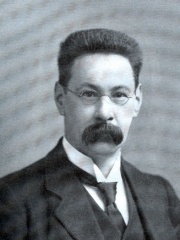
Thomas Walker Arnold
1864 - 1930
HPI: 53.68
Posição: 502

Alfred W. Crosby
1931 - 2018
HPI: 53.61
Posição: 503
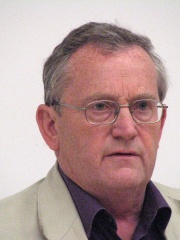
Robert Service
1947 - presente
HPI: 53.60
Posição: 504
Daniel Pipes
1949 - presente
HPI: 53.44
Posição: 505

Kemal Karpat
1924 - 2019
HPI: 53.39
Posição: 506
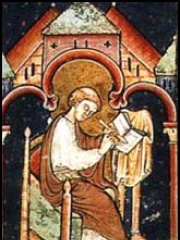
William of Newburgh
1130 - 1190
HPI: 53.36
Posição: 507
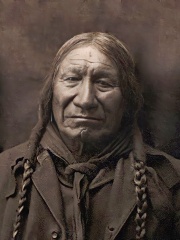
American Horse
1840 - 1908
HPI: 53.34
Posição: 508
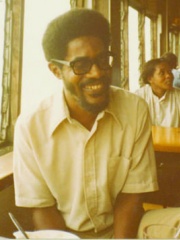
Walter Rodney
1942 - 1980
HPI: 53.27
Posição: 509
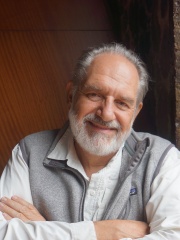
Gregory Areshian
1949 - 2020
HPI: 53.27
Posição: 510

Mark Mazower
1958 - presente
HPI: 53.23
Posição: 511

Contemporâneos
Entre as pessoas nascidas em 1949, Daniel Pipes ocupa a posição 587. Antes dele vêm Jan Egil Storholt, Zdenko Verdenik, Enrique Wolff, Roger Allers, Bill O'Reilly, e Sanja Iveković. Depois dele vêm Richard Thompson, Wendy Sherman, Jack McGee, Kęstutis Šapka, Gregory Areshian, e David A. Johnston.
Outras pessoas nascidas em 1949
Ver todas as classificações
Jan Egil Storholt
ATHLETE
1949 - presente
HPI: 53.74
Posição: 581

Zdenko Verdenik
SOCCER PLAYER
1949 - presente
HPI: 53.73
Posição: 582

Enrique Wolff
SOCCER PLAYER
1949 - presente
HPI: 53.68
Posição: 583

Roger Allers
FILM DIRECTOR
1949 - 2026
HPI: 53.64
Posição: 584
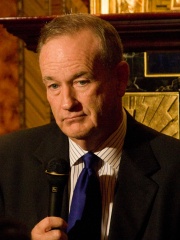
Bill O'Reilly
WRITER
1949 - presente
HPI: 53.63
Posição: 585

Sanja Iveković
PHOTOGRAPHER
1949 - presente
HPI: 53.54
Posição: 586
Daniel Pipes
HISTORIAN
1949 - presente
HPI: 53.44
Posição: 587

Richard Thompson
SINGER
1949 - presente
HPI: 53.40
Posição: 588
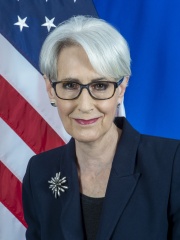
Wendy Sherman
DIPLOMAT
1949 - presente
HPI: 53.31
Posição: 589

Jack McGee
ACTOR
1949 - presente
HPI: 53.29
Posição: 590

Kęstutis Šapka
ATHLETE
1949 - 2025
HPI: 53.28
Posição: 591
Gregory Areshian
HISTORIAN
1949 - 2020
HPI: 53.27
Posição: 592

David A. Johnston
GEOLOGIST
1949 - 1980
HPI: 53.26
Posição: 593
Em Estados Unidos
Entre as pessoas nascidas em Estados Unidos, Daniel Pipes ocupa a posição 9,594 de 20,380. Antes dele vêm Evan Rachel Wood (1987), William Alexander Morgan (1928), Curtis Fuller (1934), Julee Cruise (1956), Tim Powers (1952), e Kenneth Marshall (1950). Depois dele vêm Christie Brinkley (1954), Sidney Verba (1932), Philander C. Knox (1853), George Inness (1825), Elizabeth J. Feinler (1931), e Simon Guggenheim (1867).
Outras pessoas nascidas em Estados Unidos
Ver todas as classificações
Evan Rachel Wood
ACTOR
1987 - presente
HPI: 53.45
Posição: 9,588
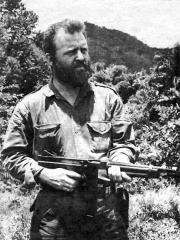
William Alexander Morgan
MILITARY PERSONNEL
1928 - 1961
HPI: 53.45
Posição: 9,589
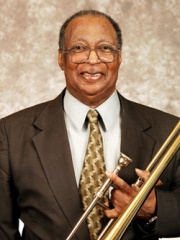
Curtis Fuller
MUSICIAN
1934 - 2021
HPI: 53.45
Posição: 9,590

Julee Cruise
SINGER
1956 - 2022
HPI: 53.45
Posição: 9,591
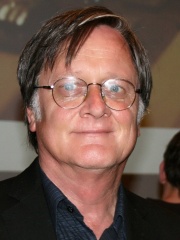
Tim Powers
WRITER
1952 - presente
HPI: 53.45
Posição: 9,592

Kenneth Marshall
ACTOR
1950 - presente
HPI: 53.44
Posição: 9,593
Daniel Pipes
HISTORIAN
1949 - presente
HPI: 53.44
Posição: 9,594
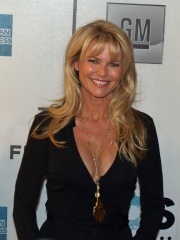
Christie Brinkley
ACTOR
1954 - presente
HPI: 53.44
Posição: 9,595

Sidney Verba
POLITICAL SCIENTIST
1932 - 2019
HPI: 53.44
Posição: 9,596
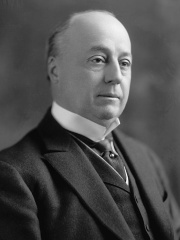
Philander C. Knox
POLITICIAN
1853 - 1921
HPI: 53.44
Posição: 9,597
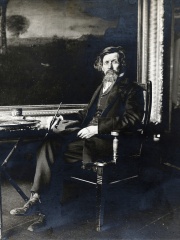
George Inness
PAINTER
1825 - 1894
HPI: 53.44
Posição: 9,598
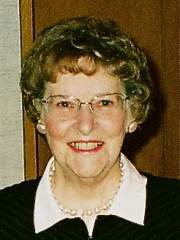
Elizabeth J. Feinler
COMPUTER SCIENTIST
1931 - presente
HPI: 53.44
Posição: 9,599
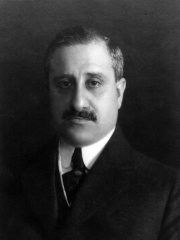
Simon Guggenheim
POLITICIAN
1867 - 1941
HPI: 53.44
Posição: 9,600
Entre Historiador em Estados Unidos
Entre Historiador nascidos em Estados Unidos, Daniel Pipes ocupa a posição 39. Antes dele vêm Charles Homer Haskins (1870), Robert Jay Lifton (1926), Lothrop Stoddard (1883), Stephen F. Cohen (1938), Samuel Eliot Morison (1887), e Alfred W. Crosby (1931). Depois dele vêm American Horse (1840), Richard Taruskin (1945), Christopher Lasch (1932), David Bordwell (1947), Carroll Quigley (1910), e Richard Hofstadter (1916).
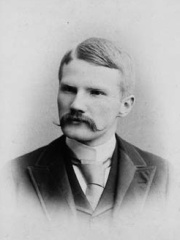
Charles Homer Haskins
1870 - 1937
HPI: 55.07
Posição: 33
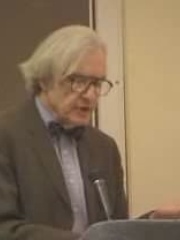
Robert Jay Lifton
1926 - 2025
HPI: 54.40
Posição: 34
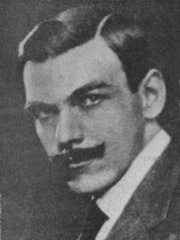
Lothrop Stoddard
1883 - 1950
HPI: 54.21
Posição: 35

Stephen F. Cohen
1938 - 2020
HPI: 54.14
Posição: 36
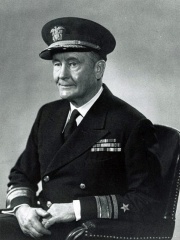
Samuel Eliot Morison
1887 - 1976
HPI: 54.11
Posição: 37
Alfred W. Crosby
1931 - 2018
HPI: 53.61
Posição: 38
Daniel Pipes
1949 - presente
HPI: 53.44
Posição: 39
American Horse
1840 - 1908
HPI: 53.34
Posição: 40

Richard Taruskin
1945 - 2022
HPI: 53.12
Posição: 41

Christopher Lasch
1932 - 1994
HPI: 52.95
Posição: 42

David Bordwell
1947 - 2024
HPI: 52.71
Posição: 43
Carroll Quigley
1910 - 1977
HPI: 52.05
Posição: 44
Richard Hofstadter
1916 - 1970
HPI: 51.79
Posição: 45




