Historian
Daniel Pipes
American writer
1949 - today
EN.WIKIPEDIA PAGE VIEWS (PV)


 Daniel Pipes
His biography is available in 26 different languages on Wikipedia (up from 25 in 2024). Daniel Pipes is the 505th most popular historian (down from 408th in 2024), the 9,594th most popular biography from United States (down from 6,533rd in 2019) and the 39th most popular American Historian.
Memorability Metrics
50k
Page Views
Past 12 months
53.44
HPI
Historical Popularity Index
Data Insights
Sep 9
Daniel Pipes shares a September 9 birthday with Leo Tolstoy, Honorius, and Cardinal Richelieu.
Page views of Daniel Pipes by language
Among Historians
Among historians, Daniel Pipes ranks 505 out of 561. Before him are Yevgeny Tarle, Rainer Zitelmann, Frederic G. Kenyon, Thomas Walker Arnold, Alfred W. Crosby, and Robert Service. After him are Kemal Karpat, William of Newburgh, American Horse, Walter Rodney, Gregory Areshian, and Mark Mazower.
Most Popular Historians in Wikipedia
Go to all Rankings

Yevgeny Tarle
1875 - 1955
HPI: 54.05
Rank: 499

Rainer Zitelmann
1957 - Present
HPI: 53.84
Rank: 500
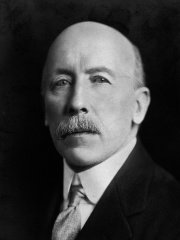
Frederic G. Kenyon
1863 - 1952
HPI: 53.82
Rank: 501
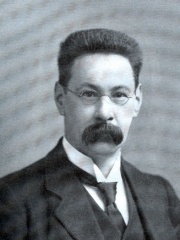
Thomas Walker Arnold
1864 - 1930
HPI: 53.68
Rank: 502

Alfred W. Crosby
1931 - 2018
HPI: 53.61
Rank: 503

Robert Service
1947 - Present
HPI: 53.60
Rank: 504
Daniel Pipes
1949 - Present
HPI: 53.44
Rank: 505

Kemal Karpat
1924 - 2019
HPI: 53.39
Rank: 506

William of Newburgh
1130 - 1190
HPI: 53.36
Rank: 507
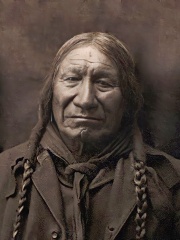
American Horse
1840 - 1908
HPI: 53.34
Rank: 508

Walter Rodney
1942 - 1980
HPI: 53.27
Rank: 509
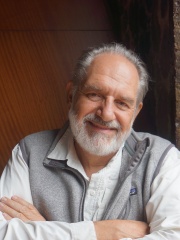
Gregory Areshian
1949 - 2020
HPI: 53.27
Rank: 510

Mark Mazower
1958 - Present
HPI: 53.23
Rank: 511

Contemporaries
Among people born in 1949, Daniel Pipes ranks 587. Before him are Jan Egil Storholt, Zdenko Verdenik, Enrique Wolff, Roger Allers, Bill O'Reilly, and Sanja Iveković. After him are Richard Thompson, Wendy Sherman, Jack McGee, Kęstutis Šapka, Gregory Areshian, and David A. Johnston.
Others Born in 1949
Go to all Rankings
Jan Egil Storholt
ATHLETE
1949 - Present
HPI: 53.74
Rank: 581

Zdenko Verdenik
SOCCER PLAYER
1949 - Present
HPI: 53.73
Rank: 582

Enrique Wolff
SOCCER PLAYER
1949 - Present
HPI: 53.68
Rank: 583

Roger Allers
FILM DIRECTOR
1949 - 2026
HPI: 53.64
Rank: 584
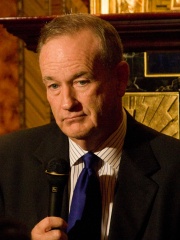
Bill O'Reilly
WRITER
1949 - Present
HPI: 53.63
Rank: 585

Sanja Iveković
PHOTOGRAPHER
1949 - Present
HPI: 53.54
Rank: 586
Daniel Pipes
HISTORIAN
1949 - Present
HPI: 53.44
Rank: 587

Richard Thompson
SINGER
1949 - Present
HPI: 53.40
Rank: 588
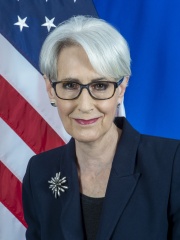
Wendy Sherman
DIPLOMAT
1949 - Present
HPI: 53.31
Rank: 589

Jack McGee
ACTOR
1949 - Present
HPI: 53.29
Rank: 590

Kęstutis Šapka
ATHLETE
1949 - 2025
HPI: 53.28
Rank: 591
Gregory Areshian
HISTORIAN
1949 - 2020
HPI: 53.27
Rank: 592

David A. Johnston
GEOLOGIST
1949 - 1980
HPI: 53.26
Rank: 593
In United States
Among people born in United States, Daniel Pipes ranks 9,594 out of 20,380. Before him are Evan Rachel Wood (1987), William Alexander Morgan (1928), Curtis Fuller (1934), Julee Cruise (1956), Tim Powers (1952), and Kenneth Marshall (1950). After him are Christie Brinkley (1954), Sidney Verba (1932), Philander C. Knox (1853), George Inness (1825), Elizabeth J. Feinler (1931), and Simon Guggenheim (1867).
Others born in United States
Go to all Rankings
Evan Rachel Wood
ACTOR
1987 - Present
HPI: 53.45
Rank: 9,588

William Alexander Morgan
MILITARY PERSONNEL
1928 - 1961
HPI: 53.45
Rank: 9,589
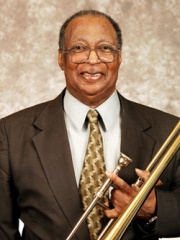
Curtis Fuller
MUSICIAN
1934 - 2021
HPI: 53.45
Rank: 9,590

Julee Cruise
SINGER
1956 - 2022
HPI: 53.45
Rank: 9,591
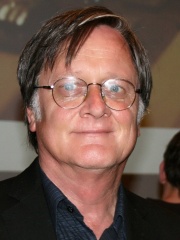
Tim Powers
WRITER
1952 - Present
HPI: 53.45
Rank: 9,592

Kenneth Marshall
ACTOR
1950 - Present
HPI: 53.44
Rank: 9,593
Daniel Pipes
HISTORIAN
1949 - Present
HPI: 53.44
Rank: 9,594

Christie Brinkley
ACTOR
1954 - Present
HPI: 53.44
Rank: 9,595

Sidney Verba
POLITICAL SCIENTIST
1932 - 2019
HPI: 53.44
Rank: 9,596
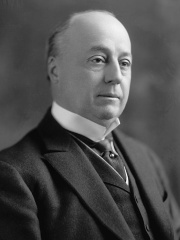
Philander C. Knox
POLITICIAN
1853 - 1921
HPI: 53.44
Rank: 9,597
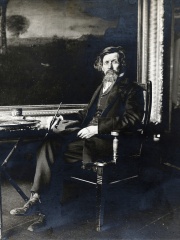
George Inness
PAINTER
1825 - 1894
HPI: 53.44
Rank: 9,598
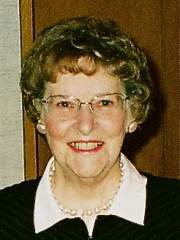
Elizabeth J. Feinler
COMPUTER SCIENTIST
1931 - Present
HPI: 53.44
Rank: 9,599
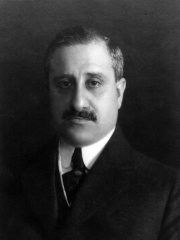
Simon Guggenheim
POLITICIAN
1867 - 1941
HPI: 53.44
Rank: 9,600
Among Historians In United States
Among historians born in United States, Daniel Pipes ranks 39. Before him are Charles Homer Haskins (1870), Robert Jay Lifton (1926), Lothrop Stoddard (1883), Stephen F. Cohen (1938), Samuel Eliot Morison (1887), and Alfred W. Crosby (1931). After him are American Horse (1840), Richard Taruskin (1945), Christopher Lasch (1932), David Bordwell (1947), Carroll Quigley (1910), and Richard Hofstadter (1916).
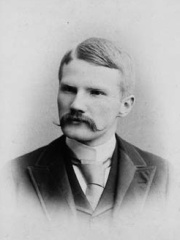
Charles Homer Haskins
1870 - 1937
HPI: 55.07
Rank: 33

Robert Jay Lifton
1926 - 2025
HPI: 54.40
Rank: 34

Lothrop Stoddard
1883 - 1950
HPI: 54.21
Rank: 35

Stephen F. Cohen
1938 - 2020
HPI: 54.14
Rank: 36
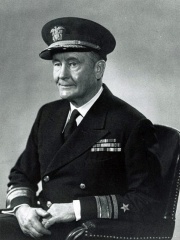
Samuel Eliot Morison
1887 - 1976
HPI: 54.11
Rank: 37
Alfred W. Crosby
1931 - 2018
HPI: 53.61
Rank: 38
Daniel Pipes
1949 - Present
HPI: 53.44
Rank: 39
American Horse
1840 - 1908
HPI: 53.34
Rank: 40

Richard Taruskin
1945 - 2022
HPI: 53.12
Rank: 41

Christopher Lasch
1932 - 1994
HPI: 52.95
Rank: 42

David Bordwell
1947 - 2024
HPI: 52.71
Rank: 43
Carroll Quigley
1910 - 1977
HPI: 52.05
Rank: 44
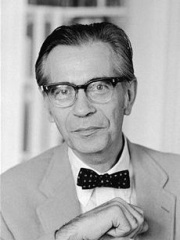
Richard Hofstadter
1916 - 1970
HPI: 51.79
Rank: 45




