Político
Aquebar
1542 - 1605
VISUALIZAÇÕES EM PT.WIKIPEDIA (PV)
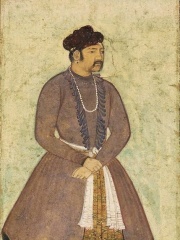
 Aquebar
Sua biografia está disponível em 153 idiomas na Wikipédia (aumento em relação a 147 em 2024). Aquebar é o 10º político mais popular (subiu do 155º em 2024), a biografia mais popular do Paquistão e o político mais popular do Paquistão.
Métricas de memorabilidade
1.4M
Visualizações
Últimos 12 meses
92.19
HPI
Índice de Popularidade Histórica
Destaques dos dados
#10 / 20k
Aquebar ocupa a posição nº 10 entre 20,022 Político no mundo, entre os 1% melhores da profissão.
+497
Aquebar subiu 497 posições no ranking global de HPI do Pantheon, da posição nº 552 para a nº 55.
153
A biografia de Aquebar aparece em 153 edições de idiomas da Wikipédia, mais do que 99% de todos os Político.
Visualizações da página de Aquebar por idioma
Entre Político
Entre Político, Aquebar ocupa a posição 10 de 20,022. Antes dele vêm Adolf Hitler, Jimmy Carter, Julius Caesar, Thomas Jefferson, Louis XIV of France, e Joseph Stalin. Depois dele vêm Augustus, Suleiman the Magnificent, Indira Gandhi, Vladimir Lenin, Saladin, e Mustafa Kemal Atatürk.
Político mais populares na Wikipédia
Ver todas as classificações
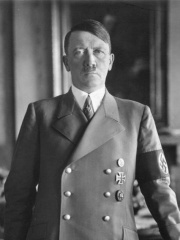
Adolf Hitler
1889 - 1945
HPI: 94.99
Posição: 4
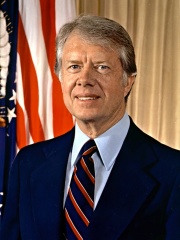
Jimmy Carter
1924 - 2024
HPI: 93.90
Posição: 5
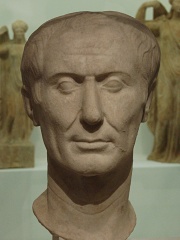
Julius Caesar
100 BC - 44 BC
HPI: 93.78
Posição: 6
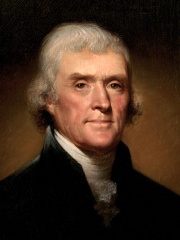
Thomas Jefferson
1743 - 1826
HPI: 93.18
Posição: 7
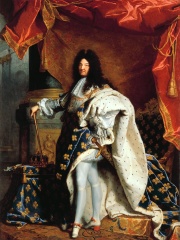
Louis XIV of France
1638 - 1715
HPI: 93.01
Posição: 8
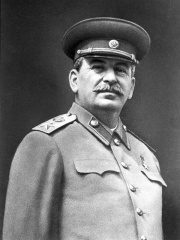
Joseph Stalin
1879 - 1953
HPI: 92.22
Posição: 9
Akbar
1542 - 1605
HPI: 92.19
Posição: 10
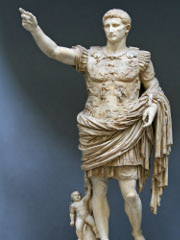
Augustus
63 BC - 14
HPI: 92.03
Posição: 11
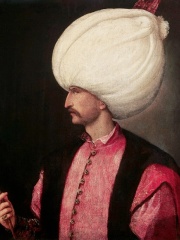
Suleiman the Magnificent
1494 - 1566
HPI: 91.58
Posição: 12
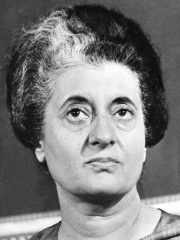
Indira Gandhi
1917 - 1984
HPI: 91.54
Posição: 13
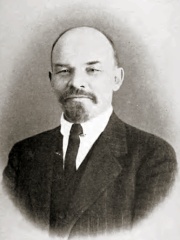
Vladimir Lenin
1870 - 1924
HPI: 91.51
Posição: 14
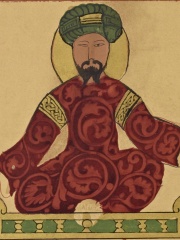
Saladin
1138 - 1193
HPI: 91.36
Posição: 15
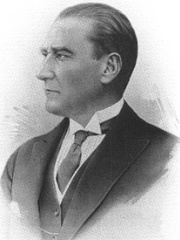
Mustafa Kemal Atatürk
1881 - 1938
HPI: 91.26
Posição: 16

Contemporâneos
Entre as pessoas nascidas em 1542, Aquebar ocupa a posição 1. Depois dele vêm Mary, Queen of Scots, Tokugawa Ieyasu, John of the Cross, Hattori Hanzō, Mariam-uz-Zamani, Robert Bellarmine, Álvaro de Mendaña de Neira, Ruqaiya Sultan Begum, Jan Zamoyski, Isabella de' Medici, e Giovanni Leonardo Di Bona. Entre as pessoas falecidas em 1605, Aquebar ocupa a posição 1. Depois dele vêm Pope Leo XI, Pope Clement VIII, Boris Godunov, Handan Sultan, John Davis, Feodor II of Russia, Jean Nicot, Ulisse Aldrovandi, Johann II, Duke of Saxe-Weimar, Theodore Beza, e Naresuan.
Outras pessoas nascidas em 1542
Ver todas as classificaçõesAkbar
POLITICIAN
1542 - 1605
HPI: 92.19
Posição: 1
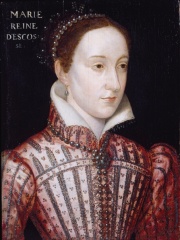
Mary, Queen of Scots
POLITICIAN
1542 - 1587
HPI: 84.01
Posição: 2
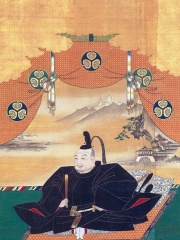
Tokugawa Ieyasu
MILITARY PERSONNEL
1542 - 1616
HPI: 82.57
Posição: 3
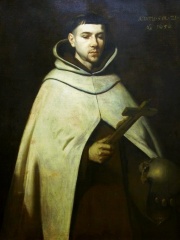
John of the Cross
RELIGIOUS FIGURE
1542 - 1591
HPI: 77.88
Posição: 4
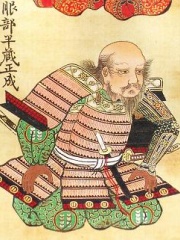
Hattori Hanzō
MILITARY PERSONNEL
1542 - 1597
HPI: 75.10
Posição: 5
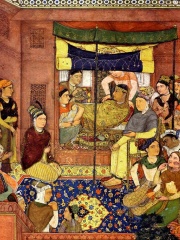
Mariam-uz-Zamani
COMPANION
1542 - 1623
HPI: 73.82
Posição: 6
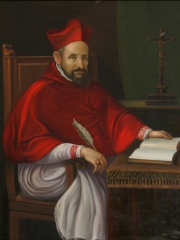
Robert Bellarmine
PHYSICIAN
1542 - 1621
HPI: 73.43
Posição: 7
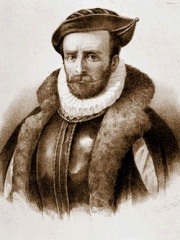
Álvaro de Mendaña de Neira
EXPLORER
1542 - 1595
HPI: 68.93
Posição: 8
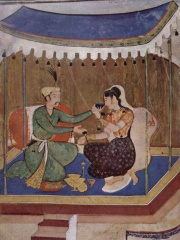
Ruqaiya Sultan Begum
COMPANION
1542 - presente
HPI: 68.25
Posição: 9
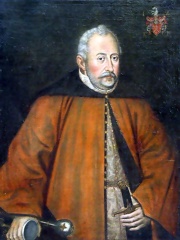
Jan Zamoyski
POLITICIAN
1542 - 1605
HPI: 65.71
Posição: 10
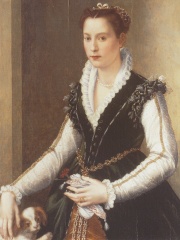
Isabella de' Medici
POLITICIAN
1542 - 1576
HPI: 64.64
Posição: 11
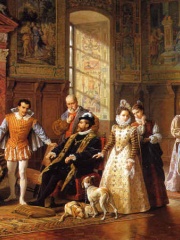
Giovanni Leonardo Di Bona
CHESS PLAYER
1542 - 1597
HPI: 64.28
Posição: 12
Outras pessoas falecidas em 1605
Ver todas as classificaçõesAkbar
POLITICIAN
1542 - 1605
HPI: 92.19
Posição: 1
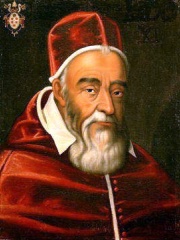
Pope Leo XI
RELIGIOUS FIGURE
1535 - 1605
HPI: 84.32
Posição: 2
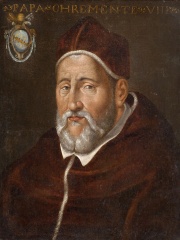
Pope Clement VIII
RELIGIOUS FIGURE
1536 - 1605
HPI: 82.25
Posição: 3
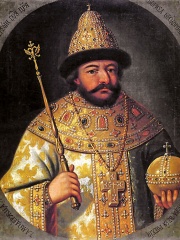
Boris Godunov
POLITICIAN
1552 - 1605
HPI: 76.92
Posição: 4
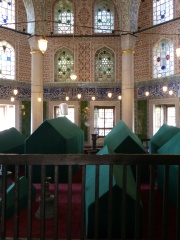
Handan Sultan
POLITICIAN
1574 - 1605
HPI: 75.42
Posição: 5
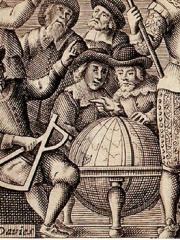
John Davis
EXPLORER
1550 - 1605
HPI: 74.69
Posição: 6
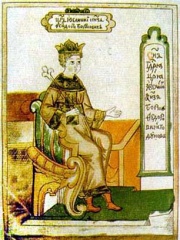
Feodor II of Russia
POLITICIAN
1589 - 1605
HPI: 72.92
Posição: 7
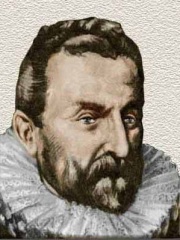
Jean Nicot
PHYSICIAN
1530 - 1605
HPI: 71.88
Posição: 8
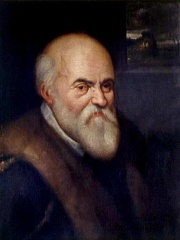
Ulisse Aldrovandi
BIOLOGIST
1522 - 1605
HPI: 70.54
Posição: 9
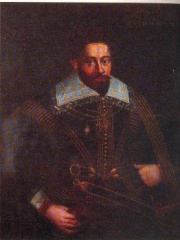
Johann II, Duke of Saxe-Weimar
NOBLEMAN
1570 - 1605
HPI: 69.73
Posição: 10
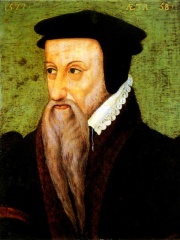
Theodore Beza
WRITER
1519 - 1605
HPI: 69.33
Posição: 11
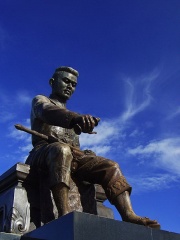
Naresuan
POLITICIAN
1555 - 1605
HPI: 66.93
Posição: 12
Em Paquistão
Entre as pessoas nascidas em Paquistão, Aquebar ocupa a posição 1 de 266. Depois dele vêm Muhammad Ali Jinnah (1876), Guru Nanak (1469), Manmohan Singh (1932), Pāṇini (-500), Muhammad Iqbal (1877), Porus (-400), Nawaz Sharif (1949), Shehbaz Sharif (1951), Chanakya (-375), I. K. Gujral (1919), e Nusrat Fateh Ali Khan (1948).
Outras pessoas nascidas em Paquistão
Ver todas as classificaçõesAkbar
POLITICIAN
1542 - 1605
HPI: 92.19
Posição: 1
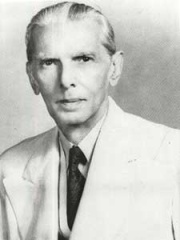
Muhammad Ali Jinnah
POLITICIAN
1876 - 1948
HPI: 86.88
Posição: 2
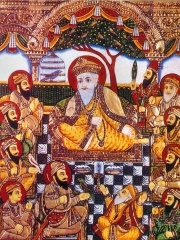
Guru Nanak
RELIGIOUS FIGURE
1469 - 1539
HPI: 85.46
Posição: 3
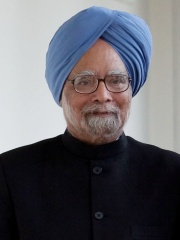
Manmohan Singh
POLITICIAN
1932 - 2024
HPI: 82.56
Posição: 4
Pāṇini
LINGUIST
500 BC - 460 BC
HPI: 81.60
Posição: 5
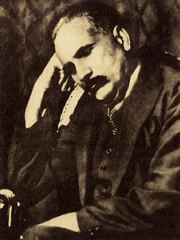
Muhammad Iqbal
WRITER
1877 - 1938
HPI: 80.65
Posição: 6
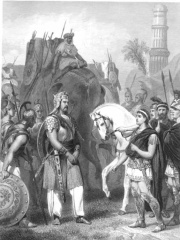
Porus
POLITICIAN
400 BC - 316 BC
HPI: 79.63
Posição: 7
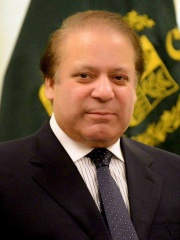
Nawaz Sharif
POLITICIAN
1949 - presente
HPI: 79.46
Posição: 8
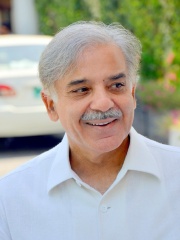
Shehbaz Sharif
POLITICIAN
1951 - presente
HPI: 78.79
Posição: 9
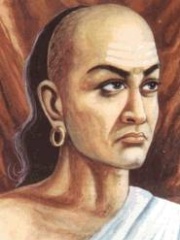
Chanakya
PHILOSOPHER
375 BC - 283 BC
HPI: 77.08
Posição: 10
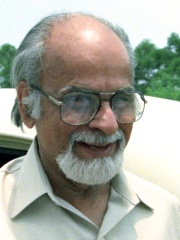
I. K. Gujral
POLITICIAN
1919 - 2012
HPI: 75.79
Posição: 11
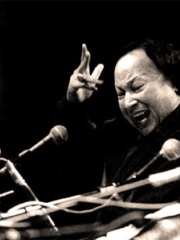
Nusrat Fateh Ali Khan
SINGER
1948 - 1997
HPI: 75.67
Posição: 12
Entre Político em Paquistão
Entre Político nascidos em Paquistão, Aquebar ocupa a posição 1. Depois dele vêm Muhammad Ali Jinnah (1876), Manmohan Singh (1932), Porus (-400), Nawaz Sharif (1949), Shehbaz Sharif (1951), I. K. Gujral (1919), Shah Jahan (1592), Arif Alvi (1949), Benazir Bhutto (1953), Zulfikar Ali Bhutto (1928), e Yousaf Raza Gillani (1952).
Akbar
1542 - 1605
HPI: 92.19
Posição: 1
Muhammad Ali Jinnah
1876 - 1948
HPI: 86.88
Posição: 2
Manmohan Singh
1932 - 2024
HPI: 82.56
Posição: 3
Porus
400 BC - 316 BC
HPI: 79.63
Posição: 4
Nawaz Sharif
1949 - presente
HPI: 79.46
Posição: 5
Shehbaz Sharif
1951 - presente
HPI: 78.79
Posição: 6
I. K. Gujral
1919 - 2012
HPI: 75.79
Posição: 7
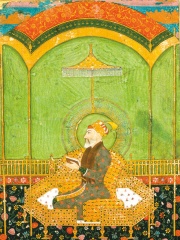
Shah Jahan
1592 - 1666
HPI: 75.28
Posição: 8
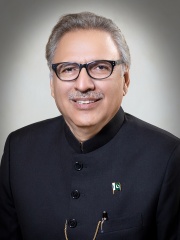
Arif Alvi
1949 - presente
HPI: 73.02
Posição: 9
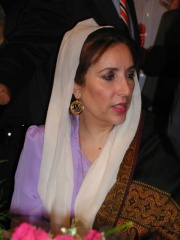
Benazir Bhutto
1953 - 2007
HPI: 72.02
Posição: 10
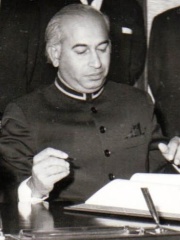
Zulfikar Ali Bhutto
1928 - 1979
HPI: 69.00
Posição: 11
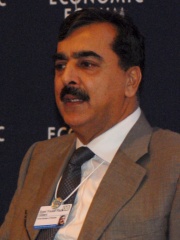
Yousaf Raza Gillani
1952 - presente
HPI: 68.75
Posição: 12




