Postać religijna
Zita
1212 - 1272
WYŚWIETLENIA PL.WIKIPEDIA (PV)

 Zita
Zita
Jej biografia jest dostępna w 25 różnych językach w Wikipedii. Zita jest 990. najpopularniejszym postać religijna (wzrost z 1208. w 2024 roku), 1328. najpopularniejszą biografią Włochy (wzrost z 1751. w 2019 roku) oraz 312. najpopularniejszym postać religijna Włochy.
Wskaźniki rozpoznawalności
76k
Wyświetlenia strony
Ostatnie 12 miesięcy
67.05
HPI
Indeks historycznej popularności
Ciekawostki z danych
+5,452
Zita awansuje o 5,452 miejsc w globalnym rankingu HPI Pantheonu, z miejsca 19,678. na 14,238.
Wyświetlenia strony Zita według języka
Wśród przedstawicieli zawodu Postać religijna
Wśród przedstawicieli zawodu „Postać religijna” Zita zajmuje 990. miejsce na 3,189. Przed nią są Antonio Quarracino, Humbert of Silva Candida, Saint Margaret of Scotland, Severinus of Noricum, Mata Amritanandamayi, i Antipope Clement VIII. Po niej są Methodios I of Constantinople, Walter Kasper, Bernardin Gantin, Benedict the Moor, Gotthard of Hildesheim, i Jeremias II of Constantinople.
Najpopularniejsi w Wikipedii: Postać religijna
Zobacz wszystkie rankingi

Antonio Quarracino
1923 - 1998
HPI: 67.14
Miejsce: 984

Humbert of Silva Candida
1000 - 1061
HPI: 67.13
Miejsce: 985
Saint Margaret of Scotland
1045 - 1093
HPI: 67.12
Miejsce: 986
Severinus of Noricum
410 - 482
HPI: 67.11
Miejsce: 987

Mata Amritanandamayi
1953 - obecnie
HPI: 67.10
Miejsce: 988
Antipope Clement VIII
1370 - 1446
HPI: 67.10
Miejsce: 989
Zita
1212 - 1272
HPI: 67.05
Miejsce: 990
Methodios I of Constantinople
788 - 847
HPI: 67.05
Miejsce: 991

Walter Kasper
1933 - obecnie
HPI: 67.04
Miejsce: 992
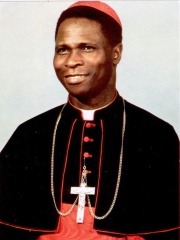
Bernardin Gantin
1922 - 2008
HPI: 67.03
Miejsce: 993
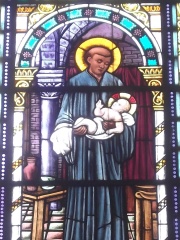
Benedict the Moor
1526 - 1589
HPI: 67.02
Miejsce: 994
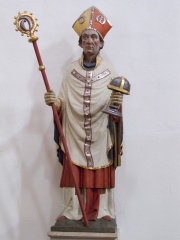
Gotthard of Hildesheim
960 - 1038
HPI: 67.02
Miejsce: 995
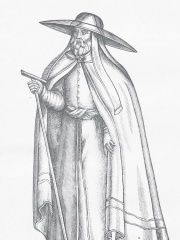
Jeremias II of Constantinople
1536 - 1595
HPI: 67.01
Miejsce: 996

Współcześni
Wśród osób urodzonych w 1212 roku Zita zajmuje 3. miejsce. Przed nią są Ibn al-Nafis, i Isabella II of Jerusalem. Po niej są Emperor Go-Horikawa, Abu Yusuf Yaqub ibn Abd al-Haqq, Archambaud IX of Bourbon, i Ingeborg Eriksdotter of Sweden. Wśród osób zmarłych w 1272 roku Zita zajmuje 4. miejsce. Przed nią są Henry III of England, Richard of Cornwall, i Stephen V of Hungary. Po niej są Emperor Go-Saga, Hugh IV, Duke of Burgundy, Enzo of Sardinia, Bartholomeus Anglicus, Yaroslav of Tver, i Henry IV, Duke of Brabant.
Inne osoby urodzone w 1212 roku
Zobacz wszystkie rankingi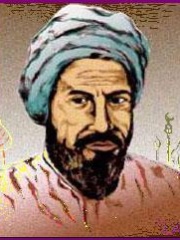
Ibn al-Nafis
PHILOSOPHER
1212 - 1289
HPI: 71.41
Miejsce: 1
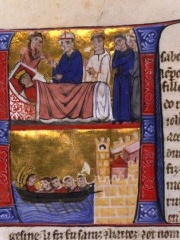
Isabella II of Jerusalem
POLITICIAN
1212 - 1228
HPI: 70.21
Miejsce: 2
Zita
RELIGIOUS FIGURE
1212 - 1272
HPI: 67.05
Miejsce: 3

Emperor Go-Horikawa
POLITICIAN
1212 - 1234
HPI: 66.32
Miejsce: 4
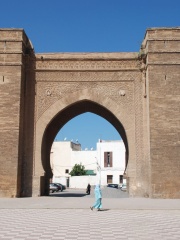
Abu Yusuf Yaqub ibn Abd al-Haqq
POLITICIAN
1212 - 1286
HPI: 62.25
Miejsce: 5

Archambaud IX of Bourbon
NOBLEMAN
1212 - 1249
HPI: 60.21
Miejsce: 6
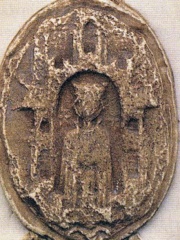
Ingeborg Eriksdotter of Sweden
NOBLEMAN
1212 - 1254
HPI: 58.60
Miejsce: 7
Inne osoby zmarłe w 1272 roku
Zobacz wszystkie rankingi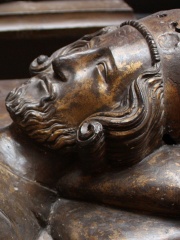
Henry III of England
POLITICIAN
1207 - 1272
HPI: 76.45
Miejsce: 1
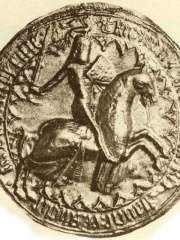
Richard of Cornwall
POLITICIAN
1209 - 1272
HPI: 74.31
Miejsce: 2
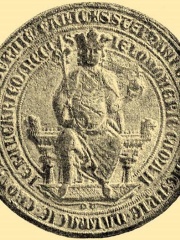
Stephen V of Hungary
POLITICIAN
1239 - 1272
HPI: 72.84
Miejsce: 3
Zita
RELIGIOUS FIGURE
1212 - 1272
HPI: 67.05
Miejsce: 4

Emperor Go-Saga
POLITICIAN
1220 - 1272
HPI: 66.41
Miejsce: 5
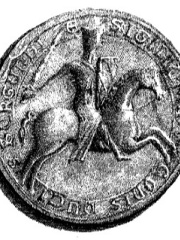
Hugh IV, Duke of Burgundy
POLITICIAN
1213 - 1272
HPI: 64.83
Miejsce: 6
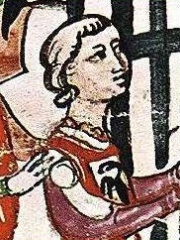
Enzo of Sardinia
WRITER
1220 - 1272
HPI: 64.38
Miejsce: 7

Bartholomeus Anglicus
RELIGIOUS FIGURE
1203 - 1272
HPI: 64.27
Miejsce: 8
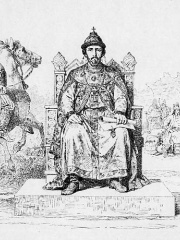
Yaroslav of Tver
NOBLEMAN
1230 - 1272
HPI: 63.74
Miejsce: 9
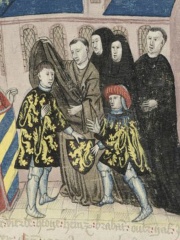
Henry IV, Duke of Brabant
NOBLEMAN
1251 - 1272
HPI: 62.26
Miejsce: 10
W kraju Włochy
Wśród osób urodzonych w kraju Włochy Zita zajmuje 1,328. miejsce na 5,905. Przed nią są Gino Severini (1883), Prince Ferdinando, Duke of Genoa (1822), Sigismondo Pandolfo Malatesta (1417), Brunetto Latini (1220), Franco Corelli (1921), i Maria Luisa of Savoy (1688). Po niej są Methodios I of Constantinople (788), Archduke Rainer Joseph of Austria (1783), Umberto Tozzi (1952), Giuseppe Conte (1964), Bernabò Visconti (1323), i Benedict the Moor (1526).
Inne osoby urodzone w kraju Włochy
Zobacz wszystkie rankingi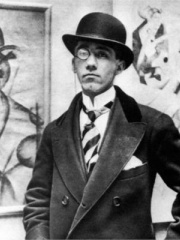
Gino Severini
PAINTER
1883 - 1966
HPI: 67.09
Miejsce: 1,322
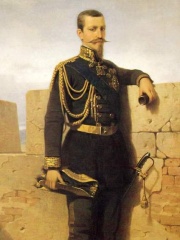
Prince Ferdinando, Duke of Genoa
POLITICIAN
1822 - 1855
HPI: 67.08
Miejsce: 1,323
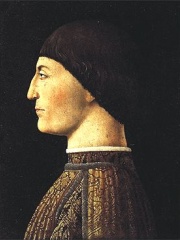
Sigismondo Pandolfo Malatesta
POLITICIAN
1417 - 1468
HPI: 67.08
Miejsce: 1,324
Brunetto Latini
PHILOSOPHER
1220 - 1294
HPI: 67.07
Miejsce: 1,325
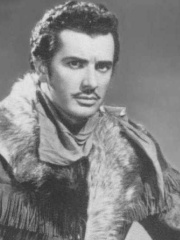
Franco Corelli
SINGER
1921 - 2003
HPI: 67.07
Miejsce: 1,326

Maria Luisa of Savoy
COMPANION
1688 - 1714
HPI: 67.06
Miejsce: 1,327
Zita
RELIGIOUS FIGURE
1212 - 1272
HPI: 67.05
Miejsce: 1,328
Methodios I of Constantinople
RELIGIOUS FIGURE
788 - 847
HPI: 67.05
Miejsce: 1,329
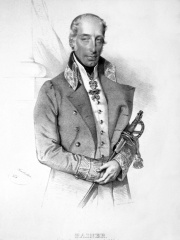
Archduke Rainer Joseph of Austria
POLITICIAN
1783 - 1853
HPI: 67.04
Miejsce: 1,330

Umberto Tozzi
SINGER
1952 - obecnie
HPI: 67.04
Miejsce: 1,331

Giuseppe Conte
POLITICIAN
1964 - obecnie
HPI: 67.03
Miejsce: 1,332
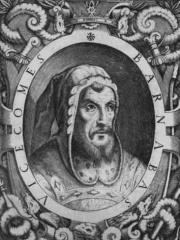
Bernabò Visconti
POLITICIAN
1323 - 1385
HPI: 67.03
Miejsce: 1,333
Benedict the Moor
RELIGIOUS FIGURE
1526 - 1589
HPI: 67.02
Miejsce: 1,334
Wśród przedstawicieli zawodu Postać religijna w kraju Włochy
Wśród przedstawicieli zawodu „Postać religijna” urodzonych w kraju Włochy Zita zajmuje 312. miejsce. Przed nią są Pietro Gasparri (1852), Arnold of Brescia (1100), Romano Guardini (1885), Antipope Christopher (900), Alfredo Ottaviani (1890), i Antonio Quarracino (1923). Po niej są Methodios I of Constantinople (788), Benedict the Moor (1526), Ascanio Sforza (1455), Paula of Rome (347), Andrea Amati (1505), i Teobaldo Boccapecci (1100).
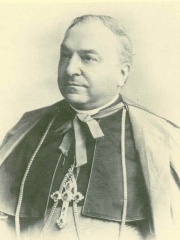
Pietro Gasparri
1852 - 1934
HPI: 67.47
Miejsce: 306
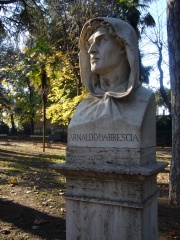
Arnold of Brescia
1100 - 1155
HPI: 67.38
Miejsce: 307
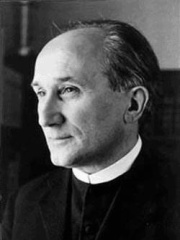
Romano Guardini
1885 - 1968
HPI: 67.37
Miejsce: 308
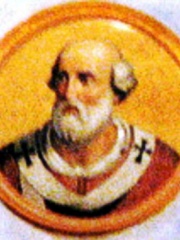
Antipope Christopher
900 - 904
HPI: 67.32
Miejsce: 309
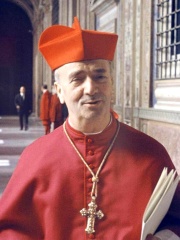
Alfredo Ottaviani
1890 - 1979
HPI: 67.16
Miejsce: 310
Antonio Quarracino
1923 - 1998
HPI: 67.14
Miejsce: 311
Zita
1212 - 1272
HPI: 67.05
Miejsce: 312
Methodios I of Constantinople
788 - 847
HPI: 67.05
Miejsce: 313
Benedict the Moor
1526 - 1589
HPI: 67.02
Miejsce: 314
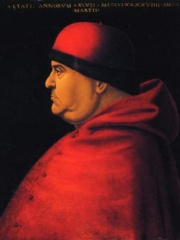
Ascanio Sforza
1455 - 1505
HPI: 67.01
Miejsce: 315
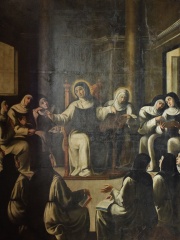
Paula of Rome
347 - 406
HPI: 67.00
Miejsce: 316
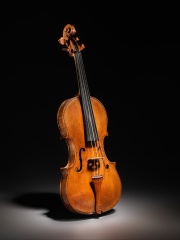
Andrea Amati
1505 - 1577
HPI: 66.84
Miejsce: 317
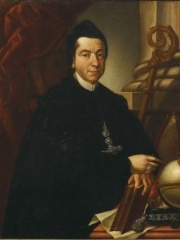
Teobaldo Boccapecci
1100 - 1126
HPI: 66.84
Miejsce: 318




