Écrivain
Zeb-un-Nissa
1638 - 1702
FR.WIKIPEDIA PAGE VIEWS (PV)
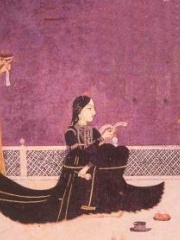
 Zeb-un-Nissa
Sa biographie est disponible en 30 langues sur Wikipédia (en hausse par rapport à 26 en 2024). Zeb-un-Nissa est la 822nd écrivain la plus populaire (en hausse du 2,750th en 2024), la 129th biographie la plus populaire d'Inde (en hausse du 352nd en 2019), ainsi que la 15th écrivain d'Inde la plus populaire.
Memorability Metrics
71k
Page Views
Past 12 months
69.33
HPI
Historical Popularity Index
Page views of Zeb-un-Nissa by language
Among Écrivains
Among écrivains, Zeb-un-Nissa ranks 822 out of 7,302. Before her are Gerard of Cremona, Nikolay Karamzin, James Jones, Aelia Eudocia, Laura Ingalls Wilder, and Colleen McCullough. After her are Wilhelm Hauff, Theodore Beza, Alain-René Lesage, Elsa Morante, Nikolai Ostrovsky, and Kobayashi Issa.
Most Popular ÉCrivains in Wikipedia
Go to all Rankings
Gerard of Cremona
1114 - 1187
HPI: 69.39
Rank: 816
Nikolay Karamzin
1766 - 1826
HPI: 69.37
Rank: 817
James Jones
1921 - 1977
HPI: 69.36
Rank: 818
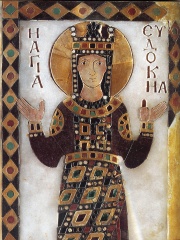
Aelia Eudocia
401 - 460
HPI: 69.36
Rank: 819
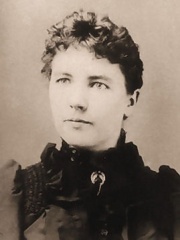
Laura Ingalls Wilder
1867 - 1957
HPI: 69.36
Rank: 820
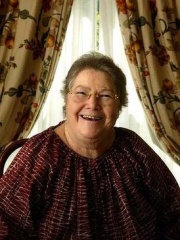
Colleen McCullough
1937 - 2015
HPI: 69.36
Rank: 821
Zeb-un-Nissa
1638 - 1702
HPI: 69.33
Rank: 822
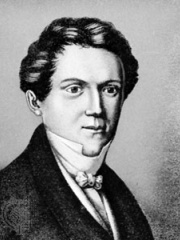
Wilhelm Hauff
1802 - 1827
HPI: 69.33
Rank: 823
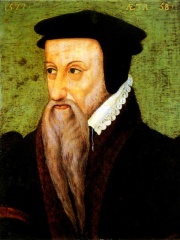
Theodore Beza
1519 - 1605
HPI: 69.33
Rank: 824
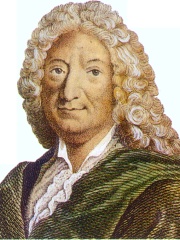
Alain-René Lesage
1668 - 1747
HPI: 69.31
Rank: 825
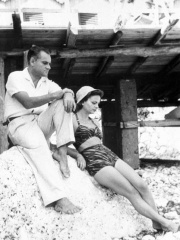
Elsa Morante
1912 - 1985
HPI: 69.30
Rank: 826
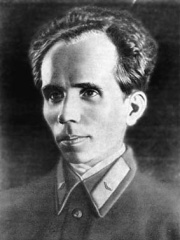
Nikolai Ostrovsky
1904 - 1936
HPI: 69.30
Rank: 827
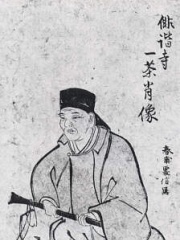
Kobayashi Issa
1763 - 1828
HPI: 69.29
Rank: 828

Contemporaries
Among people born in 1638, Zeb-un-Nissa ranks 6. Before her are Louis XIV of France, Maria Theresa of Spain, Shunzhi Emperor, Nicolas Malebranche, and Nicolas Steno. After her are Emperor Go-Sai, Catherine of Braganza, Olympia Mancini, Countess of Soissons, Elisabetta Sirani, Meindert Hobbema, and James Gregory. Among people deceased in 1702, Zeb-un-Nissa ranks 2. Before her is William III of England. After her are Frederick IV, Duke of Holstein-Gottorp, Philippe, Chevalier de Lorraine, Jean Bart, Olaus Rudbeck, Amcazade Köprülü Hüseyin Pasha, Georg Eberhard Rumphius, John Benbow, and Robert Spencer, 2nd Earl of Sunderland.
Others Born in 1638
Go to all Rankings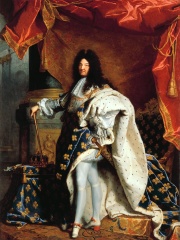
Louis XIV of France
POLITICIAN
1638 - 1715
HPI: 93.01
Rank: 1
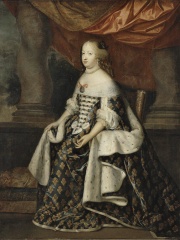
Maria Theresa of Spain
COMPANION
1638 - 1683
HPI: 79.37
Rank: 2
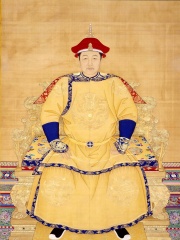
Shunzhi Emperor
POLITICIAN
1638 - 1661
HPI: 75.98
Rank: 3
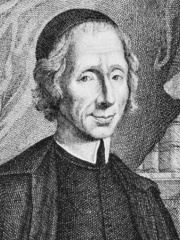
Nicolas Malebranche
PHILOSOPHER
1638 - 1715
HPI: 74.44
Rank: 4
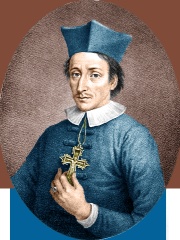
Nicolas Steno
GEOLOGIST
1638 - 1686
HPI: 73.35
Rank: 5
Zeb-un-Nissa
WRITER
1638 - 1702
HPI: 69.33
Rank: 6

Emperor Go-Sai
POLITICIAN
1638 - 1685
HPI: 69.04
Rank: 7
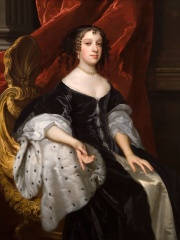
Catherine of Braganza
POLITICIAN
1638 - 1705
HPI: 68.93
Rank: 8
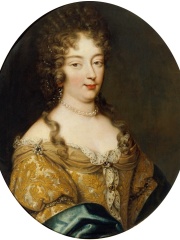
Olympia Mancini, Countess of Soissons
POLITICIAN
1638 - 1708
HPI: 68.76
Rank: 9
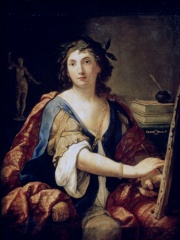
Elisabetta Sirani
PAINTER
1638 - 1665
HPI: 67.84
Rank: 10
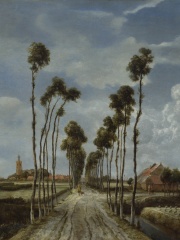
Meindert Hobbema
PAINTER
1638 - 1709
HPI: 67.77
Rank: 11
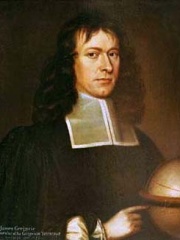
James Gregory
MATHEMATICIAN
1638 - 1675
HPI: 67.50
Rank: 12
Others Deceased in 1702
Go to all Rankings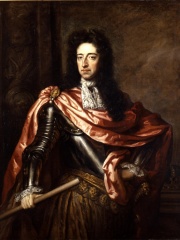
William III of England
POLITICIAN
1650 - 1702
HPI: 87.81
Rank: 1
Zeb-un-Nissa
WRITER
1638 - 1702
HPI: 69.33
Rank: 2
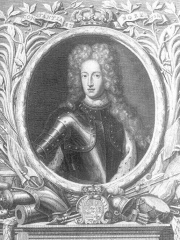
Frederick IV, Duke of Holstein-Gottorp
POLITICIAN
1671 - 1702
HPI: 68.21
Rank: 3
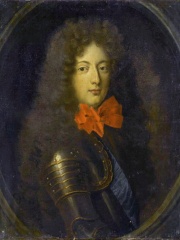
Philippe, Chevalier de Lorraine
POLITICIAN
1643 - 1702
HPI: 67.56
Rank: 4
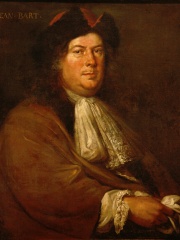
Jean Bart
POLITICIAN
1650 - 1702
HPI: 67.11
Rank: 5
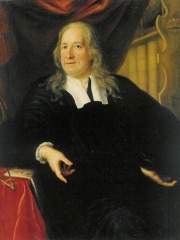
Olaus Rudbeck
BIOLOGIST
1630 - 1702
HPI: 66.61
Rank: 6
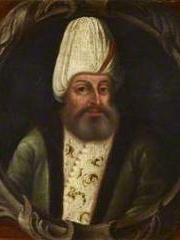
Amcazade Köprülü Hüseyin Pasha
POLITICIAN
1644 - 1702
HPI: 62.09
Rank: 7
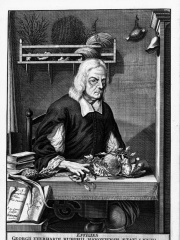
Georg Eberhard Rumphius
BIOLOGIST
1627 - 1702
HPI: 62.02
Rank: 8
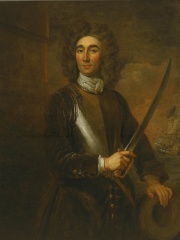
John Benbow
MILITARY PERSONNEL
1653 - 1702
HPI: 56.98
Rank: 9
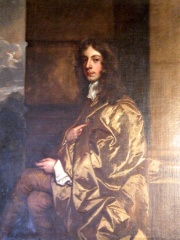
Robert Spencer, 2nd Earl of Sunderland
POLITICIAN
1641 - 1702
HPI: 54.34
Rank: 10
In Inde
Among people born in Inde, Zeb-un-Nissa ranks 129 out of NaN. Before her are A. R. Rahman (1966), Mirza Ghulam Ahmad (1835), Samudragupta (335), Sarvepalli Radhakrishnan (1888), Pete Best (1941), and Ravi Shankar (1920). After her are Ghiyas ud din Balban (1200), Abul A'la Maududi (1903), Kim Philby (1912), Radha (null), Vyjayanthimala Bali (1936), and Ramanuja (1017).
Others born in Inde
Go to all Rankings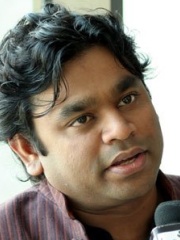
A. R. Rahman
MUSICIAN
1966 - Present
HPI: 69.70
Rank: 123
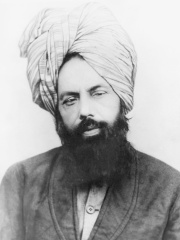
Mirza Ghulam Ahmad
RELIGIOUS FIGURE
1835 - 1908
HPI: 69.56
Rank: 124
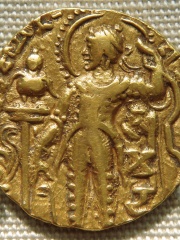
Samudragupta
POLITICIAN
335 - 380
HPI: 69.46
Rank: 125
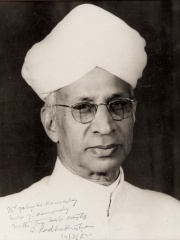
Sarvepalli Radhakrishnan
POLITICIAN
1888 - 1975
HPI: 69.45
Rank: 126
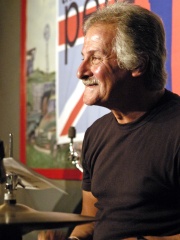
Pete Best
MUSICIAN
1941 - Present
HPI: 69.42
Rank: 127
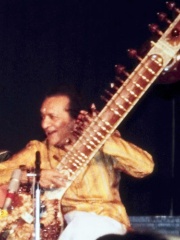
Ravi Shankar
MUSICIAN
1920 - 2012
HPI: 69.34
Rank: 128
Zeb-un-Nissa
WRITER
1638 - 1702
HPI: 69.33
Rank: 129
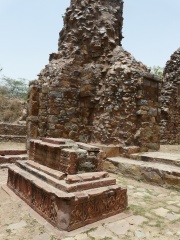
Ghiyas ud din Balban
POLITICIAN
1200 - 1287
HPI: 69.31
Rank: 130
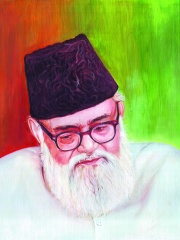
Abul A'la Maududi
PHILOSOPHER
1903 - 1979
HPI: 69.30
Rank: 131
Kim Philby
MILITARY PERSONNEL
1912 - 1988
HPI: 69.30
Rank: 132
Radha
RELIGIOUS FIGURE
HPI: 69.21
Rank: 133
Vyjayanthimala Bali
ACTOR
1936 - Present
HPI: 69.12
Rank: 134
Ramanuja
PHILOSOPHER
1017 - 1137
HPI: 69.10
Rank: 135
Among Écrivains In Inde
Among écrivains born in Inde, Zeb-un-Nissa ranks 15. Before her are Jim Corbett (1875), Tulsidas (1532), Savitribai Phule (1831), William Makepeace Thackeray (1811), Meera (1498), and Premchand (1880). After her are Vātsyāyana (300), Abu'l-Fazl ibn Mubarak (1551), Basava (1134), Lawrence Durrell (1912), Sarojini Naidu (1879), and Tukaram (1608).
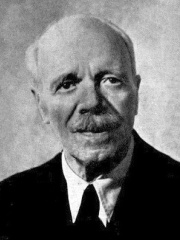
Jim Corbett
1875 - 1955
HPI: 73.39
Rank: 9
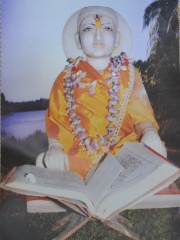
Tulsidas
1532 - 1623
HPI: 73.16
Rank: 10
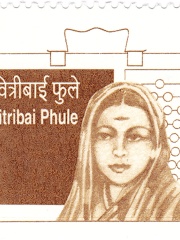
Savitribai Phule
1831 - 1897
HPI: 73.12
Rank: 11
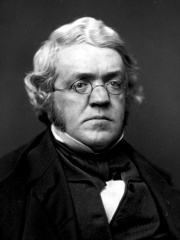
William Makepeace Thackeray
1811 - 1863
HPI: 71.73
Rank: 12

Meera
1498 - 1546
HPI: 71.21
Rank: 13
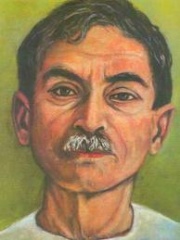
Premchand
1880 - 1936
HPI: 70.83
Rank: 14
Zeb-un-Nissa
1638 - 1702
HPI: 69.33
Rank: 15

Vātsyāyana
300 - 500
HPI: 68.99
Rank: 16
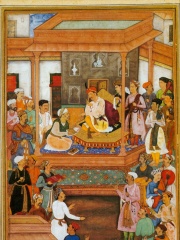
Abu'l-Fazl ibn Mubarak
1551 - 1602
HPI: 68.58
Rank: 17
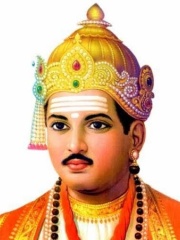
Basava
1134 - 1196
HPI: 68.27
Rank: 18
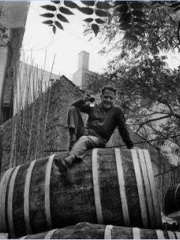
Lawrence Durrell
1912 - 1990
HPI: 68.26
Rank: 19
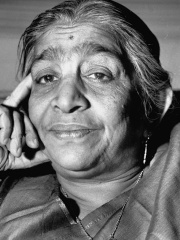
Sarojini Naidu
1879 - 1949
HPI: 67.28
Rank: 20
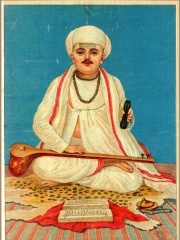
Tukaram
1608 - 1650
HPI: 67.09
Rank: 21




