Polityk
Wei Yan
200 - 234
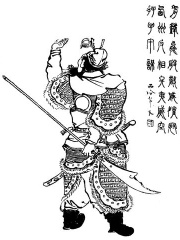
 Wei Yan
Jego biografia jest dostępna w 21 różnych językach w Wikipedii (wzrost z 20 w 2024 roku). Wei Yan jest 3775. najpopularniejszym polityk (spadek z 2829. w 2024 roku), 257. najpopularniejszą biografią Chiny (spadek z 223. w 2019 roku) oraz 155. najpopularniejszym polityk Chiny.
Wskaźniki rozpoznawalności
130k
Wyświetlenia strony
Ostatnie 12 miesięcy
68.33
HPI
Indeks historycznej popularności
Ciekawostki z danych
21
Biografia postaci Wei Yan obejmuje 21 wersji językowych Wikipedii, a jej Historyczny Indeks Popularności wynosi 68.33.
Wyświetlenia strony Wei Yan według języka
Wśród przedstawicieli zawodu Polityk
Wśród przedstawicieli zawodu „Polityk” Wei Yan zajmuje 3,773. miejsce na 20,022. Przed nim są Ottavio Farnese, Duke of Parma, Drusilla, Wim Kok, Ahilyabai Holkar, Giacomo Matteotti, i Antiochus VIII Grypus. Po nim są Devlet I Giray, Elizabeth of Denmark, Duchess of Brunswick-Wolfenbüttel, Al-Qahir, Ben Carson, Salva Kiir Mayardit, i Cao Fang.
Najpopularniejsi w Wikipedii: Polityk
Zobacz wszystkie rankingi
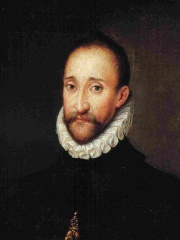
Ottavio Farnese, Duke of Parma
1524 - 1586
HPI: 68.34
Miejsce: 3,769
Drusilla
38 - 79
HPI: 68.34
Miejsce: 3,770
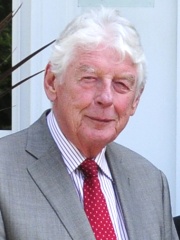
Wim Kok
1938 - 2018
HPI: 68.34
Miejsce: 3,771
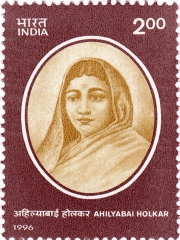
Ahilyabai Holkar
1725 - 1795
HPI: 68.34
Miejsce: 3,772
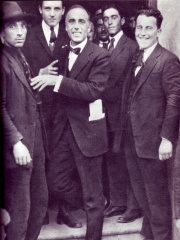
Giacomo Matteotti
1885 - 1924
HPI: 68.34
Miejsce: 3,773
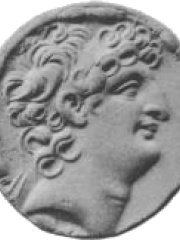
Antiochus VIII Grypus
141 BC - 96 BC
HPI: 68.34
Miejsce: 3,774
Wei Yan
200 - 234
HPI: 68.33
Miejsce: 3,775
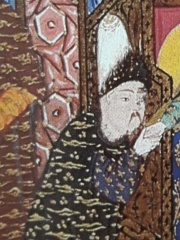
Devlet I Giray
1512 - 1577
HPI: 68.33
Miejsce: 3,776
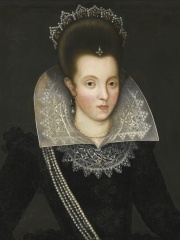
Elizabeth of Denmark, Duchess of Brunswick-Wolfenbüttel
1573 - 1625
HPI: 68.33
Miejsce: 3,777
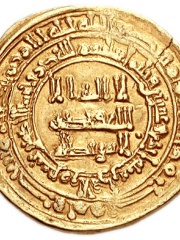
Al-Qahir
899 - 950
HPI: 68.33
Miejsce: 3,778
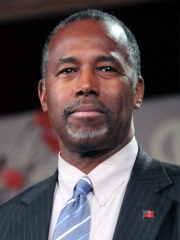
Ben Carson
1951 - obecnie
HPI: 68.33
Miejsce: 3,779
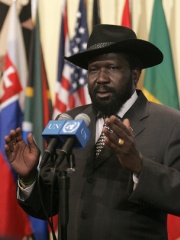
Salva Kiir Mayardit
1951 - obecnie
HPI: 68.32
Miejsce: 3,780

Cao Fang
232 - 274
HPI: 68.32
Miejsce: 3,781

Współcześni
Wśród osób urodzonych w 200 roku Wei Yan zajmuje 20. miejsce. Przed nim są Alexander of Aphrodisias, Artabanus IV of Parthia, Celsus, Zhang Jue, Artemidorus, i Paul of Samosata. Po nim są Vologases VI, Pacatianus, Sasan, Lucius Artorius Castus, Sabinianus, i Bhāsa. Wśród osób zmarłych w 234 roku Wei Yan zajmuje 3. miejsce. Przed nim są Zhuge Liang, i Emperor Xian of Han. Po nim jest Gusu of Baekje.
Inne osoby urodzone w 200 roku
Zobacz wszystkie rankingi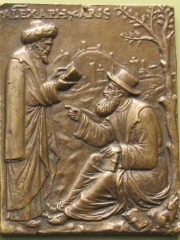
Alexander of Aphrodisias
PHILOSOPHER
200 - 215
HPI: 71.01
Miejsce: 14
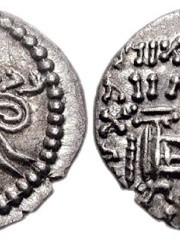
Artabanus IV of Parthia
POLITICIAN
200 - 224
HPI: 70.82
Miejsce: 15
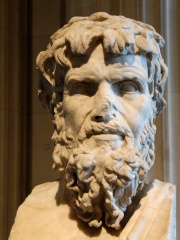
Celsus
PHILOSOPHER
200 - obecnie
HPI: 70.69
Miejsce: 16
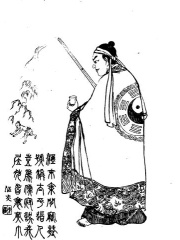
Zhang Jue
SOCIAL ACTIVIST
200 - 184
HPI: 69.07
Miejsce: 17

Artemidorus
WRITER
200 - 200
HPI: 68.61
Miejsce: 18

Paul of Samosata
RELIGIOUS FIGURE
200 - 275
HPI: 68.37
Miejsce: 19
Wei Yan
POLITICIAN
200 - 234
HPI: 68.33
Miejsce: 20
Vologases VI
POLITICIAN
200 - 228
HPI: 67.99
Miejsce: 21
Pacatianus
POLITICIAN
200 - 248
HPI: 67.83
Miejsce: 22

Sasan
RELIGIOUS FIGURE
200 - 300
HPI: 67.65
Miejsce: 23

Lucius Artorius Castus
MILITARY PERSONNEL
200 - 200
HPI: 67.35
Miejsce: 24

Sabinianus
POLITICIAN
200 - 240
HPI: 67.29
Miejsce: 25
Bhāsa
WRITER
200 - 300
HPI: 67.07
Miejsce: 26
Inne osoby zmarłe w 234 roku
Zobacz wszystkie rankingi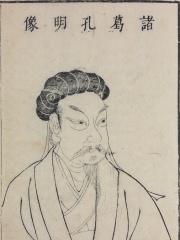
Zhuge Liang
ENGINEER
181 - 234
HPI: 79.02
Miejsce: 1
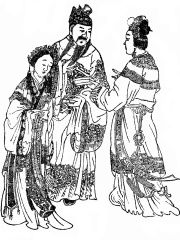
Emperor Xian of Han
POLITICIAN
181 - 234
HPI: 72.15
Miejsce: 2
Wei Yan
POLITICIAN
200 - 234
HPI: 68.33
Miejsce: 3

Gusu of Baekje
POLITICIAN
150 - 234
HPI: 62.25
Miejsce: 4
W kraju Chiny
Wśród osób urodzonych w kraju Chiny Wei Yan zajmuje 257. miejsce na 2,131. Przed nim są Di Renjie (630), Emperor Yingzong of Song (1032), Guan Zhong (-720), Dong Biwu (1886), Wang Chong (27), i Xi Zhongxun (1913). Po nim są 3rd Dalai Lama (1543), Ouyang Xiu (1007), Zhang Zuolin (1875), Emperor Ai of Tang (892), Qi of Xia (-2200), i Guo Jia (170).
Inne osoby urodzone w kraju Chiny
Zobacz wszystkie rankingi
Di Renjie
POLITICIAN
630 - 700
HPI: 68.54
Miejsce: 251
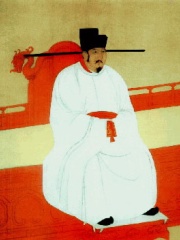
Emperor Yingzong of Song
POLITICIAN
1032 - 1067
HPI: 68.49
Miejsce: 252
Guan Zhong
PHILOSOPHER
720 BC - 645 BC
HPI: 68.47
Miejsce: 253
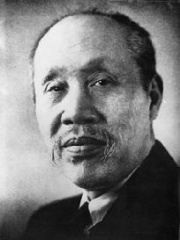
Dong Biwu
POLITICIAN
1886 - 1975
HPI: 68.46
Miejsce: 254

Wang Chong
MATHEMATICIAN
27 - 97
HPI: 68.45
Miejsce: 255

Xi Zhongxun
POLITICIAN
1913 - 2002
HPI: 68.41
Miejsce: 256
Wei Yan
POLITICIAN
200 - 234
HPI: 68.33
Miejsce: 257
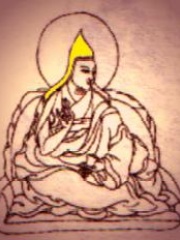
3rd Dalai Lama
POLITICIAN
1543 - 1588
HPI: 68.20
Miejsce: 258
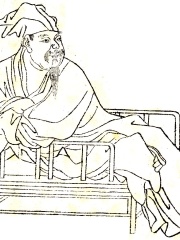
Ouyang Xiu
WRITER
1007 - 1072
HPI: 68.15
Miejsce: 259
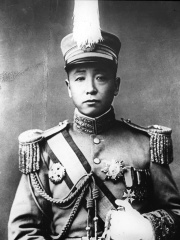
Zhang Zuolin
POLITICIAN
1875 - 1928
HPI: 68.14
Miejsce: 260

Emperor Ai of Tang
POLITICIAN
892 - 908
HPI: 68.10
Miejsce: 261
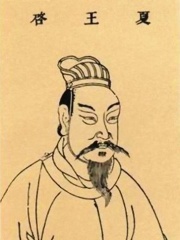
Qi of Xia
POLITICIAN
2200 BC - 2200 BC
HPI: 68.03
Miejsce: 262
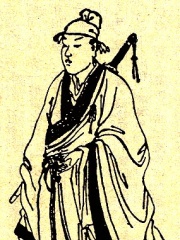
Guo Jia
POLITICIAN
170 - obecnie
HPI: 68.03
Miejsce: 263
Wśród przedstawicieli zawodu Polityk w kraju Chiny
Wśród przedstawicieli zawodu „Polityk” urodzonych w kraju Chiny Wei Yan zajmuje 155. miejsce. Przed nim są Emperor Ai of Han (-27), Sima Guang (1019), Di Renjie (630), Emperor Yingzong of Song (1032), Dong Biwu (1886), i Xi Zhongxun (1913). Po nim są 3rd Dalai Lama (1543), Zhang Zuolin (1875), Emperor Ai of Tang (892), Qi of Xia (-2200), Guo Jia (170), i Emperor Daizong of Tang (727).
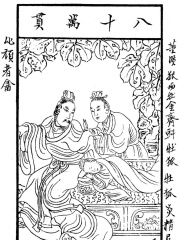
Emperor Ai of Han
27 BC - 1 BC
HPI: 68.57
Miejsce: 149
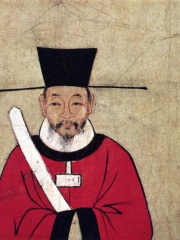
Sima Guang
1019 - 1086
HPI: 68.57
Miejsce: 150
Di Renjie
630 - 700
HPI: 68.54
Miejsce: 151
Emperor Yingzong of Song
1032 - 1067
HPI: 68.49
Miejsce: 152
Dong Biwu
1886 - 1975
HPI: 68.46
Miejsce: 153
Xi Zhongxun
1913 - 2002
HPI: 68.41
Miejsce: 154
Wei Yan
200 - 234
HPI: 68.33
Miejsce: 155
3rd Dalai Lama
1543 - 1588
HPI: 68.20
Miejsce: 156
Zhang Zuolin
1875 - 1928
HPI: 68.14
Miejsce: 157
Emperor Ai of Tang
892 - 908
HPI: 68.10
Miejsce: 158
Qi of Xia
2200 BC - 2200 BC
HPI: 68.03
Miejsce: 159
Guo Jia
170 - obecnie
HPI: 68.03
Miejsce: 160
Emperor Daizong of Tang
727 - 779
HPI: 68.01
Miejsce: 161




