Военнослужащий
Хяюхя, Симо
1905 - 2002
ПРОСМОТРЫ RU.WIKIPEDIA (PV)
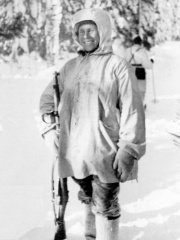
 Хяюхя, Симо
Его биография доступна на 56 различных языках в Википедии (рост с 54 в 2024 году). Хяюхя, Симо занимает 23-е место среди самых популярных военнослужащий (рост с 36-е места в 2024 году), занимает 3-е место среди самых популярных биографий из Финляндии и занимает 1-е место среди военнослужащий Финляндия.
Метрики памятности
2.7M
Просмотры страниц
За последние 12 месяцев
81.19
HPI
Индекс исторической популярности
Интересные факты
#3 / 884
Хяюхя, Симо занимает 3-е место среди 884 личностей Pantheon, родившихся в стране Финляндия, входя в лучшие 1 % этой группы.
17×
Страница Хяюхя, Симо в Википедии набрала 2.7M просмотров за последний год, в 17 раз больше среднего среди Военнослужащий.
+271
Хяюхя, Симо поднялся на 271 позиций в мировом рейтинге HPI Pantheon, с 1,351-го на 1,080-е место.
Просмотры страницы Хяюхя, Симо по языкам
Среди представителей профессии «Военнослужащий»
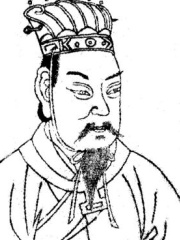
Среди представителей профессии «Военнослужащий» Хяюхя, Симо занимает 23-е место из 2,188. Перед ним идут Gilbert du Motier, Marquis de Lafayette, Spartacus, Vasily Zaitsev, Romulus Augustulus, Flavius Aetius, и Jochi. После него идут Belisarius, William Wallace, Themistocles, Ptolemy I Soter, Robert Baden-Powell, 1st Baron Baden-Powell, и Cao Cao.
Самые популярные в Википедии: Военнослужащий
Все рейтинги
Gilbert du Motier, Marquis de Lafayette
1757 - 1834
HPI: 82.19
Место: 17
Spartacus
109 до н. э. - 71 до н. э.
HPI: 82.09
Место: 18
Vasily Zaitsev
1915 - 1991
HPI: 81.62
Место: 19
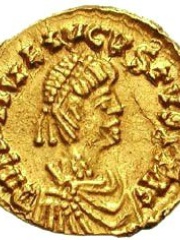
Romulus Augustulus
460 - 527
HPI: 81.58
Место: 20
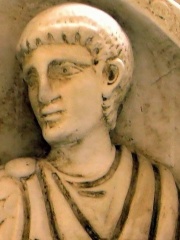
Flavius Aetius
390 - 454
HPI: 81.25
Место: 21
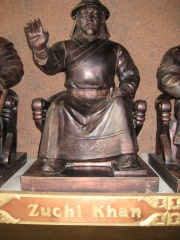
Jochi
1181 - 1227
HPI: 81.23
Место: 22
Simo Häyhä
1905 - 2002
HPI: 81.19
Место: 23
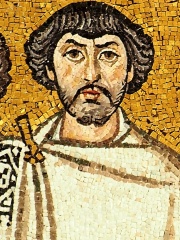
Belisarius
505 - 565
HPI: 81.11
Место: 24
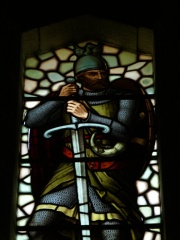
William Wallace
1270 - 1305
HPI: 80.95
Место: 25
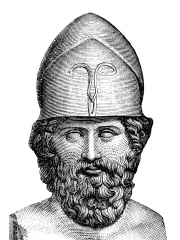
Themistocles
524 до н. э. - 459 до н. э.
HPI: 80.86
Место: 26
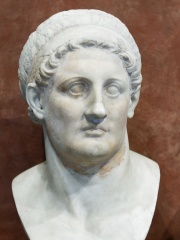
Ptolemy I Soter
367 до н. э. - 283 до н. э.
HPI: 80.86
Место: 27
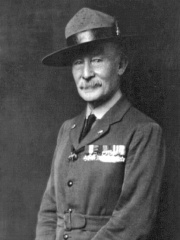
Robert Baden-Powell, 1st Baron Baden-Powell
1857 - 1941
HPI: 80.61
Место: 28
Cao Cao
155 - 220
HPI: 80.54
Место: 29

Современники
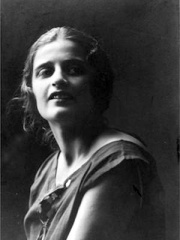
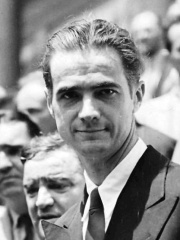
Среди людей, родившихся в 1905 году, Хяюхя, Симо занимает 4-е место. Перед ним идут Jean-Paul Sartre, Ayn Rand, и Howard Hughes. После него идут Nevill Francis Mott, Albert Speer, Dag Hammarskjöld, Viktor Frankl, Elias Canetti, Christian Dior, Henry Fonda, и Greta Garbo. Среди людей, умерших в 2002 году, Хяюхя, Симо занимает 4-е место. Перед ним идут Astrid Lindgren, Richard Harris, и Queen Elizabeth The Queen Mother. После него идут Princess Margaret, Countess of Snowdon, Pierre Bourdieu, Hans-Georg Gadamer, Thor Heyerdahl, Archer Martin, Billy Wilder, Prince Claus of the Netherlands, и John Rawls.
Другие люди, родившиеся в 1905 году
Все рейтинги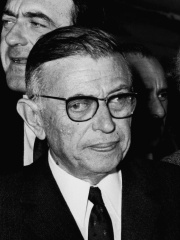
Jean-Paul Sartre
WRITER
1905 - 1980
HPI: 87.31
Место: 1
Ayn Rand
WRITER
1905 - 1982
HPI: 83.74
Место: 2
Howard Hughes
BUSINESSPERSON
1905 - 1976
HPI: 83.19
Место: 3
Simo Häyhä
MILITARY PERSONNEL
1905 - 2002
HPI: 81.19
Место: 4
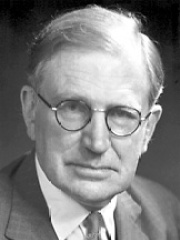
Nevill Francis Mott
PHYSICIST
1905 - 1996
HPI: 80.05
Место: 5
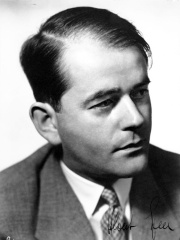
Albert Speer
ARCHITECT
1905 - 1981
HPI: 79.89
Место: 6
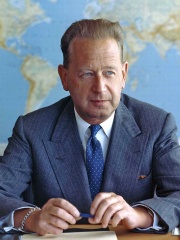
Dag Hammarskjöld
DIPLOMAT
1905 - 1961
HPI: 79.85
Место: 7
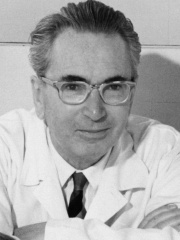
Viktor Frankl
PSYCHOLOGIST
1905 - 1997
HPI: 79.30
Место: 8
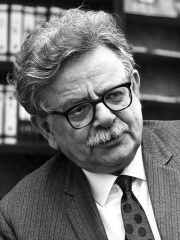
Elias Canetti
WRITER
1905 - 1994
HPI: 79.19
Место: 9
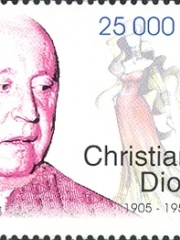
Christian Dior
FASHION DESIGNER
1905 - 1957
HPI: 78.14
Место: 10

Henry Fonda
ACTOR
1905 - 1982
HPI: 77.97
Место: 11

Greta Garbo
ACTOR
1905 - 1990
HPI: 77.34
Место: 12
Другие люди, умершие в 2002 году
Все рейтинги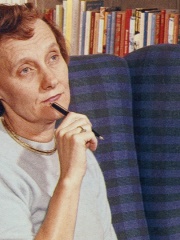
Astrid Lindgren
WRITER
1907 - 2002
HPI: 83.96
Место: 1
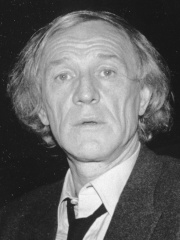
Richard Harris
ACTOR
1930 - 2002
HPI: 82.51
Место: 2
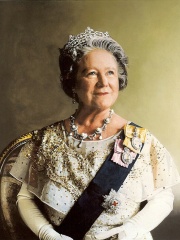
Queen Elizabeth The Queen Mother
NOBLEMAN
1900 - 2002
HPI: 81.23
Место: 3
Simo Häyhä
MILITARY PERSONNEL
1905 - 2002
HPI: 81.19
Место: 4

Princess Margaret, Countess of Snowdon
NOBLEMAN
1930 - 2002
HPI: 78.94
Место: 5
Pierre Bourdieu
SOCIOLOGIST
1930 - 2002
HPI: 78.90
Место: 6
Hans-Georg Gadamer
PHILOSOPHER
1900 - 2002
HPI: 77.23
Место: 7
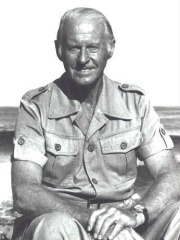
Thor Heyerdahl
EXPLORER
1914 - 2002
HPI: 77.14
Место: 8
Archer Martin
CHEMIST
1910 - 2002
HPI: 76.38
Место: 9

Billy Wilder
FILM DIRECTOR
1906 - 2002
HPI: 75.36
Место: 10
Prince Claus of the Netherlands
NOBLEMAN
1926 - 2002
HPI: 74.41
Место: 11
John Rawls
PHILOSOPHER
1921 - 2002
HPI: 74.33
Место: 12
В стране Финляндия
Среди людей, родившихся в стране Финляндия, Хяюхя, Симо занимает 3-е место из 884. Перед ним идут Alvar Aalto (1898), и Carl Gustaf Emil Mannerheim (1867). После него идут Jean Sibelius (1865), Tove Jansson (1914), Frans Eemil Sillanpää (1888), Paavo Nurmi (1897), Tarja Halonen (1943), Elias Lönnrot (1802), Urho Kekkonen (1900), Artturi Ilmari Virtanen (1895), и Sauli Niinistö (1948).
Другие люди, родившиеся в стране Финляндия
Все рейтинги
Alvar Aalto
ARCHITECT
1898 - 1976
HPI: 81.52
Место: 1
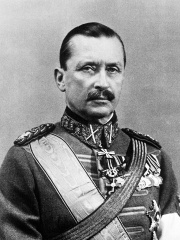
Carl Gustaf Emil Mannerheim
POLITICIAN
1867 - 1951
HPI: 81.28
Место: 2
Simo Häyhä
MILITARY PERSONNEL
1905 - 2002
HPI: 81.19
Место: 3
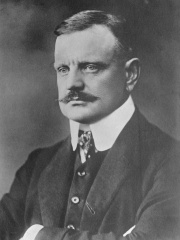
Jean Sibelius
COMPOSER
1865 - 1957
HPI: 80.86
Место: 4
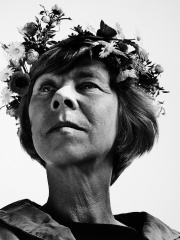
Tove Jansson
WRITER
1914 - 2001
HPI: 78.49
Место: 5
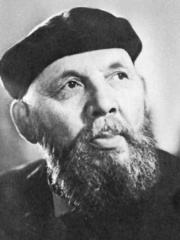
Frans Eemil Sillanpää
WRITER
1888 - 1964
HPI: 75.78
Место: 6
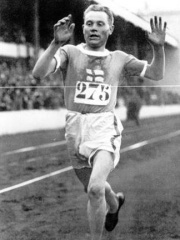
Paavo Nurmi
ATHLETE
1897 - 1973
HPI: 75.77
Место: 7
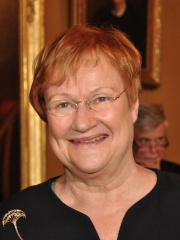
Tarja Halonen
POLITICIAN
1943 - наст. время
HPI: 75.27
Место: 8
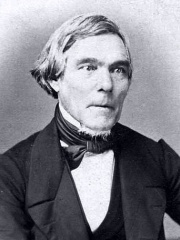
Elias Lönnrot
PHYSICIAN
1802 - 1884
HPI: 74.74
Место: 9
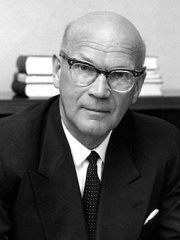
Urho Kekkonen
POLITICIAN
1900 - 1986
HPI: 74.02
Место: 10
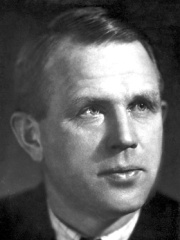
Artturi Ilmari Virtanen
CHEMIST
1895 - 1973
HPI: 73.42
Место: 11

Sauli Niinistö
POLITICIAN
1948 - наст. время
HPI: 73.22
Место: 12
Среди представителей профессии «Военнослужащий» в стране Финляндия
Среди представителей профессии «Военнослужащий», родившихся в стране Финляндия, Хяюхя, Симо занимает 1-е место. После него идут Ernst Linder (1868), Ilmari Juutilainen (1914), Erik Heinrichs (1890), Hugo Österman (1892), Paavo Talvela (1897), Carl Johan Adlercreutz (1759), Woldemar Hägglund (1893), Ali Aaltonen (1884), Oskar Gripenberg (1838), Kurt Martti Wallenius (1893), и Ruben Lagus (1896).
Simo Häyhä
1905 - 2002
HPI: 81.19
Место: 1
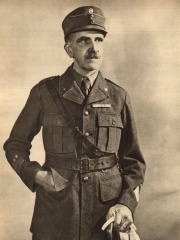
Ernst Linder
1868 - 1943
HPI: 63.75
Место: 2
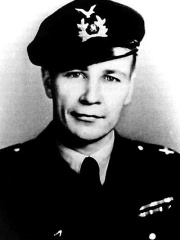
Ilmari Juutilainen
1914 - 1999
HPI: 62.37
Место: 3
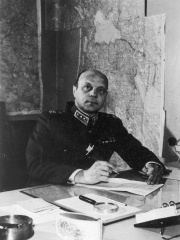
Erik Heinrichs
1890 - 1965
HPI: 62.13
Место: 4
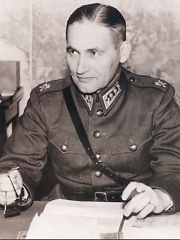
Hugo Österman
1892 - 1975
HPI: 59.98
Место: 5
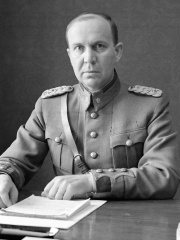
Paavo Talvela
1897 - 1973
HPI: 59.04
Место: 6
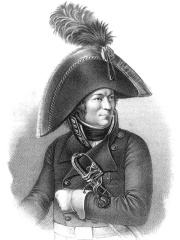
Carl Johan Adlercreutz
1759 - 1815
HPI: 58.84
Место: 7
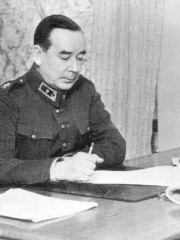
Woldemar Hägglund
1893 - 1963
HPI: 58.52
Место: 8
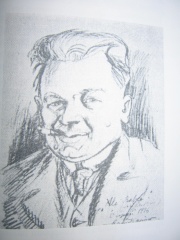
Ali Aaltonen
1884 - 1918
HPI: 57.97
Место: 9
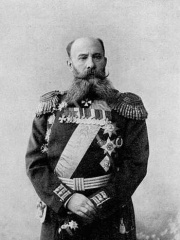
Oskar Gripenberg
1838 - 1916
HPI: 57.17
Место: 10

Kurt Martti Wallenius
1893 - 1984
HPI: 56.88
Место: 11
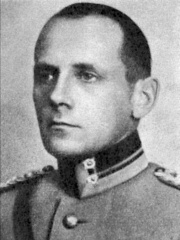
Ruben Lagus
1896 - 1959
HPI: 56.71
Место: 12




