Politician
Sejong the Great
Fourth king of Joseon
1397 - 1450
EN.WIKIPEDIA PAGE VIEWS (PV)
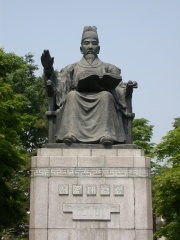
 Sejong the Great
His biography is available in 68 different languages on Wikipedia (up from 67 in 2024). Sejong the Great is the 209th most popular politician (up from 323rd in 2024), the 2nd most popular biography from South Korea and the 2nd most popular South Korean Politician.
Sejong the Great is most famous for his creation of Hangul, the Korean alphabet.
Memorability Metrics
760k
Page Views
Past 12 months
82.84
HPI
Historical Popularity Index
Data Insights
#2 / 1,519
Sejong the Great ranks #2 among 1,519 people in Pantheon born in South Korea, inside the top 1% of that group.
+418
Sejong the Great climbed 418 places in Pantheon's global HPI ranking, from #1,133 to #715.
68
Sejong the Great's biography appears in 68 language editions of Wikipedia, more than 95% of all Politicians.
Page views of Sejong the Great by language
Among Politicians
Among politicians, Sejong the Great ranks 209 out of 20,022. Before him are Maximilian II, Holy Roman Emperor, Kösem Sultan, Isabella I of Castile, Artaxerxes I of Persia, Bill Clinton, and Pol Pot. After him are Francis I of France, Xi Jinping, Lucius Tarquinius Superbus, Haakon VII of Norway, Sun Yat-sen, and Lech Wałęsa.
Most Popular Politicians in Wikipedia
Go to all Rankings
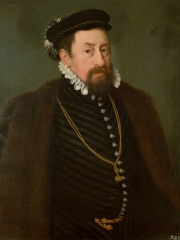
Maximilian II, Holy Roman Emperor
1527 - 1576
HPI: 83.14
Rank: 203
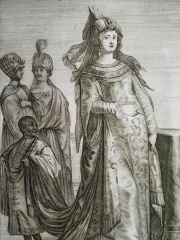
Kösem Sultan
1590 - 1651
HPI: 83.07
Rank: 204
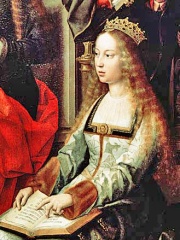
Isabella I of Castile
1451 - 1504
HPI: 83.02
Rank: 205
Artaxerxes I of Persia
500 BC - 424 BC
HPI: 82.94
Rank: 206
Bill Clinton
1946 - Present
HPI: 82.93
Rank: 207
Pol Pot
1925 - 1998
HPI: 82.87
Rank: 208
Sejong the Great
1397 - 1450
HPI: 82.84
Rank: 209
Francis I of France
1494 - 1547
HPI: 82.84
Rank: 210
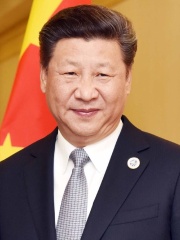
Xi Jinping
1953 - Present
HPI: 82.81
Rank: 211
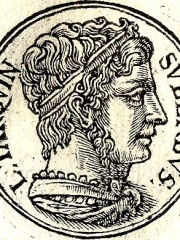
Lucius Tarquinius Superbus
600 BC - 495 BC
HPI: 82.80
Rank: 212
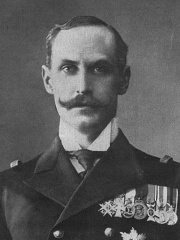
Haakon VII of Norway
1872 - 1957
HPI: 82.79
Rank: 213
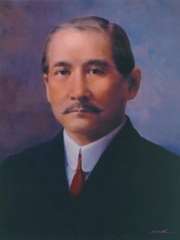
Sun Yat-sen
1866 - 1925
HPI: 82.77
Rank: 214
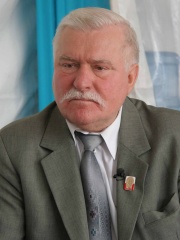
Lech Wałęsa
1943 - Present
HPI: 82.76
Rank: 215

Contemporaries
Among people born in 1397, Sejong the Great ranks 1. After him are Pope Nicholas V, Guillaume Du Fay, Albert II of Germany, Paolo dal Pozzo Toscanelli, Isabella of Portugal, Duchess of Burgundy, Hacı I Giray, Jahan Shah, Louis, Duke of Guyenne, Francesco Squarcione, Chimalpopoca, and Baysunghur. Among people deceased in 1450, Sejong the Great ranks 1. After him are Helena Dragaš, Agnès Sorel, Abdal-Latif Mirza, Stefano di Giovanni, Ahmad ibn Arabshah, Basil Valentine, Nuno Gonçalves, Francis I, Duke of Brittany, Henry XVI, Duke of Bavaria, Bengt Jönsson, and Leonello d'Este.
Others Born in 1397
Go to all RankingsSejong the Great
POLITICIAN
1397 - 1450
HPI: 82.84
Rank: 1
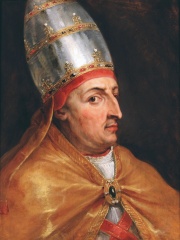
Pope Nicholas V
RELIGIOUS FIGURE
1397 - 1455
HPI: 81.49
Rank: 2
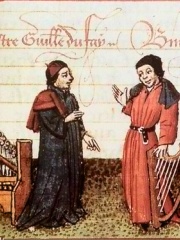
Guillaume Du Fay
COMPOSER
1397 - 1474
HPI: 79.12
Rank: 3
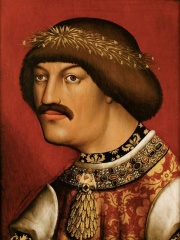
Albert II of Germany
POLITICIAN
1397 - 1439
HPI: 76.05
Rank: 4
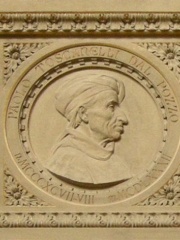
Paolo dal Pozzo Toscanelli
ASTRONOMER
1397 - 1482
HPI: 71.41
Rank: 5
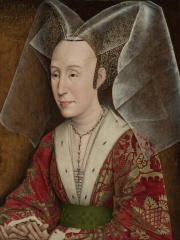
Isabella of Portugal, Duchess of Burgundy
POLITICIAN
1397 - 1471
HPI: 70.93
Rank: 6
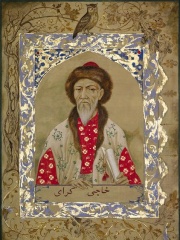
Hacı I Giray
POLITICIAN
1397 - 1466
HPI: 69.26
Rank: 7
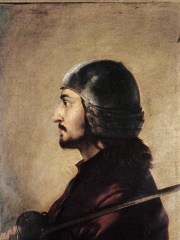
Jahan Shah
POLITICIAN
1397 - 1467
HPI: 68.51
Rank: 8
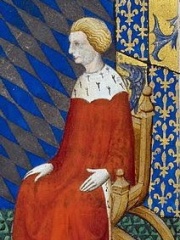
Louis, Duke of Guyenne
POLITICIAN
1397 - 1415
HPI: 67.31
Rank: 9
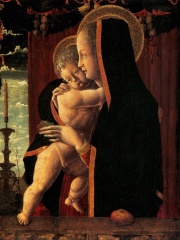
Francesco Squarcione
PAINTER
1397 - 1468
HPI: 63.38
Rank: 10
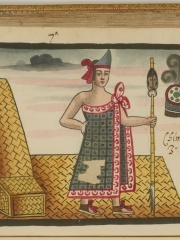
Chimalpopoca
POLITICIAN
1397 - 1427
HPI: 63.36
Rank: 11
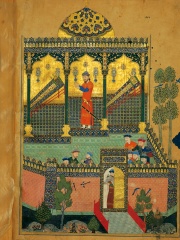
Baysunghur
ARCHITECT
1397 - 1433
HPI: 61.81
Rank: 12
Others Deceased in 1450
Go to all RankingsSejong the Great
POLITICIAN
1397 - 1450
HPI: 82.84
Rank: 1
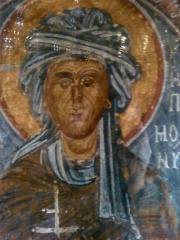
Helena Dragaš
COMPANION
1372 - 1450
HPI: 71.66
Rank: 2

Agnès Sorel
COMPANION
1422 - 1450
HPI: 69.39
Rank: 3
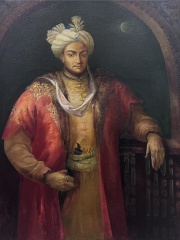
Abdal-Latif Mirza
POLITICIAN
1420 - 1450
HPI: 66.47
Rank: 4
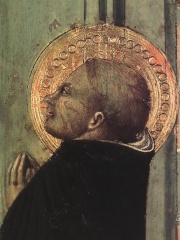
Stefano di Giovanni
PAINTER
1392 - 1450
HPI: 65.83
Rank: 5
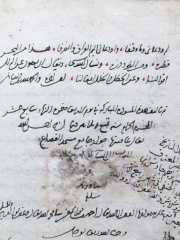
Ahmad ibn Arabshah
WRITER
1389 - 1450
HPI: 64.28
Rank: 6

Basil Valentine
WRITER
1394 - 1450
HPI: 63.32
Rank: 7
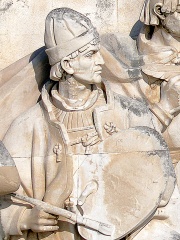
Nuno Gonçalves
PAINTER
1500 - 1450
HPI: 63.23
Rank: 8
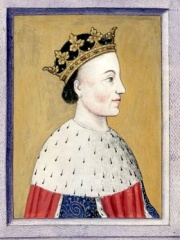
Francis I, Duke of Brittany
POLITICIAN
1414 - 1450
HPI: 62.90
Rank: 9
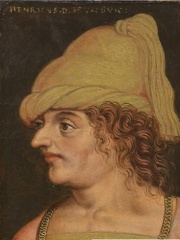
Henry XVI, Duke of Bavaria
POLITICIAN
1386 - 1450
HPI: 62.56
Rank: 10
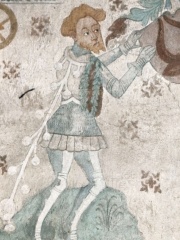
Bengt Jönsson
POLITICIAN
1390 - 1450
HPI: 62.07
Rank: 11
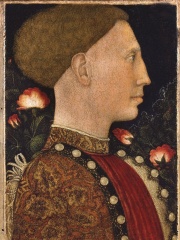
Leonello d'Este
NOBLEMAN
1407 - 1450
HPI: 61.92
Rank: 12
In South Korea
Among people born in South Korea, Sejong the Great ranks 2 out of 1,519. Before him is Kim Il-sung (1912). After him are Park Chung-hee (1917), Syngman Rhee (1875), Yoon Suk Yeol (1960), Kim Dae-jung (1924), Moon Jae-in (1953), Chun Doo-hwan (1931), Yi Sun-sin (1545), Ban Ki-moon (1944), Roh Moo-hyun (1946), and Jeongjo of Joseon (1752).
Others born in South Korea
Go to all Rankings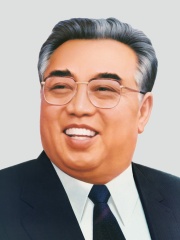
Kim Il-sung
POLITICIAN
1912 - 1994
HPI: 89.10
Rank: 1
Sejong the Great
POLITICIAN
1397 - 1450
HPI: 82.84
Rank: 2
Park Chung-hee
POLITICIAN
1917 - 1979
HPI: 81.27
Rank: 3
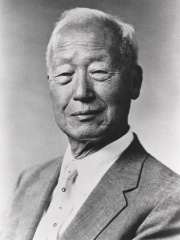
Syngman Rhee
POLITICIAN
1875 - 1965
HPI: 81.11
Rank: 4
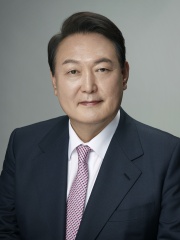
Yoon Suk Yeol
POLITICIAN
1960 - Present
HPI: 78.64
Rank: 5
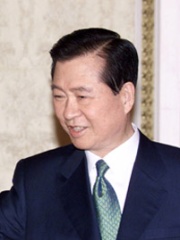
Kim Dae-jung
POLITICIAN
1924 - 2009
HPI: 78.26
Rank: 6
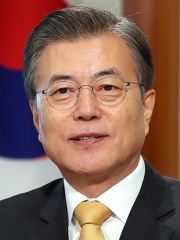
Moon Jae-in
POLITICIAN
1953 - Present
HPI: 77.26
Rank: 7
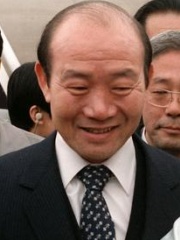
Chun Doo-hwan
POLITICIAN
1931 - 2021
HPI: 77.25
Rank: 8
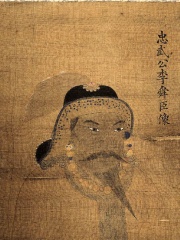
Yi Sun-sin
MILITARY PERSONNEL
1545 - 1598
HPI: 76.95
Rank: 9

Ban Ki-moon
DIPLOMAT
1944 - Present
HPI: 76.80
Rank: 10
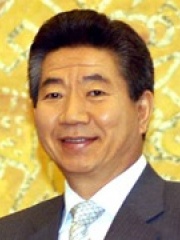
Roh Moo-hyun
POLITICIAN
1946 - 2009
HPI: 76.65
Rank: 11
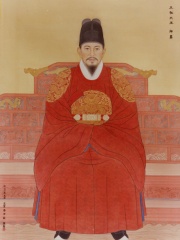
Jeongjo of Joseon
POLITICIAN
1752 - 1800
HPI: 76.44
Rank: 12
Among Politicians In South Korea
Among politicians born in South Korea, Sejong the Great ranks 2. Before him is Kim Il-sung (1912). After him are Park Chung-hee (1917), Syngman Rhee (1875), Yoon Suk Yeol (1960), Kim Dae-jung (1924), Moon Jae-in (1953), Chun Doo-hwan (1931), Roh Moo-hyun (1946), Jeongjo of Joseon (1752), Gojong of Korea (1852), and Park Geun-hye (1952).
Kim Il-sung
1912 - 1994
HPI: 89.10
Rank: 1
Sejong the Great
1397 - 1450
HPI: 82.84
Rank: 2
Park Chung-hee
1917 - 1979
HPI: 81.27
Rank: 3
Syngman Rhee
1875 - 1965
HPI: 81.11
Rank: 4
Yoon Suk Yeol
1960 - Present
HPI: 78.64
Rank: 5
Kim Dae-jung
1924 - 2009
HPI: 78.26
Rank: 6
Moon Jae-in
1953 - Present
HPI: 77.26
Rank: 7
Chun Doo-hwan
1931 - 2021
HPI: 77.25
Rank: 8
Roh Moo-hyun
1946 - 2009
HPI: 76.65
Rank: 9
Jeongjo of Joseon
1752 - 1800
HPI: 76.44
Rank: 10
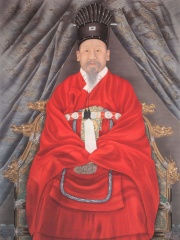
Gojong of Korea
1852 - 1919
HPI: 76.40
Rank: 11
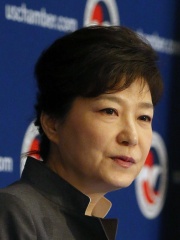
Park Geun-hye
1952 - Present
HPI: 76.28
Rank: 12




