RELIGIOUS FIGURE
Salvatore Cordileone
1956 - Today
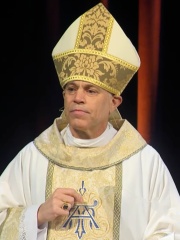
 Salvatore Cordileone
Salvatore Joseph Cordileone (born June 5, 1956) is an American Catholic prelate who has served as Archbishop of San Francisco in California since 2012. He previously served as bishop of Oakland in California from 2009 to 2012 and as an auxiliary bishop for the Diocese of San Diego in California from 2002 to 2009. A traditionalist theologian, he is known for his willingness to celebrate mass in the Extraordinary Form of the Roman Rite. Cordileone is also known for his outspoken opposition to same-sex marriage and abortion. Read more on Wikipedia
His biography is available in 16 different languages on Wikipedia (up from 15 in 2024). Salvatore Cordileone is the 2,934th most popular religious figure (up from 3,070th in 2024), the 9,157th most popular biography from United States (up from 15,030th in 2019) and the 85th most popular American Religious Figure.
Memorability Metrics
Page views of Salvatore Cordileone by language
Among RELIGIOUS FIGURES
Among religious figures, Salvatore Cordileone ranks 2,934 out of 3,187. Before him are Catherine Booth, Deusdedit of Canterbury, Bruno Forte, Fabio Baggio, Albert Decourtray, and Basil Hume. After him are Wovoka, Palladius, Khentetka, Michele Giordano, Johannes Weiss, and Youssef Rzouga.
Most Popular Religious Figures in Wikipedia
Go to all Rankings
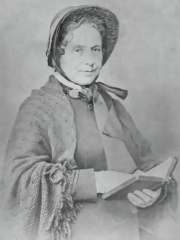
Catherine Booth
1829 - 1890
HPI: 54.01
Rank: 2,928

Deusdedit of Canterbury
600 - 664
HPI: 53.99
Rank: 2,929
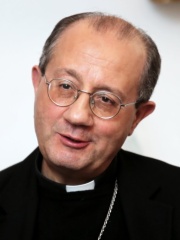
Bruno Forte
1949 - Present
HPI: 53.95
Rank: 2,930

Fabio Baggio
1965 - Present
HPI: 53.94
Rank: 2,931
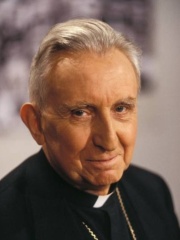
Albert Decourtray
1923 - 1994
HPI: 53.93
Rank: 2,932
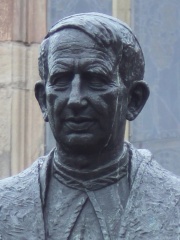
Basil Hume
1923 - 1999
HPI: 53.89
Rank: 2,933
Salvatore Cordileone
1956 - Present
HPI: 53.88
Rank: 2,934
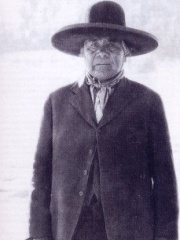
Wovoka
1856 - 1932
HPI: 53.83
Rank: 2,935
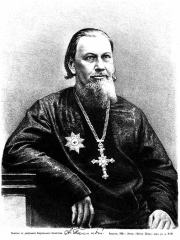
Palladius
1817 - 1878
HPI: 53.83
Rank: 2,936

Khentetka
2700 BC - 2600 BC
HPI: 53.80
Rank: 2,937
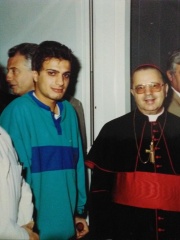
Michele Giordano
1930 - 2010
HPI: 53.79
Rank: 2,938

Johannes Weiss
1863 - 1914
HPI: 53.76
Rank: 2,939

Youssef Rzouga
1957 - Present
HPI: 53.76
Rank: 2,940

Contemporaries
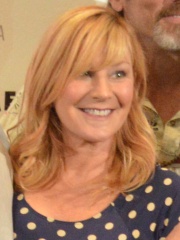
Among people born in 1956, Salvatore Cordileone ranks 422. Before him are Liam Brady, Chris Ellis, Max Hardcore, Habiba Sarābi, Bernie Shaw, and Tony Kushner. After him are Meg Whitman, Dianne Reeves, Carlos Roberto Gallo, Ha Jin, Lee Ranaldo, and Chloe Webb.
Others Born in 1956
Go to all Rankings
Liam Brady
SOCCER PLAYER
1956 - Present
HPI: 53.94
Rank: 416

Chris Ellis
ACTOR
1956 - Present
HPI: 53.94
Rank: 417
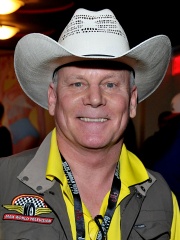
Max Hardcore
FILM DIRECTOR
1956 - 2023
HPI: 53.92
Rank: 418
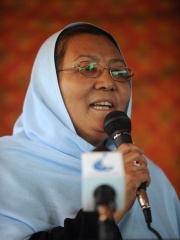
Habiba Sarābi
POLITICIAN
1956 - Present
HPI: 53.91
Rank: 419
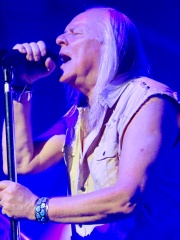
Bernie Shaw
SINGER
1956 - Present
HPI: 53.89
Rank: 420
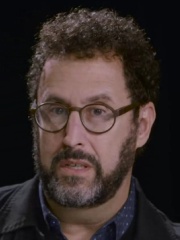
Tony Kushner
WRITER
1956 - Present
HPI: 53.88
Rank: 421
Salvatore Cordileone
RELIGIOUS FIGURE
1956 - Present
HPI: 53.88
Rank: 422
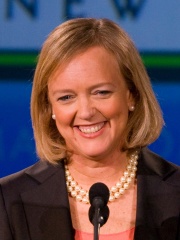
Meg Whitman
BUSINESSPERSON
1956 - Present
HPI: 53.80
Rank: 423
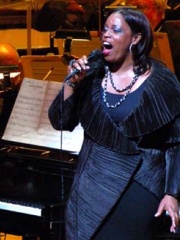
Dianne Reeves
SINGER
1956 - Present
HPI: 53.79
Rank: 424

Carlos Roberto Gallo
SOCCER PLAYER
1956 - Present
HPI: 53.76
Rank: 425
Ha Jin
WRITER
1956 - Present
HPI: 53.71
Rank: 426
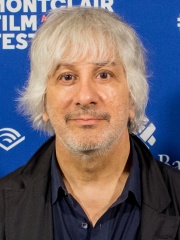
Lee Ranaldo
MUSICIAN
1956 - Present
HPI: 53.70
Rank: 427
Chloe Webb
ACTOR
1956 - Present
HPI: 53.70
Rank: 428
In United States
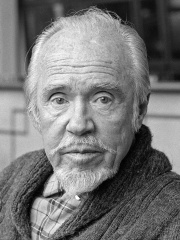
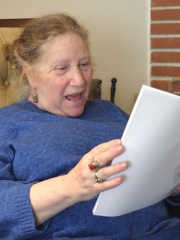
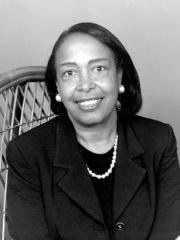
Among people born in United States, Salvatore Cordileone ranks 9,159 out of 20,380. Before him are Tabitha Babbitt (1779), Conlon Nancarrow (1912), Tony Kushner (1956), Diane di Prima (1934), Patricia Bath (1942), and Gail Ann Dorsey (1962). After him are Taylor Fritz (1997), Laura Prepon (1980), Rocky Carroll (1963), Robert Morse (1931), Colleen Atwood (1948), and David Peoples (1940).
Others born in United States
Go to all Rankings
Tabitha Babbitt
INVENTOR
1779 - 1853
HPI: 53.88
Rank: 9,153
Conlon Nancarrow
COMPOSER
1912 - 1997
HPI: 53.88
Rank: 9,154
Tony Kushner
WRITER
1956 - Present
HPI: 53.88
Rank: 9,155
Diane di Prima
WRITER
1934 - 2020
HPI: 53.88
Rank: 9,156
Patricia Bath
INVENTOR
1942 - 2019
HPI: 53.88
Rank: 9,157

Gail Ann Dorsey
MUSICIAN
1962 - Present
HPI: 53.88
Rank: 9,158
Salvatore Cordileone
RELIGIOUS FIGURE
1956 - Present
HPI: 53.88
Rank: 9,159

Taylor Fritz
TENNIS PLAYER
1997 - Present
HPI: 53.88
Rank: 9,160
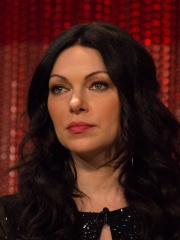
Laura Prepon
ACTOR
1980 - Present
HPI: 53.88
Rank: 9,161

Rocky Carroll
ACTOR
1963 - Present
HPI: 53.88
Rank: 9,162
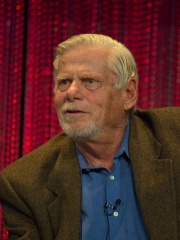
Robert Morse
ACTOR
1931 - 2022
HPI: 53.88
Rank: 9,163

Colleen Atwood
DESIGNER
1948 - Present
HPI: 53.88
Rank: 9,164

David Peoples
WRITER
1940 - Present
HPI: 53.87
Rank: 9,165
Among RELIGIOUS FIGURES In United States
Among religious figures born in United States, Salvatore Cordileone ranks 85. Before him are Roger Mahony (1936), Raymond E. Brown (1928), Bruce M. Metzger (1914), James Stafford (1932), Avery Dulles (1918), and Sylvester Graham (1794). After him are Wovoka (1856), Tammy Faye Messner (1942), Jim Elliot (1927), C. I. Scofield (1843), John Cody (1907), and Franklin Graham (1952).
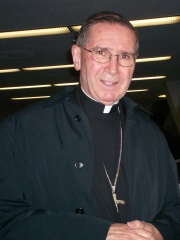
Roger Mahony
1936 - Present
HPI: 55.10
Rank: 79

Raymond E. Brown
1928 - 1998
HPI: 55.04
Rank: 80
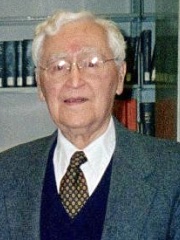
Bruce M. Metzger
1914 - 2007
HPI: 54.78
Rank: 81
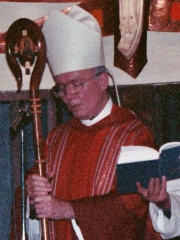
James Stafford
1932 - Present
HPI: 54.66
Rank: 82
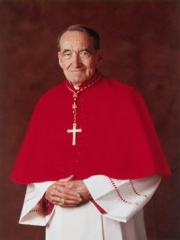
Avery Dulles
1918 - 2008
HPI: 54.38
Rank: 83
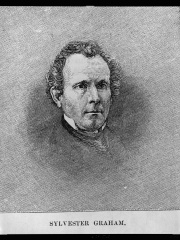
Sylvester Graham
1794 - 1851
HPI: 54.11
Rank: 84
Salvatore Cordileone
1956 - Present
HPI: 53.88
Rank: 85
Wovoka
1856 - 1932
HPI: 53.83
Rank: 86
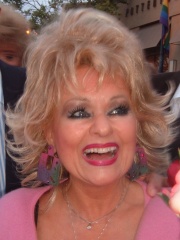
Tammy Faye Messner
1942 - 2007
HPI: 53.74
Rank: 87
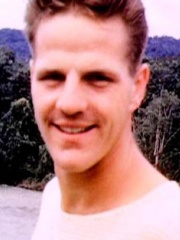
Jim Elliot
1927 - 1956
HPI: 53.71
Rank: 88
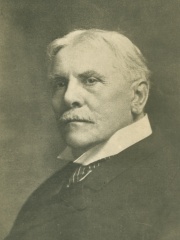
C. I. Scofield
1843 - 1921
HPI: 53.61
Rank: 89
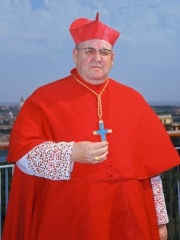
John Cody
1907 - 1982
HPI: 53.57
Rank: 90
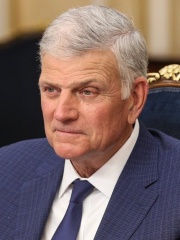
Franklin Graham
1952 - Present
HPI: 53.25
Rank: 91




