Politicus
William Longsword
893 - 942
NL.WIKIPEDIA-PAGINAWEERGAVEN (PV)
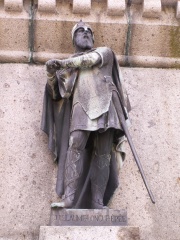
 William Longsword
Zijn biografie is beschikbaar in 38 verschillende talen op Wikipedia (toegenomen van 37 in 2024). William Longsword staat op plaats 1.010 onder de meest populaire politicus (gestegen van plaats 2.131 in 2024), plaats 334 onder de meest populaire biografieën uit Frankrijk (gestegen van plaats 734 in 2019) en op plaats 83 onder de populairste politicus uit Frankrijk.
Bekendheidsstatistieken
170k
Paginaweergaven
Afgelopen 12 maanden
75.81
HPI
Historische populariteitsindex
Data-inzichten
+3,589
William Longsword steeg 3,589 plaatsen in de wereldwijde HPI-ranglijst van Pantheon, van plaats 6,844 naar 3,255.
#334 / 7,658
William Longsword staat op plaats 334 van de 7,658 personen in Pantheon die in Frankrijk zijn geboren, bij de beste 5% van die groep.
Paginaweergaven van William Longsword per taal
Onder Politicus
Onder Politicus staat William Longsword op plaats 1,010 van 20,022. Vóór hem staan John I of France, Sun Quan, Ivan III of Russia, Farah Pahlavi, Sebastian of Portugal, en Michael of Russia. Na hem komen Elisabeth of France, Maurice, Mary of Hungary, Édouard Daladier, Casimir III the Great, en Ferdinand I of the Two Sicilies.
Populairste Politicus op Wikipedia
Naar alle ranglijsten
John I of France
1316 - 1316
HPI: 75.84
Plaats: 1,004
Sun Quan
182 - 252
HPI: 75.83
Plaats: 1,005
Ivan III of Russia
1440 - 1505
HPI: 75.83
Plaats: 1,006
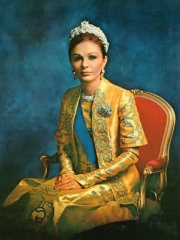
Farah Pahlavi
1938 - heden
HPI: 75.83
Plaats: 1,007
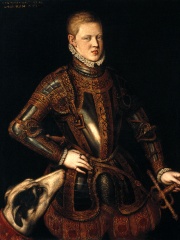
Sebastian of Portugal
1554 - 1578
HPI: 75.82
Plaats: 1,008
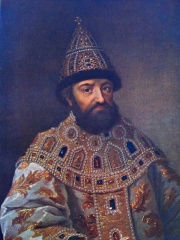
Michael of Russia
1596 - 1645
HPI: 75.82
Plaats: 1,009
William Longsword
893 - 942
HPI: 75.81
Plaats: 1,010
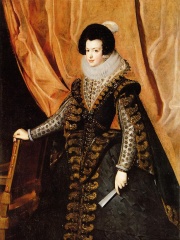
Elisabeth of France
1602 - 1644
HPI: 75.81
Plaats: 1,011
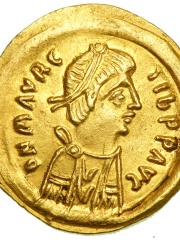
Maurice
539 - 602
HPI: 75.81
Plaats: 1,012
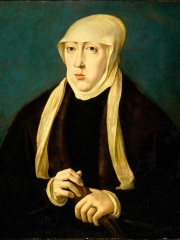
Mary of Hungary
1505 - 1558
HPI: 75.80
Plaats: 1,013
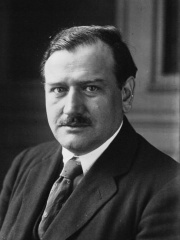
Édouard Daladier
1884 - 1970
HPI: 75.79
Plaats: 1,014
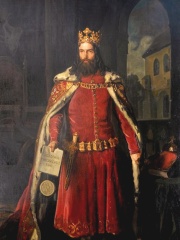
Casimir III the Great
1310 - 1370
HPI: 75.79
Plaats: 1,015
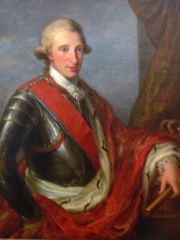
Ferdinand I of the Two Sicilies
1751 - 1825
HPI: 75.79
Plaats: 1,016

Tijdgenoten
Onder de mensen geboren in 893 staat William Longsword op plaats 1. Na hem komen Abu Mansur al-Maturidi, Louis the Child, Al-Qa'im, en Abu Muhammad al-Hasan al-Hamdani. Onder de mensen overleden in 942 staat William Longsword op plaats 1. Na hem komen Pope Stephen VIII, Saadia Gaon, Odo of Cluny, Fulk I, Count of Anjou, Shi Jingtang, Pietro Participazio, en Agapius of Hierapolis.
Anderen geboren in 893
Naar alle ranglijstenWilliam Longsword
POLITICIAN
893 - 942
HPI: 75.81
Plaats: 1
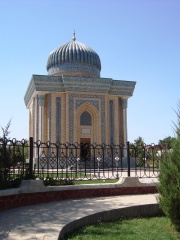
Abu Mansur al-Maturidi
RELIGIOUS FIGURE
893 - 944
HPI: 73.12
Plaats: 2
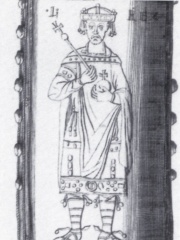
Louis the Child
POLITICIAN
893 - 911
HPI: 72.60
Plaats: 3
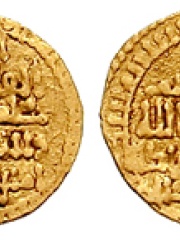
Al-Qa'im
POLITICIAN
893 - 946
HPI: 68.55
Plaats: 4

Abu Muhammad al-Hasan al-Hamdani
GEOGRAPHER
893 - 945
HPI: 58.04
Plaats: 5
Anderen overleden in 942
Naar alle ranglijstenWilliam Longsword
POLITICIAN
893 - 942
HPI: 75.81
Plaats: 1
Pope Stephen VIII
RELIGIOUS FIGURE
900 - 942
HPI: 74.77
Plaats: 2

Saadia Gaon
PHILOSOPHER
882 - 942
HPI: 68.42
Plaats: 3
Odo of Cluny
WRITER
878 - 942
HPI: 65.70
Plaats: 4

Fulk I, Count of Anjou
POLITICIAN
870 - 942
HPI: 64.93
Plaats: 5
Shi Jingtang
MILITARY PERSONNEL
892 - 942
HPI: 59.00
Plaats: 6
Pietro Participazio
POLITICIAN
939 - 942
HPI: 57.30
Plaats: 7

Agapius of Hierapolis
WRITER
HPI: 56.43
Plaats: 8
In Frankrijk
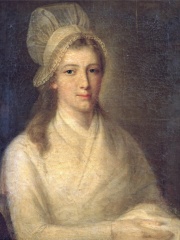
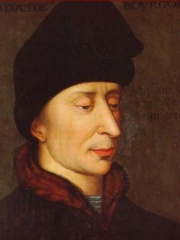
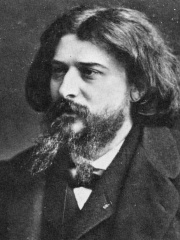
Onder de mensen geboren in Frankrijk staat William Longsword op plaats 334 van 7,658. Vóór hem staan Georges-Eugène Haussmann (1809), Charlotte Corday (1768), John the Fearless (1371), John I of France (1316), Alphonse Daudet (1840), en François de La Rochefoucauld (1613). Na hem komen Elisabeth of France (1602), Édouard Daladier (1884), Guillaume de Machaut (1300), Chlothar I (498), Salome Zourabichvili (1952), en Marc-Antoine Charpentier (1645).
Anderen geboren in Frankrijk
Naar alle ranglijsten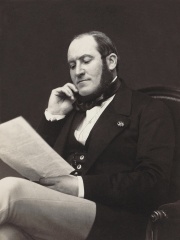
Georges-Eugène Haussmann
ARCHITECT
1809 - 1891
HPI: 75.89
Plaats: 328
Charlotte Corday
SOCIAL ACTIVIST
1768 - 1793
HPI: 75.87
Plaats: 329
John the Fearless
POLITICIAN
1371 - 1419
HPI: 75.85
Plaats: 330
John I of France
POLITICIAN
1316 - 1316
HPI: 75.84
Plaats: 331
Alphonse Daudet
WRITER
1840 - 1897
HPI: 75.83
Plaats: 332
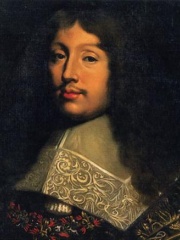
François de La Rochefoucauld
WRITER
1613 - 1680
HPI: 75.81
Plaats: 333
William Longsword
POLITICIAN
893 - 942
HPI: 75.81
Plaats: 334
Elisabeth of France
POLITICIAN
1602 - 1644
HPI: 75.81
Plaats: 335
Édouard Daladier
POLITICIAN
1884 - 1970
HPI: 75.79
Plaats: 336
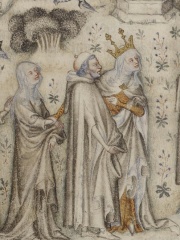
Guillaume de Machaut
WRITER
1300 - 1377
HPI: 75.77
Plaats: 337
Chlothar I
POLITICIAN
498 - 561
HPI: 75.76
Plaats: 338
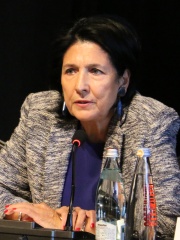
Salome Zourabichvili
POLITICIAN
1952 - heden
HPI: 75.74
Plaats: 339

Marc-Antoine Charpentier
COMPOSER
1645 - 1704
HPI: 75.72
Plaats: 340
Onder Politicus in Frankrijk
Onder Politicus geboren in Frankrijk staat William Longsword op plaats 83. Vóór hem staan Robert II of France (972), Louis, Duke of Burgundy (1682), Richard I of Normandy (933), Emmanuel Macron (1977), John the Fearless (1371), en John I of France (1316). Na hem komen Elisabeth of France (1602), Édouard Daladier (1884), Chlothar I (498), Salome Zourabichvili (1952), Ludwig I of Bavaria (1786), en Adolphe Thiers (1797).
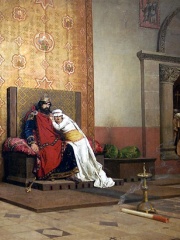
Robert II of France
972 - 1031
HPI: 76.37
Plaats: 77
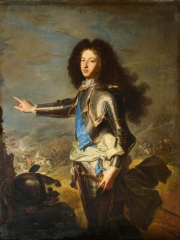
Louis, Duke of Burgundy
1682 - 1712
HPI: 76.04
Plaats: 78
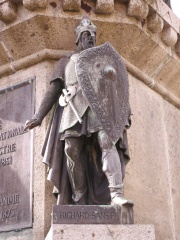
Richard I of Normandy
933 - 996
HPI: 76.00
Plaats: 79
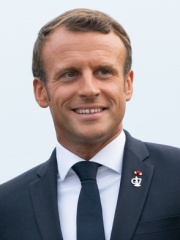
Emmanuel Macron
1977 - heden
HPI: 75.95
Plaats: 80
John the Fearless
1371 - 1419
HPI: 75.85
Plaats: 81
John I of France
1316 - 1316
HPI: 75.84
Plaats: 82
William Longsword
893 - 942
HPI: 75.81
Plaats: 83
Elisabeth of France
1602 - 1644
HPI: 75.81
Plaats: 84
Édouard Daladier
1884 - 1970
HPI: 75.79
Plaats: 85
Chlothar I
498 - 561
HPI: 75.76
Plaats: 86
Salome Zourabichvili
1952 - heden
HPI: 75.74
Plaats: 87
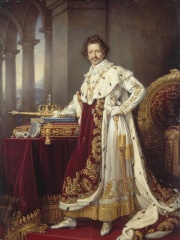
Ludwig I of Bavaria
1786 - 1868
HPI: 75.70
Plaats: 88
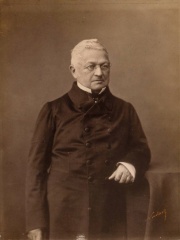
Adolphe Thiers
1797 - 1877
HPI: 75.69
Plaats: 89




