Polityk
Romanos I Lekapenos
870 - 948
PL.WIKIPEDIA PAGE VIEWS (PV)
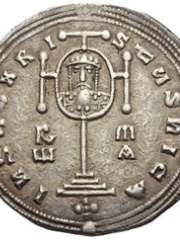
 Romanos I Lekapenos
Jego biografia jest dostępna w 50 różnych językach w Wikipedii (wzrost z 49 w 2024 roku). Romanos I Lekapenos jest 1353. najpopularniejszym polityk (spadek z 1244. w 2024 roku), 191. najpopularniejszą biografią Turcja (spadek z 174. w 2019 roku) oraz 103. najpopularniejszym polityk Turcja.
Memorability Metrics
61k
Page Views
Past 12 months
74.39
HPI
Historical Popularity Index
Page views of Romanos I Lekapenos by language
Among Polityks
Among polityks, Romanos I Lekapenos ranks 1,353 out of 19,576. Before him are Robert I of France, Qin Er Shi, Lou Henry Hoover, Shamil, 3rd Imam of Dagestan, Paul Barras, and Afonso V of Portugal. After him are Calpurnia, Tabaré Vázquez, Jianwen Emperor, Francesco I Sforza, Arsinoe III of Egypt, and Sergey Kirov.
Most Popular Polityks in Wikipedia
Go to all Rankings
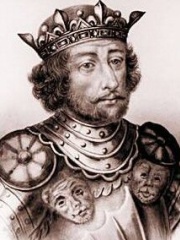
Robert I of France
860 - 923
HPI: 74.42
Rank: 1,347

Qin Er Shi
229 BC - 207 BC
HPI: 74.41
Rank: 1,348
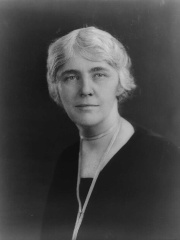
Lou Henry Hoover
1874 - 1944
HPI: 74.41
Rank: 1,349
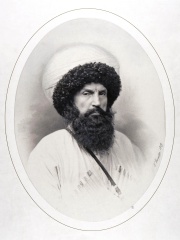
Shamil, 3rd Imam of Dagestan
1797 - 1871
HPI: 74.41
Rank: 1,350
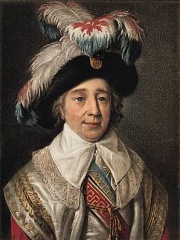
Paul Barras
1755 - 1829
HPI: 74.40
Rank: 1,351
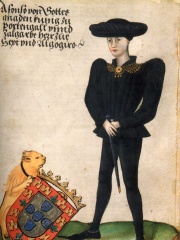
Afonso V of Portugal
1432 - 1481
HPI: 74.40
Rank: 1,352
Romanos I Lekapenos
870 - 948
HPI: 74.39
Rank: 1,353
Calpurnia
77 BC - Present
HPI: 74.39
Rank: 1,354
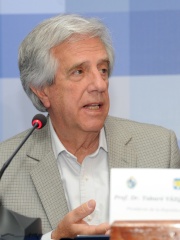
Tabaré Vázquez
1940 - 2020
HPI: 74.39
Rank: 1,355
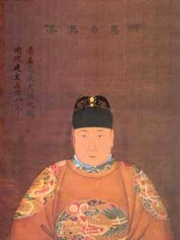
Jianwen Emperor
1377 - 1402
HPI: 74.38
Rank: 1,356
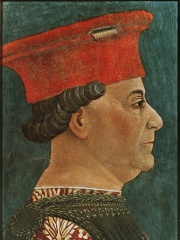
Francesco I Sforza
1401 - 1466
HPI: 74.38
Rank: 1,357
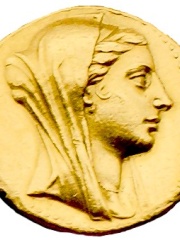
Arsinoe III of Egypt
246 BC - 204 BC
HPI: 74.37
Rank: 1,358
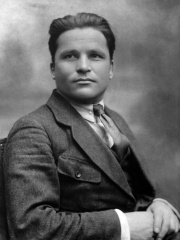
Sergey Kirov
1886 - 1934
HPI: 74.37
Rank: 1,359

Contemporaries
Among people born in 870, Romanos I Lekapenos ranks 1. After him are Pope Leo V, Alexander, Zwentibold, Lestek, Fulk I, Count of Anjou, Petar of Serbia, and Ebalus, Duke of Aquitaine. Among people deceased in 948, Romanos I Lekapenos ranks 1. After him is Liu Zhiyuan.
Others Born in 870
Go to all RankingsRomanos I Lekapenos
POLITICIAN
870 - 948
HPI: 74.39
Rank: 1
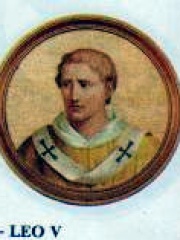
Pope Leo V
RELIGIOUS FIGURE
870 - 905
HPI: 73.72
Rank: 2
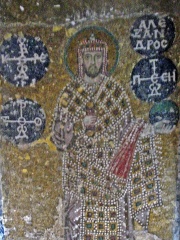
Alexander
POLITICIAN
870 - 913
HPI: 71.82
Rank: 3
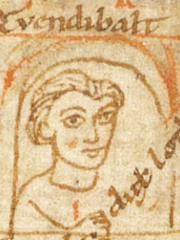
Zwentibold
POLITICIAN
870 - 900
HPI: 68.09
Rank: 4
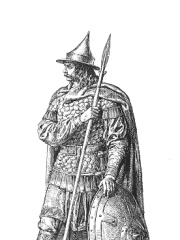
Lestek
POLITICIAN
870 - 930
HPI: 64.97
Rank: 5

Fulk I, Count of Anjou
POLITICIAN
870 - 942
HPI: 64.93
Rank: 6
Petar of Serbia
POLITICIAN
870 - 917
HPI: 60.20
Rank: 7

Ebalus, Duke of Aquitaine
NOBLEMAN
870 - 934
HPI: 59.70
Rank: 8
Others Deceased in 948
Go to all RankingsRomanos I Lekapenos
POLITICIAN
870 - 948
HPI: 74.39
Rank: 1
Liu Zhiyuan
POLITICIAN
895 - 948
HPI: 58.62
Rank: 2
In Turcja
Among people born in Turcja, Romanos I Lekapenos ranks 191 out of NaN. Before him are Constantine IV (652), Isaac II Angelos (1155), Apollonius of Tyana (15), Polycarp (69), Gregory Palamas (1296), and Antinous (111). After him are Turgut Özal (1927), Michael VII Doukas (1050), Stilicho (359), Andronikos I Komnenos (1118), Alyattes of Lydia (-640), and Leo IV the Khazar (750).
Others born in Turcja
Go to all Rankings
Constantine IV
POLITICIAN
652 - 685
HPI: 74.55
Rank: 185
Isaac II Angelos
POLITICIAN
1155 - 1204
HPI: 74.54
Rank: 186
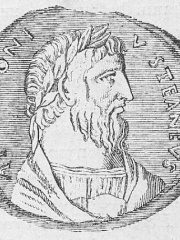
Apollonius of Tyana
PHILOSOPHER
15 - 100
HPI: 74.50
Rank: 187
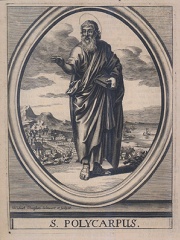
Polycarp
PHYSICIAN
69 - 155
HPI: 74.49
Rank: 188
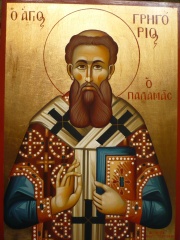
Gregory Palamas
RELIGIOUS FIGURE
1296 - 1359
HPI: 74.49
Rank: 189
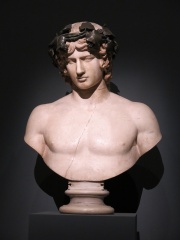
Antinous
COMPANION
111 - 130
HPI: 74.42
Rank: 190
Romanos I Lekapenos
POLITICIAN
870 - 948
HPI: 74.39
Rank: 191
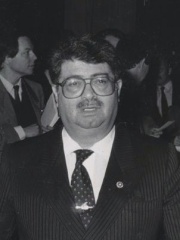
Turgut Özal
POLITICIAN
1927 - 1993
HPI: 74.29
Rank: 192
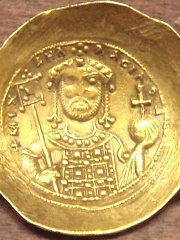
Michael VII Doukas
POLITICIAN
1050 - 1090
HPI: 74.25
Rank: 193
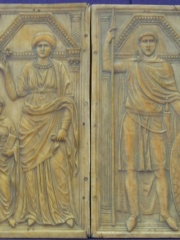
Stilicho
MILITARY PERSONNEL
359 - 408
HPI: 74.22
Rank: 194
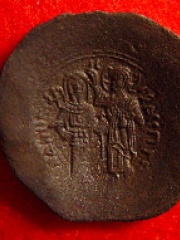
Andronikos I Komnenos
POLITICIAN
1118 - 1185
HPI: 74.21
Rank: 195
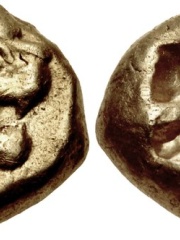
Alyattes of Lydia
POLITICIAN
640 BC - 560 BC
HPI: 74.18
Rank: 196
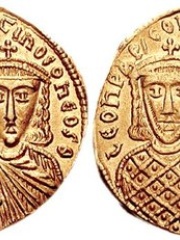
Leo IV the Khazar
POLITICIAN
750 - 780
HPI: 74.10
Rank: 197
Among Polityks In Turcja
Among polityks born in Turcja, Romanos I Lekapenos ranks 103. Before him are Alaeddin Pasha (1250), Artemisia I of Caria (-500), John II Komnenos (1087), Süleyman Demirel (1924), Constantine IV (652), and Isaac II Angelos (1155). After him are Turgut Özal (1927), Michael VII Doukas (1050), Andronikos I Komnenos (1118), Alyattes of Lydia (-640), Leo IV the Khazar (750), and Kara Mustafa Pasha (1634).
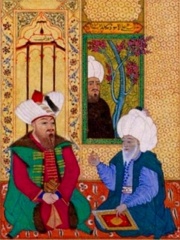
Alaeddin Pasha
1250 - 1330
HPI: 74.62
Rank: 97
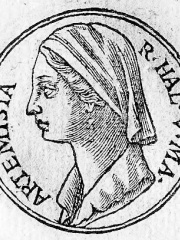
Artemisia I of Caria
500 BC - 500 BC
HPI: 74.58
Rank: 98
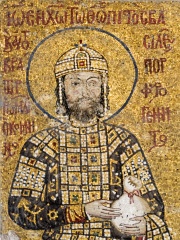
John II Komnenos
1087 - 1143
HPI: 74.58
Rank: 99
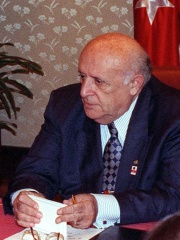
Süleyman Demirel
1924 - 2015
HPI: 74.55
Rank: 100
Constantine IV
652 - 685
HPI: 74.55
Rank: 101
Isaac II Angelos
1155 - 1204
HPI: 74.54
Rank: 102
Romanos I Lekapenos
870 - 948
HPI: 74.39
Rank: 103
Turgut Özal
1927 - 1993
HPI: 74.29
Rank: 104
Michael VII Doukas
1050 - 1090
HPI: 74.25
Rank: 105
Andronikos I Komnenos
1118 - 1185
HPI: 74.21
Rank: 106
Alyattes of Lydia
640 BC - 560 BC
HPI: 74.18
Rank: 107
Leo IV the Khazar
750 - 780
HPI: 74.10
Rank: 108
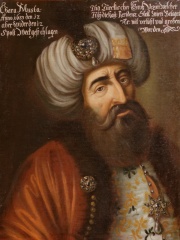
Kara Mustafa Pasha
1634 - 1683
HPI: 74.01
Rank: 109




