Politicus
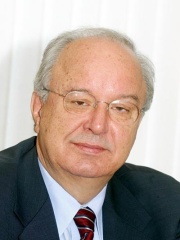
Robert Golob
1967 - heden
NL.WIKIPEDIA-PAGINAWEERGAVEN (PV)

 Robert Golob
Zijn biografie is beschikbaar in 52 verschillende talen op Wikipedia (toegenomen van 45 in 2024). Robert Golob staat op plaats 7.719 onder de meest populaire politicus (gestegen van plaats 8.208 in 2024), plaats 39 onder de meest populaire biografieën uit Slovenië (gestegen van plaats 41 in 2019) en op plaats 13 onder de populairste politicus uit Slovenië.
Bekendheidsstatistieken
280k
Paginaweergaven
Afgelopen 12 maanden
63.45
HPI
Historische populariteitsindex
Paginaweergaven van Robert Golob per taal
Onder Politicus
Onder Politicus staat Robert Golob op plaats 7,716 van 19,576. Vóór hem staan Sultan bin Salman Al Saud, José Félix Uriburu, Ri Jong-ok, Ermesinde of Carcassonne, Julia Grant, en Nestor Lakoba. Na hem komen Kunigunde of Hohenstaufen, Marcus Antistius Labeo, Cao Zhang, Ana Brnabić, Frederick Christian II, Duke of Schleswig-Holstein-Sonderburg-Augustenburg, en Princess Margaret of Denmark.
Populairste Politicus op Wikipedia
Naar alle ranglijsten
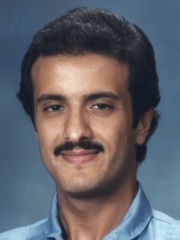
Sultan bin Salman Al Saud
1956 - heden
HPI: 63.45
Plaats: 7,713
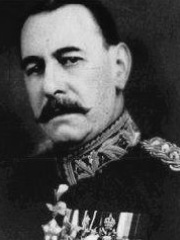
José Félix Uriburu
1868 - 1932
HPI: 63.45
Plaats: 7,714
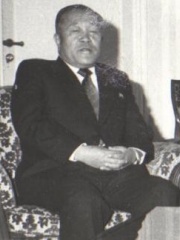
Ri Jong-ok
1916 - 1999
HPI: 63.45
Plaats: 7,715
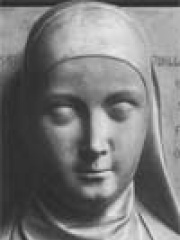
Ermesinde of Carcassonne
972 - 1058
HPI: 63.45
Plaats: 7,716
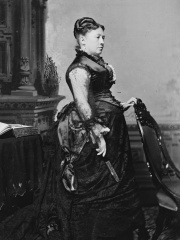
Julia Grant
1826 - 1902
HPI: 63.45
Plaats: 7,717
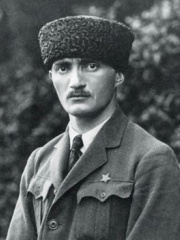
Nestor Lakoba
1893 - 1936
HPI: 63.45
Plaats: 7,718
Robert Golob
1967 - heden
HPI: 63.45
Plaats: 7,719
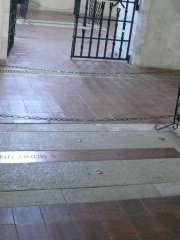
Kunigunde of Hohenstaufen
1202 - 1248
HPI: 63.45
Plaats: 7,720

Marcus Antistius Labeo
100 BC - 10
HPI: 63.45
Plaats: 7,721

Cao Zhang
190 - 223
HPI: 63.45
Plaats: 7,722
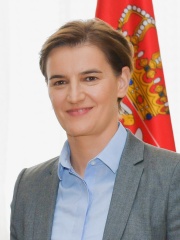
Ana Brnabić
1975 - heden
HPI: 63.45
Plaats: 7,723
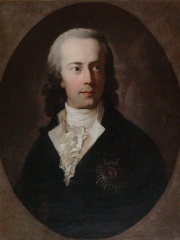
Frederick Christian II, Duke of Schleswig-Holstein-Sonderburg-Augustenburg
1765 - 1814
HPI: 63.45
Plaats: 7,724
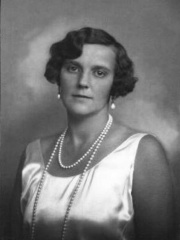
Princess Margaret of Denmark
1895 - 1992
HPI: 63.45
Plaats: 7,725

Tijdgenoten
Onder de mensen geboren in 1967 staat Robert Golob op plaats 58. Vóór hem staan Emily Watson, Harry Connick Jr., R. Kelly, Tim McGraw, Gigi D'Agostino, en Magdalena Andersson. Na hem komen David Ginola, Bodo Illgner, Mathieu Kassovitz, Matt LeBlanc, Heinz-Harald Frentzen, en Rhys Ifans.
Anderen geboren in 1967
Naar alle ranglijsten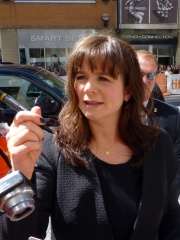
Emily Watson
ACTOR
1967 - heden
HPI: 64.25
Plaats: 52

Harry Connick Jr.
SINGER
1967 - heden
HPI: 63.80
Plaats: 53
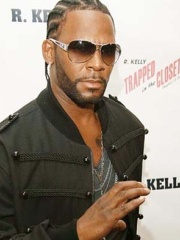
R. Kelly
SINGER
1967 - heden
HPI: 63.67
Plaats: 54
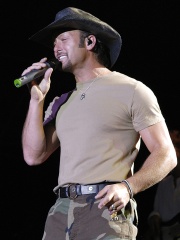
Tim McGraw
SINGER
1967 - heden
HPI: 63.57
Plaats: 55
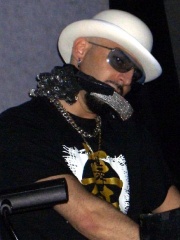
Gigi D'Agostino
SINGER
1967 - heden
HPI: 63.52
Plaats: 56
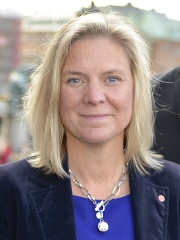
Magdalena Andersson
POLITICIAN
1967 - heden
HPI: 63.46
Plaats: 57
Robert Golob
POLITICIAN
1967 - heden
HPI: 63.45
Plaats: 58
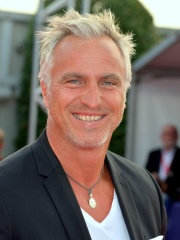
David Ginola
SOCCER PLAYER
1967 - heden
HPI: 63.43
Plaats: 59
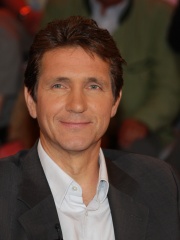
Bodo Illgner
SOCCER PLAYER
1967 - heden
HPI: 63.25
Plaats: 60
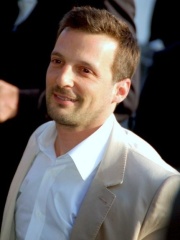
Mathieu Kassovitz
ACTOR
1967 - heden
HPI: 63.14
Plaats: 61
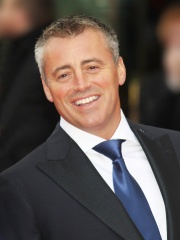
Matt LeBlanc
ACTOR
1967 - heden
HPI: 63.05
Plaats: 62
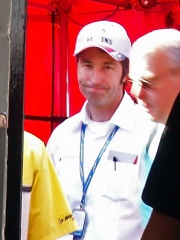
Heinz-Harald Frentzen
RACING DRIVER
1967 - heden
HPI: 63.03
Plaats: 63
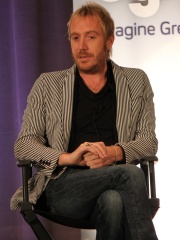
Rhys Ifans
ACTOR
1967 - heden
HPI: 62.95
Plaats: 64
In Slovenië
Onder de mensen geboren in Slovenië staat Robert Golob op plaats 39 van NaN. Vóór hem staan Anton Janša (1734), Jurij Vega (1754), Ulrich II, Count of Celje (1406), Anton Korošec (1872), Anna of Cilli (1380), en Ivana Kobilca (1861). Na hem komen Leon Štukelj (1898), Srečko Katanec (1963), Luka Dončić (1999), Leon Rupnik (1880), Johann Weikhard von Valvasor (1641), en Alma Karlin (1889).
Anderen geboren in Slovenië
Naar alle ranglijsten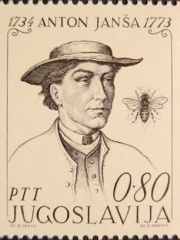
Anton Janša
PAINTER
1734 - 1773
HPI: 64.64
Plaats: 33
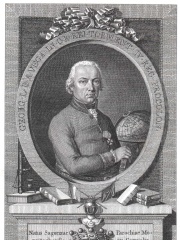
Jurij Vega
PHYSICIST
1754 - 1802
HPI: 64.54
Plaats: 34
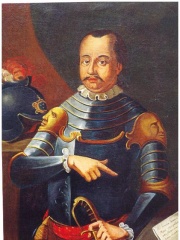
Ulrich II, Count of Celje
NOBLEMAN
1406 - 1456
HPI: 64.49
Plaats: 35
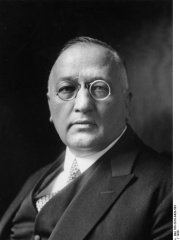
Anton Korošec
POLITICIAN
1872 - 1940
HPI: 64.38
Plaats: 36
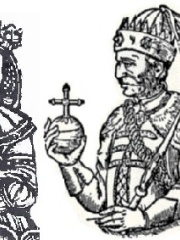
Anna of Cilli
COMPANION
1380 - 1416
HPI: 64.21
Plaats: 37
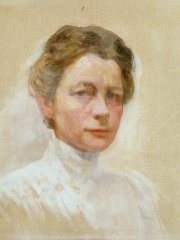
Ivana Kobilca
PAINTER
1861 - 1926
HPI: 63.72
Plaats: 38
Robert Golob
POLITICIAN
1967 - heden
HPI: 63.45
Plaats: 39
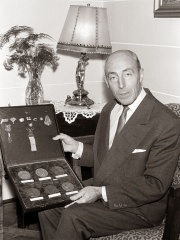
Leon Štukelj
GYMNAST
1898 - 1999
HPI: 63.40
Plaats: 40
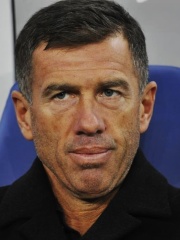
Srečko Katanec
COACH
1963 - heden
HPI: 63.31
Plaats: 41

Luka Dončić
BASKETBALL PLAYER
1999 - heden
HPI: 63.29
Plaats: 42
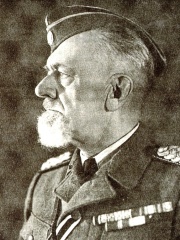
Leon Rupnik
MILITARY PERSONNEL
1880 - 1946
HPI: 63.29
Plaats: 43
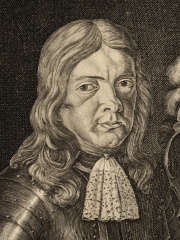
Johann Weikhard von Valvasor
HISTORIAN
1641 - 1693
HPI: 63.15
Plaats: 44
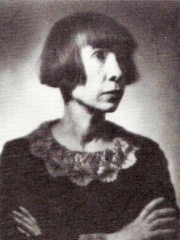
Alma Karlin
WRITER
1889 - 1950
HPI: 62.37
Plaats: 45
Onder Politicus in Slovenië
Onder Politicus geboren in Slovenië staat Robert Golob op plaats 13. Vóór hem staan Nataša Pirc Musar (1968), Danilo Türk (1952), Janez Janša (1958), Aleksander Čeferin (1967), Hermann II, Count of Celje (1361), en Anton Korošec (1872). Na hem komen Prince Andrew of Yugoslavia (1929), Miro Cerar (1963), Lojze Peterle (1948), Sergej Kraigher (1914), Alenka Bratušek (1970), en Andrej Bajuk (1943).
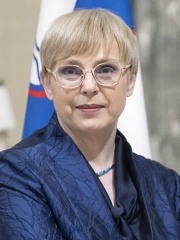
Nataša Pirc Musar
1968 - heden
HPI: 66.83
Plaats: 7
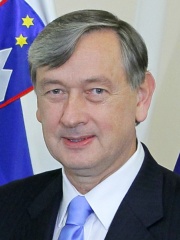
Danilo Türk
1952 - heden
HPI: 66.68
Plaats: 8

Janez Janša
1958 - heden
HPI: 66.58
Plaats: 9

Aleksander Čeferin
1967 - heden
HPI: 66.37
Plaats: 10
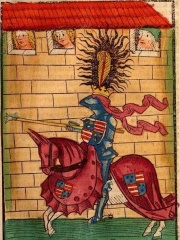
Hermann II, Count of Celje
1361 - 1435
HPI: 65.43
Plaats: 11
Anton Korošec
1872 - 1940
HPI: 64.38
Plaats: 12
Robert Golob
1967 - heden
HPI: 63.45
Plaats: 13
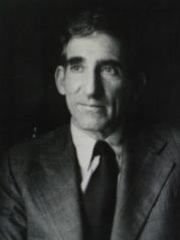
Prince Andrew of Yugoslavia
1929 - 1990
HPI: 61.50
Plaats: 14
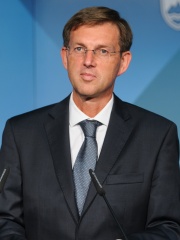
Miro Cerar
1963 - heden
HPI: 59.93
Plaats: 15
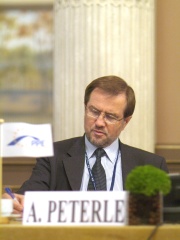
Lojze Peterle
1948 - heden
HPI: 59.24
Plaats: 16
Sergej Kraigher
1914 - 2001
HPI: 59.06
Plaats: 17
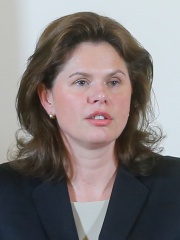
Alenka Bratušek
1970 - heden
HPI: 56.74
Plaats: 18
Andrej Bajuk
1943 - 2011
HPI: 56.59
Plaats: 19




