Polityk
Danilo Türk
1952 - obecnie
WYŚWIETLENIA PL.WIKIPEDIA (PV)
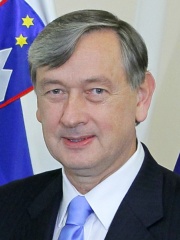
 Danilo Türk
Jego biografia jest dostępna w 54 różnych językach w Wikipedii. Danilo Türk jest 4897. najpopularniejszym polityk (wzrost z 5819. w 2024 roku), 22. najpopularniejszą biografią Słowenia (wzrost z 29. w 2019 roku) oraz 8. najpopularniejszym polityk Słowenia.
Wskaźniki rozpoznawalności
38k
Wyświetlenia strony
Ostatnie 12 miesięcy
66.68
HPI
Indeks historycznej popularności
Ciekawostki z danych
#22 / 431
Danilo Türk zajmuje 22. miejsce wśród 431 postaci w Pantheonie urodzonych w kraju Słowenia, w najlepszych 6% tej grupy.
+2,784
Danilo Türk awansuje o 2,784 miejsc w globalnym rankingu HPI Pantheonu, z miejsca 17,841. na 15,069.
54
Biografia postaci Danilo Türk występuje w 54 wersjach językowych Wikipedii, w większej liczbie niż u 92% wszystkich Polityk.
Wyświetlenia strony Danilo Türk według języka
Wśród przedstawicieli zawodu Polityk
Wśród przedstawicieli zawodu „Polityk” Danilo Türk zajmuje 4,895. miejsce na 20,022. Przed nim są Lauri Kristian Relander, Christian Wulff, Cayetana Fitz-James Stuart, 18th Duchess of Alba, Emperor Kinmei, Authari, i Josip Juraj Strossmayer. Po nim są Joachim I Nestor, Elector of Brandenburg, Yelü Chucai, Abi-Eshuh, Jarmila Kratochvílová, Benjamin Butler, i Rudolf of Rheinfelden.
Najpopularniejsi w Wikipedii: Polityk
Zobacz wszystkie rankingi
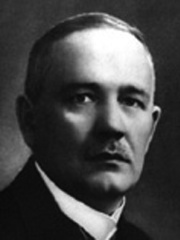
Lauri Kristian Relander
1883 - 1942
HPI: 66.69
Miejsce: 4,891
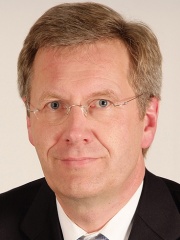
Christian Wulff
1959 - obecnie
HPI: 66.69
Miejsce: 4,892
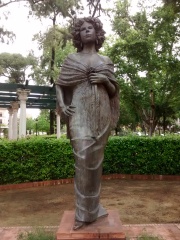
Cayetana Fitz-James Stuart, 18th Duchess of Alba
1926 - 2014
HPI: 66.69
Miejsce: 4,893
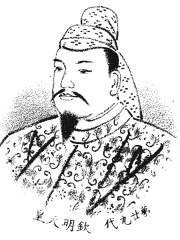
Emperor Kinmei
509 - 571
HPI: 66.69
Miejsce: 4,894
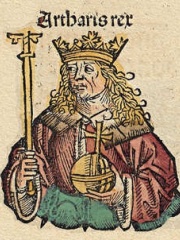
Authari
540 - 590
HPI: 66.69
Miejsce: 4,895
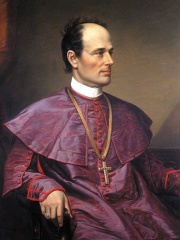
Josip Juraj Strossmayer
1815 - 1905
HPI: 66.68
Miejsce: 4,896
Danilo Türk
1952 - obecnie
HPI: 66.68
Miejsce: 4,897
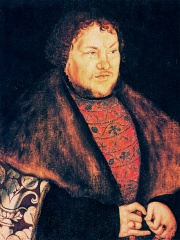
Joachim I Nestor, Elector of Brandenburg
1484 - 1535
HPI: 66.68
Miejsce: 4,898
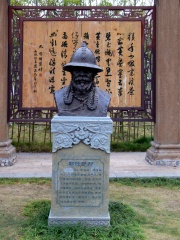
Yelü Chucai
1189 - 1243
HPI: 66.68
Miejsce: 4,899

Abi-Eshuh
1800 BC - 1700 BC
HPI: 66.68
Miejsce: 4,900
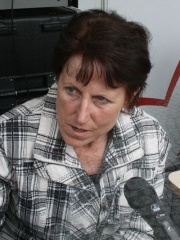
Jarmila Kratochvílová
1951 - obecnie
HPI: 66.68
Miejsce: 4,901
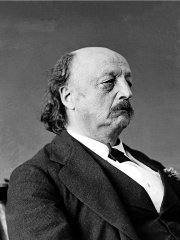
Benjamin Butler
1818 - 1893
HPI: 66.68
Miejsce: 4,902
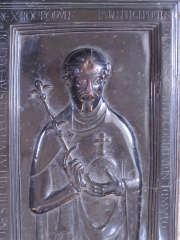
Rudolf of Rheinfelden
1025 - 1080
HPI: 66.68
Miejsce: 4,903

Współcześni
Wśród osób urodzonych w 1952 roku Danilo Türk zajmuje 84. miejsce. Przed nim są Dan Aykroyd, Umberto Tozzi, Reinhard Genzel, Ari Vatanen, Shohreh Aghdashloo, i Osvaldo Ardiles. Po nim są Paul Stanley, Teófilo Stevenson, Lee Soo-man, Udo Dirkschneider, Bülent Ersoy, i Patriarch Theophilos III of Jerusalem.
Inne osoby urodzone w 1952 roku
Zobacz wszystkie rankingi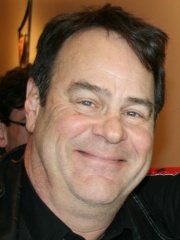
Dan Aykroyd
ACTOR
1952 - obecnie
HPI: 67.08
Miejsce: 78
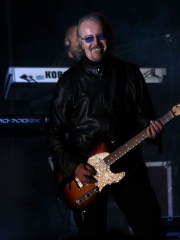
Umberto Tozzi
SINGER
1952 - obecnie
HPI: 67.04
Miejsce: 79
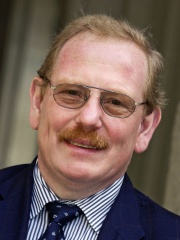
Reinhard Genzel
ASTRONOMER
1952 - obecnie
HPI: 66.82
Miejsce: 80
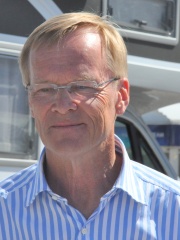
Ari Vatanen
RACING DRIVER
1952 - obecnie
HPI: 66.76
Miejsce: 81
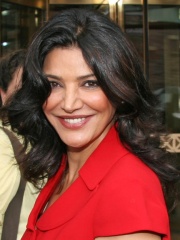
Shohreh Aghdashloo
ACTOR
1952 - obecnie
HPI: 66.75
Miejsce: 82
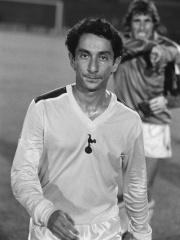
Osvaldo Ardiles
SOCCER PLAYER
1952 - obecnie
HPI: 66.71
Miejsce: 83
Danilo Türk
POLITICIAN
1952 - obecnie
HPI: 66.68
Miejsce: 84
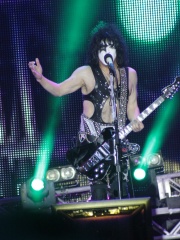
Paul Stanley
MUSICIAN
1952 - obecnie
HPI: 66.67
Miejsce: 85
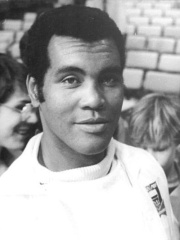
Teófilo Stevenson
BOXER
1952 - 2012
HPI: 66.63
Miejsce: 86
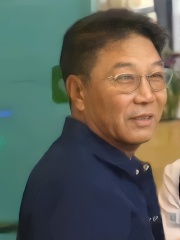
Lee Soo-man
MUSICIAN
1952 - obecnie
HPI: 66.54
Miejsce: 87
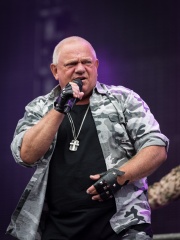
Udo Dirkschneider
SINGER
1952 - obecnie
HPI: 66.41
Miejsce: 88
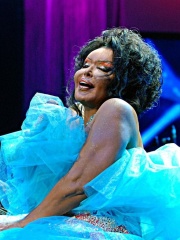
Bülent Ersoy
SINGER
1952 - obecnie
HPI: 66.35
Miejsce: 89
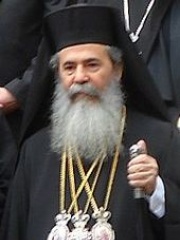
Patriarch Theophilos III of Jerusalem
RELIGIOUS FIGURE
1952 - obecnie
HPI: 66.24
Miejsce: 90
W kraju Słowenia
Wśród osób urodzonych w kraju Słowenia Danilo Türk zajmuje 22. miejsce na 431. Przed nim są Borut Pahor (1963), Ivan Cankar (1876), Jernej Kopitar (1780), Carlos, Duke of Madrid (1848), Wilhelm von Tegetthoff (1827), i Nataša Pirc Musar (1968). Po nim są Janez Janša (1958), Aleksander Čeferin (1967), Franc Rode (1934), Antonio Abetti (1846), Nino Benvenuti (1938), i Jacobus Gallus (1550).
Inne osoby urodzone w kraju Słowenia
Zobacz wszystkie rankingi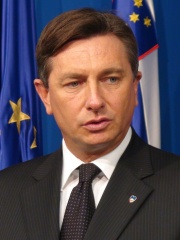
Borut Pahor
POLITICIAN
1963 - obecnie
HPI: 67.59
Miejsce: 16
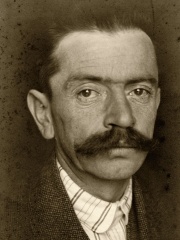
Ivan Cankar
WRITER
1876 - 1918
HPI: 67.55
Miejsce: 17
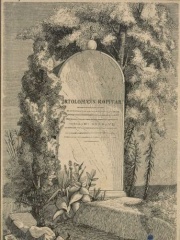
Jernej Kopitar
WRITER
1780 - 1844
HPI: 67.00
Miejsce: 18
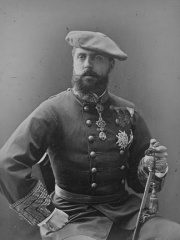
Carlos, Duke of Madrid
NOBLEMAN
1848 - 1909
HPI: 66.89
Miejsce: 19
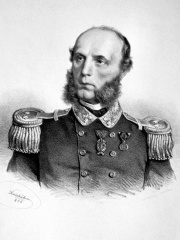
Wilhelm von Tegetthoff
MILITARY PERSONNEL
1827 - 1871
HPI: 66.88
Miejsce: 20
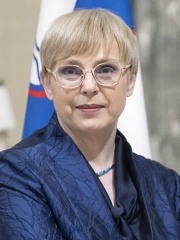
Nataša Pirc Musar
POLITICIAN
1968 - obecnie
HPI: 66.83
Miejsce: 21
Danilo Türk
POLITICIAN
1952 - obecnie
HPI: 66.68
Miejsce: 22

Janez Janša
POLITICIAN
1958 - obecnie
HPI: 66.58
Miejsce: 23

Aleksander Čeferin
POLITICIAN
1967 - obecnie
HPI: 66.37
Miejsce: 24
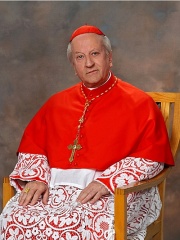
Franc Rode
RELIGIOUS FIGURE
1934 - 2017
HPI: 66.09
Miejsce: 25
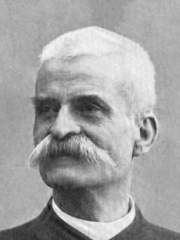
Antonio Abetti
ASTRONOMER
1846 - 1928
HPI: 66.04
Miejsce: 26
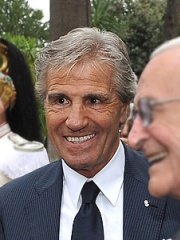
Nino Benvenuti
BOXER
1938 - 2025
HPI: 65.74
Miejsce: 27
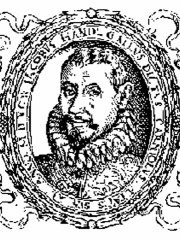
Jacobus Gallus
COMPOSER
1550 - 1591
HPI: 65.61
Miejsce: 28
Wśród przedstawicieli zawodu Polityk w kraju Słowenia
Wśród przedstawicieli zawodu „Polityk” urodzonych w kraju Słowenia Danilo Türk zajmuje 8. miejsce. Przed nim są Barbara of Cilli (1392), Milan Kučan (1941), Janez Drnovšek (1950), Edvard Kardelj (1910), Borut Pahor (1963), i Nataša Pirc Musar (1968). Po nim są Janez Janša (1958), Aleksander Čeferin (1967), Hermann II, Count of Celje (1361), Anton Korošec (1872), Robert Golob (1967), i Prince Andrew of Yugoslavia (1929).
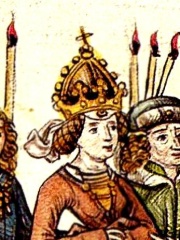
Barbara of Cilli
1392 - 1451
HPI: 73.49
Miejsce: 2

Milan Kučan
1941 - obecnie
HPI: 70.19
Miejsce: 3
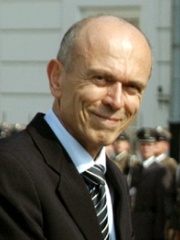
Janez Drnovšek
1950 - 2008
HPI: 69.22
Miejsce: 4

Edvard Kardelj
1910 - 1979
HPI: 68.07
Miejsce: 5
Borut Pahor
1963 - obecnie
HPI: 67.59
Miejsce: 6
Nataša Pirc Musar
1968 - obecnie
HPI: 66.83
Miejsce: 7
Danilo Türk
1952 - obecnie
HPI: 66.68
Miejsce: 8
Janez Janša
1958 - obecnie
HPI: 66.58
Miejsce: 9
Aleksander Čeferin
1967 - obecnie
HPI: 66.37
Miejsce: 10
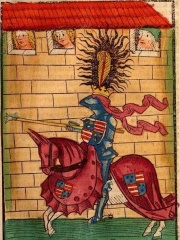
Hermann II, Count of Celje
1361 - 1435
HPI: 65.43
Miejsce: 11
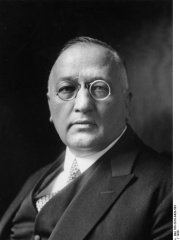
Anton Korošec
1872 - 1940
HPI: 64.38
Miejsce: 12

Robert Golob
1967 - obecnie
HPI: 63.45
Miejsce: 13
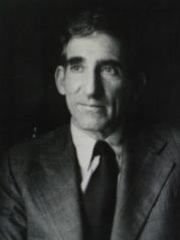
Prince Andrew of Yugoslavia
1929 - 1990
HPI: 61.50
Miejsce: 14




