政治家
拉沙德·阿利米
1954 - 至今
ZH.WIKIPEDIA PAGE VIEWS (PV)

 拉沙德·阿利米
Memorability Metrics
410k
Page Views
Past 12 months
65.28
HPI
Historical Popularity Index
Page views of 拉沙德·阿利米 by language
Among 政治家
Among 政治家, 拉沙德·阿利米 ranks 6,020 out of 19,576. Before him are André de Montbard, Ovadia Yosef, Wacho, Zelimkhan Yandarbiyev, Chungjeong of Goryeo, and Péter Medgyessy. After him are Dragiša Cvetković, Francesco Farnese, Duke of Parma, Alparslan Türkeş, Emperor Hanazono, Thorbjörn Fälldin, and Sultan Satuq Bughra Khan.
Most Popular 政治家 in Wikipedia
Go to all Rankings
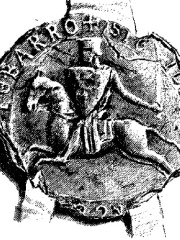
André de Montbard
1103 - 1156
HPI: 65.28
Rank: 6,016
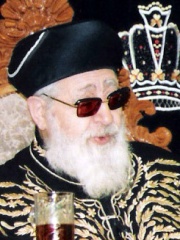
Ovadia Yosef
1920 - 2013
HPI: 65.28
Rank: 6,017

Wacho
500 - 540
HPI: 65.28
Rank: 6,018
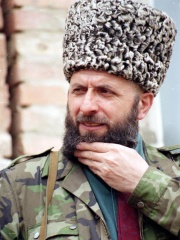
Zelimkhan Yandarbiyev
1952 - 2004
HPI: 65.28
Rank: 6,019

Chungjeong of Goryeo
1338 - 1352
HPI: 65.28
Rank: 6,020
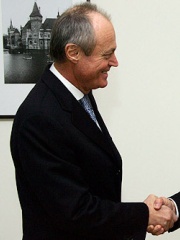
Péter Medgyessy
1942 - Present
HPI: 65.28
Rank: 6,021
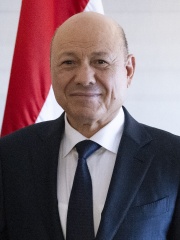
Rashad al-Alimi
1954 - Present
HPI: 65.28
Rank: 6,022
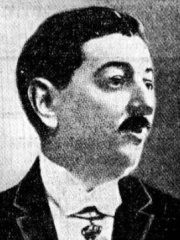
Dragiša Cvetković
1893 - 1969
HPI: 65.28
Rank: 6,023
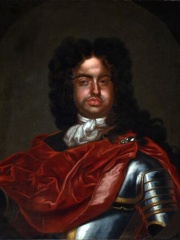
Francesco Farnese, Duke of Parma
1678 - 1727
HPI: 65.28
Rank: 6,024
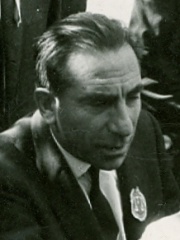
Alparslan Türkeş
1917 - 1997
HPI: 65.27
Rank: 6,025
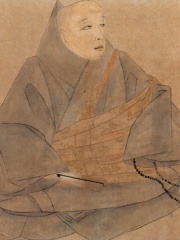
Emperor Hanazono
1297 - 1348
HPI: 65.27
Rank: 6,026
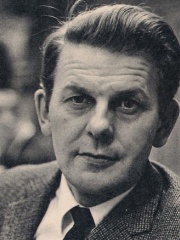
Thorbjörn Fälldin
1926 - 2016
HPI: 65.27
Rank: 6,027
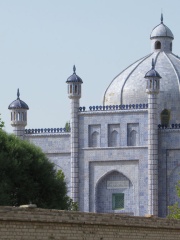
Sultan Satuq Bughra Khan
895 - Present
HPI: 65.27
Rank: 6,028

Contemporaries
Among people born in 1954, 拉沙德·阿利米 ranks 85. Before him are Lee Child, Stevie Ray Vaughan, J. Michael Straczynski, Kailash Satyarthi, Kim Pyong-il, and Mirza Delibašić. After him are Patsy Reddy, Marco Tardelli, Prayut Chan-o-cha, Rafael Orozco Maestre, Seka, and Eric Gerets.
Others Born in 1954
Go to all Rankings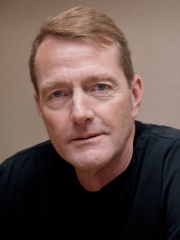
Lee Child
WRITER
1954 - Present
HPI: 65.50
Rank: 79
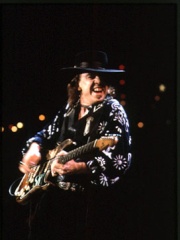
Stevie Ray Vaughan
MUSICIAN
1954 - 1990
HPI: 65.46
Rank: 80
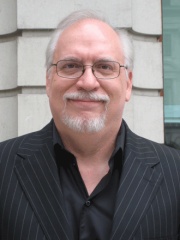
J. Michael Straczynski
WRITER
1954 - Present
HPI: 65.45
Rank: 81
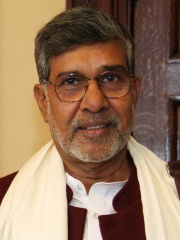
Kailash Satyarthi
SOCIAL ACTIVIST
1954 - Present
HPI: 65.39
Rank: 82
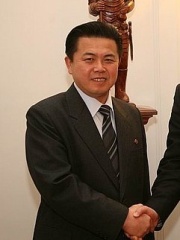
Kim Pyong-il
POLITICIAN
1954 - Present
HPI: 65.37
Rank: 83
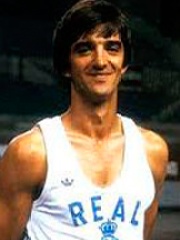
Mirza Delibašić
BASKETBALL PLAYER
1954 - 2001
HPI: 65.31
Rank: 84
Rashad al-Alimi
POLITICIAN
1954 - Present
HPI: 65.28
Rank: 85
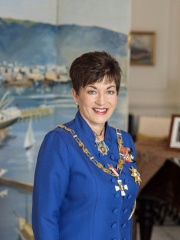
Patsy Reddy
POLITICIAN
1954 - Present
HPI: 65.23
Rank: 86
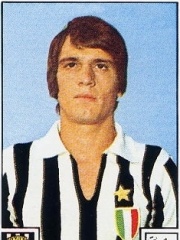
Marco Tardelli
SOCCER PLAYER
1954 - Present
HPI: 65.08
Rank: 87
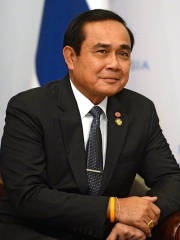
Prayut Chan-o-cha
POLITICIAN
1954 - Present
HPI: 65.02
Rank: 88
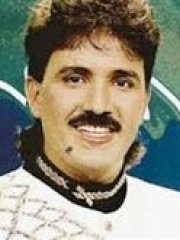
Rafael Orozco Maestre
SINGER
1954 - 1992
HPI: 65.02
Rank: 89
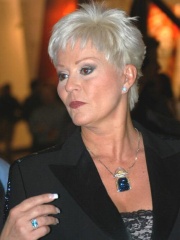
Seka
PORNOGRAPHIC ACTOR
1954 - Present
HPI: 64.96
Rank: 90
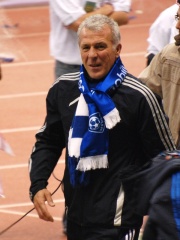
Eric Gerets
COACH
1954 - Present
HPI: 64.89
Rank: 91
In 也门
Among people born in 也门, 拉沙德·阿利米 ranks 10 out of NaN. Before him are Mohammed bin Awad bin Laden (1908), Mukesh Ambani (1957), Abu Musa al-Ash'ari (600), Abdullah ibn Saba' (700), Miqdad ibn Aswad (589), and Malik al-Ashtar (585). After him are Tawakkol Karman (1979), Yahya Muhammad Hamid ed-Din (1869), Muhammad al-Badr (1926), Wahb ibn Munabbih (655), Hussein al-Houthi (1960), and Ahmad bin Yahya (1891).
Others born in 也门
Go to all Rankings
Mohammed bin Awad bin Laden
BUSINESSPERSON
1908 - 1967
HPI: 72.35
Rank: 4
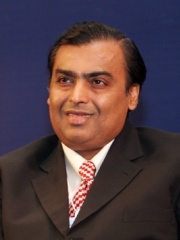
Mukesh Ambani
BUSINESSPERSON
1957 - Present
HPI: 69.68
Rank: 5

Abu Musa al-Ash'ari
POLITICIAN
600 - 666
HPI: 67.87
Rank: 6

Abdullah ibn Saba'
RELIGIOUS FIGURE
700 - 700
HPI: 66.74
Rank: 7
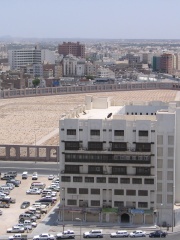
Miqdad ibn Aswad
COMPANION
589 - 653
HPI: 66.62
Rank: 8
Malik al-Ashtar
RELIGIOUS FIGURE
585 - 658
HPI: 66.52
Rank: 9
Rashad al-Alimi
POLITICIAN
1954 - Present
HPI: 65.28
Rank: 10
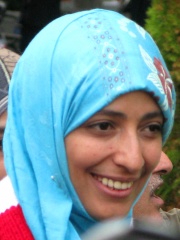
Tawakkol Karman
SOCIAL ACTIVIST
1979 - Present
HPI: 64.92
Rank: 11
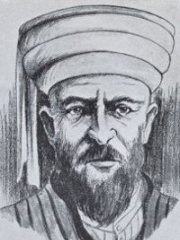
Yahya Muhammad Hamid ed-Din
POLITICIAN
1869 - 1948
HPI: 64.81
Rank: 12
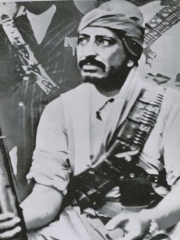
Muhammad al-Badr
POLITICIAN
1926 - 1996
HPI: 63.37
Rank: 13

Wahb ibn Munabbih
WRITER
655 - 738
HPI: 62.26
Rank: 14

Hussein al-Houthi
POLITICIAN
1960 - 2004
HPI: 62.05
Rank: 15
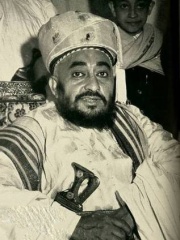
Ahmad bin Yahya
POLITICIAN
1891 - 1962
HPI: 61.84
Rank: 16
Among 政治家 In 也门
Among 政治家 born in 也门, 拉沙德·阿利米 ranks 4. Before him are Ali Abdullah Saleh (1947), Abdrabbuh Mansur Hadi (1945), and Abu Musa al-Ash'ari (600). After him are Yahya Muhammad Hamid ed-Din (1869), Muhammad al-Badr (1926), Hussein al-Houthi (1960), Ahmad bin Yahya (1891), Ali Nasir Muhammad (1940), Mohammed Basindawa (1935), Haidar Abu Bakr al-Attas (1939), and Abdul-Malik al-Houthi (1979).
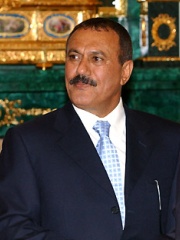
Ali Abdullah Saleh
1947 - 2017
HPI: 74.46
Rank: 1
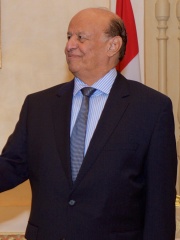
Abdrabbuh Mansur Hadi
1945 - 2026
HPI: 73.96
Rank: 2
Abu Musa al-Ash'ari
600 - 666
HPI: 67.87
Rank: 3
Rashad al-Alimi
1954 - Present
HPI: 65.28
Rank: 4
Yahya Muhammad Hamid ed-Din
1869 - 1948
HPI: 64.81
Rank: 5
Muhammad al-Badr
1926 - 1996
HPI: 63.37
Rank: 6
Hussein al-Houthi
1960 - 2004
HPI: 62.05
Rank: 7
Ahmad bin Yahya
1891 - 1962
HPI: 61.84
Rank: 8
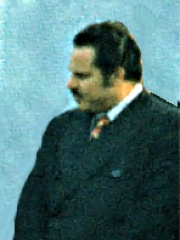
Ali Nasir Muhammad
1940 - Present
HPI: 60.55
Rank: 9
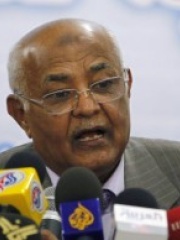
Mohammed Basindawa
1935 - Present
HPI: 59.42
Rank: 10

Haidar Abu Bakr al-Attas
1939 - Present
HPI: 58.52
Rank: 11
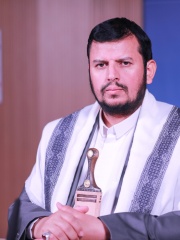
Abdul-Malik al-Houthi
1979 - Present
HPI: 58.23
Rank: 12




