Politiker
Lorenzo Celsi
1310 - 1365
DE.WIKIPEDIA PAGE VIEWS (PV)
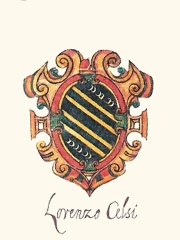
 Lorenzo Celsi
Seine Biografie ist in 17 verschiedenen Sprachen auf Wikipedia verfügbar. Lorenzo Celsi ist der 12,679th beliebteste Politiker (gesunken vom 9,541st im Jahr 2024), die 3,139th beliebteste Biografie aus Italien (gesunken vom 2,475th im Jahr 2019) und der 773rd beliebteste aus Italien Politiker.
Memorability Metrics
3.3k
Page Views
Past 12 months
58.62
HPI
Historical Popularity Index
Page views of Lorenzo Celsi by language
Among Politikers
Among politikers, Lorenzo Celsi ranks 12,673 out of 19,576. Before him are Matthias II, Duke of Lorraine, Eudamidas I, Liu Zhiyuan, Jan Olszewski, Pedro Carmona, and Orio Mastropiero. After him are Mohammad Ali Khan Zand, John Key, Decimus Junius Silanus Torquatus, Mangrai, Tiye, and Federico Chávez.
Most Popular Politikers in Wikipedia
Go to all Rankings
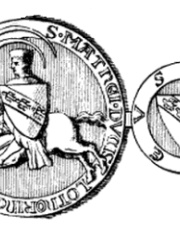
Matthias II, Duke of Lorraine
1193 - 1251
HPI: 58.62
Rank: 12,673

Eudamidas I
400 BC - 300 BC
HPI: 58.62
Rank: 12,674
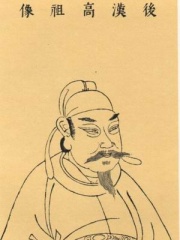
Liu Zhiyuan
895 - 948
HPI: 58.62
Rank: 12,675
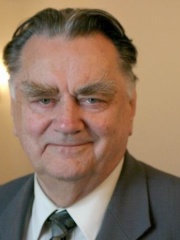
Jan Olszewski
1930 - 2019
HPI: 58.62
Rank: 12,676
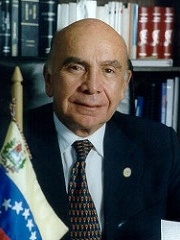
Pedro Carmona
1941 - Present
HPI: 58.62
Rank: 12,677
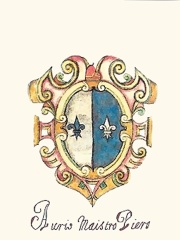
Orio Mastropiero
1150 - 1192
HPI: 58.62
Rank: 12,678
Lorenzo Celsi
1310 - 1365
HPI: 58.62
Rank: 12,679

Mohammad Ali Khan Zand
1760 - 1779
HPI: 58.62
Rank: 12,680
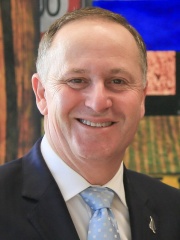
John Key
1961 - Present
HPI: 58.61
Rank: 12,681

Decimus Junius Silanus Torquatus
16 - 64
HPI: 58.61
Rank: 12,682
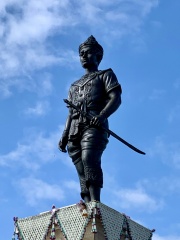
Mangrai
1238 - 1311
HPI: 58.61
Rank: 12,683
Tiye
1150 BC - 1155 BC
HPI: 58.61
Rank: 12,684
Federico Chávez
1882 - 1978
HPI: 58.61
Rank: 12,685

Contemporaries
Among people born in 1310, Lorenzo Celsi ranks 17. Before him are Eleanor de Guzmán, Berdi Beg, Gil Álvarez Carrillo de Albornoz, Guariento di Arpo, Juan Fernández de Heredia, and Jean de Roquetaillade. After him are Elisabeth of Sicily, Duchess of Bavaria, and Thomas Preljubović. Among people deceased in 1365, Lorenzo Celsi ranks 6. Before him are Rudolf IV, Duke of Austria, Louis II, Elector of Brandenburg, Anna of Savoy, Paolo Veneziano, and Jean de Roquetaillade.
Others Born in 1310
Go to all Rankings
Eleanor de Guzmán
POLITICIAN
1310 - 1351
HPI: 62.91
Rank: 11
Berdi Beg
POLITICIAN
1310 - 1359
HPI: 62.02
Rank: 12
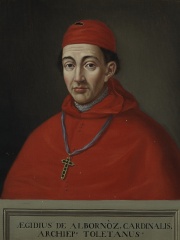
Gil Álvarez Carrillo de Albornoz
RELIGIOUS FIGURE
1310 - 1367
HPI: 61.40
Rank: 13
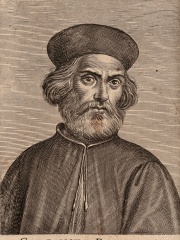
Guariento di Arpo
PAINTER
1310 - 1370
HPI: 60.19
Rank: 14
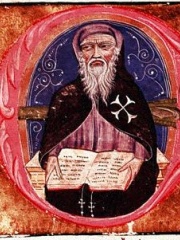
Juan Fernández de Heredia
WRITER
1310 - 1396
HPI: 59.98
Rank: 15
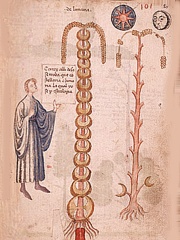
Jean de Roquetaillade
POLITICIAN
1310 - 1365
HPI: 59.52
Rank: 16
Lorenzo Celsi
POLITICIAN
1310 - 1365
HPI: 58.62
Rank: 17

Elisabeth of Sicily, Duchess of Bavaria
POLITICIAN
1310 - 1349
HPI: 58.51
Rank: 18
Thomas Preljubović
POLITICIAN
1310 - 1384
HPI: 57.05
Rank: 19
Others Deceased in 1365
Go to all Rankings
Rudolf IV, Duke of Austria
POLITICIAN
1339 - 1365
HPI: 73.98
Rank: 1
Louis II, Elector of Brandenburg
POLITICIAN
1328 - 1365
HPI: 66.07
Rank: 2
Anna of Savoy
POLITICIAN
1306 - 1365
HPI: 65.36
Rank: 3

Paolo Veneziano
PAINTER
1300 - 1365
HPI: 63.22
Rank: 4
Jean de Roquetaillade
POLITICIAN
1310 - 1365
HPI: 59.52
Rank: 5
Lorenzo Celsi
POLITICIAN
1310 - 1365
HPI: 58.62
Rank: 6
In Italien
Among people born in Italien, Lorenzo Celsi ranks 3,139 out of NaN. Before him are Achille Lauro (1887), Giuseppe Taddei (1916), Piero Cappuccilli (1929), Teresa de Lauretis (1938), Orio Mastropiero (1150), and Antonio Beccadelli (1394). After him are Giovanni Brunero (1895), Gabriele Oriali (1952), Francesco Provenzale (1632), Domenico Tintoretto (1560), Pino Donaggio (1941), and Vittorio Ambrosio (1879).
Others born in Italien
Go to all Rankings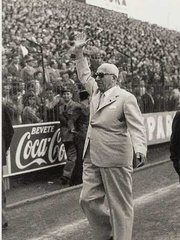
Achille Lauro
POLITICIAN
1887 - 1982
HPI: 58.63
Rank: 3,133

Giuseppe Taddei
SINGER
1916 - 2010
HPI: 58.63
Rank: 3,134
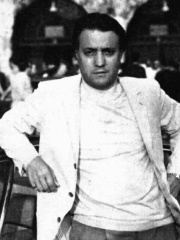
Piero Cappuccilli
SINGER
1929 - 2005
HPI: 58.62
Rank: 3,135
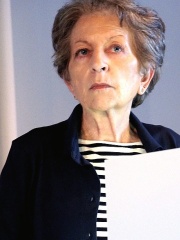
Teresa de Lauretis
WRITER
1938 - 2026
HPI: 58.62
Rank: 3,136
Orio Mastropiero
POLITICIAN
1150 - 1192
HPI: 58.62
Rank: 3,137
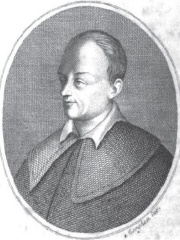
Antonio Beccadelli
WRITER
1394 - 1471
HPI: 58.62
Rank: 3,138
Lorenzo Celsi
POLITICIAN
1310 - 1365
HPI: 58.62
Rank: 3,139
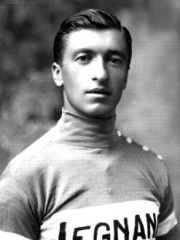
Giovanni Brunero
CYCLIST
1895 - 1934
HPI: 58.62
Rank: 3,140

Gabriele Oriali
SOCCER PLAYER
1952 - Present
HPI: 58.59
Rank: 3,141

Francesco Provenzale
COMPOSER
1632 - 1704
HPI: 58.59
Rank: 3,142
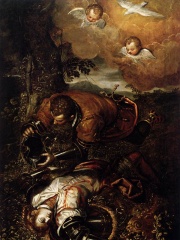
Domenico Tintoretto
PAINTER
1560 - 1635
HPI: 58.58
Rank: 3,143
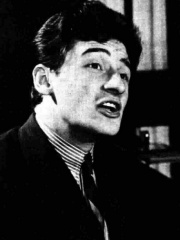
Pino Donaggio
MUSICIAN
1941 - Present
HPI: 58.58
Rank: 3,144
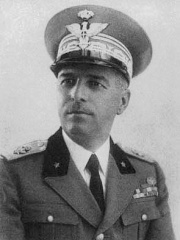
Vittorio Ambrosio
MILITARY PERSONNEL
1879 - 1958
HPI: 58.57
Rank: 3,145
Among Politikers In Italien
Among politikers born in Italien, Lorenzo Celsi ranks 773. Before him are Nicolò Donato (1539), Publius Decius Mus (-400), Ernest von Koerber (1850), Gaius Fabricius Luscinus (-250), Achille Lauro (1887), and Orio Mastropiero (1150). After him are Marcus Plautius Silvanus (null), Francesco Loredan (1685), Giulio Cesare Polerio (1548), Marcus Aurelius Cotta (-150), Tommaso Tittoni (1855), and Antonio Di Pietro (1950).
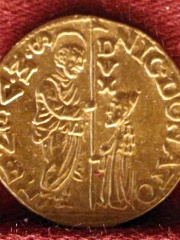
Nicolò Donato
1539 - 1618
HPI: 58.73
Rank: 767
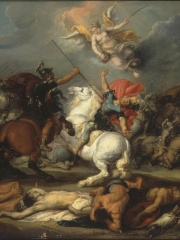
Publius Decius Mus
400 BC - 279 BC
HPI: 58.73
Rank: 768
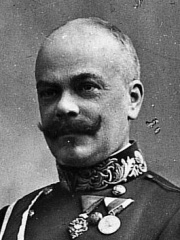
Ernest von Koerber
1850 - 1919
HPI: 58.69
Rank: 769
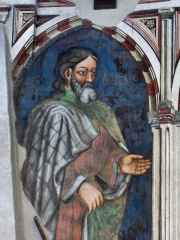
Gaius Fabricius Luscinus
250 BC - Present
HPI: 58.66
Rank: 770
Achille Lauro
1887 - 1982
HPI: 58.63
Rank: 771
Orio Mastropiero
1150 - 1192
HPI: 58.62
Rank: 772
Lorenzo Celsi
1310 - 1365
HPI: 58.62
Rank: 773

Marcus Plautius Silvanus
HPI: 58.56
Rank: 774
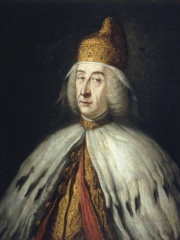
Francesco Loredan
1685 - 1762
HPI: 58.54
Rank: 775

Giulio Cesare Polerio
1548 - 1612
HPI: 58.54
Rank: 776

Marcus Aurelius Cotta
150 BC - 100 BC
HPI: 58.54
Rank: 777
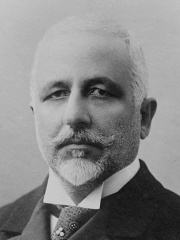
Tommaso Tittoni
1855 - 1931
HPI: 58.52
Rank: 778
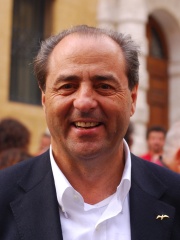
Antonio Di Pietro
1950 - Present
HPI: 58.52
Rank: 779




