Historiker
Niall Ferguson
1964 - heute
DE.WIKIPEDIA-SEITENAUFRUFE (PV)


 Niall Ferguson
Seine Biografie ist in 36 verschiedenen Sprachen auf Wikipedia verfügbar (gestiegen von 34 im Jahr 2024). Niall Ferguson ist der 483rd beliebteste Historiker (gesunken vom 447th im Jahr 2024), die 4,369th beliebteste Biografie aus Vereinigtes Königreich (gesunken vom 3,786th im Jahr 2019) und der 52nd beliebteste aus Vereinigtes Königreich Historiker.
Bekanntheitsmetriken
420k
Seitenaufrufe
Letzte 12 Monate
54.56
HPI
Historischer Popularitätsindex
Daten-Einblicke
7.3×
Die Wikipedia-Seite von Niall Ferguson verzeichnete im vergangenen Jahr 420k Aufrufe, das 7.3-Fache des Durchschnitts aller Historiker.
Seitenaufrufe von Niall Ferguson nach Sprache
Unter Historiker
Unter Historiker belegt Niall Ferguson Rang 483 von 579. Vor ihm stehen Miguel León-Portilla, Ji Xianlin, Benjamin Mazar, Artur Hazelius, David Abulafia, und Craterus. Nach ihm folgen Hugh Thomas, Baron Thomas of Swynnerton, Sheila Fitzpatrick, William Robertson, Robert Jay Lifton, William Dalrymple, und Walter Jens.
Die beliebtesten Historiker auf Wikipedia
Zu allen Ranglisten
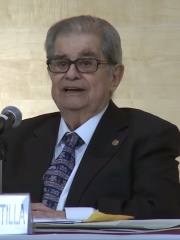
Miguel León-Portilla
1926 - 2019
HPI: 54.73
Rang: 477

Ji Xianlin
1911 - 2009
HPI: 54.71
Rang: 478

Benjamin Mazar
1906 - 1995
HPI: 54.70
Rang: 479
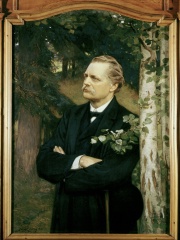
Artur Hazelius
1833 - 1901
HPI: 54.63
Rang: 480
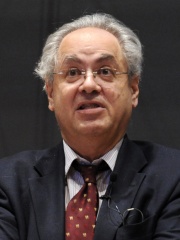
David Abulafia
1949 - 2026
HPI: 54.62
Rang: 481

Craterus
320 BC - 300 BC
HPI: 54.61
Rang: 482
Niall Ferguson
1964 - heute
HPI: 54.56
Rang: 483
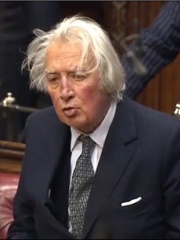
Hugh Thomas, Baron Thomas of Swynnerton
1931 - 2017
HPI: 54.54
Rang: 484

Sheila Fitzpatrick
1941 - heute
HPI: 54.48
Rang: 485
William Robertson
1721 - 1793
HPI: 54.41
Rang: 486
Robert Jay Lifton
1926 - 2025
HPI: 54.40
Rang: 487
William Dalrymple
1965 - heute
HPI: 54.29
Rang: 488
Walter Jens
1923 - 2013
HPI: 54.29
Rang: 489

Zeitgenossen
Unter den im Jahr 1964 Geborenen belegt Niall Ferguson Rang 295. Vor ihm stehen Evan Stone, Éric Bernard, Heather Langenkamp, Dana Plato, Andy Bell, und Wiliame Katonivere. Nach ihm folgen Levan Gachechiladze, Ivan Bella, Charles Spencer, 9th Earl Spencer, Shi Zhengli, Dieter Hecking, und Sharif Sheikh Ahmed.
Weitere im Jahr 1964 Geborene
Zu allen Ranglisten
Evan Stone
PORNOGRAPHIC ACTOR
1964 - heute
HPI: 54.66
Rang: 289

Éric Bernard
RACING DRIVER
1964 - heute
HPI: 54.65
Rang: 290
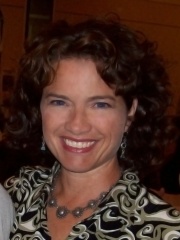
Heather Langenkamp
ACTOR
1964 - heute
HPI: 54.62
Rang: 291

Dana Plato
ACTOR
1964 - 1999
HPI: 54.60
Rang: 292

Andy Bell
SINGER
1964 - heute
HPI: 54.57
Rang: 293
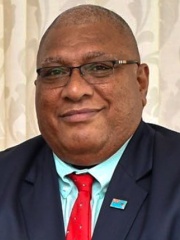
Wiliame Katonivere
POLITICIAN
1964 - heute
HPI: 54.56
Rang: 294
Niall Ferguson
HISTORIAN
1964 - heute
HPI: 54.56
Rang: 295
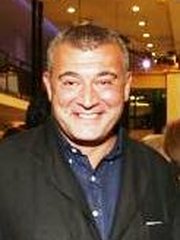
Levan Gachechiladze
POLITICIAN
1964 - 2025
HPI: 54.55
Rang: 296

Ivan Bella
ASTRONAUT
1964 - heute
HPI: 54.54
Rang: 297
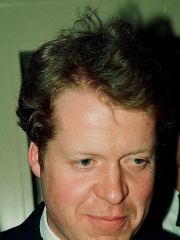
Charles Spencer, 9th Earl Spencer
POLITICIAN
1964 - heute
HPI: 54.52
Rang: 298

Shi Zhengli
BIOLOGIST
1964 - heute
HPI: 54.52
Rang: 299

Dieter Hecking
SOCCER PLAYER
1964 - heute
HPI: 54.49
Rang: 300
Sharif Sheikh Ahmed
POLITICIAN
1964 - heute
HPI: 54.48
Rang: 301
In Vereinigtes Königreich
Unter den in Vereinigtes Königreich Geborenen belegt Niall Ferguson Rang 4,369 von 9,870. Vor ihm stehen M. R. James (1862), Howard Donald (1968), Steve McClaren (1961), Eric Stewart (1945), Andy Bell (1964), und Martin McGuinness (1950). Nach ihm folgen Murray Walker (1923), Evelyn Colyer (1902), Nathaniel Philip Rothschild (1971), Simeon Solomon (1840), Jamie Campbell Bower (1988), und Alfred Maudslay (1850).
Weitere in Vereinigtes Königreich geborene Personen
Zu allen Ranglisten
M. R. James
WRITER
1862 - 1936
HPI: 54.58
Rang: 4,363

Howard Donald
MUSICIAN
1968 - heute
HPI: 54.58
Rang: 4,364
Steve McClaren
COACH
1961 - heute
HPI: 54.58
Rang: 4,365

Eric Stewart
SINGER
1945 - heute
HPI: 54.57
Rang: 4,366
Andy Bell
SINGER
1964 - heute
HPI: 54.57
Rang: 4,367
Martin McGuinness
POLITICIAN
1950 - 2017
HPI: 54.56
Rang: 4,368
Niall Ferguson
HISTORIAN
1964 - heute
HPI: 54.56
Rang: 4,369
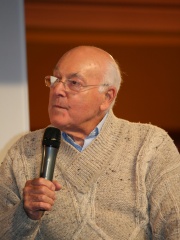
Murray Walker
JOURNALIST
1923 - 2021
HPI: 54.56
Rang: 4,370
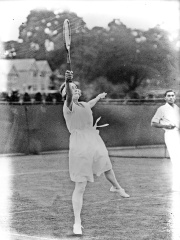
Evelyn Colyer
TENNIS PLAYER
1902 - 1930
HPI: 54.56
Rang: 4,371

Nathaniel Philip Rothschild
BUSINESSPERSON
1971 - heute
HPI: 54.55
Rang: 4,372
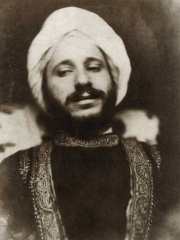
Simeon Solomon
PAINTER
1840 - 1905
HPI: 54.54
Rang: 4,373

Jamie Campbell Bower
ACTOR
1988 - heute
HPI: 54.54
Rang: 4,374

Alfred Maudslay
EXPLORER
1850 - 1931
HPI: 54.54
Rang: 4,375
Unter Historiker in Vereinigtes Königreich
Unter den in Vereinigtes Königreich geborenen Historiker belegt Niall Ferguson Rang 52. Vor ihm stehen Lawrence Stone (1919), David Marshall Lang (1924), Mary Beard (1955), Stanley Morison (1889), Richard J. Evans (1947), und David Abulafia (1949). Nach ihm folgen Hugh Thomas, Baron Thomas of Swynnerton (1931), William Robertson (1721), William Dalrymple (1965), Thomas Fuller (1608), Frederic G. Kenyon (1863), und Thomas Walker Arnold (1864).

Lawrence Stone
1919 - 1999
HPI: 55.12
Rang: 46

David Marshall Lang
1924 - 1991
HPI: 55.11
Rang: 47
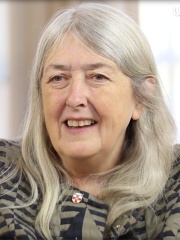
Mary Beard
1955 - heute
HPI: 55.02
Rang: 48
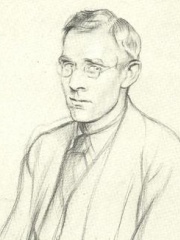
Stanley Morison
1889 - 1967
HPI: 54.90
Rang: 49
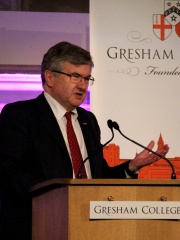
Richard J. Evans
1947 - heute
HPI: 54.83
Rang: 50
David Abulafia
1949 - 2026
HPI: 54.62
Rang: 51
Niall Ferguson
1964 - heute
HPI: 54.56
Rang: 52
Hugh Thomas, Baron Thomas of Swynnerton
1931 - 2017
HPI: 54.54
Rang: 53
William Robertson
1721 - 1793
HPI: 54.41
Rang: 54
William Dalrymple
1965 - heute
HPI: 54.29
Rang: 55
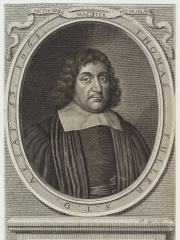
Thomas Fuller
1608 - 1661
HPI: 54.28
Rang: 56
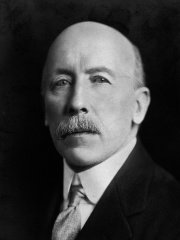
Frederic G. Kenyon
1863 - 1952
HPI: 53.82
Rang: 57
Thomas Walker Arnold
1864 - 1930
HPI: 53.68
Rang: 58




