Политик
Mohsen Rezaee
1954 - настоящее время
RU.WIKIPEDIA PAGE VIEWS (PV)
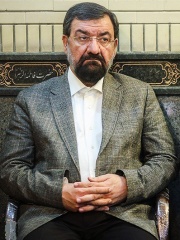
 Mohsen Rezaee
Его биография доступна на 24 различных языках в Википедии. Mohsen Rezaee занимает 12775-е место среди самых популярных политик (рост с 12780-е места в 2024 году), занимает 331-е место среди самых популярных биографий из Ирана (рост с 347-е места в 2019 году) и занимает 156-е место среди политик Иран.
Memorability Metrics
450k
Page Views
Past 12 months
58.52
HPI
Historical Popularity Index
Page views of Mohsen Rezaee by language
Among Политик
Among политик, Mohsen Rezaee ranks 12,769 out of 19,576. Before him are Anaxidamus, Haidar Abu Bakr al-Attas, Yusuf Lule, Dmytro Kuleba, Günter Verheugen, and Hennadiy Udovenko. After him are Tommaso Tittoni, Antonio Di Pietro, Pietro Tribuno, Elisabeth of Sicily, Duchess of Bavaria, Ján Čarnogurský, and Meskalamdug.
Most Popular Политик in Wikipedia
Go to all Rankings

Anaxidamus
650 BC - Present
HPI: 58.53
Rank: 12,769

Haidar Abu Bakr al-Attas
1939 - Present
HPI: 58.52
Rank: 12,770
Yusuf Lule
1912 - 1985
HPI: 58.52
Rank: 12,771

Dmytro Kuleba
1981 - Present
HPI: 58.52
Rank: 12,772
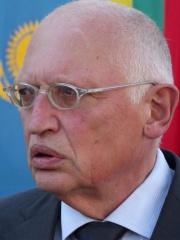
Günter Verheugen
1944 - Present
HPI: 58.52
Rank: 12,773
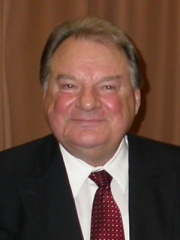
Hennadiy Udovenko
1931 - 2013
HPI: 58.52
Rank: 12,774
Mohsen Rezaee
1954 - Present
HPI: 58.52
Rank: 12,775
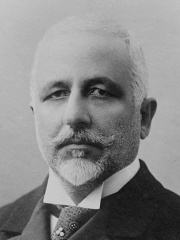
Tommaso Tittoni
1855 - 1931
HPI: 58.52
Rank: 12,776
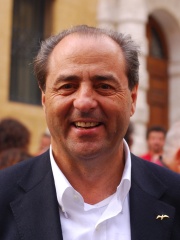
Antonio Di Pietro
1950 - Present
HPI: 58.52
Rank: 12,777

Pietro Tribuno
900 - 911
HPI: 58.52
Rank: 12,778

Elisabeth of Sicily, Duchess of Bavaria
1310 - 1349
HPI: 58.51
Rank: 12,779

Ján Čarnogurský
1944 - Present
HPI: 58.51
Rank: 12,780
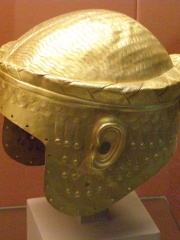
Meskalamdug
2600 BC - 2600 BC
HPI: 58.51
Rank: 12,781

Contemporaries
Among people born in 1954, Mohsen Rezaee ranks 242. Before him are Corinna Harfouch, Howard Stern, Esko Aho, Alice Krige, Jaume Bartumeu, and Pankaj Kapur. After him are Tony Thompson, Vladimir Smirnov, Amaral, Wolfgang Becker, Antón Lamazares, and Wang Jianlin.
Others Born in 1954
Go to all Rankings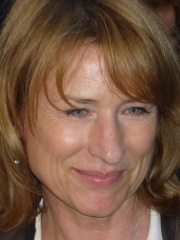
Corinna Harfouch
ACTOR
1954 - Present
HPI: 58.63
Rank: 236

Howard Stern
PRESENTER
1954 - Present
HPI: 58.62
Rank: 237

Esko Aho
POLITICIAN
1954 - Present
HPI: 58.59
Rank: 238

Alice Krige
ACTOR
1954 - Present
HPI: 58.59
Rank: 239
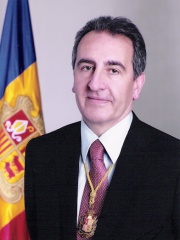
Jaume Bartumeu
POLITICIAN
1954 - Present
HPI: 58.54
Rank: 240
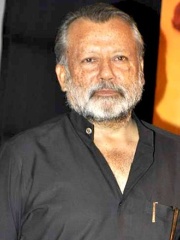
Pankaj Kapur
ACTOR
1954 - Present
HPI: 58.54
Rank: 241
Mohsen Rezaee
POLITICIAN
1954 - Present
HPI: 58.52
Rank: 242
Tony Thompson
MUSICIAN
1954 - 2003
HPI: 58.48
Rank: 243
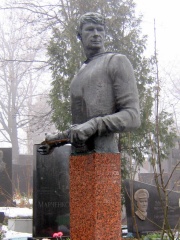
Vladimir Smirnov
POLITICIAN
1954 - 1982
HPI: 58.45
Rank: 244

Amaral
SOCCER PLAYER
1954 - 2024
HPI: 58.44
Rank: 245

Wolfgang Becker
FILM DIRECTOR
1954 - 2024
HPI: 58.42
Rank: 246
Antón Lamazares
PAINTER
1954 - Present
HPI: 58.40
Rank: 247

Wang Jianlin
BUSINESSPERSON
1954 - Present
HPI: 58.37
Rank: 248
In Иран
Among people born in Иран, Mohsen Rezaee ranks 331 out of NaN. Before him are Simin Daneshvar (1921), Mohsen Makhmalbaf (1957), Al-Birjandi (null), Mohammad Kazem Shariatmadari (1906), Suleiman II of Persia (1714), and Kushyar Gilani (971). After him are Navvab Safavi (1924), Alenush Terian (1921), Anousheh Ansari (1966), Sadeq Khan Zand (1800), Luarsab II of Kartli (1592), and Ivan Galamian (1903).
Others born in Иран
Go to all Rankings
Simin Daneshvar
WRITER
1921 - 2012
HPI: 58.68
Rank: 325
Mohsen Makhmalbaf
FILM DIRECTOR
1957 - Present
HPI: 58.67
Rank: 326
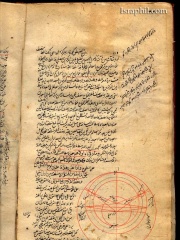
Al-Birjandi
MATHEMATICIAN
HPI: 58.65
Rank: 327
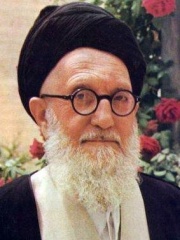
Mohammad Kazem Shariatmadari
RELIGIOUS FIGURE
1906 - 1986
HPI: 58.60
Rank: 328
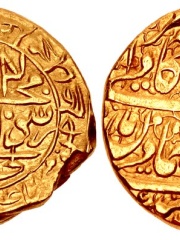
Suleiman II of Persia
RELIGIOUS FIGURE
1714 - 1763
HPI: 58.57
Rank: 329

Kushyar Gilani
MATHEMATICIAN
971 - 1029
HPI: 58.56
Rank: 330
Mohsen Rezaee
POLITICIAN
1954 - Present
HPI: 58.52
Rank: 331
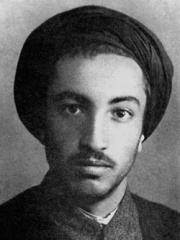
Navvab Safavi
RELIGIOUS FIGURE
1924 - 1956
HPI: 58.49
Rank: 332
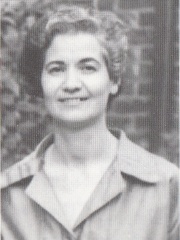
Alenush Terian
ASTRONOMER
1921 - 2011
HPI: 58.49
Rank: 333

Anousheh Ansari
ENGINEER
1966 - Present
HPI: 58.47
Rank: 334
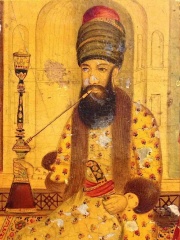
Sadeq Khan Zand
POLITICIAN
1800 - 1782
HPI: 58.39
Rank: 335
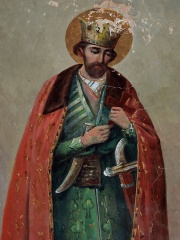
Luarsab II of Kartli
RELIGIOUS FIGURE
1592 - 1622
HPI: 58.38
Rank: 336
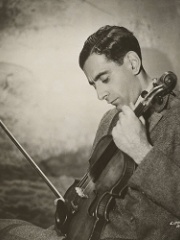
Ivan Galamian
COMPOSER
1903 - 1981
HPI: 58.38
Rank: 337
Among Политик In Иран
Among политик born in Иран, Mohsen Rezaee ranks 156. Before him are Mohammad Khiabani (1880), Mohammad Reza Aref (1951), Mohammad Javad Zarif (1960), Mojtaba Khamenei (1969), Jamshid Amouzegar (1923), and Gholam-Ali Haddad-Adel (1945). After him are Sadeq Khan Zand (1800), Mirza Kuchik Khan (1880), Ariobarzanes of Persis (-368), Jafar Sharif-Emami (1910), Ali-Morad Khan Zand (1779), and Haj Ali Razmara (1901).
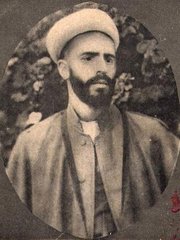
Mohammad Khiabani
1880 - 1920
HPI: 59.42
Rank: 150
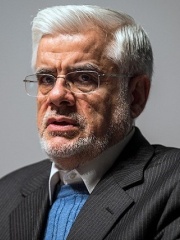
Mohammad Reza Aref
1951 - Present
HPI: 59.40
Rank: 151
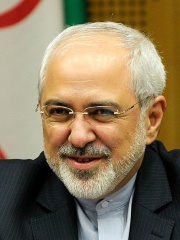
Mohammad Javad Zarif
1960 - Present
HPI: 59.28
Rank: 152
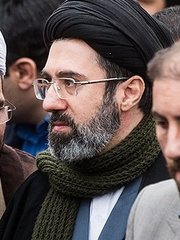
Mojtaba Khamenei
1969 - 2026
HPI: 59.07
Rank: 153
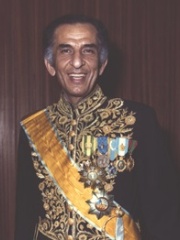
Jamshid Amouzegar
1923 - 2016
HPI: 59.01
Rank: 154
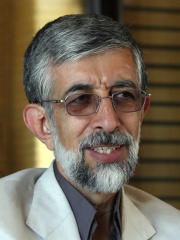
Gholam-Ali Haddad-Adel
1945 - Present
HPI: 58.73
Rank: 155
Mohsen Rezaee
1954 - Present
HPI: 58.52
Rank: 156
Sadeq Khan Zand
1800 - 1782
HPI: 58.39
Rank: 157
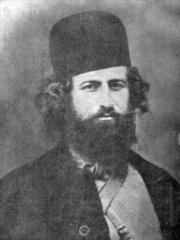
Mirza Kuchik Khan
1880 - 1921
HPI: 58.32
Rank: 158
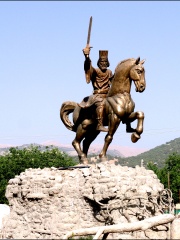
Ariobarzanes of Persis
368 BC - 330 BC
HPI: 58.31
Rank: 159
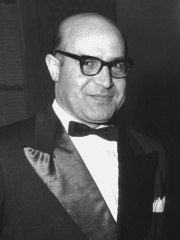
Jafar Sharif-Emami
1910 - 1998
HPI: 58.23
Rank: 160
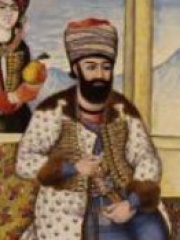
Ali-Morad Khan Zand
1779 - 1785
HPI: 58.05
Rank: 161
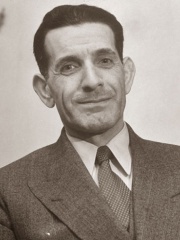
Haj Ali Razmara
1901 - 1951
HPI: 57.91
Rank: 162




