Figura religiosa
Luarsab II of Kartli
1592 - 1622
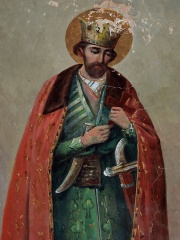
 Luarsab II of Kartli
Sua biografia está disponível em 16 idiomas na Wikipédia. Luarsab II of Kartli é o 2460º figura religiosa mais popular (caiu do 2241º em 2024), a 336ª biografia mais popular do Irã (caiu do 331ª em 2019) e o 36º figura religiosa mais popular do Irã.
Métricas de memorabilidade
9.5k
Visualizações
Últimos 12 meses
58.38
HPI
Índice de Popularidade Histórica
Destaques dos dados
16
A biografia de Luarsab II of Kartli abrange 16 edições de idiomas da Wikipédia e alcança um Índice de Popularidade Histórica de 58.38.
Visualizações da página de Luarsab II of Kartli por idioma
Entre Figura religiosa
Entre Figura religiosa, Luarsab II of Kartli ocupa a posição 2,460 de 3,189. Antes dele vêm Konrad Krajewski, Joseph Barsabbas, Lal Shahbaz Qalandar, Jean-Baptiste Janssens, Mykola Bychok, e John Wright. Depois dele vêm Marie-Dominique Chenu, Thomas S. Monson, Seraphim Rose, Arsenie Boca, Marina Semyonova, e Peter of Bruys.
Figura religiosa mais populares na Wikipédia
Ver todas as classificações
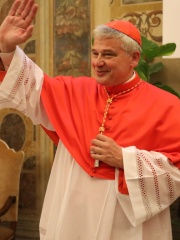
Konrad Krajewski
1963 - presente
HPI: 58.42
Posição: 2,454
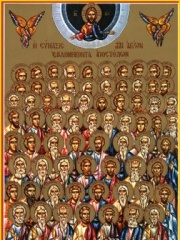
Joseph Barsabbas
HPI: 58.40
Posição: 2,455
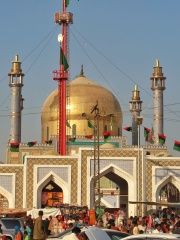
Lal Shahbaz Qalandar
1177 - 1274
HPI: 58.40
Posição: 2,456
Jean-Baptiste Janssens
1889 - 1964
HPI: 58.40
Posição: 2,457

Mykola Bychok
1980 - presente
HPI: 58.39
Posição: 2,458

John Wright
1909 - 1979
HPI: 58.38
Posição: 2,459
Luarsab II of Kartli
1592 - 1622
HPI: 58.38
Posição: 2,460
Marie-Dominique Chenu
1895 - 1990
HPI: 58.37
Posição: 2,461
Thomas S. Monson
1927 - 2018
HPI: 58.37
Posição: 2,462
Seraphim Rose
1934 - 1982
HPI: 58.36
Posição: 2,463
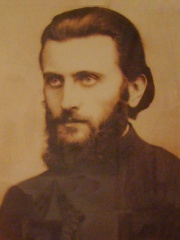
Arsenie Boca
1910 - 1989
HPI: 58.35
Posição: 2,464

Marina Semyonova
1908 - 2010
HPI: 58.34
Posição: 2,465

Peter of Bruys
1095 - 1131
HPI: 58.34
Posição: 2,466

Contemporâneos
Entre as pessoas nascidas em 1592, Luarsab II of Kartli ocupa a posição 14. Antes dele vêm Jacques Callot, Peter Snayers, Gustav Horn, Count of Pori, Sophia Hedwig of Brunswick-Lüneburg, Catalina de Erauso, e Saib Tabrizi. Depois dele vêm François le Métel de Boisrobert, Ingen, Étienne Brûlé, Wang Shimin, e Thomas Ravenscroft. Entre as pessoas falecidas em 1622, Luarsab II of Kartli ocupa a posição 20. Antes dele vêm John Rolfe, Leandro Bassano, Sophie of Brandenburg, Michael Maier, Alof de Wignacourt, e Pedro Páez. Depois dele vêm Squanto, e Khusrau Mirza.
Outras pessoas nascidas em 1592
Ver todas as classificações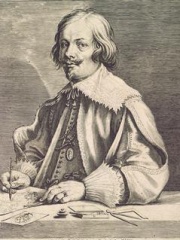
Jacques Callot
PAINTER
1592 - 1635
HPI: 69.79
Posição: 8
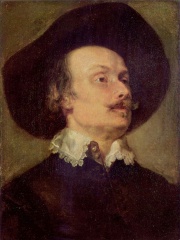
Peter Snayers
PAINTER
1592 - 1667
HPI: 64.45
Posição: 9
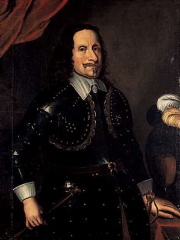
Gustav Horn, Count of Pori
MILITARY PERSONNEL
1592 - 1657
HPI: 63.82
Posição: 10
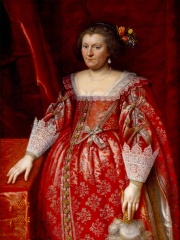
Sophia Hedwig of Brunswick-Lüneburg
NOBLEMAN
1592 - 1642
HPI: 62.22
Posição: 11
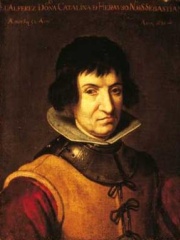
Catalina de Erauso
POLITICIAN
1592 - 1650
HPI: 62.21
Posição: 12
Saib Tabrizi
WRITER
1592 - 1676
HPI: 58.77
Posição: 13
Luarsab II of Kartli
RELIGIOUS FIGURE
1592 - 1622
HPI: 58.38
Posição: 14

François le Métel de Boisrobert
WRITER
1592 - 1662
HPI: 57.77
Posição: 15
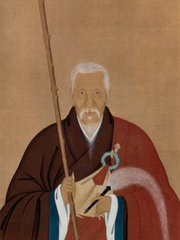
Ingen
RELIGIOUS FIGURE
1592 - 1673
HPI: 57.01
Posição: 16
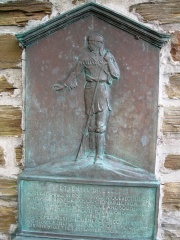
Étienne Brûlé
EXPLORER
1592 - 1633
HPI: 55.86
Posição: 17

Wang Shimin
PAINTER
1592 - 1680
HPI: 55.22
Posição: 18

Thomas Ravenscroft
MUSICIAN
1592 - 1635
HPI: 52.40
Posição: 19
Outras pessoas falecidas em 1622
Ver todas as classificações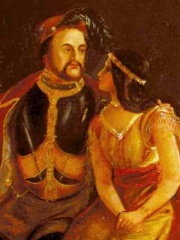
John Rolfe
EXPLORER
1585 - 1622
HPI: 62.74
Posição: 14
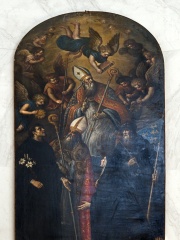
Leandro Bassano
PAINTER
1557 - 1622
HPI: 62.58
Posição: 15
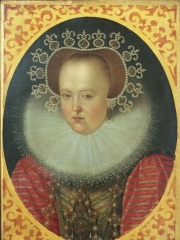
Sophie of Brandenburg
POLITICIAN
1568 - 1622
HPI: 60.94
Posição: 16
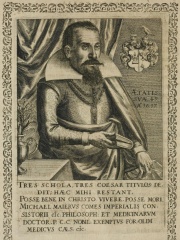
Michael Maier
PHYSICIAN
1568 - 1622
HPI: 60.49
Posição: 17
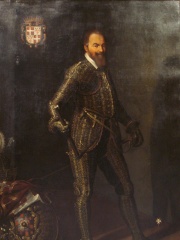
Alof de Wignacourt
POLITICIAN
1547 - 1622
HPI: 59.85
Posição: 18
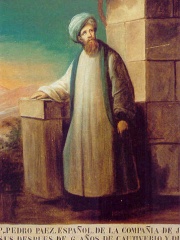
Pedro Páez
RELIGIOUS FIGURE
1564 - 1622
HPI: 59.44
Posição: 19
Luarsab II of Kartli
RELIGIOUS FIGURE
1592 - 1622
HPI: 58.38
Posição: 20
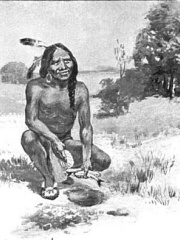
Squanto
RELIGIOUS FIGURE
1585 - 1622
HPI: 57.22
Posição: 21
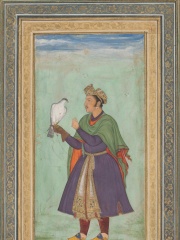
Khusrau Mirza
NOBLEMAN
1587 - 1622
HPI: 51.23
Posição: 22
Em Irã
Entre as pessoas nascidas em Irã, Luarsab II of Kartli ocupa a posição 336 de 800. Antes dele vêm Kushyar Gilani (971), Mohsen Rezaee (1954), Navvab Safavi (1924), Alenush Terian (1921), Anousheh Ansari (1966), e Sadeq Khan Zand (1800). Depois dele vêm Ivan Galamian (1903), Mirza Kuchik Khan (1880), Ariobarzanes of Persis (-368), Abdolkarim Soroush (1945), Jafar Sharif-Emami (1910), e Mahmoud Taleghani (1911).
Outras pessoas nascidas em Irã
Ver todas as classificações
Kushyar Gilani
MATHEMATICIAN
971 - 1029
HPI: 58.56
Posição: 330
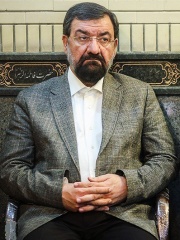
Mohsen Rezaee
POLITICIAN
1954 - presente
HPI: 58.52
Posição: 331
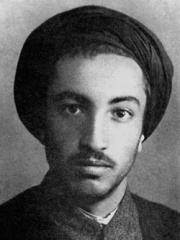
Navvab Safavi
RELIGIOUS FIGURE
1924 - 1956
HPI: 58.49
Posição: 332
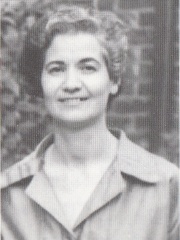
Alenush Terian
ASTRONOMER
1921 - 2011
HPI: 58.49
Posição: 333

Anousheh Ansari
ENGINEER
1966 - presente
HPI: 58.47
Posição: 334
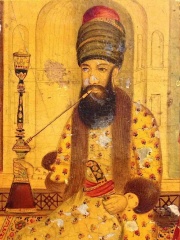
Sadeq Khan Zand
POLITICIAN
1800 - 1782
HPI: 58.39
Posição: 335
Luarsab II of Kartli
RELIGIOUS FIGURE
1592 - 1622
HPI: 58.38
Posição: 336
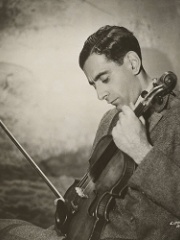
Ivan Galamian
COMPOSER
1903 - 1981
HPI: 58.38
Posição: 337
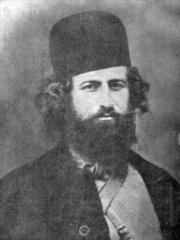
Mirza Kuchik Khan
POLITICIAN
1880 - 1921
HPI: 58.32
Posição: 338
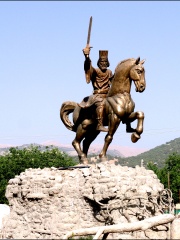
Ariobarzanes of Persis
POLITICIAN
368 BC - 330 BC
HPI: 58.31
Posição: 339
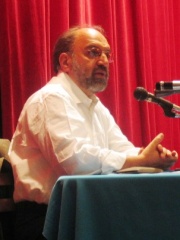
Abdolkarim Soroush
PHILOSOPHER
1945 - presente
HPI: 58.23
Posição: 340
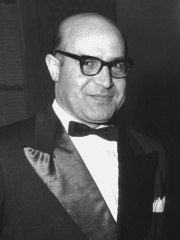
Jafar Sharif-Emami
POLITICIAN
1910 - 1998
HPI: 58.23
Posição: 341
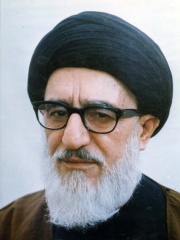
Mahmoud Taleghani
SOCIAL ACTIVIST
1911 - 1979
HPI: 58.16
Posição: 342
Entre Figura religiosa em Irã
Entre Figura religiosa nascidos em Irã, Luarsab II of Kartli ocupa a posição 36. Antes dele vêm Abu Nu'aym al-Isfahani (948), Al-Qadi Abd al-Jabbar (935), Sadegh Khalkhali (1926), Mohammad Kazem Shariatmadari (1906), Suleiman II of Persia (1714), e Navvab Safavi (1924). Depois dele vêm Hossein Wahid Khorasani (1921), Kazim Rashti (1793), Fakhr-un-Nisa (1092), e Mostafa Pourmohammadi (1960).

Abu Nu'aym al-Isfahani
948 - 1038
HPI: 59.86
Posição: 30

Al-Qadi Abd al-Jabbar
935 - 1025
HPI: 59.34
Posição: 31
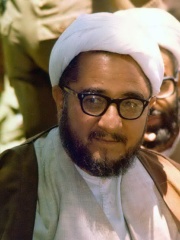
Sadegh Khalkhali
1926 - 2003
HPI: 59.25
Posição: 32
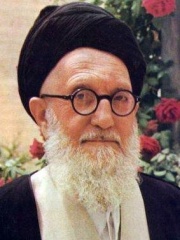
Mohammad Kazem Shariatmadari
1906 - 1986
HPI: 58.60
Posição: 33
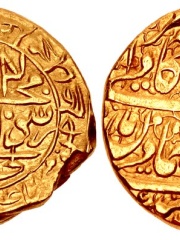
Suleiman II of Persia
1714 - 1763
HPI: 58.57
Posição: 34
Navvab Safavi
1924 - 1956
HPI: 58.49
Posição: 35
Luarsab II of Kartli
1592 - 1622
HPI: 58.38
Posição: 36
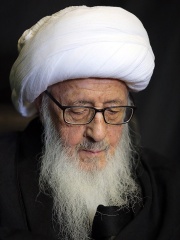
Hossein Wahid Khorasani
1921 - presente
HPI: 58.07
Posição: 37
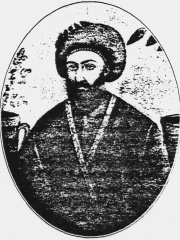
Kazim Rashti
1793 - 1843
HPI: 56.54
Posição: 38

Fakhr-un-Nisa
1092 - 1178
HPI: 55.96
Posição: 39
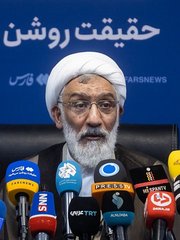
Mostafa Pourmohammadi
1960 - presente
HPI: 50.68
Posição: 40




