Politikus
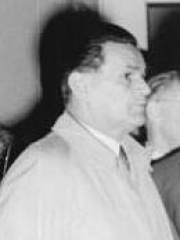
Marián Čalfa
1946 - napjainkig
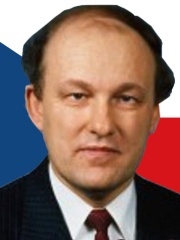
 Marián Čalfa
Életrajza 23 különböző nyelven érhető el a Wikipédián. Marián Čalfa a 9,652nd legnépszerűbb politikus (csökkenés a 9,234th-ről 2024-ben), a 81st legnépszerűbb életrajz Szlovákia országából (csökkenés a 75th-ről 2019-ben) és a 34th legnépszerűbb Szlovákiaból politikus.
Ismertségi mutatók
37k
Oldalmegtekintések
Elmúlt 12 hónap
61.64
HPI
Történelmi népszerűségi index
Adatérdekességek
23
Marián Čalfa életrajza a Wikipédia 23 nyelvi változatában érhető el, történelmi népszerűségi indexe 61.64.
Marián Čalfa oldalmegtekintései nyelvenként
A(z) Politikus között
A(z) Politikus között Marián Čalfa a(z) 9,647. helyen áll 20,022 közül. Előtte állnak: Foday Sankoh, Prince Munetaka, Mohammad Beheshti, Mangas Coloradas, Tevfik Esenç, és Leopold III, Duke of Anhalt-Dessau. Utána következnek: Margherita Gonzaga, Duchess of Lorraine, Archibald Primrose, 5th Earl of Rosebery, Edmund the Martyr, Yunus Pasha, Boniface II, Marquis of Montferrat, és Pierre Harmel.
A legnépszerűbb Politikus a Wikipédián
Összes rangsor megtekintése
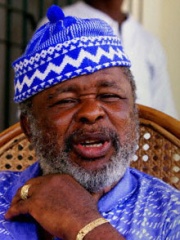
Foday Sankoh
1937 - 2003
HPI: 61.65
Helyezés: 9,646
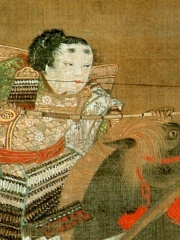
Prince Munetaka
1242 - 1274
HPI: 61.65
Helyezés: 9,647
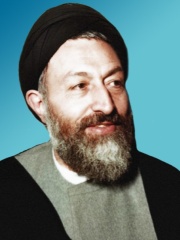
Mohammad Beheshti
1928 - 1981
HPI: 61.65
Helyezés: 9,648
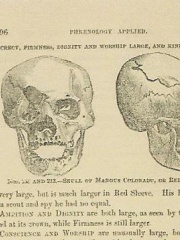
Mangas Coloradas
1792 - 1863
HPI: 61.65
Helyezés: 9,649
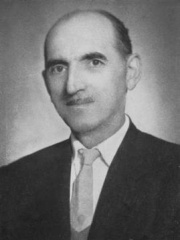
Tevfik Esenç
1904 - 1992
HPI: 61.65
Helyezés: 9,650
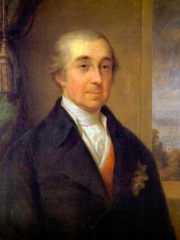
Leopold III, Duke of Anhalt-Dessau
1740 - 1817
HPI: 61.65
Helyezés: 9,651
Marián Čalfa
1946 - napjainkig
HPI: 61.64
Helyezés: 9,652
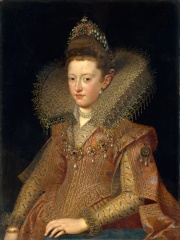
Margherita Gonzaga, Duchess of Lorraine
1591 - 1632
HPI: 61.64
Helyezés: 9,653
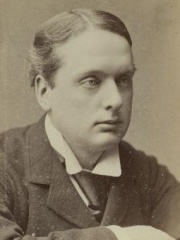
Archibald Primrose, 5th Earl of Rosebery
1847 - 1929
HPI: 61.64
Helyezés: 9,654
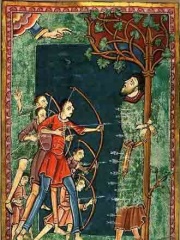
Edmund the Martyr
841 - 869
HPI: 61.64
Helyezés: 9,655
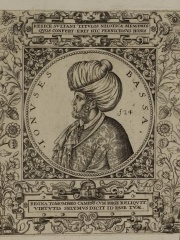
Yunus Pasha
1450 - 1517
HPI: 61.64
Helyezés: 9,656

Boniface II, Marquis of Montferrat
1202 - 1253
HPI: 61.64
Helyezés: 9,657
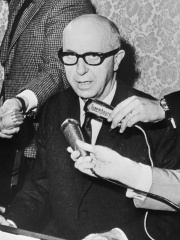
Pierre Harmel
1911 - 2009
HPI: 61.64
Helyezés: 9,658

Kortársak
A(z) 1946. évben születettek között Marián Čalfa a(z) 268. helyen áll. Előtte állnak: William Thurston, Sonthi Boonyaratglin, Abdul Rasul Sayyaf, Terence McKenna, Moritz Leuenberger, és Renzo Zorzi. Utána következnek: Frank Welker, Anatoliy Banishevskiy, Andrzej Seweryn, Steve Kanaly, Silvio Rodríguez, és Tyne Daly.
További személyek, akik a(z) 1946. évben születtek
Összes rangsor megtekintése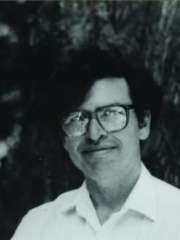
William Thurston
MATHEMATICIAN
1946 - 2012
HPI: 61.71
Helyezés: 262
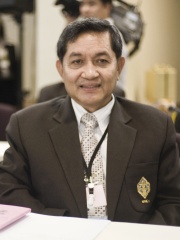
Sonthi Boonyaratglin
POLITICIAN
1946 - napjainkig
HPI: 61.70
Helyezés: 263
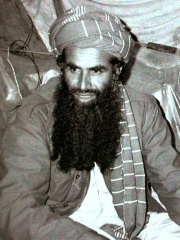
Abdul Rasul Sayyaf
POLITICIAN
1946 - napjainkig
HPI: 61.70
Helyezés: 264
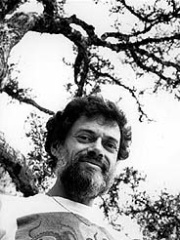
Terence McKenna
WRITER
1946 - 2000
HPI: 61.68
Helyezés: 265
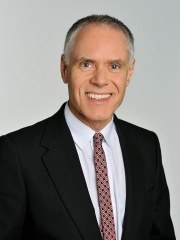
Moritz Leuenberger
POLITICIAN
1946 - napjainkig
HPI: 61.66
Helyezés: 266
Renzo Zorzi
RACING DRIVER
1946 - 2015
HPI: 61.65
Helyezés: 267
Marián Čalfa
POLITICIAN
1946 - napjainkig
HPI: 61.64
Helyezés: 268
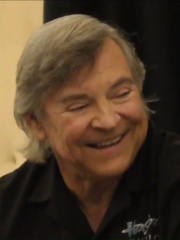
Frank Welker
ACTOR
1946 - napjainkig
HPI: 61.60
Helyezés: 269
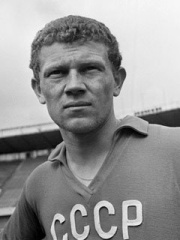
Anatoliy Banishevskiy
SOCCER PLAYER
1946 - 1997
HPI: 61.58
Helyezés: 270
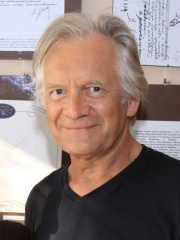
Andrzej Seweryn
ACTOR
1946 - napjainkig
HPI: 61.53
Helyezés: 271

Steve Kanaly
ACTOR
1946 - napjainkig
HPI: 61.51
Helyezés: 272
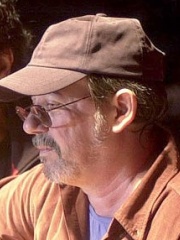
Silvio Rodríguez
SINGER
1946 - napjainkig
HPI: 61.50
Helyezés: 273
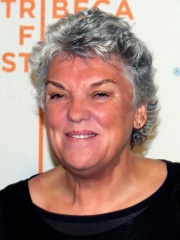
Tyne Daly
ACTOR
1946 - napjainkig
HPI: 61.44
Helyezés: 274
A(z) Szlovákia rangsorában
A(z) Szlovákia területén születettek között Marián Čalfa a(z) 81. helyen áll 516 közül. Előtte állnak: Martina Hingis (1980), Titus Buberník (1933), Andrej Kvašňák (1936), Alexander Mach (1902), Maximilian Hell (1720), és Ján Pivarník (1947). Utána következnek: Vladimír Dzurilla (1942), Tivadar Csontváry Kosztka (1853), Slavoljub Eduard Penkala (1871), Marek Hamšík (1987), Jozef Lenárt (1923), és Paul Kray (1735).
További személyek, akik Szlovákia területén születtek
Összes rangsor megtekintése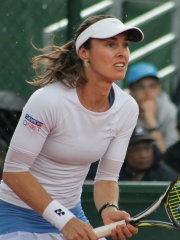
Martina Hingis
TENNIS PLAYER
1980 - napjainkig
HPI: 61.99
Helyezés: 75
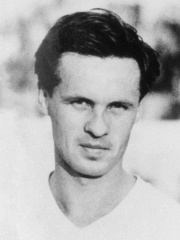
Titus Buberník
SOCCER PLAYER
1933 - 2022
HPI: 61.98
Helyezés: 76
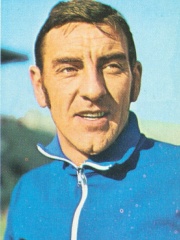
Andrej Kvašňák
SOCCER PLAYER
1936 - 2007
HPI: 61.94
Helyezés: 77
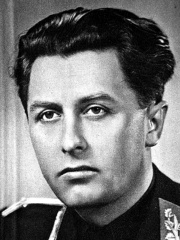
Alexander Mach
POLITICIAN
1902 - 1980
HPI: 61.85
Helyezés: 78
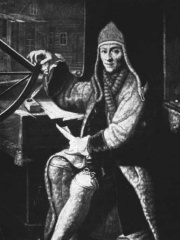
Maximilian Hell
ASTRONOMER
1720 - 1792
HPI: 61.77
Helyezés: 79
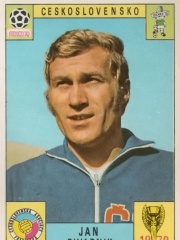
Ján Pivarník
SOCCER PLAYER
1947 - napjainkig
HPI: 61.74
Helyezés: 80
Marián Čalfa
POLITICIAN
1946 - napjainkig
HPI: 61.64
Helyezés: 81
Vladimír Dzurilla
ATHLETE
1942 - 1995
HPI: 61.64
Helyezés: 82
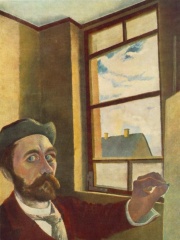
Tivadar Csontváry Kosztka
PAINTER
1853 - 1919
HPI: 61.57
Helyezés: 83
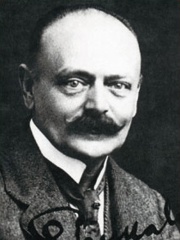
Slavoljub Eduard Penkala
INVENTOR
1871 - 1922
HPI: 61.34
Helyezés: 84
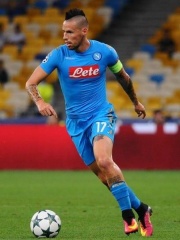
Marek Hamšík
SOCCER PLAYER
1987 - napjainkig
HPI: 61.32
Helyezés: 85
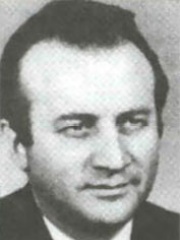
Jozef Lenárt
POLITICIAN
1923 - 2004
HPI: 61.02
Helyezés: 86
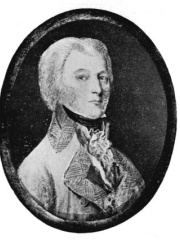
Paul Kray
MILITARY PERSONNEL
1735 - 1804
HPI: 60.95
Helyezés: 87
A(z) Politikus között – Szlovákia
A(z) Szlovákia területén született Politikus között Marián Čalfa a(z) 34. helyen áll. Előtte állnak: Vazul (1000), Peter Pellegrini (1975), Mikuláš Dzurinda (1956), Stefan Vojislav (990), Teréz Brunszvik (1775), és Alexander Mach (1902). Utána következnek: Jozef Lenárt (1923), Štefan Tiso (1897), Miroslav Lajčák (1963), Artúr Görgei (1818), Maroš Šefčovič (1966), és Viliam Široký (1902).
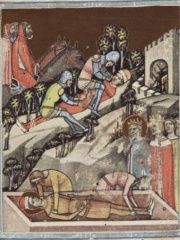
Vazul
1000 - 1037
HPI: 64.94
Helyezés: 28
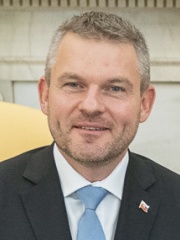
Peter Pellegrini
1975 - napjainkig
HPI: 64.69
Helyezés: 29
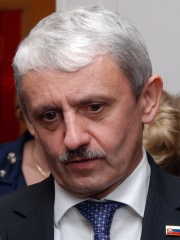
Mikuláš Dzurinda
1956 - napjainkig
HPI: 63.48
Helyezés: 30
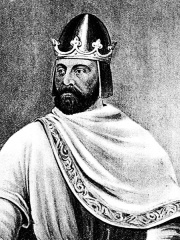
Stefan Vojislav
990 - 1043
HPI: 62.65
Helyezés: 31
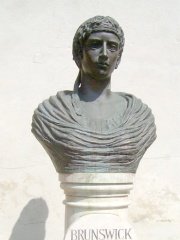
Teréz Brunszvik
1775 - 1861
HPI: 62.53
Helyezés: 32
Alexander Mach
1902 - 1980
HPI: 61.85
Helyezés: 33
Marián Čalfa
1946 - napjainkig
HPI: 61.64
Helyezés: 34
Jozef Lenárt
1923 - 2004
HPI: 61.02
Helyezés: 35
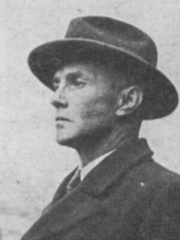
Štefan Tiso
1897 - 1959
HPI: 60.43
Helyezés: 36
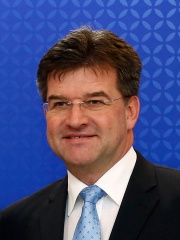
Miroslav Lajčák
1963 - napjainkig
HPI: 60.41
Helyezés: 37
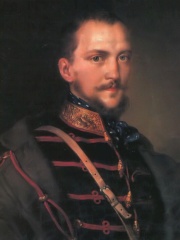
Artúr Görgei
1818 - 1916
HPI: 60.21
Helyezés: 38
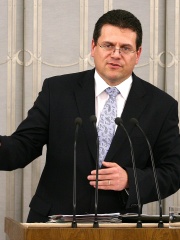
Maroš Šefčovič
1966 - napjainkig
HPI: 59.73
Helyezés: 39
Viliam Široký
1902 - 1971
HPI: 59.42
Helyezés: 40




