Politico
Lee Hsien Loong
1952 - presente
VISUALIZZAZIONI SU IT.WIKIPEDIA (PV)
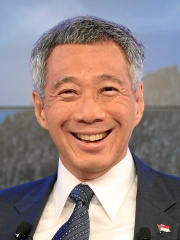

 Lee Hsien Loong
La sua biografia è disponibile in 68 lingue su Wikipedia (in aumento rispetto a 65 nel 2024). Lee Hsien Loong è il 4547° politico più popolare (in calo dal 2534° nel 2024), la 6ª biografia più popolare della Singapore (in calo dal 4ª nel 2019) e il 6° politico più popolare della Singapore.
Metriche di memorabilità
590k
Visualizzazioni
Ultimi 12 mesi
67.14
HPI
Indice di popolarità storica
Dati in evidenza
Visualizzazioni della pagina di Lee Hsien Loong per lingua
Tra Politico
Tra Politico, Lee Hsien Loong occupa la posizione 4,545 su 20,022. Prima di lui ci sono Countess Palatine Dorothea Sophie of Neuburg, John, Elector of Saxony, Frederick the Simple, Philopoemen, Drypetis, e Diosdado Macapagal. Dopo di lui ci sono Philip I, Duke of Burgundy, Ed Miliband, Isabella of Aragon, Duchess of Milan, Wegaf, Albert III, Duke of Saxony, e Carausius.
Politico più popolari su Wikipedia
Vai a tutte le classifiche
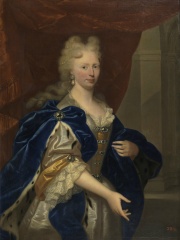
Countess Palatine Dorothea Sophie of Neuburg
1670 - 1748
HPI: 67.15
Posizione: 4,541
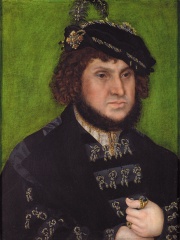
John, Elector of Saxony
1468 - 1532
HPI: 67.15
Posizione: 4,542
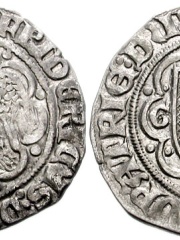
Frederick the Simple
1342 - 1377
HPI: 67.15
Posizione: 4,543
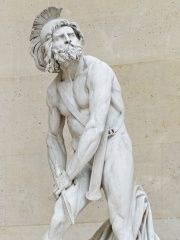
Philopoemen
253 BC - 183 BC
HPI: 67.15
Posizione: 4,544
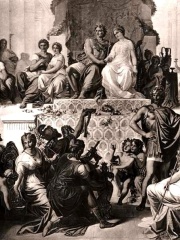
Drypetis
400 BC - 323 BC
HPI: 67.15
Posizione: 4,545
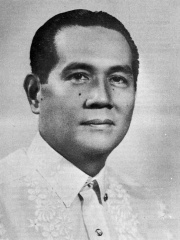
Diosdado Macapagal
1910 - 1997
HPI: 67.14
Posizione: 4,546
Lee Hsien Loong
1952 - presente
HPI: 67.14
Posizione: 4,547
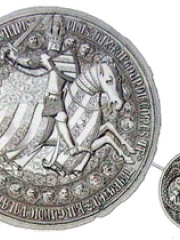
Philip I, Duke of Burgundy
1346 - 1361
HPI: 67.14
Posizione: 4,548
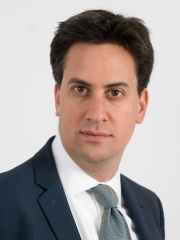
Ed Miliband
1969 - presente
HPI: 67.14
Posizione: 4,549
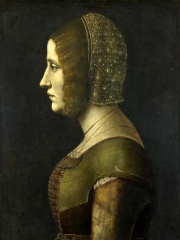
Isabella of Aragon, Duchess of Milan
1470 - 1524
HPI: 67.14
Posizione: 4,550
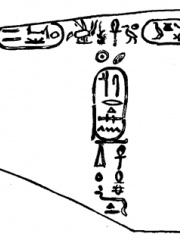
Wegaf
1800 BC - 1800 BC
HPI: 67.14
Posizione: 4,551
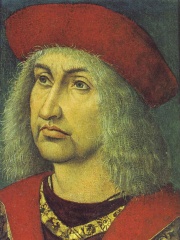
Albert III, Duke of Saxony
1443 - 1500
HPI: 67.14
Posizione: 4,552
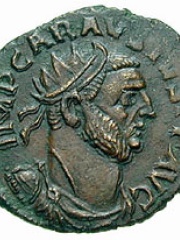
Carausius
300 - 293
HPI: 67.14
Posizione: 4,553

Contemporanei
Tra le persone nate nel 1952, Lee Hsien Loong occupa la posizione 77. Prima di lui ci sono Irina Bokova, Jeff Lindsay, Guillermo Vilas, Bert van Marwijk, Didier Pironi, e Gisèle Pelicot. Dopo di lui ci sono Dan Aykroyd, Umberto Tozzi, Reinhard Genzel, Ari Vatanen, Shohreh Aghdashloo, e Osvaldo Ardiles.
Altre persone nate nel 1952
Vai a tutte le classifiche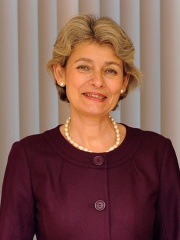
Irina Bokova
DIPLOMAT
1952 - presente
HPI: 67.57
Posizione: 71
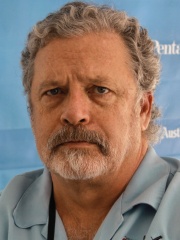
Jeff Lindsay
WRITER
1952 - presente
HPI: 67.42
Posizione: 72
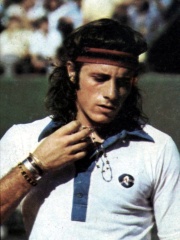
Guillermo Vilas
TENNIS PLAYER
1952 - presente
HPI: 67.35
Posizione: 73
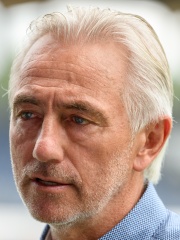
Bert van Marwijk
COACH
1952 - presente
HPI: 67.33
Posizione: 74
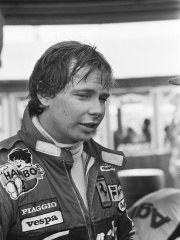
Didier Pironi
RACING DRIVER
1952 - 1987
HPI: 67.32
Posizione: 75
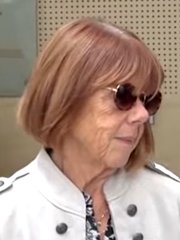
Gisèle Pelicot
CELEBRITY
1952 - presente
HPI: 67.21
Posizione: 76
Lee Hsien Loong
POLITICIAN
1952 - presente
HPI: 67.14
Posizione: 77
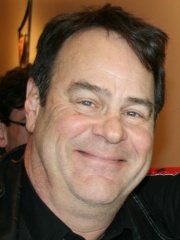
Dan Aykroyd
ACTOR
1952 - presente
HPI: 67.08
Posizione: 78
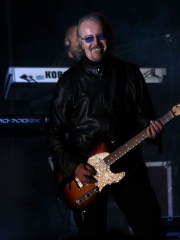
Umberto Tozzi
SINGER
1952 - presente
HPI: 67.04
Posizione: 79
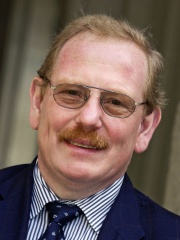
Reinhard Genzel
ASTRONOMER
1952 - presente
HPI: 66.82
Posizione: 80
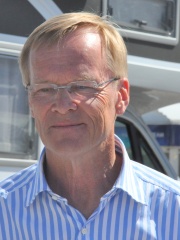
Ari Vatanen
RACING DRIVER
1952 - presente
HPI: 66.76
Posizione: 81
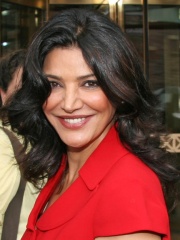
Shohreh Aghdashloo
ACTOR
1952 - presente
HPI: 66.75
Posizione: 82
Osvaldo Ardiles
SOCCER PLAYER
1952 - presente
HPI: 66.71
Posizione: 83
In Singapore
Tra le persone nate in Singapore, Lee Hsien Loong occupa la posizione 6 su 67. Prima di lui ci sono Lee Kuan Yew (1923), S. R. Nathan (1924), Tony Tan (1940), Halimah Yacob (1954), e Benjamin Sheares (1907). Dopo di lui ci sono Parameswara (1344), Goh Chok Tong (1941), Tharman Shanmugaratnam (1957), David Marshall (1908), Julia Nickson (1958), e Vanessa-Mae (1978).
Altre persone nate in Singapore
Vai a tutte le classifiche
Lee Kuan Yew
POLITICIAN
1923 - 2015
HPI: 83.27
Posizione: 1
S. R. Nathan
POLITICIAN
1924 - 2016
HPI: 72.59
Posizione: 2
Tony Tan
POLITICIAN
1940 - presente
HPI: 72.37
Posizione: 3
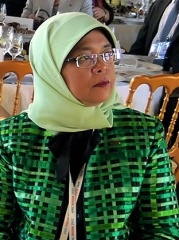
Halimah Yacob
POLITICIAN
1954 - presente
HPI: 68.11
Posizione: 4
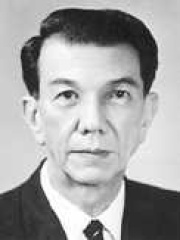
Benjamin Sheares
POLITICIAN
1907 - 1981
HPI: 67.29
Posizione: 5
Lee Hsien Loong
POLITICIAN
1952 - presente
HPI: 67.14
Posizione: 6
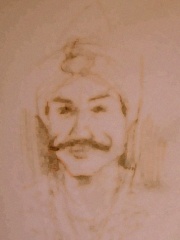
Parameswara
POLITICIAN
1344 - 1414
HPI: 65.39
Posizione: 7
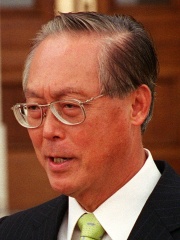
Goh Chok Tong
POLITICIAN
1941 - presente
HPI: 65.03
Posizione: 8

Tharman Shanmugaratnam
POLITICIAN
1957 - presente
HPI: 63.04
Posizione: 9
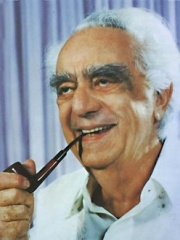
David Marshall
POLITICIAN
1908 - 1995
HPI: 61.69
Posizione: 10
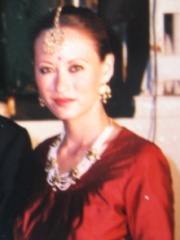
Julia Nickson
ACTOR
1958 - presente
HPI: 61.33
Posizione: 11
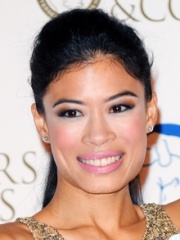
Vanessa-Mae
MUSICIAN
1978 - presente
HPI: 60.03
Posizione: 12
Tra Politico in Singapore
Tra Politico nati in Singapore, Lee Hsien Loong occupa la posizione 6. Prima di lui ci sono Lee Kuan Yew (1923), S. R. Nathan (1924), Tony Tan (1940), Halimah Yacob (1954), e Benjamin Sheares (1907). Dopo di lui ci sono Parameswara (1344), Goh Chok Tong (1941), Tharman Shanmugaratnam (1957), David Marshall (1908), Wee Kim Wee (1915), e Abu Bakar of Johor (1833).
Lee Kuan Yew
1923 - 2015
HPI: 83.27
Posizione: 1
S. R. Nathan
1924 - 2016
HPI: 72.59
Posizione: 2
Tony Tan
1940 - presente
HPI: 72.37
Posizione: 3
Halimah Yacob
1954 - presente
HPI: 68.11
Posizione: 4
Benjamin Sheares
1907 - 1981
HPI: 67.29
Posizione: 5
Lee Hsien Loong
1952 - presente
HPI: 67.14
Posizione: 6
Parameswara
1344 - 1414
HPI: 65.39
Posizione: 7
Goh Chok Tong
1941 - presente
HPI: 65.03
Posizione: 8
Tharman Shanmugaratnam
1957 - presente
HPI: 63.04
Posizione: 9
David Marshall
1908 - 1995
HPI: 61.69
Posizione: 10
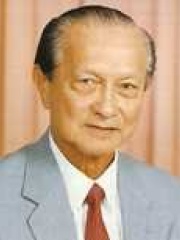
Wee Kim Wee
1915 - 2005
HPI: 59.79
Posizione: 11
Abu Bakar of Johor
1833 - 1895
HPI: 58.60
Posizione: 12




