Figura religiosa
Kurt Koch
1950 - presente
VISUALIZZAZIONI SU IT.WIKIPEDIA (PV)
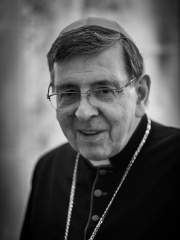
 Kurt Koch
La sua biografia è disponibile in 28 lingue su Wikipedia (in aumento rispetto a 24 nel 2024). Kurt Koch è il 1144° figura religiosa più popolare (in aumento dal 1835° nel 2024), la 150ª biografia più popolare della Svizzera (in aumento dal 285ª nel 2019) e il 8° figura religiosa più popolare della Svizzera.
Metriche di memorabilità
45k
Visualizzazioni
Ultimi 12 mesi
65.78
HPI
Indice di popolarità storica
Dati in evidenza
+16k
Kurt Koch ha guadagnato 15,680 posizioni nella classifica HPI globale di Pantheon, passando dal n. 32,886 al n. 17,219.
Visualizzazioni della pagina di Kurt Koch per lingua
Tra Figura religiosa
Tra Figura religiosa, Kurt Koch occupa la posizione 1,144 su 3,189. Prima di lui ci sono Parshvanatha, Johann Eck, Ram, Gregorio Pietro Agagianian, Wilton Daniel Gregory, e Henry Benedict Stuart. Dopo di lui ci sono Matsyendranatha, Juliana of Liège, Felix of Cantalice, Lubomyr Husar, John Fisher, e Rose Kennedy.
Figura religiosa più popolari su Wikipedia
Vai a tutte le classifiche
Parshvanatha
872 BC - 772 BC
HPI: 65.82
Posizione: 1,138
Johann Eck
1486 - 1543
HPI: 65.81
Posizione: 1,139

Ram
HPI: 65.81
Posizione: 1,140
Gregorio Pietro Agagianian
1895 - 1971
HPI: 65.80
Posizione: 1,141
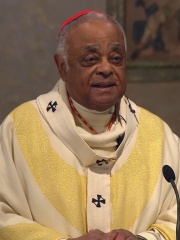
Wilton Daniel Gregory
1947 - presente
HPI: 65.80
Posizione: 1,142
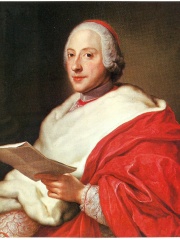
Henry Benedict Stuart
1725 - 1807
HPI: 65.79
Posizione: 1,143
Kurt Koch
1950 - presente
HPI: 65.78
Posizione: 1,144
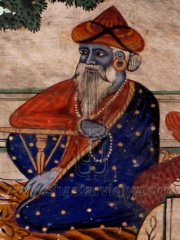
Matsyendranatha
901 - 1000
HPI: 65.77
Posizione: 1,145
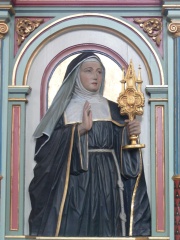
Juliana of Liège
1193 - 1258
HPI: 65.77
Posizione: 1,146
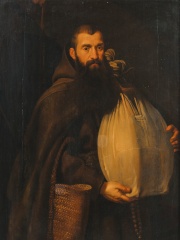
Felix of Cantalice
1515 - 1587
HPI: 65.76
Posizione: 1,147
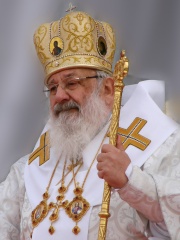
Lubomyr Husar
1933 - 2017
HPI: 65.74
Posizione: 1,148
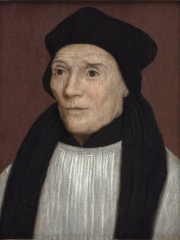
John Fisher
1469 - 1535
HPI: 65.73
Posizione: 1,149
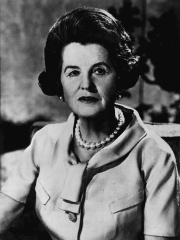
Rose Kennedy
1890 - 1995
HPI: 65.68
Posizione: 1,150

Contemporanei
Tra le persone nate nel 1950, Kurt Koch occupa la posizione 87. Prima di lui ci sono Ken Robinson, Karen Carpenter, Paul Watson, David Graf, Assef Shawkat, e Yumi Umeoka. Dopo di lui ci sono Cary-Hiroyuki Tagawa, Zhang Youxia, Marcheline Bertrand, Steve McCurry, Hugh McDonald, e Seiki Ichihara.
Altre persone nate nel 1950
Vai a tutte le classifiche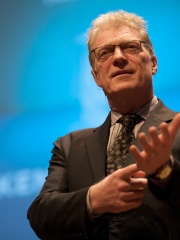
Ken Robinson
WRITER
1950 - 2020
HPI: 66.03
Posizione: 81
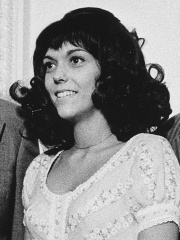
Karen Carpenter
SINGER
1950 - 1983
HPI: 66.01
Posizione: 82
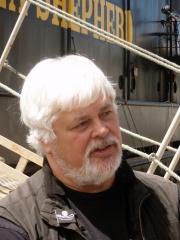
Paul Watson
SOCIAL ACTIVIST
1950 - presente
HPI: 65.94
Posizione: 83
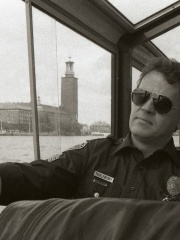
David Graf
ACTOR
1950 - 2001
HPI: 65.90
Posizione: 84
Assef Shawkat
POLITICIAN
1950 - 2012
HPI: 65.83
Posizione: 85

Yumi Umeoka
SOCCER PLAYER
1950 - presente
HPI: 65.78
Posizione: 86
Kurt Koch
RELIGIOUS FIGURE
1950 - presente
HPI: 65.78
Posizione: 87
Cary-Hiroyuki Tagawa
ACTOR
1950 - 2025
HPI: 65.64
Posizione: 88

Zhang Youxia
MILITARY PERSONNEL
1950 - presente
HPI: 65.59
Posizione: 89
Marcheline Bertrand
ACTOR
1950 - 2007
HPI: 65.51
Posizione: 90
Steve McCurry
JOURNALIST
1950 - presente
HPI: 65.40
Posizione: 91
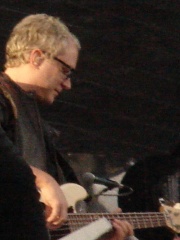
Hugh McDonald
MUSICIAN
1950 - presente
HPI: 65.26
Posizione: 92

Seiki Ichihara
SOCCER PLAYER
1950 - presente
HPI: 65.13
Posizione: 93
In Svizzera
Tra le persone nate in Svizzera, Kurt Koch occupa la posizione 150 su 1,198. Prima di lui ci sono Nicolaus II Bernoulli (1695), Hans Martin Sutermeister (1907), Alfonsina Storni (1892), Antoine-Henri Jomini (1779), Ernest Ansermet (1883), e Humbert I, Count of Savoy (980). Dopo di lui ci sono Jean-Robert Argand (1768), Germain Henri Hess (1802), Jakob Ammann (1644), Ami Argand (1750), Max Bill (1908), e Jacques Charles François Sturm (1803).
Altre persone nate in Svizzera
Vai a tutte le classifiche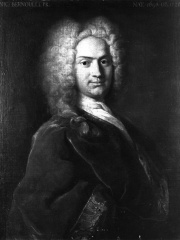
Nicolaus II Bernoulli
MATHEMATICIAN
1695 - 1726
HPI: 65.97
Posizione: 144
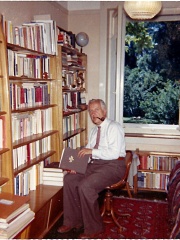
Hans Martin Sutermeister
POLITICIAN
1907 - 1977
HPI: 65.96
Posizione: 145
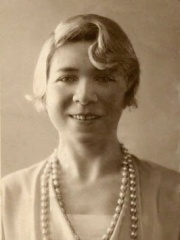
Alfonsina Storni
WRITER
1892 - 1938
HPI: 65.94
Posizione: 146
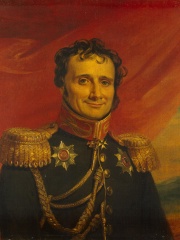
Antoine-Henri Jomini
WRITER
1779 - 1869
HPI: 65.81
Posizione: 147
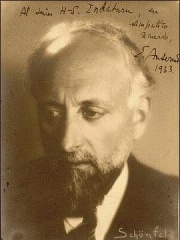
Ernest Ansermet
COMPOSER
1883 - 1969
HPI: 65.81
Posizione: 148
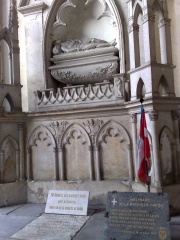
Humbert I, Count of Savoy
POLITICIAN
980 - 1047
HPI: 65.79
Posizione: 149
Kurt Koch
RELIGIOUS FIGURE
1950 - presente
HPI: 65.78
Posizione: 150

Jean-Robert Argand
MATHEMATICIAN
1768 - 1822
HPI: 65.65
Posizione: 151
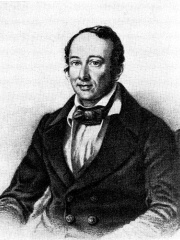
Germain Henri Hess
CHEMIST
1802 - 1850
HPI: 65.62
Posizione: 152

Jakob Ammann
RELIGIOUS FIGURE
1644 - 1730
HPI: 65.51
Posizione: 153
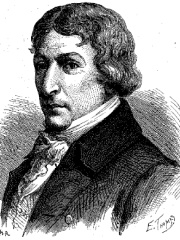
Ami Argand
PHYSICIST
1750 - 1803
HPI: 65.50
Posizione: 154
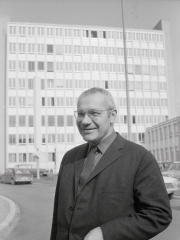
Max Bill
ARCHITECT
1908 - 1994
HPI: 65.37
Posizione: 155
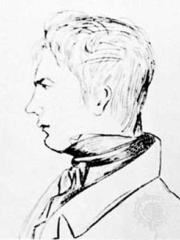
Jacques Charles François Sturm
MATHEMATICIAN
1803 - 1855
HPI: 65.29
Posizione: 156
Tra Figura religiosa in Svizzera
Tra Figura religiosa nati in Svizzera, Kurt Koch occupa la posizione 8. Prima di lui ci sono Hans Küng (1928), Nicholas of Flüe (1417), Anna Göldi (1734), Brother Roger (1915), Anders Arborelius (1949), e Heinrich Bullinger (1504). Dopo di lui ci sono Jakob Ammann (1644), Ulrich of Augsburg (890), Billy Meier (1937), Jacob Sprenger (1435), Emil Brunner (1889), e Henri Schwery (1932).
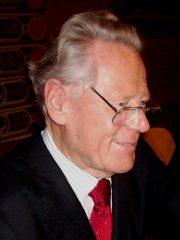
Hans Küng
1928 - 2021
HPI: 71.34
Posizione: 2
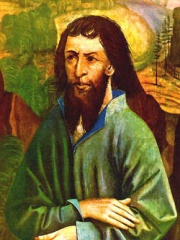
Nicholas of Flüe
1417 - 1487
HPI: 68.93
Posizione: 3
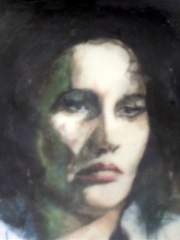
Anna Göldi
1734 - 1782
HPI: 68.54
Posizione: 4
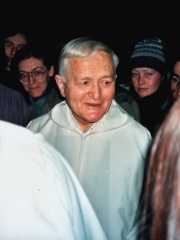
Brother Roger
1915 - 2005
HPI: 68.17
Posizione: 5
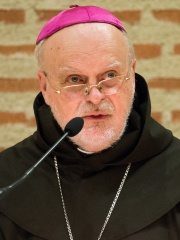
Anders Arborelius
1949 - presente
HPI: 68.16
Posizione: 6
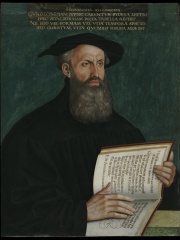
Heinrich Bullinger
1504 - 1575
HPI: 66.05
Posizione: 7
Kurt Koch
1950 - presente
HPI: 65.78
Posizione: 8
Jakob Ammann
1644 - 1730
HPI: 65.51
Posizione: 9
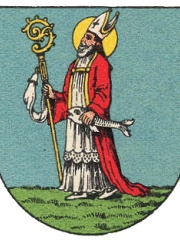
Ulrich of Augsburg
890 - 973
HPI: 64.90
Posizione: 10
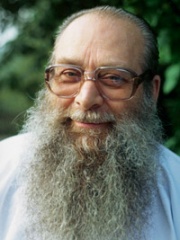
Billy Meier
1937 - presente
HPI: 63.70
Posizione: 11

Jacob Sprenger
1435 - 1495
HPI: 63.12
Posizione: 12
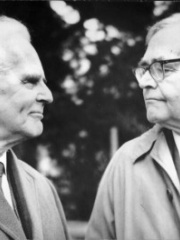
Emil Brunner
1889 - 1966
HPI: 62.54
Posizione: 13

Henri Schwery
1932 - 2021
HPI: 61.67
Posizione: 14




