Maestro
Klaus Mäkelä
1996 - presente


 Klaus Mäkelä
Sua biografia está disponível em 17 idiomas na Wikipédia. Klaus Mäkelä é o 131º maestro mais popular, a 526ª biografia mais popular da Finlândia e o 10º maestro mais popular da Finlândia.
Memorability Metrics
200k
Page Views
Past 12 months
46.72
HPI
Historical Popularity Index
Page views of Klaus Mäkelä by language
Among Maestros
Among maestros, Klaus Mäkelä ranks 131 out of 128. Before him are Tugan Sokhiev, Arthur Fiedler, Andrew Parrott, Sakari Oramo, Anton Coppola, and Gianandrea Noseda. After him are Mirga Gražinytė-Tyla, Volodymyr Sheiko, Jakub Hrůša, Elim Chan, and Vasily Petrenko.
Most Popular Maestros in Wikipedia
Go to all Rankings
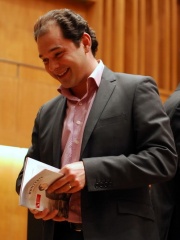
Tugan Sokhiev
1977 - Present
HPI: 51.00
Rank: 125
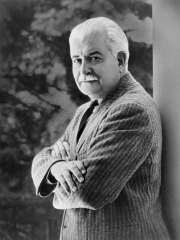
Arthur Fiedler
1894 - 1979
HPI: 51.00
Rank: 126
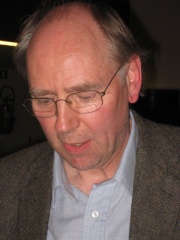
Andrew Parrott
1947 - Present
HPI: 49.01
Rank: 127

Sakari Oramo
1965 - Present
HPI: 48.14
Rank: 128
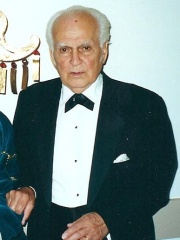
Anton Coppola
1917 - 2020
HPI: 48.02
Rank: 129
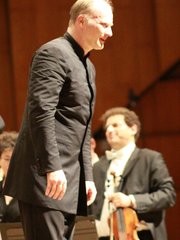
Gianandrea Noseda
1964 - Present
HPI: 47.58
Rank: 130
Klaus Mäkelä
1996 - Present
HPI: 46.72
Rank: 131
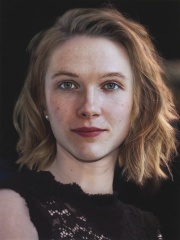
Mirga Gražinytė-Tyla
1986 - Present
HPI: 46.48
Rank: 132
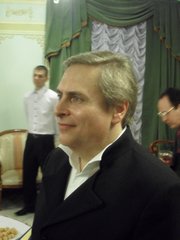
Volodymyr Sheiko
1962 - Present
HPI: 45.80
Rank: 133
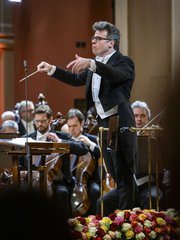
Jakub Hrůša
1981 - Present
HPI: 45.06
Rank: 134
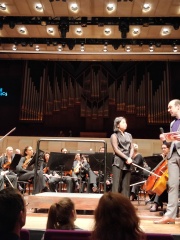
Elim Chan
1986 - Present
HPI: 44.15
Rank: 135
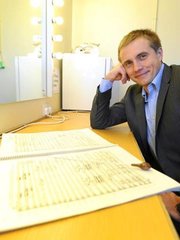
Vasily Petrenko
1976 - Present
HPI: 44.02
Rank: 136

Contemporaries
Among people born in 1996, Klaus Mäkelä ranks 168. Before him are Maria Bakalova, Demi Vollering, Abdelhamid Sabiri, Lauren Jauregui, Ella Henderson, and Takunosuke Funakawa. After him are Domantas Sabonis, Nemanja Radonjić, Anthoine Hubert, Abdou Diallo, Toni-Ann Singh, and Kenedy.
Others Born in 1996
Go to all Rankings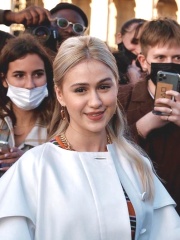
Maria Bakalova
ACTOR
1996 - Present
HPI: 46.83
Rank: 162
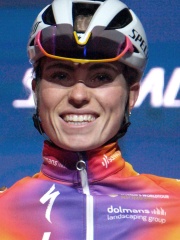
Demi Vollering
CYCLIST
1996 - Present
HPI: 46.78
Rank: 163
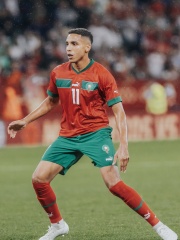
Abdelhamid Sabiri
SOCCER PLAYER
1996 - Present
HPI: 46.77
Rank: 164

Lauren Jauregui
SINGER
1996 - Present
HPI: 46.76
Rank: 165
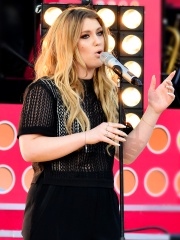
Ella Henderson
SINGER
1996 - Present
HPI: 46.75
Rank: 166

Takunosuke Funakawa
SOCCER PLAYER
1996 - Present
HPI: 46.72
Rank: 167
Klaus Mäkelä
CONDUCTOR
1996 - Present
HPI: 46.72
Rank: 168
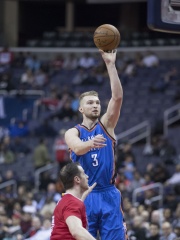
Domantas Sabonis
BASKETBALL PLAYER
1996 - Present
HPI: 46.67
Rank: 169
Nemanja Radonjić
SOCCER PLAYER
1996 - Present
HPI: 46.64
Rank: 170
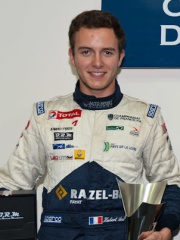
Anthoine Hubert
RACING DRIVER
1996 - 2019
HPI: 46.61
Rank: 171
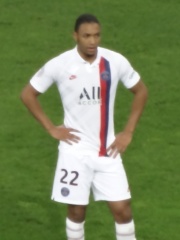
Abdou Diallo
SOCCER PLAYER
1996 - Present
HPI: 46.60
Rank: 172

Toni-Ann Singh
CELEBRITY
1996 - Present
HPI: 46.60
Rank: 173
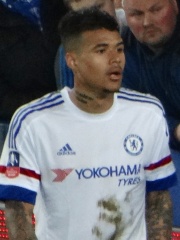
Kenedy
SOCCER PLAYER
1996 - Present
HPI: 46.52
Rank: 174
In Finlândia
Among people born in Finlândia, Klaus Mäkelä ranks 526 out of NaN. Before him are Teemu Keisteri (1985), Sami Kapanen (1973), Samu Haber (1976), Ari Hjelm (1962), Hannu Tihinen (1976), and Pirkko Määttä (1959). After him are Lauri Porra (1977), Juho Kuosmanen (1979), Juuso Pykälistö (1975), Stala (1974), Sonja Lumme (1961), and Ville Haapasalo (1972).
Others born in Finlândia
Go to all Rankings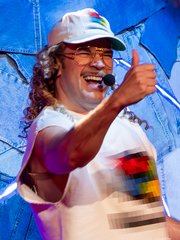
Teemu Keisteri
DESIGNER
1985 - Present
HPI: 46.91
Rank: 520
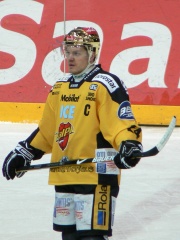
Sami Kapanen
HOCKEY PLAYER
1973 - Present
HPI: 46.83
Rank: 521
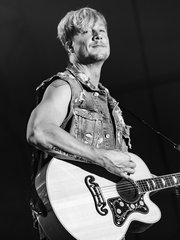
Samu Haber
MUSICIAN
1976 - Present
HPI: 46.81
Rank: 522

Ari Hjelm
SOCCER PLAYER
1962 - Present
HPI: 46.80
Rank: 523
Hannu Tihinen
SOCCER PLAYER
1976 - Present
HPI: 46.80
Rank: 524

Pirkko Määttä
SKIER
1959 - Present
HPI: 46.74
Rank: 525
Klaus Mäkelä
CONDUCTOR
1996 - Present
HPI: 46.72
Rank: 526
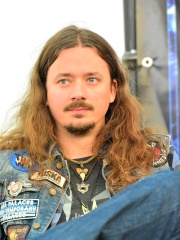
Lauri Porra
MUSICIAN
1977 - Present
HPI: 46.72
Rank: 527

Juho Kuosmanen
FILM DIRECTOR
1979 - Present
HPI: 46.71
Rank: 528
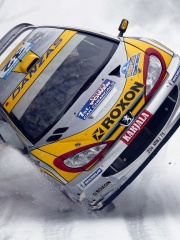
Juuso Pykälistö
RACING DRIVER
1975 - Present
HPI: 46.69
Rank: 529
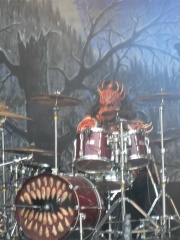
Stala
MUSICIAN
1974 - Present
HPI: 46.67
Rank: 530
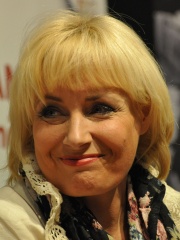
Sonja Lumme
SINGER
1961 - Present
HPI: 46.67
Rank: 531
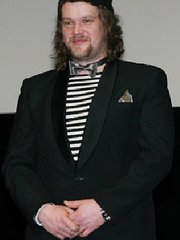
Ville Haapasalo
ACTOR
1972 - Present
HPI: 46.61
Rank: 532
Among Maestros In Finlândia
Among maestros born in Finlândia, Klaus Mäkelä ranks 10. Before him are Paavo Berglund (1929), Jorma Panula (1930), Jukka-Pekka Saraste (1956), Okko Kamu (1946), Osmo Vänskä (1953), and Sakari Oramo (1965).
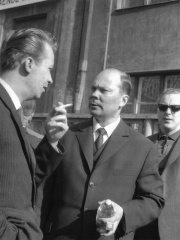
Paavo Berglund
1929 - 2012
HPI: 59.31
Rank: 4
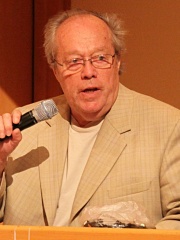
Jorma Panula
1930 - Present
HPI: 58.81
Rank: 5
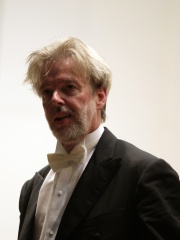
Jukka-Pekka Saraste
1956 - Present
HPI: 57.32
Rank: 6
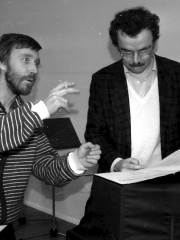
Okko Kamu
1946 - Present
HPI: 54.70
Rank: 7
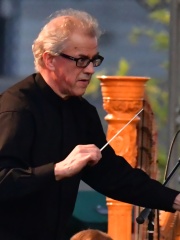
Osmo Vänskä
1953 - Present
HPI: 53.93
Rank: 8
Sakari Oramo
1965 - Present
HPI: 48.14
Rank: 9
Klaus Mäkelä
1996 - Present
HPI: 46.72
Rank: 10




