Religiöse Persönlichkeit
Zakir Naik
1965 - heute
DE.WIKIPEDIA-SEITENAUFRUFE (PV)
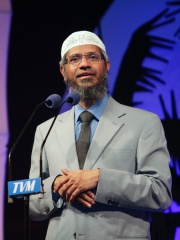
 Zakir Naik
Seine Biografie ist in 48 verschiedenen Sprachen auf Wikipedia verfügbar (gestiegen von 45 im Jahr 2024). Zakir Naik ist der 1,685th beliebteste Religiöse Persönlichkeit (gesunken vom 1,392nd im Jahr 2024), die 318th beliebteste Biografie aus Indien (gesunken vom 261st im Jahr 2019) und der 33rd beliebteste aus Indien Religiöse Persönlichkeit.
Bekanntheitsmetriken
470k
Seitenaufrufe
Letzte 12 Monate
62.35
HPI
Historischer Popularitätsindex
Daten-Einblicke
#14 / 339
Zakir Naik belegt Platz 14 unter den 339 bedeutenden Persönlichkeiten aus Mumbai, Indien und gehört zu den besten 5 % nach HPI.
2.5×
Die Wikipedia-Seite von Zakir Naik verzeichnete im vergangenen Jahr 470k Aufrufe, das 2.5-Fache des Durchschnitts aller Religiöse Persönlichkeit.
Seitenaufrufe von Zakir Naik nach Sprache
Unter Religiöse Persönlichkeit
Unter Religiöse Persönlichkeit belegt Zakir Naik Rang 1,685 von 3,189. Vor ihm stehen Bérenger Saunière, Lluís Martínez Sistach, Ignatius Moses I Daoud, Ahmed Raza Khan Barelvi, Sengcan, und Vigilius of Trent. Nach ihm folgen Agostino Cacciavillan, Al-Baghawi, Christiaan Snouck Hurgronje, Gad, Severus of Antioch, und Impenitent thief.
Die beliebtesten Religiöse Persönlichkeit auf Wikipedia
Zu allen Ranglisten
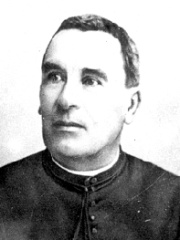
Bérenger Saunière
1852 - 1917
HPI: 62.37
Rang: 1,679

Lluís Martínez Sistach
1937 - heute
HPI: 62.37
Rang: 1,680

Ignatius Moses I Daoud
1930 - 2012
HPI: 62.37
Rang: 1,681
Ahmed Raza Khan Barelvi
1856 - 1921
HPI: 62.37
Rang: 1,682

Sengcan
529 - 606
HPI: 62.37
Rang: 1,683

Vigilius of Trent
355 - 405
HPI: 62.36
Rang: 1,684
Zakir Naik
1965 - heute
HPI: 62.35
Rang: 1,685

Agostino Cacciavillan
1926 - 2022
HPI: 62.35
Rang: 1,686

Al-Baghawi
1041 - 1122
HPI: 62.35
Rang: 1,687
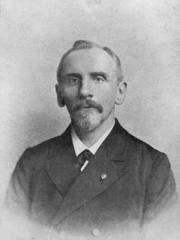
Christiaan Snouck Hurgronje
1857 - 1936
HPI: 62.35
Rang: 1,688

Gad
HPI: 62.35
Rang: 1,689

Severus of Antioch
456 - 538
HPI: 62.34
Rang: 1,690

Impenitent thief
HPI: 62.33
Rang: 1,691

Zeitgenossen
Unter den im Jahr 1965 Geborenen belegt Zakir Naik Rang 84. Vor ihm stehen Lennox Lewis, JB Pritzker, Fredrik Reinfeldt, Satoshi Tajiri, Guenther Steiner, und Raí. Nach ihm folgen KRS-One, Sam Mendes, Shania Twain, D. J. Caruso, Trifon Ivanov, und Kristin Davis.
Weitere im Jahr 1965 Geborene
Zu allen Ranglisten
Lennox Lewis
BOXER
1965 - heute
HPI: 62.77
Rang: 78

JB Pritzker
POLITICIAN
1965 - heute
HPI: 62.76
Rang: 79

Fredrik Reinfeldt
POLITICIAN
1965 - heute
HPI: 62.73
Rang: 80

Satoshi Tajiri
GAME DESIGNER
1965 - heute
HPI: 62.51
Rang: 81

Guenther Steiner
ENGINEER
1965 - heute
HPI: 62.49
Rang: 82
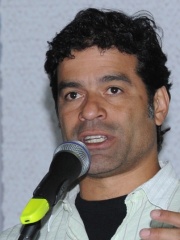
Raí
SOCCER PLAYER
1965 - heute
HPI: 62.42
Rang: 83
Zakir Naik
RELIGIOUS FIGURE
1965 - heute
HPI: 62.35
Rang: 84
KRS-One
SINGER
1965 - heute
HPI: 62.35
Rang: 85
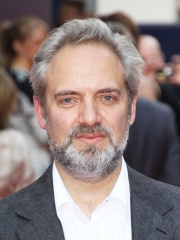
Sam Mendes
FILM DIRECTOR
1965 - heute
HPI: 62.33
Rang: 86

Shania Twain
SINGER
1965 - heute
HPI: 62.24
Rang: 87

D. J. Caruso
FILM DIRECTOR
1965 - heute
HPI: 62.21
Rang: 88

Trifon Ivanov
SOCCER PLAYER
1965 - 2016
HPI: 62.12
Rang: 89

Kristin Davis
ACTOR
1965 - heute
HPI: 61.72
Rang: 90
In Indien
Unter den in Indien Geborenen belegt Zakir Naik Rang 318 von 2,312. Vor ihm stehen Karamchand Gandhi (1822), Gupta (240), Ahmed Raza Khan Barelvi (1856), Phoolan Devi (1963), Homi J. Bhabha (1909), und Bahadur Shah I (1643). Nach ihm folgen Thiruvalluvar (350), Bhāskara I (600), Savitri (1936), Sundar Pichai (1972), Vijay (1974), und Nizamuddin Auliya (1238).
Weitere in Indien geborene Personen
Zu allen Ranglisten
Karamchand Gandhi
POLITICIAN
1822 - 1885
HPI: 62.41
Rang: 312

Gupta
POLITICIAN
240 - 280
HPI: 62.40
Rang: 313
Ahmed Raza Khan Barelvi
RELIGIOUS FIGURE
1856 - 1921
HPI: 62.37
Rang: 314

Phoolan Devi
POLITICIAN
1963 - 2001
HPI: 62.37
Rang: 315
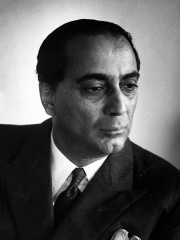
Homi J. Bhabha
PHYSICIST
1909 - 1966
HPI: 62.36
Rang: 316
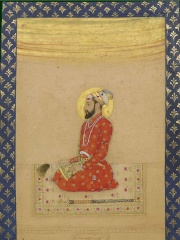
Bahadur Shah I
POLITICIAN
1643 - 1712
HPI: 62.35
Rang: 317
Zakir Naik
RELIGIOUS FIGURE
1965 - heute
HPI: 62.35
Rang: 318
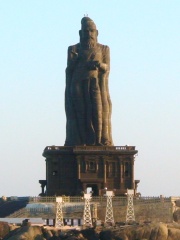
Thiruvalluvar
PHILOSOPHER
350 - 351
HPI: 62.34
Rang: 319

Bhāskara I
MATHEMATICIAN
600 - 680
HPI: 62.29
Rang: 320

Savitri
ACTOR
1936 - 1981
HPI: 62.28
Rang: 321

Sundar Pichai
BUSINESSPERSON
1972 - heute
HPI: 62.26
Rang: 322

Vijay
ACTOR
1974 - heute
HPI: 62.25
Rang: 323

Nizamuddin Auliya
POLITICIAN
1238 - 1325
HPI: 62.23
Rang: 324
Unter Religiöse Persönlichkeit in Indien
Unter den in Indien geborenen Religiöse Persönlichkeit belegt Zakir Naik Rang 33. Vor ihm stehen Śāntarakṣita (725), Abbé Faria (1756), Joseph Coutts (1945), Meher Baba (1894), Guru Amar Das (1479), und Ahmed Raza Khan Barelvi (1856). Nach ihm folgen Dashrath Manjhi (1934), Tilopa (928), Saint Alphonsa (1910), Inayat Khan (1882), Wahiduddin Khan (1925), und Ivan Dias (1936).

Śāntarakṣita
725 - 788
HPI: 64.39
Rang: 27

Abbé Faria
1756 - 1819
HPI: 63.63
Rang: 28
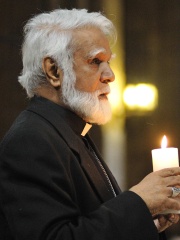
Joseph Coutts
1945 - heute
HPI: 63.30
Rang: 29
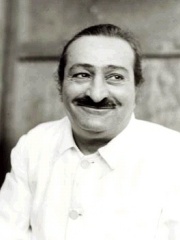
Meher Baba
1894 - 1969
HPI: 63.11
Rang: 30
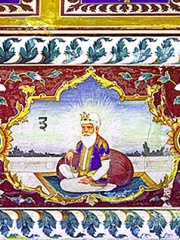
Guru Amar Das
1479 - 1574
HPI: 62.70
Rang: 31
Ahmed Raza Khan Barelvi
1856 - 1921
HPI: 62.37
Rang: 32
Zakir Naik
1965 - heute
HPI: 62.35
Rang: 33
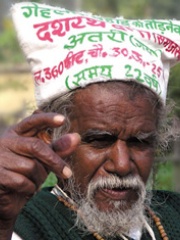
Dashrath Manjhi
1934 - 2007
HPI: 62.18
Rang: 34

Tilopa
928 - 1009
HPI: 62.06
Rang: 35

Saint Alphonsa
1910 - 1946
HPI: 62.05
Rang: 36
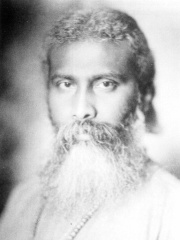
Inayat Khan
1882 - 1927
HPI: 61.88
Rang: 37
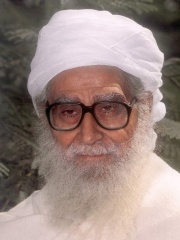
Wahiduddin Khan
1925 - 2021
HPI: 61.71
Rang: 38

Ivan Dias
1936 - 2017
HPI: 61.66
Rang: 39




