Politicus
Jean-Max Bellerive
1958 - heden
NL.WIKIPEDIA PAGE VIEWS (PV)
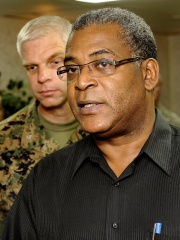
 Jean-Max Bellerive
Zijn biografie is beschikbaar in 23 verschillende talen op Wikipedia. Jean-Max Bellerive staat op plaats 15.969 onder de meest populaire politicus (gestegen van plaats 16.860 in 2024), plaats 57 onder de meest populaire biografieën uit Haïti (gestegen van plaats 65 in 2019) en op plaats 33 onder de populairste politicus uit Haïti.
Memorability Metrics
6.1k
Page Views
Past 12 months
54.22
HPI
Historical Popularity Index
Page views of Jean-Max Bellerive by language
Among Politicuses
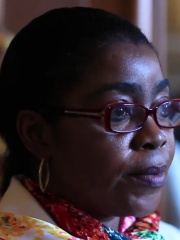
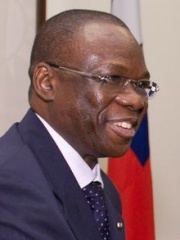
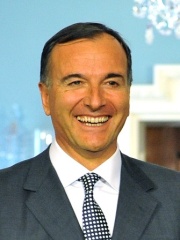
Among politicuses, Jean-Max Bellerive ranks 15,962 out of 19,576. Before him are Johan Henrik Deuntzer, Laila Freivalds, Marco Maciel, Jenny Shipley, Bonfoh Abass, and Donald Regan. After him are Ichikawa Fusae, Jeremiah S. Black, Rose Christiane Raponda, Luc-Adolphe Tiao, Franco Frattini, and Chang Wanquan.
Most Popular Politicuses in Wikipedia
Go to all Rankings
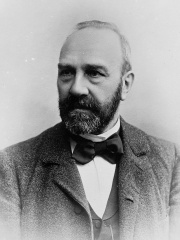
Johan Henrik Deuntzer
1845 - 1918
HPI: 54.23
Rank: 15,963
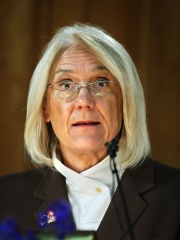
Laila Freivalds
1942 - Present
HPI: 54.23
Rank: 15,964
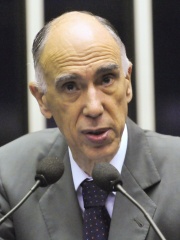
Marco Maciel
1940 - 2021
HPI: 54.23
Rank: 15,965
Jenny Shipley
1952 - Present
HPI: 54.23
Rank: 15,966
Bonfoh Abass
1948 - 2021
HPI: 54.22
Rank: 15,967
Donald Regan
1918 - 2003
HPI: 54.22
Rank: 15,968
Jean-Max Bellerive
1958 - Present
HPI: 54.22
Rank: 15,969

Ichikawa Fusae
1893 - 1981
HPI: 54.22
Rank: 15,970
Jeremiah S. Black
1810 - 1883
HPI: 54.22
Rank: 15,971
Rose Christiane Raponda
1964 - Present
HPI: 54.22
Rank: 15,972
Luc-Adolphe Tiao
1954 - Present
HPI: 54.22
Rank: 15,973
Franco Frattini
1957 - 2022
HPI: 54.21
Rank: 15,974

Chang Wanquan
1949 - Present
HPI: 54.21
Rank: 15,975

Contemporaries
Among people born in 1958, Jean-Max Bellerive ranks 330. Before him are Luiz Carlos Ferreira, Sakine Cansız, Shafi Goldwasser, Olivier Grouillard, Jeffrey Williams, and Manuel Serifo Nhamadjo. After him are Tomatito, Marc Randolph, André Kuipers, Thomas Reiter, Lisa Loring, and Radu Mihăileanu.
Others Born in 1958
Go to all Rankings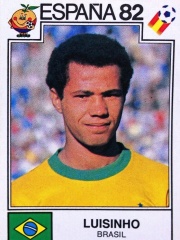
Luiz Carlos Ferreira
SOCCER PLAYER
1958 - Present
HPI: 54.45
Rank: 324
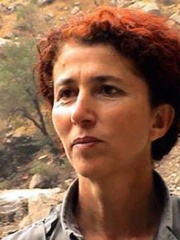
Sakine Cansız
SOCIAL ACTIVIST
1958 - 2013
HPI: 54.36
Rank: 325
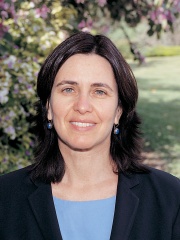
Shafi Goldwasser
COMPUTER SCIENTIST
1958 - Present
HPI: 54.33
Rank: 326

Olivier Grouillard
RACING DRIVER
1958 - Present
HPI: 54.33
Rank: 327

Jeffrey Williams
ASTRONAUT
1958 - Present
HPI: 54.31
Rank: 328
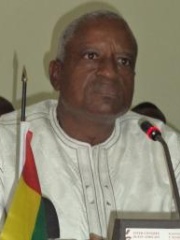
Manuel Serifo Nhamadjo
POLITICIAN
1958 - 2020
HPI: 54.23
Rank: 329
Jean-Max Bellerive
POLITICIAN
1958 - Present
HPI: 54.22
Rank: 330
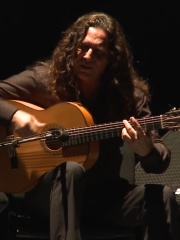
Tomatito
MUSICIAN
1958 - Present
HPI: 54.21
Rank: 331
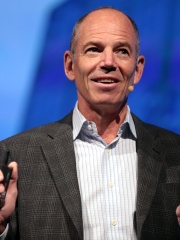
Marc Randolph
BUSINESSPERSON
1958 - Present
HPI: 54.21
Rank: 332

André Kuipers
ASTRONAUT
1958 - Present
HPI: 54.19
Rank: 333

Thomas Reiter
ASTRONAUT
1958 - Present
HPI: 54.18
Rank: 334

Lisa Loring
ACTOR
1958 - 2023
HPI: 54.18
Rank: 335
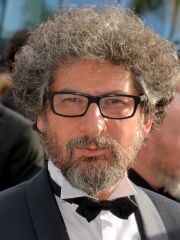
Radu Mihăileanu
FILM DIRECTOR
1958 - Present
HPI: 54.16
Rank: 336
In Haïti
Among people born in Haïti, Jean-Max Bellerive ranks 57 out of NaN. Before him are Claude Barthélemy (1945), Raoul Peck (1953), Dany Laferrière (1953), Wyclef Jean (1969), Henri Françillon (1946), and Joseph Serge Miot (1946). After him are Marc Bazin (1932), Jacques-Édouard Alexis (1947), Raoul Cédras (1949), Louis Eugène Roy (1861), Jocelerme Privert (1953), and Joseph Jouthe (1961).
Others born in Haïti
Go to all Rankings
Claude Barthélemy
SOCCER PLAYER
1945 - 2020
HPI: 55.50
Rank: 51
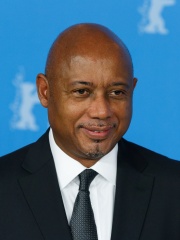
Raoul Peck
FILM DIRECTOR
1953 - Present
HPI: 55.41
Rank: 52
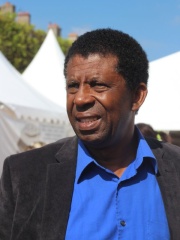
Dany Laferrière
WRITER
1953 - Present
HPI: 55.04
Rank: 53
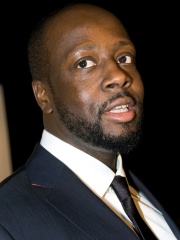
Wyclef Jean
SINGER
1969 - Present
HPI: 54.97
Rank: 54
Henri Françillon
SOCCER PLAYER
1946 - Present
HPI: 54.81
Rank: 55
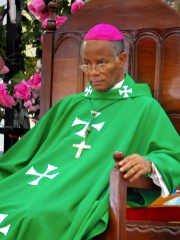
Joseph Serge Miot
RELIGIOUS FIGURE
1946 - 2010
HPI: 54.65
Rank: 56
Jean-Max Bellerive
POLITICIAN
1958 - Present
HPI: 54.22
Rank: 57
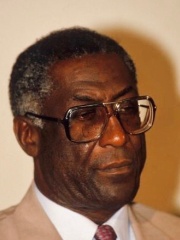
Marc Bazin
POLITICIAN
1932 - 2010
HPI: 54.04
Rank: 58
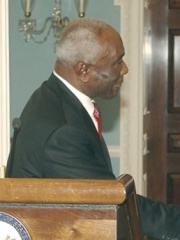
Jacques-Édouard Alexis
POLITICIAN
1947 - Present
HPI: 53.88
Rank: 59

Raoul Cédras
POLITICIAN
1949 - Present
HPI: 53.79
Rank: 60
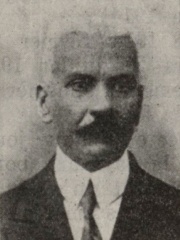
Louis Eugène Roy
POLITICIAN
1861 - 1939
HPI: 53.45
Rank: 61
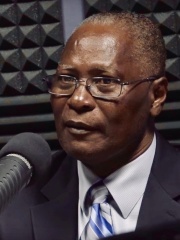
Jocelerme Privert
POLITICIAN
1953 - Present
HPI: 53.41
Rank: 62
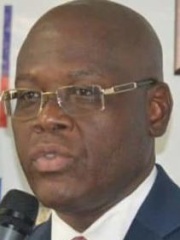
Joseph Jouthe
POLITICIAN
1961 - Present
HPI: 51.75
Rank: 63
Among Politicuses In Haïti
Among politicuses born in Haïti, Jean-Max Bellerive ranks 33. Before him are Jean-Jacques Honorat (1931), Louis Borno (1865), Joseph Nérette (1924), Pierre Nord Alexis (1820), Prosper Avril (1937), and Claudette Werleigh (1946). After him are Marc Bazin (1932), Jacques-Édouard Alexis (1947), Raoul Cédras (1949), Louis Eugène Roy (1861), Jocelerme Privert (1953), and Joseph Jouthe (1961).
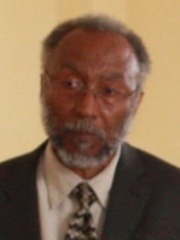
Jean-Jacques Honorat
1931 - 2023
HPI: 56.59
Rank: 27
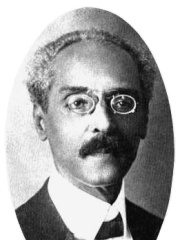
Louis Borno
1865 - 1942
HPI: 56.56
Rank: 28

Joseph Nérette
1924 - 2007
HPI: 56.20
Rank: 29
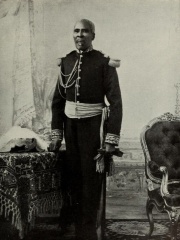
Pierre Nord Alexis
1820 - 1910
HPI: 56.20
Rank: 30
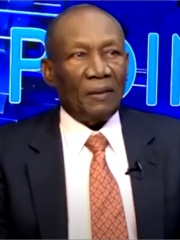
Prosper Avril
1937 - Present
HPI: 55.66
Rank: 31
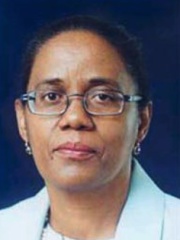
Claudette Werleigh
1946 - Present
HPI: 55.65
Rank: 32
Jean-Max Bellerive
1958 - Present
HPI: 54.22
Rank: 33
Marc Bazin
1932 - 2010
HPI: 54.04
Rank: 34
Jacques-Édouard Alexis
1947 - Present
HPI: 53.88
Rank: 35
Raoul Cédras
1949 - Present
HPI: 53.79
Rank: 36
Louis Eugène Roy
1861 - 1939
HPI: 53.45
Rank: 37
Jocelerme Privert
1953 - Present
HPI: 53.41
Rank: 38
Joseph Jouthe
1961 - Present
HPI: 51.75
Rank: 39




