Político
Michel Martelly
1961 - presente
VISITAS EN ES.WIKIPEDIA (PV)
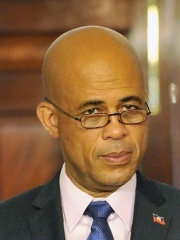
 Michel Martelly
Su biografía está disponible en 43 idiomas en Wikipedia. Michel Martelly ocupa el puesto 13.662 entre los político más populares (bajó del puesto 12.436 en 2024), el puesto 33 entre las biografías más populares de Haití (bajó del puesto 28 en 2019) y el puesto 20 entre los político de haití más populares.
Métricas de memorabilidad
86k
Visitas
Últimos 12 meses
57.56
HPI
Índice de Popularidad Histórica
Datos destacados
43
La biografía de Michel Martelly abarca 43 ediciones lingüísticas de Wikipedia y obtiene un Índice de Popularidad Histórica de 57.56.
Visitas a la página de Michel Martelly por idioma
Entre Político
Entre Político, Michel Martelly ocupa el puesto 13,656 de 20,022. Antes de él están Vasily Golitsyn, Henri de Brouckère, Konstantinos Logothetopoulos, Paul-Émile Janson, Abel Matutes, y Robin Cook. Después de él están William Wain Prior, Alexander Rueb, Anna Harrison, William Cohen, Edward Hyde, 1st Earl of Clarendon, y Mohammad Natsir.
Político más populares en Wikipedia
Ver todas las clasificaciones
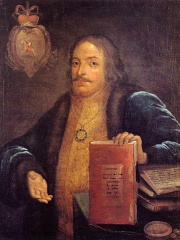
Vasily Golitsyn
1643 - 1714
HPI: 57.57
Puesto: 13,656
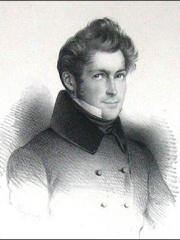
Henri de Brouckère
1801 - 1891
HPI: 57.57
Puesto: 13,657
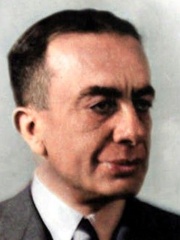
Konstantinos Logothetopoulos
1878 - 1961
HPI: 57.57
Puesto: 13,658
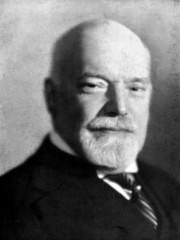
Paul-Émile Janson
1872 - 1944
HPI: 57.56
Puesto: 13,659
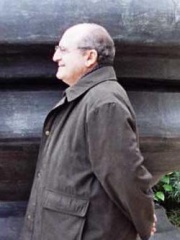
Abel Matutes
1941 - presente
HPI: 57.56
Puesto: 13,660
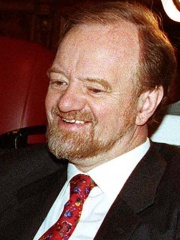
Robin Cook
1946 - 2005
HPI: 57.56
Puesto: 13,661
Michel Martelly
1961 - presente
HPI: 57.56
Puesto: 13,662
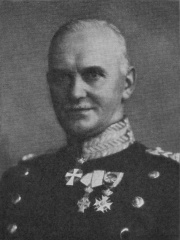
William Wain Prior
1876 - 1946
HPI: 57.56
Puesto: 13,663

Alexander Rueb
1882 - 1959
HPI: 57.56
Puesto: 13,664
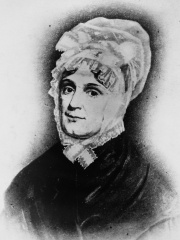
Anna Harrison
1775 - 1864
HPI: 57.56
Puesto: 13,665
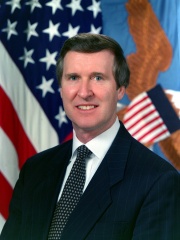
William Cohen
1940 - presente
HPI: 57.55
Puesto: 13,666
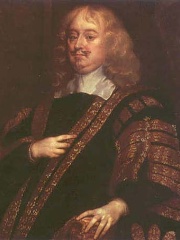
Edward Hyde, 1st Earl of Clarendon
1609 - 1674
HPI: 57.55
Puesto: 13,667
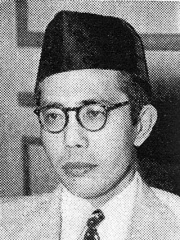
Mohammad Natsir
1908 - 1993
HPI: 57.55
Puesto: 13,668

Contemporáneos
Entre las personas nacidas en 1961, Michel Martelly ocupa el puesto 208. Antes de él están Isiah Thomas, Thomas Schaaf, Oleksandr Zavarov, Harry Gregson-Williams, Mohammad Bagher Ghalibaf, y Shiva Rajkumar. Después de él están Māris Kučinskis, Soane Patita Paini Mafi, Saskia Esken, Todd Haynes, Daniele Gatti, y Tom Homan.
Otras personas nacidas en 1961
Ver todas las clasificaciones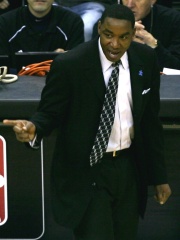
Isiah Thomas
BASKETBALL PLAYER
1961 - presente
HPI: 57.70
Puesto: 202
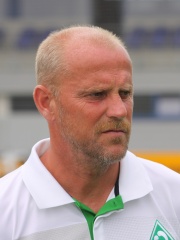
Thomas Schaaf
COACH
1961 - presente
HPI: 57.70
Puesto: 203
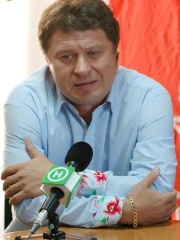
Oleksandr Zavarov
SOCCER PLAYER
1961 - presente
HPI: 57.66
Puesto: 204

Harry Gregson-Williams
COMPOSER
1961 - presente
HPI: 57.63
Puesto: 205
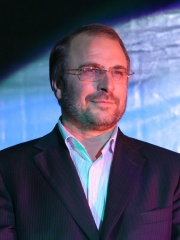
Mohammad Bagher Ghalibaf
POLITICIAN
1961 - presente
HPI: 57.59
Puesto: 206
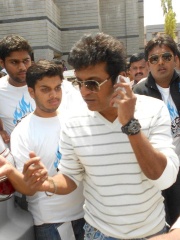
Shiva Rajkumar
ACTOR
1961 - presente
HPI: 57.58
Puesto: 207
Michel Martelly
POLITICIAN
1961 - presente
HPI: 57.56
Puesto: 208
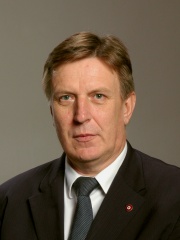
Māris Kučinskis
POLITICIAN
1961 - presente
HPI: 57.50
Puesto: 209
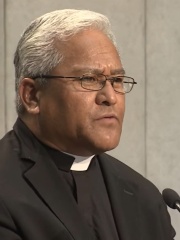
Soane Patita Paini Mafi
RELIGIOUS FIGURE
1961 - presente
HPI: 57.49
Puesto: 210
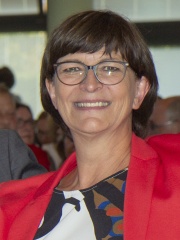
Saskia Esken
POLITICIAN
1961 - presente
HPI: 57.48
Puesto: 211
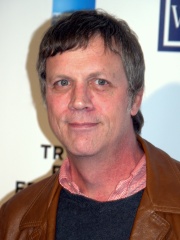
Todd Haynes
FILM DIRECTOR
1961 - presente
HPI: 57.44
Puesto: 212
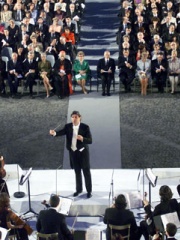
Daniele Gatti
CONDUCTOR
1961 - presente
HPI: 57.40
Puesto: 213
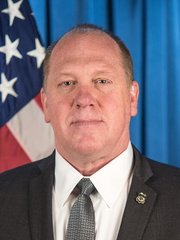
Tom Homan
PUBLIC WORKER
1961 - presente
HPI: 57.39
Puesto: 214
En Haití
Entre las personas nacidas en Haití, Michel Martelly ocupa el puesto 33 de 111. Antes de él están Ertha Pascal-Trouillot (1943), Constantin Henriquez (1850), Dumarsais Estimé (1900), Paul Magloire (1907), Chibly Langlois (1958), y Michaëlle Jean (1957). Después de él están Sténio Vincent (1874), Fabre Geffrard (1806), Martial Célestin (1913), René Depestre (1926), Michèle Pierre-Louis (1947), y Gérard Latortue (1934).
Otras personas nacidas en Haití
Ver todas las clasificaciones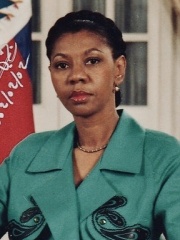
Ertha Pascal-Trouillot
POLITICIAN
1943 - presente
HPI: 58.75
Puesto: 27
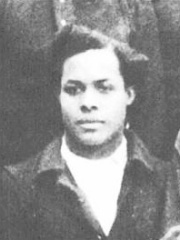
Constantin Henriquez
ATHLETE
1850 - 1942
HPI: 58.59
Puesto: 28
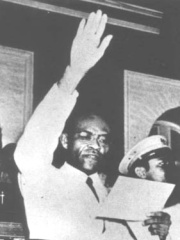
Dumarsais Estimé
POLITICIAN
1900 - 1953
HPI: 58.43
Puesto: 29
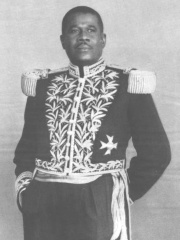
Paul Magloire
POLITICIAN
1907 - 2001
HPI: 58.39
Puesto: 30
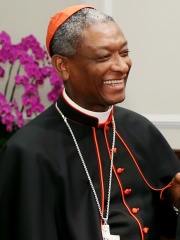
Chibly Langlois
RELIGIOUS FIGURE
1958 - presente
HPI: 58.22
Puesto: 31
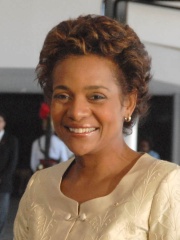
Michaëlle Jean
JOURNALIST
1957 - presente
HPI: 57.71
Puesto: 32
Michel Martelly
POLITICIAN
1961 - presente
HPI: 57.56
Puesto: 33
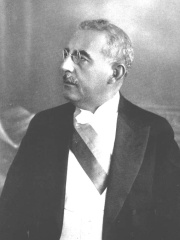
Sténio Vincent
POLITICIAN
1874 - 1959
HPI: 57.31
Puesto: 34
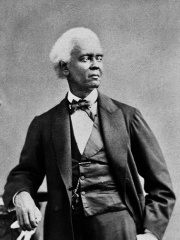
Fabre Geffrard
POLITICIAN
1806 - 1878
HPI: 57.30
Puesto: 35
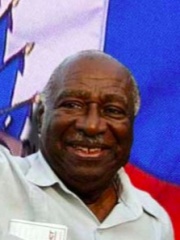
Martial Célestin
POLITICIAN
1913 - 2011
HPI: 57.12
Puesto: 36
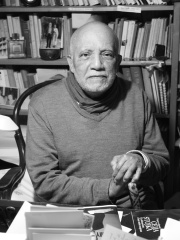
René Depestre
WRITER
1926 - presente
HPI: 57.07
Puesto: 37
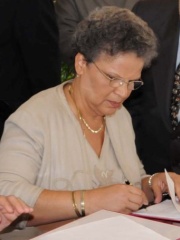
Michèle Pierre-Louis
POLITICIAN
1947 - presente
HPI: 57.00
Puesto: 38
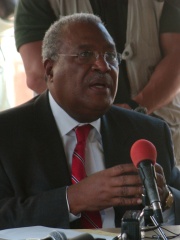
Gérard Latortue
POLITICIAN
1934 - 2023
HPI: 56.91
Puesto: 39
Entre Político en Haití
Entre Político nacidos en Haití, Michel Martelly ocupa el puesto 20. Antes de él están Vincent-Marie Viénot, Count of Vaublanc (1756), Pedro Santana (1801), Charles Rivière-Hérard (1789), Ertha Pascal-Trouillot (1943), Dumarsais Estimé (1900), y Paul Magloire (1907). Después de él están Sténio Vincent (1874), Fabre Geffrard (1806), Martial Célestin (1913), Michèle Pierre-Louis (1947), Gérard Latortue (1934), y Élie Lescot (1883).
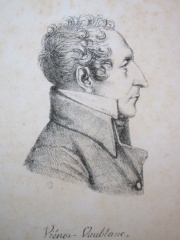
Vincent-Marie Viénot, Count of Vaublanc
1756 - 1845
HPI: 60.00
Puesto: 14
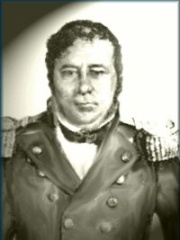
Pedro Santana
1801 - 1864
HPI: 59.97
Puesto: 15
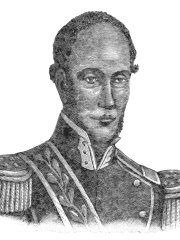
Charles Rivière-Hérard
1789 - 1850
HPI: 59.04
Puesto: 16
Ertha Pascal-Trouillot
1943 - presente
HPI: 58.75
Puesto: 17
Dumarsais Estimé
1900 - 1953
HPI: 58.43
Puesto: 18
Paul Magloire
1907 - 2001
HPI: 58.39
Puesto: 19
Michel Martelly
1961 - presente
HPI: 57.56
Puesto: 20
Sténio Vincent
1874 - 1959
HPI: 57.31
Puesto: 21
Fabre Geffrard
1806 - 1878
HPI: 57.30
Puesto: 22
Martial Célestin
1913 - 2011
HPI: 57.12
Puesto: 23
Michèle Pierre-Louis
1947 - presente
HPI: 57.00
Puesto: 24
Gérard Latortue
1934 - 2023
HPI: 56.91
Puesto: 25
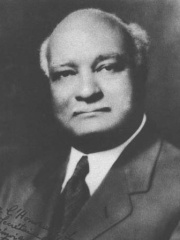
Élie Lescot
1883 - 1974
HPI: 56.88
Puesto: 26




