CHESS PLAYER
Giambattista Lolli
1698 - 1769

 Giambattista Lolli
Giambattista Lolli (1698 – 4 June 1769) was an Italian chess player and one of the most important chess theoreticians of his time. He is most famous for his book Osservazioni teorico-pratiche sopra il giuoco degli scacchi (English: Theoretical-practical views on the game of chess), published 1763 in Bologna. Born in Nonantola, Modena, he was one of the Modenese Masters. The checkmate pattern "Lolli's mate" involves infiltrating an opponent's fianchetto position using both a pawn and queen, and is named after Giambattista Lolli. Read more on Wikipedia
His biography is available in 16 different languages on Wikipedia. Giambattista Lolli is the 178th most popular chess player (down from 166th in 2024), the 3,865th most popular biography from Italy (up from 3,887th in 2019) and the 4th most popular Italian Chess Player.
Memorability Metrics
Page views of Giambattista Lolli by language
Among CHESS PLAYERS
Among chess players, Giambattista Lolli ranks 178 out of 461. Before him are Sergey Karjakin, Esteban Canal, Gennadi Sosonko, Klaus Junge, Oleg Romanishin, and Hikaru Nakamura. After him are Boris Verlinsky, Lubomir Kavalek, Albin Planinc, Serafino Dubois, Endre Steiner, and Ratmir Kholmov.
Most Popular Chess Players in Wikipedia
Go to all Rankings
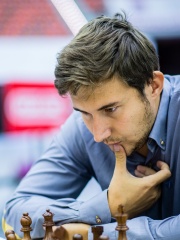
Sergey Karjakin
1990 - Present
HPI: 54.82
Rank: 172

Esteban Canal
1896 - 1981
HPI: 54.71
Rank: 173

Gennadi Sosonko
1943 - Present
HPI: 54.66
Rank: 174
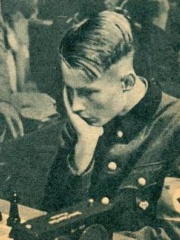
Klaus Junge
1924 - 1945
HPI: 54.64
Rank: 175
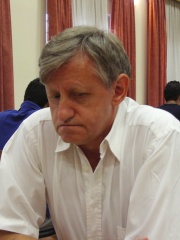
Oleg Romanishin
1952 - Present
HPI: 54.47
Rank: 176
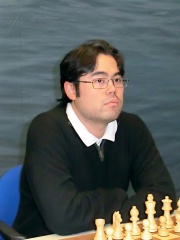
Hikaru Nakamura
1987 - Present
HPI: 54.42
Rank: 177
Giambattista Lolli
1698 - 1769
HPI: 54.41
Rank: 178
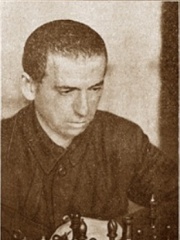
Boris Verlinsky
1888 - 1950
HPI: 54.38
Rank: 179
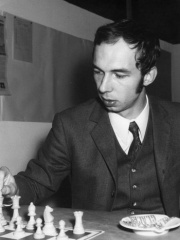
Lubomir Kavalek
1943 - 2021
HPI: 54.35
Rank: 180
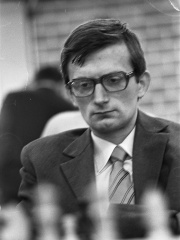
Albin Planinc
1944 - 2008
HPI: 54.26
Rank: 181
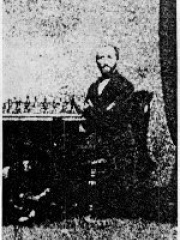
Serafino Dubois
1817 - 1899
HPI: 54.22
Rank: 182

Endre Steiner
1901 - 1944
HPI: 54.21
Rank: 183
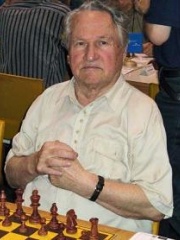
Ratmir Kholmov
1925 - 2006
HPI: 54.17
Rank: 184

Contemporaries
Among people born in 1698, Giambattista Lolli ranks 22. Before him are François Francoeur, Giacomo Ceruti, Friederike Charlotte of Hesse-Darmstadt, Pyotr Saltykov, Henry Baker, and Prokop Diviš. Among people deceased in 1769, Giambattista Lolli ranks 7. Before him are Pope Clement XIII, Luqman, Pontiac, Hakuin Ekaku, Christian Fürchtegott Gellert, and Vasily Trediakovsky.
Others Born in 1698
Go to all Rankings
François Francoeur
COMPOSER
1698 - 1787
HPI: 59.15
Rank: 16
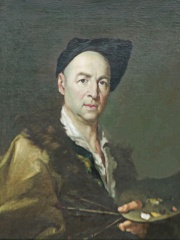
Giacomo Ceruti
PAINTER
1698 - 1767
HPI: 58.52
Rank: 17
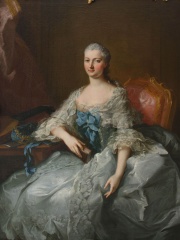
Friederike Charlotte of Hesse-Darmstadt
NOBLEMAN
1698 - 1777
HPI: 57.25
Rank: 18
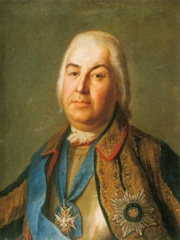
Pyotr Saltykov
POLITICIAN
1698 - 1772
HPI: 57.01
Rank: 19
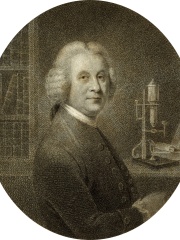
Henry Baker
BIOLOGIST
1698 - 1774
HPI: 55.58
Rank: 20
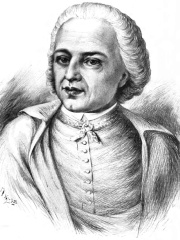
Prokop Diviš
INVENTOR
1698 - 1765
HPI: 55.24
Rank: 21
Giambattista Lolli
CHESS PLAYER
1698 - 1769
HPI: 54.41
Rank: 22
Others Deceased in 1769
Go to all Rankings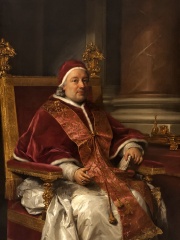
Pope Clement XIII
RELIGIOUS FIGURE
1693 - 1769
HPI: 82.16
Rank: 1

Luqman
WRITER
1100 BC - 1769
HPI: 74.76
Rank: 2
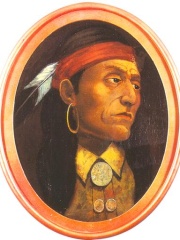
Pontiac
POLITICIAN
1714 - 1769
HPI: 73.32
Rank: 3
Hakuin Ekaku
PHILOSOPHER
1686 - 1769
HPI: 63.26
Rank: 4
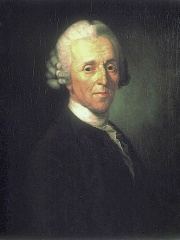
Christian Fürchtegott Gellert
WRITER
1715 - 1769
HPI: 62.24
Rank: 5
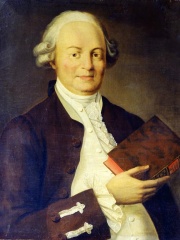
Vasily Trediakovsky
WRITER
1703 - 1769
HPI: 57.16
Rank: 6
Giambattista Lolli
CHESS PLAYER
1698 - 1769
HPI: 54.41
Rank: 7
In Italy
Among people born in Italy, Giambattista Lolli ranks 3,866 out of 5,161. Before him are Corrado Segre (1863), Francesco Guidolin (1955), Augusto Paolo Lojudice (1964), Rosa Russo Iervolino (1936), Roberto Ferrari (1889), and Luciano Emmer (1918). After him are Antonio Martino (1942), Eugenio Scalfari (1924), Giovanni Caselli (1815), Federigo Tozzi (1883), Mario Luzi (1914), and Angelo Zorzi (1890).
Others born in Italy
Go to all Rankings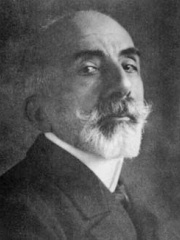
Corrado Segre
MATHEMATICIAN
1863 - 1924
HPI: 54.45
Rank: 3,860

Francesco Guidolin
COACH
1955 - Present
HPI: 54.44
Rank: 3,861
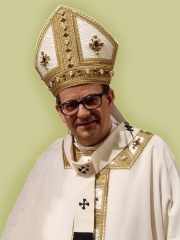
Augusto Paolo Lojudice
RELIGIOUS FIGURE
1964 - Present
HPI: 54.43
Rank: 3,862
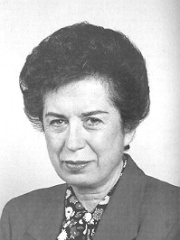
Rosa Russo Iervolino
POLITICIAN
1936 - Present
HPI: 54.43
Rank: 3,863

Roberto Ferrari
GYMNAST
1889 - 1937
HPI: 54.42
Rank: 3,864
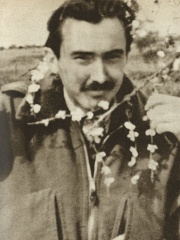
Luciano Emmer
FILM DIRECTOR
1918 - 2009
HPI: 54.42
Rank: 3,865
Giambattista Lolli
CHESS PLAYER
1698 - 1769
HPI: 54.41
Rank: 3,866
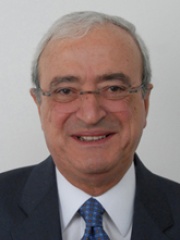
Antonio Martino
POLITICIAN
1942 - 2022
HPI: 54.41
Rank: 3,867

Eugenio Scalfari
POLITICIAN
1924 - 2022
HPI: 54.41
Rank: 3,868
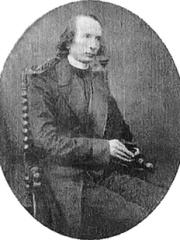
Giovanni Caselli
INVENTOR
1815 - 1891
HPI: 54.40
Rank: 3,869
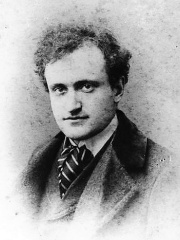
Federigo Tozzi
WRITER
1883 - 1920
HPI: 54.39
Rank: 3,870
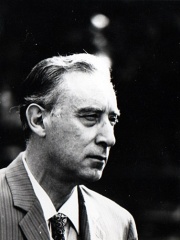
Mario Luzi
WRITER
1914 - 2005
HPI: 54.39
Rank: 3,871

Angelo Zorzi
GYMNAST
1890 - 1974
HPI: 54.39
Rank: 3,872
Among CHESS PLAYERS In Italy
Among chess players born in Italy, Giambattista Lolli ranks 4. Before him are Giovanni Leonardo Di Bona (1542), Gioachino Greco (1590), and Alessandro Salvio (1570). After him are Serafino Dubois (1817), Clarice Benini (1905), Eros Riccio (1977), and Alberto David (1970).
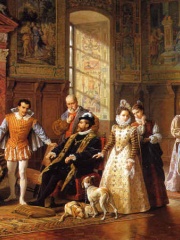
Giovanni Leonardo Di Bona
1542 - 1597
HPI: 64.28
Rank: 1
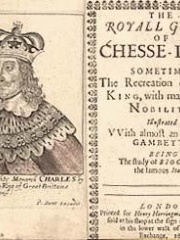
Gioachino Greco
1590 - 1630
HPI: 63.73
Rank: 2
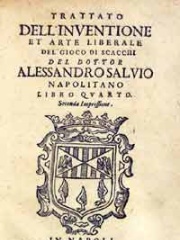
Alessandro Salvio
1570 - 1640
HPI: 62.15
Rank: 3
Giambattista Lolli
1698 - 1769
HPI: 54.41
Rank: 4
Serafino Dubois
1817 - 1899
HPI: 54.22
Rank: 5
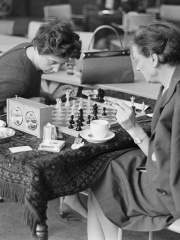
Clarice Benini
1905 - 1976
HPI: 53.54
Rank: 6
Eros Riccio
1977 - Present
HPI: 48.40
Rank: 7
Alberto David
1970 - Present
HPI: 45.31
Rank: 8




