军人
Drogo of Hauteville
1010 - 1051
 Drogo of Hauteville
知名度指标
13k
页面浏览量
过去12个月
57.58
HPI
历史知名度指数
数据洞察
17
Drogo of Hauteville的传记涵盖 17 个维基百科语言版本,历史知名度指数为 57.58。
Drogo of Hauteville的各语言页面浏览量
在军人中
在军人中,Drogo of Hauteville排名第1,677位(共2,188人)。 排在她之前的有:Vasily Gordov, Euphemius, Wilhelm Hasse, Raúl Reyes, Henri Dentz, 和John Fisher, 1st Baron Fisher. 排在她之后的有:Abu Ali al-Anbari, Josip Filipović, Keumalahayati, Diogo Lopes de Sequeira, François Fournier-Sarlovèze, 和Susan Travers.
维基百科上最受欢迎的军人
查看全部排名
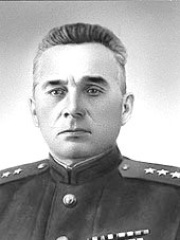
Vasily Gordov
1896 - 1950
HPI: 57.61
排名: 1,671

Euphemius
701 - 830
HPI: 57.60
排名: 1,672
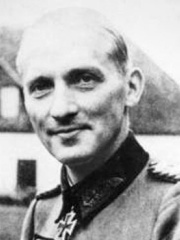
Wilhelm Hasse
1894 - 1945
HPI: 57.60
排名: 1,673
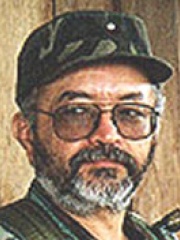
Raúl Reyes
1948 - 2008
HPI: 57.59
排名: 1,674
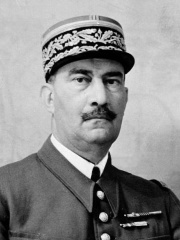
Henri Dentz
1881 - 1945
HPI: 57.58
排名: 1,675
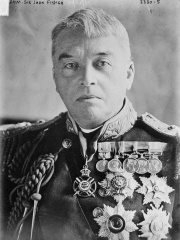
John Fisher, 1st Baron Fisher
1841 - 1920
HPI: 57.58
排名: 1,676
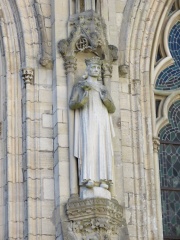
Drogo of Hauteville
1010 - 1051
HPI: 57.58
排名: 1,677
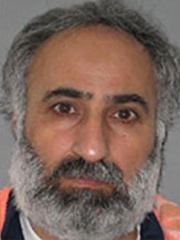
Abu Ali al-Anbari
1957 - 2016
HPI: 57.57
排名: 1,678
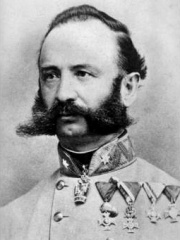
Josip Filipović
1818 - 1889
HPI: 57.57
排名: 1,679
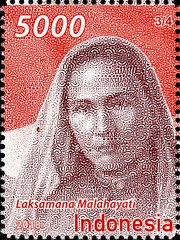
Keumalahayati
1550 - 1615
HPI: 57.56
排名: 1,680
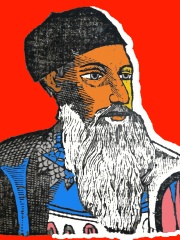
Diogo Lopes de Sequeira
1465 - 1530
HPI: 57.56
排名: 1,681
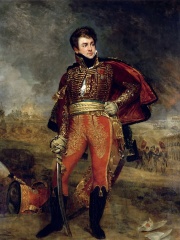
François Fournier-Sarlovèze
1773 - 1827
HPI: 57.55
排名: 1,682
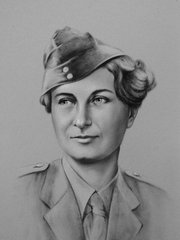
Susan Travers
1909 - 2003
HPI: 57.53
排名: 1,683

同时代人物
在1010年出生的人中,Drogo of Hauteville排名第19位。 排在她之前的有:Alī ibn Ahmad al-Nasawī, Eustace I, Count of Boulogne, Ernest II, Duke of Swabia, Anno II, Gytha Thorkelsdóttir, 和Amatus of Montecassino. 排在她之后的有:Morphia of Melitene, 和Eleanor of Normandy. 在1051年去世的人中,Drogo of Hauteville排名第2位。 排在她之前的有:Amadeus I, Count of Savoy.
其他1010年出生的人
查看全部排名
Alī ibn Ahmad al-Nasawī
MATHEMATICIAN
1010 - 1075
HPI: 61.82
排名: 13

Eustace I, Count of Boulogne
POLITICIAN
1010 - 1047
HPI: 60.24
排名: 14
Ernest II, Duke of Swabia
POLITICIAN
1010 - 1030
HPI: 59.80
排名: 15
Anno II
RELIGIOUS FIGURE
1010 - 1075
HPI: 58.91
排名: 16
Gytha Thorkelsdóttir
NOBLEMAN
1010 - 至今
HPI: 57.93
排名: 17

Amatus of Montecassino
RELIGIOUS FIGURE
1010 - 1090
HPI: 57.90
排名: 18
Drogo of Hauteville
MILITARY PERSONNEL
1010 - 1051
HPI: 57.58
排名: 19

Morphia of Melitene
COMPANION
1010 - 1126
HPI: 56.88
排名: 20

Eleanor of Normandy
POLITICIAN
1010 - 1071
HPI: 56.72
排名: 21
其他1051年去世的人
查看全部排名
Amadeus I, Count of Savoy
NOBLEMAN
1016 - 1051
HPI: 62.15
排名: 1
Drogo of Hauteville
MILITARY PERSONNEL
1010 - 1051
HPI: 57.58
排名: 2
在法国
在出生于法国的人中,Drogo of Hauteville排名第4,054位(共7,658人)。 排在她之前的有:Louis Augustin Guillaume Bosc (1759), Viviane Romance (1912), Samuel ibn Tibbon (1150), Raoul Coutard (1924), Henri Dentz (1881), 和Paul Bert (1833). 排在她之后的有:Bernard-Pierre Donnadieu (1949), Bruno Dumont (1958), Raimu (1883), Victor Laloux (1850), Danièle Delorme (1926), 和François Fournier-Sarlovèze (1773).
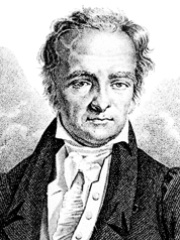
Louis Augustin Guillaume Bosc
BIOLOGIST
1759 - 1828
HPI: 57.59
排名: 4,048
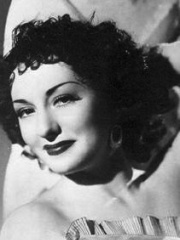
Viviane Romance
ACTOR
1912 - 1991
HPI: 57.59
排名: 4,049

Samuel ibn Tibbon
PHILOSOPHER
1150 - 1230
HPI: 57.58
排名: 4,050
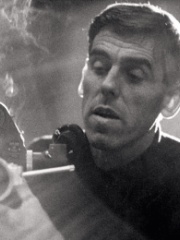
Raoul Coutard
FILM DIRECTOR
1924 - 2016
HPI: 57.58
排名: 4,051
Henri Dentz
MILITARY PERSONNEL
1881 - 1945
HPI: 57.58
排名: 4,052
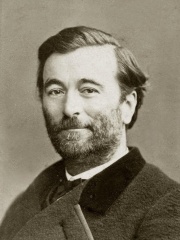
Paul Bert
BIOLOGIST
1833 - 1886
HPI: 57.58
排名: 4,053
Drogo of Hauteville
MILITARY PERSONNEL
1010 - 1051
HPI: 57.58
排名: 4,054

Bernard-Pierre Donnadieu
ACTOR
1949 - 2010
HPI: 57.57
排名: 4,055

Bruno Dumont
FILM DIRECTOR
1958 - 至今
HPI: 57.56
排名: 4,056
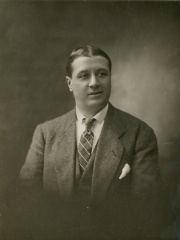
Raimu
ACTOR
1883 - 1946
HPI: 57.55
排名: 4,057
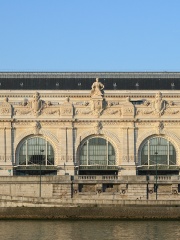
Victor Laloux
ARCHITECT
1850 - 1937
HPI: 57.55
排名: 4,058
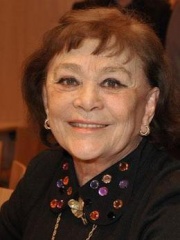
Danièle Delorme
ACTOR
1926 - 2015
HPI: 57.55
排名: 4,059
François Fournier-Sarlovèze
MILITARY PERSONNEL
1773 - 1827
HPI: 57.55
排名: 4,060
在法国的军人中
在出生于法国的军人中,Drogo of Hauteville排名第148位。 排在她之前的有:Erich Buschenhagen (1895), Michel-Joseph Maunoury (1847), Santiago de Liniers, 1st Count of Buenos Aires (1753), Antoine Joseph Santerre (1752), François de Créquy (1625), 和Henri Dentz (1881). 排在她之后的有:François Fournier-Sarlovèze (1773), Louis Marie Turreau (1756), Jean-Baptiste Marchand (1863), Fernand de Langle de Cary (1849), Honoré Charles Reille (1775), 和Éric Tabarly (1931).
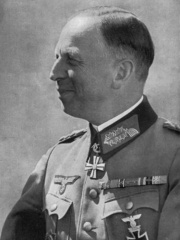
Erich Buschenhagen
1895 - 1994
HPI: 57.78
排名: 142
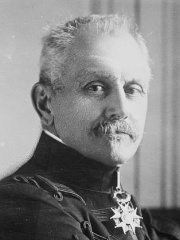
Michel-Joseph Maunoury
1847 - 1923
HPI: 57.78
排名: 143
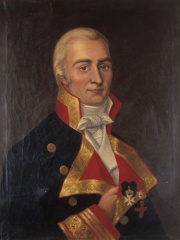
Santiago de Liniers, 1st Count of Buenos Aires
1753 - 1810
HPI: 57.69
排名: 144
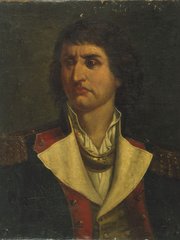
Antoine Joseph Santerre
1752 - 1809
HPI: 57.69
排名: 145
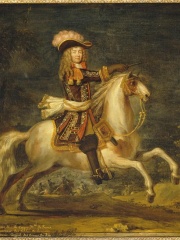
François de Créquy
1625 - 1687
HPI: 57.64
排名: 146
Henri Dentz
1881 - 1945
HPI: 57.58
排名: 147
Drogo of Hauteville
1010 - 1051
HPI: 57.58
排名: 148
François Fournier-Sarlovèze
1773 - 1827
HPI: 57.55
排名: 149
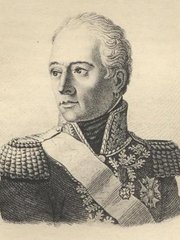
Louis Marie Turreau
1756 - 1816
HPI: 57.33
排名: 150
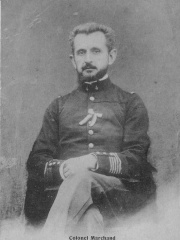
Jean-Baptiste Marchand
1863 - 1934
HPI: 57.32
排名: 151
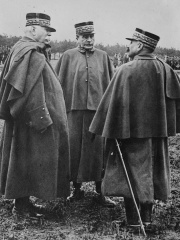
Fernand de Langle de Cary
1849 - 1927
HPI: 56.76
排名: 152
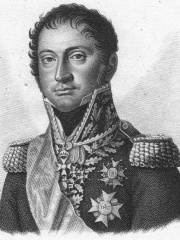
Honoré Charles Reille
1775 - 1860
HPI: 56.76
排名: 153
Éric Tabarly
1931 - 1998
HPI: 56.46
排名: 154




