Политик
Corina Casanova
1956 - настоящее время
ПРОСМОТРЫ RU.WIKIPEDIA (PV)
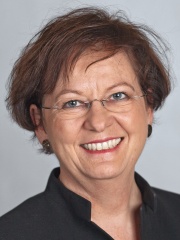
 Corina Casanova
Её биография доступна на 24 различных языках в Википедии (рост с 23 в 2024 году). Corina Casanova занимает 12833-е место среди самых популярных политик (снижение с 12778-е места в 2024 году), занимает 403-е место среди самых популярных биографий из Швейцарии (рост с 405-е места в 2019 году) и занимает 67-е место среди политик Швейцария.
Метрики памятности
8.0k
Просмотры страниц
За последние 12 месяцев
58.46
HPI
Индекс исторической популярности
Интересные факты
24
Биография Corina Casanova представлена в 24 языковых разделах Википедии, а Индекс исторической популярности составляет 58.46.
Просмотры страницы Corina Casanova по языкам
Среди представителей профессии «Политик»
Среди представителей профессии «Политик» Corina Casanova занимает 12,827-е место из 20,022. Перед ней идут Lucius Marcius Philippus, Olli Rehn, Robert II, Zhang Tingyu, Theodoric IV, Landgrave of Lusatia, и Martín Miguel de Güemes. После неё идут Krešimir I of Croatia, Vladimir Smirnov, Nasib Yusifbeyli, Wihtred of Kent, Karl Vaino, и Reginar IV, Count of Mons.
Самые популярные в Википедии: Политик
Все рейтинги

Lucius Marcius Philippus
150 до н. э. - наст. время
HPI: 58.46
Место: 12,827
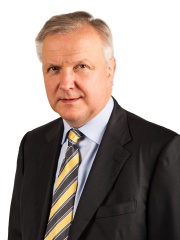
Olli Rehn
1962 - наст. время
HPI: 58.46
Место: 12,828
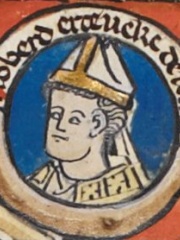
Robert II
1000 - 1037
HPI: 58.46
Место: 12,829
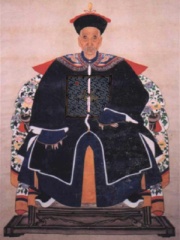
Zhang Tingyu
1672 - 1755
HPI: 58.46
Место: 12,830
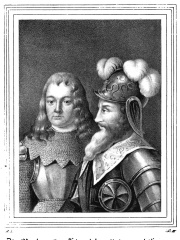
Theodoric IV, Landgrave of Lusatia
1260 - 1307
HPI: 58.46
Место: 12,831
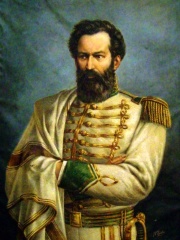
Martín Miguel de Güemes
1785 - 1821
HPI: 58.46
Место: 12,832
Corina Casanova
1956 - наст. время
HPI: 58.46
Место: 12,833
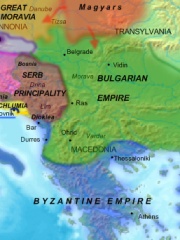
Krešimir I of Croatia
800 - 945
HPI: 58.45
Место: 12,834
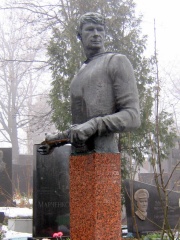
Vladimir Smirnov
1954 - 1982
HPI: 58.45
Место: 12,835
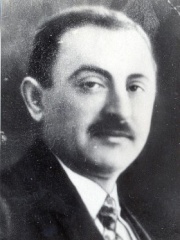
Nasib Yusifbeyli
1881 - 1920
HPI: 58.45
Место: 12,836
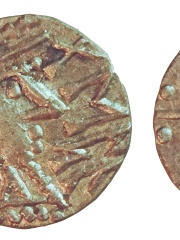
Wihtred of Kent
670 - 725
HPI: 58.45
Место: 12,837
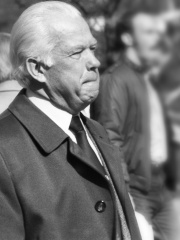
Karl Vaino
1923 - 2022
HPI: 58.45
Место: 12,838

Reginar IV, Count of Mons
950 - 1013
HPI: 58.45
Место: 12,839

Современники
Среди людей, родившихся в 1956 году, Corina Casanova занимает 222-е место. Перед ней идут John Paul Getty III, Tim McInnerny, Jerry Hall, Milan Jelić, Janet Hubert, и Peter R. de Vries. После неё идут Paul Day, Paul Cook, Victor Pițurcă, Laura Morante, Michael Angelo Batio, и Masafumi Yokoyama.
Другие люди, родившиеся в 1956 году
Все рейтинги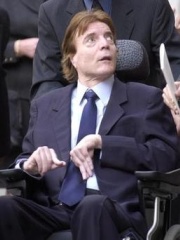
John Paul Getty III
NOBLEMAN
1956 - 2011
HPI: 58.54
Место: 216
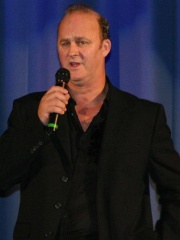
Tim McInnerny
ACTOR
1956 - наст. время
HPI: 58.54
Место: 217
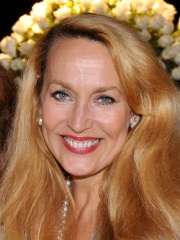
Jerry Hall
MODEL
1956 - наст. время
HPI: 58.50
Место: 218

Milan Jelić
POLITICIAN
1956 - 2007
HPI: 58.49
Место: 219

Janet Hubert
ACTOR
1956 - наст. время
HPI: 58.48
Место: 220
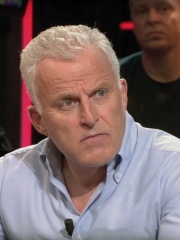
Peter R. de Vries
PRESENTER
1956 - 2021
HPI: 58.48
Место: 221
Corina Casanova
POLITICIAN
1956 - наст. время
HPI: 58.46
Место: 222

Paul Day
SINGER
1956 - 2025
HPI: 58.45
Место: 223
Paul Cook
SOCCER PLAYER
1956 - наст. время
HPI: 58.43
Место: 224
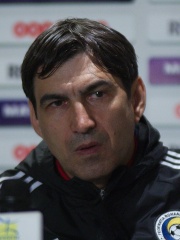
Victor Pițurcă
SOCCER PLAYER
1956 - наст. время
HPI: 58.40
Место: 225
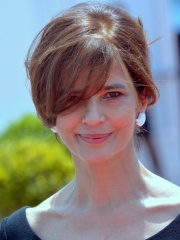
Laura Morante
ACTOR
1956 - наст. время
HPI: 58.40
Место: 226
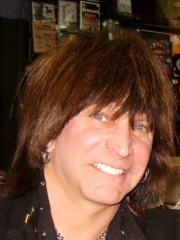
Michael Angelo Batio
MUSICIAN
1956 - наст. время
HPI: 58.37
Место: 227

Masafumi Yokoyama
SOCCER PLAYER
1956 - наст. время
HPI: 58.34
Место: 228
В стране Швейцария
Среди людей, родившихся в стране Швейцария, Corina Casanova занимает 403-е место из 1,198. Перед ней идут Ella Maillart (1903), Edmond Privat (1889), Albert Meyer (1870), Elisabeth Kopp (1936), Robert Ballaman (1926), и Marc-Émile Ruchet (1853). После неё идут Antonio Ciseri (1821), Stéphane Chapuisat (1969), Jakob Hermann (1678), Pierre Viret (1511), Otto Binswanger (1852), и Josef Munzinger (1791).
Другие люди, родившиеся в стране Швейцария
Все рейтинги
Ella Maillart
WRITER
1903 - 1997
HPI: 58.60
Место: 397
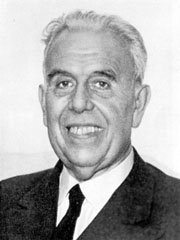
Edmond Privat
WRITER
1889 - 1962
HPI: 58.58
Место: 398
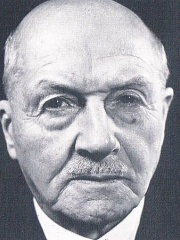
Albert Meyer
POLITICIAN
1870 - 1953
HPI: 58.55
Место: 399

Elisabeth Kopp
POLITICIAN
1936 - 2023
HPI: 58.49
Место: 400
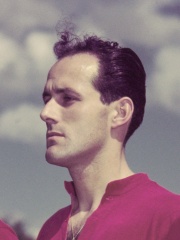
Robert Ballaman
SOCCER PLAYER
1926 - 2011
HPI: 58.49
Место: 401
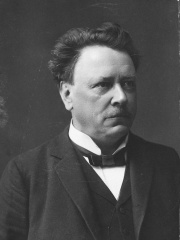
Marc-Émile Ruchet
POLITICIAN
1853 - 1912
HPI: 58.48
Место: 402
Corina Casanova
POLITICIAN
1956 - наст. время
HPI: 58.46
Место: 403
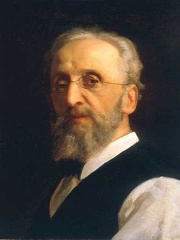
Antonio Ciseri
PAINTER
1821 - 1891
HPI: 58.40
Место: 404
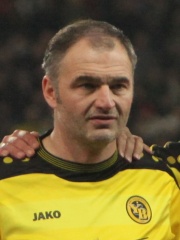
Stéphane Chapuisat
SOCCER PLAYER
1969 - наст. время
HPI: 58.39
Место: 405
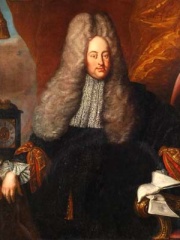
Jakob Hermann
MATHEMATICIAN
1678 - 1733
HPI: 58.35
Место: 406
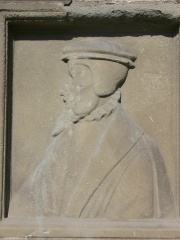
Pierre Viret
RELIGIOUS FIGURE
1511 - 1571
HPI: 58.33
Место: 407
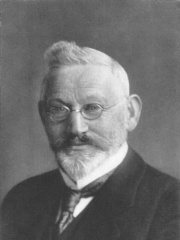
Otto Binswanger
PSYCHOLOGIST
1852 - 1929
HPI: 58.30
Место: 408

Josef Munzinger
POLITICIAN
1791 - 1855
HPI: 58.28
Место: 409
Среди представителей профессии «Политик» в стране Швейцария
Среди представителей профессии «Политик», родившихся в стране Швейцария, Corina Casanova занимает 67-е место. Перед ней идут Alois Estermann (1954), Adolf Ogi (1942), Marcel Pilet-Golaz (1889), Albert Meyer (1870), Elisabeth Kopp (1936), и Marc-Émile Ruchet (1853). После неё идут Josef Munzinger (1791), Princess Nora of Liechtenstein (1950), Ernst Brenner (1856), Max Petitpierre (1899), René Felber (1933), и Aegidius Tschudi (1505).

Alois Estermann
1954 - 1998
HPI: 58.81
Место: 61
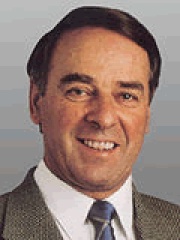
Adolf Ogi
1942 - наст. время
HPI: 58.77
Место: 62

Marcel Pilet-Golaz
1889 - 1958
HPI: 58.69
Место: 63
Albert Meyer
1870 - 1953
HPI: 58.55
Место: 64
Elisabeth Kopp
1936 - 2023
HPI: 58.49
Место: 65
Marc-Émile Ruchet
1853 - 1912
HPI: 58.48
Место: 66
Corina Casanova
1956 - наст. время
HPI: 58.46
Место: 67
Josef Munzinger
1791 - 1855
HPI: 58.28
Место: 68
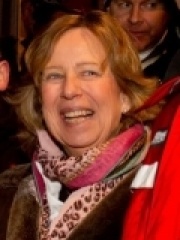
Princess Nora of Liechtenstein
1950 - наст. время
HPI: 58.23
Место: 69
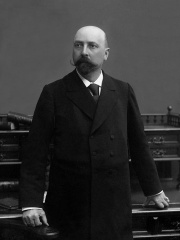
Ernst Brenner
1856 - 1911
HPI: 58.22
Место: 70
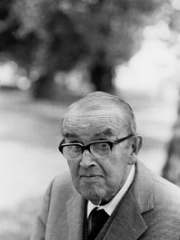
Max Petitpierre
1899 - 1994
HPI: 58.11
Место: 71
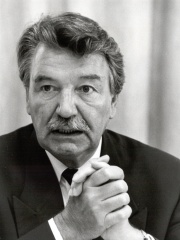
René Felber
1933 - 2020
HPI: 58.07
Место: 72
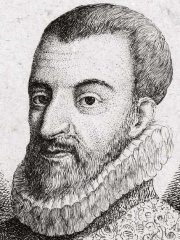
Aegidius Tschudi
1505 - 1572
HPI: 57.94
Место: 73




