Политик
Карл V (император Священной Римской империи)
1500 - 1558
RU.WIKIPEDIA PAGE VIEWS (PV)
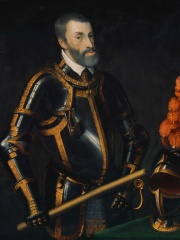
 Карл V (император Священной Римской империи)
Его биография доступна на 100 различных языках в Википедии (рост с 98 в 2024 году). Карл V (император Священной Римской империи) занимает 65-е место среди самых популярных политик (снижение с 47-е места в 2024 году), занимает 1-е место среди самых популярных биографий из Бельгии и занимает 1-е место среди политик Бельгия.
Memorability Metrics
3.2M
Page Views
Past 12 months
87.50
HPI
Historical Popularity Index
Page views of Карл V (император Священной Римской империи) by language
Among Политик
Among политик, Карл V (император Священной Римской империи) ranks 65 out of 19,576. Before him are William III of England, James II of England, Pompey, Darius the Great, Mikhail Gorbachev, and Kim Jong-il. After him are Attila, Maria Theresa, Osman I, Marcus Aurelius, Maximilien Robespierre, and Mansa Musa.
Most Popular Политик in Wikipedia
Go to all Rankings
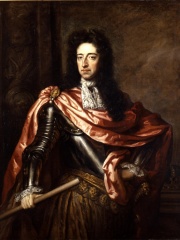
William III of England
1650 - 1702
HPI: 87.81
Rank: 59
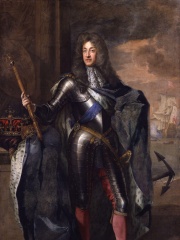
James II of England
1633 - 1701
HPI: 87.79
Rank: 60
Pompey
106 BC - 48 BC
HPI: 87.68
Rank: 61
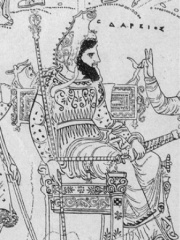
Darius the Great
550 BC - 486 BC
HPI: 87.66
Rank: 62
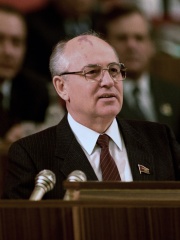
Mikhail Gorbachev
1931 - 2022
HPI: 87.63
Rank: 63
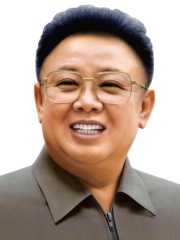
Kim Jong-il
1941 - 2011
HPI: 87.59
Rank: 64
Charles V, Holy Roman Emperor
1500 - 1558
HPI: 87.50
Rank: 65
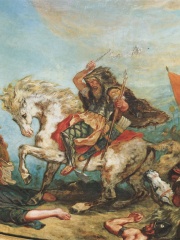
Attila
406 - 453
HPI: 87.44
Rank: 66
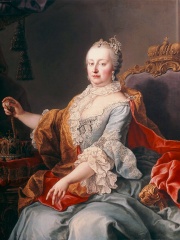
Maria Theresa
1717 - 1780
HPI: 87.44
Rank: 67
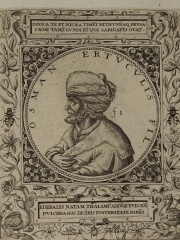
Osman I
1254 - 1327
HPI: 87.41
Rank: 68
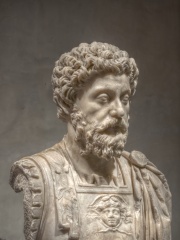
Marcus Aurelius
121 - 180
HPI: 87.41
Rank: 69
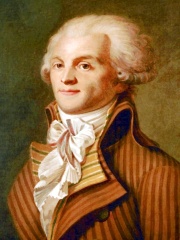
Maximilien Robespierre
1758 - 1794
HPI: 87.37
Rank: 70
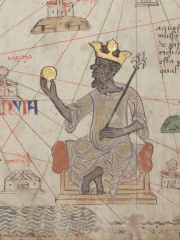
Mansa Musa
1280 - 1337
HPI: 87.24
Rank: 71

Contemporaries
Among people born in 1500, Карл V (император Священной Римской империи) ranks 1. After him are Mahidevran, Rüstem Pasha, Benvenuto Cellini, Wu Cheng'en, Fatma Sultan, Hernando de Soto, Lala Mustafa Pasha, Gülfem Hatun, Bartolomeo Eustachi, John of Ávila, and Al-Mutawakkil III. Among people deceased in 1558, Карл V (император Священной Римской империи) ranks 1. After him are Mary I of England, Hurrem Sultan, Mary of Hungary, Eleanor of Austria, Julius Caesar Scaliger, Clément Janequin, Robert Recorde, Johannes Bugenhagen, Reginald Pole, Francisco de Sá de Miranda, and Anna van Egmont.
Others Born in 1500
Go to all RankingsCharles V, Holy Roman Emperor
POLITICIAN
1500 - 1558
HPI: 87.50
Rank: 1
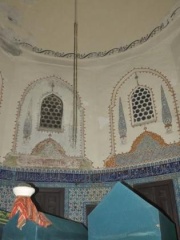
Mahidevran
POLITICIAN
1500 - 1581
HPI: 79.62
Rank: 2
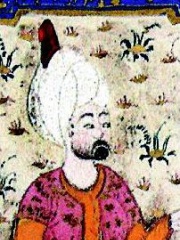
Rüstem Pasha
POLITICIAN
1500 - 1561
HPI: 78.62
Rank: 3
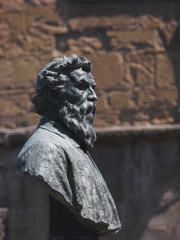
Benvenuto Cellini
SCULPTOR
1500 - 1571
HPI: 76.99
Rank: 4

Wu Cheng'en
WRITER
1500 - 1582
HPI: 73.86
Rank: 5

Fatma Sultan
NOBLEMAN
1500 - 1573
HPI: 72.87
Rank: 6
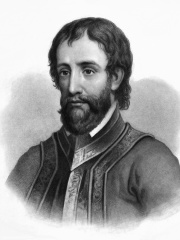
Hernando de Soto
EXPLORER
1500 - 1542
HPI: 71.13
Rank: 7
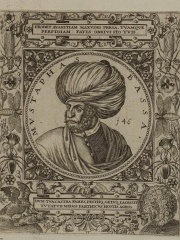
Lala Mustafa Pasha
POLITICIAN
1500 - 1580
HPI: 70.88
Rank: 8

Gülfem Hatun
COMPANION
1500 - 1561
HPI: 69.70
Rank: 9
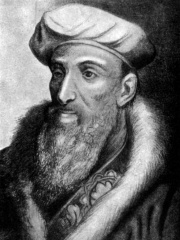
Bartolomeo Eustachi
POLITICIAN
1500 - 1574
HPI: 69.44
Rank: 10
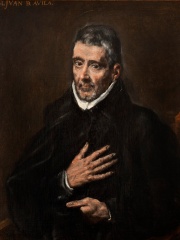
John of Ávila
RELIGIOUS FIGURE
1500 - 1569
HPI: 69.02
Rank: 11

Al-Mutawakkil III
POLITICIAN
1500 - 1543
HPI: 68.42
Rank: 12
Others Deceased in 1558
Go to all RankingsCharles V, Holy Roman Emperor
POLITICIAN
1500 - 1558
HPI: 87.50
Rank: 1
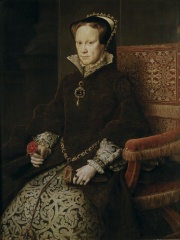
Mary I of England
POLITICIAN
1516 - 1558
HPI: 85.22
Rank: 2
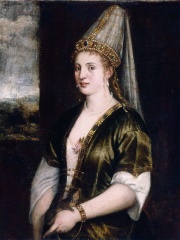
Hurrem Sultan
POLITICIAN
1502 - 1558
HPI: 84.73
Rank: 3
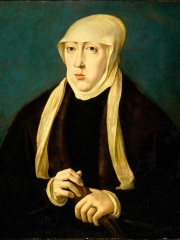
Mary of Hungary
POLITICIAN
1505 - 1558
HPI: 75.80
Rank: 4
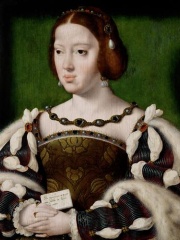
Eleanor of Austria
POLITICIAN
1498 - 1558
HPI: 75.65
Rank: 5
Julius Caesar Scaliger
PHILOSOPHER
1484 - 1558
HPI: 69.19
Rank: 6

Clément Janequin
COMPOSER
1485 - 1558
HPI: 66.63
Rank: 7

Robert Recorde
MATHEMATICIAN
1512 - 1558
HPI: 65.49
Rank: 8
Johannes Bugenhagen
PHILOSOPHER
1485 - 1558
HPI: 64.57
Rank: 9
Reginald Pole
RELIGIOUS FIGURE
1500 - 1558
HPI: 63.66
Rank: 10
Francisco de Sá de Miranda
WRITER
1491 - 1558
HPI: 62.89
Rank: 11
Anna van Egmont
POLITICIAN
1533 - 1558
HPI: 61.55
Rank: 12
In Бельгия
Among people born in Бельгия, Карл V (император Священной Римской империи) ranks 1 out of NaN. After him are Pepin the Short (715), Audrey Hepburn (1929), Jan van Eyck (1395), Clovis I (466), Charles Martel (688), Maurice Maeterlinck (1862), Ursula von der Leyen (1958), Philip I of Castile (1478), John of Gaunt (1340), Andreas Vesalius (1514), and Anthony van Dyck (1599).
Others born in Бельгия
Go to all RankingsCharles V, Holy Roman Emperor
POLITICIAN
1500 - 1558
HPI: 87.50
Rank: 1
Pepin the Short
POLITICIAN
715 - 768
HPI: 83.38
Rank: 2
Audrey Hepburn
ACTOR
1929 - 1993
HPI: 83.14
Rank: 3
Jan van Eyck
PAINTER
1395 - 1441
HPI: 82.52
Rank: 4
Clovis I
POLITICIAN
466 - 511
HPI: 82.38
Rank: 5
Charles Martel
MILITARY PERSONNEL
688 - 741
HPI: 82.26
Rank: 6
Maurice Maeterlinck
WRITER
1862 - 1949
HPI: 82.17
Rank: 7
Ursula von der Leyen
POLITICIAN
1958 - Present
HPI: 81.50
Rank: 8
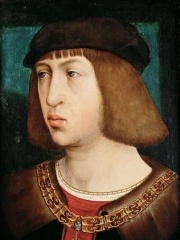
Philip I of Castile
POLITICIAN
1478 - 1506
HPI: 81.29
Rank: 9
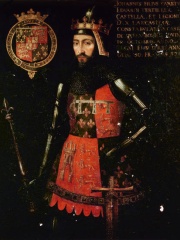
John of Gaunt
NOBLEMAN
1340 - 1399
HPI: 81.03
Rank: 10
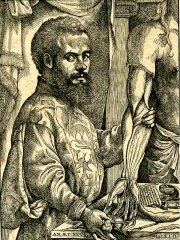
Andreas Vesalius
PHYSICIAN
1514 - 1564
HPI: 80.41
Rank: 11
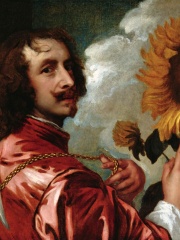
Anthony van Dyck
PAINTER
1599 - 1641
HPI: 80.23
Rank: 12
Among Политик In Бельгия
Among политик born in Бельгия, Карл V (император Священной Римской империи) ranks 1. After him are Pepin the Short (715), Clovis I (466), Ursula von der Leyen (1958), Philip I of Castile (1478), Leopold II of Belgium (1835), Mary of Burgundy (1457), Auguste Beernaert (1829), Albert II of Belgium (1934), Leopold III of Belgium (1901), Margaret of Austria, Duchess of Savoy (1480), and Baudouin of Belgium (1930).
Charles V, Holy Roman Emperor
1500 - 1558
HPI: 87.50
Rank: 1
Pepin the Short
715 - 768
HPI: 83.38
Rank: 2
Clovis I
466 - 511
HPI: 82.38
Rank: 3
Ursula von der Leyen
1958 - Present
HPI: 81.50
Rank: 4
Philip I of Castile
1478 - 1506
HPI: 81.29
Rank: 5
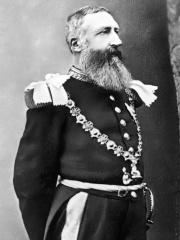
Leopold II of Belgium
1835 - 1909
HPI: 79.93
Rank: 6
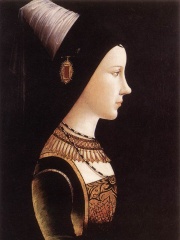
Mary of Burgundy
1457 - 1482
HPI: 78.56
Rank: 7
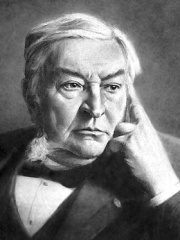
Auguste Beernaert
1829 - 1912
HPI: 78.35
Rank: 8
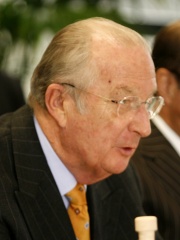
Albert II of Belgium
1934 - Present
HPI: 78.10
Rank: 9
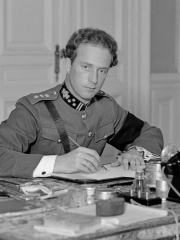
Leopold III of Belgium
1901 - 1983
HPI: 76.72
Rank: 10
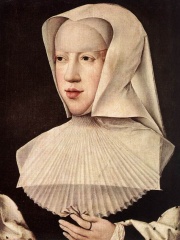
Margaret of Austria, Duchess of Savoy
1480 - 1530
HPI: 76.14
Rank: 11
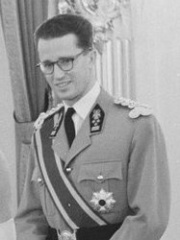
Baudouin of Belgium
1930 - 1993
HPI: 76.11
Rank: 12




